Are you trying to decide between a portable air conditioner and a window unit for your home or office? You want something that cools effectively without wasting energy or space.
But which one really delivers the best performance? If you’ve ever wondered whether portable air conditioners work as well as window units, you’re not alone. This article will clear up the confusion and help you make the right choice for your comfort and budget.
Keep reading to discover the surprising facts that could change how you cool your space this summer.

Credit: www.cnet.com
How Portable Air Conditioners Work
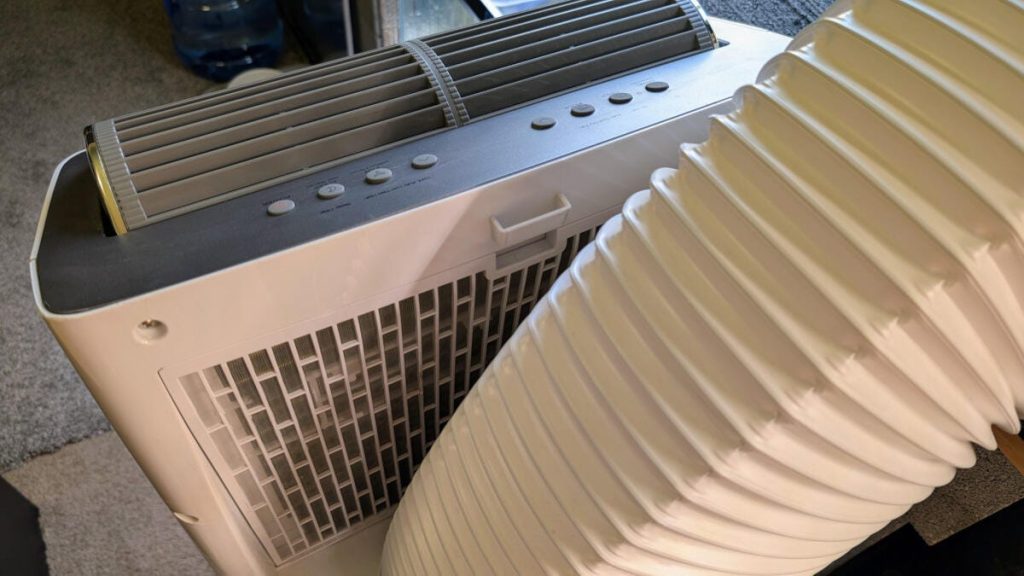
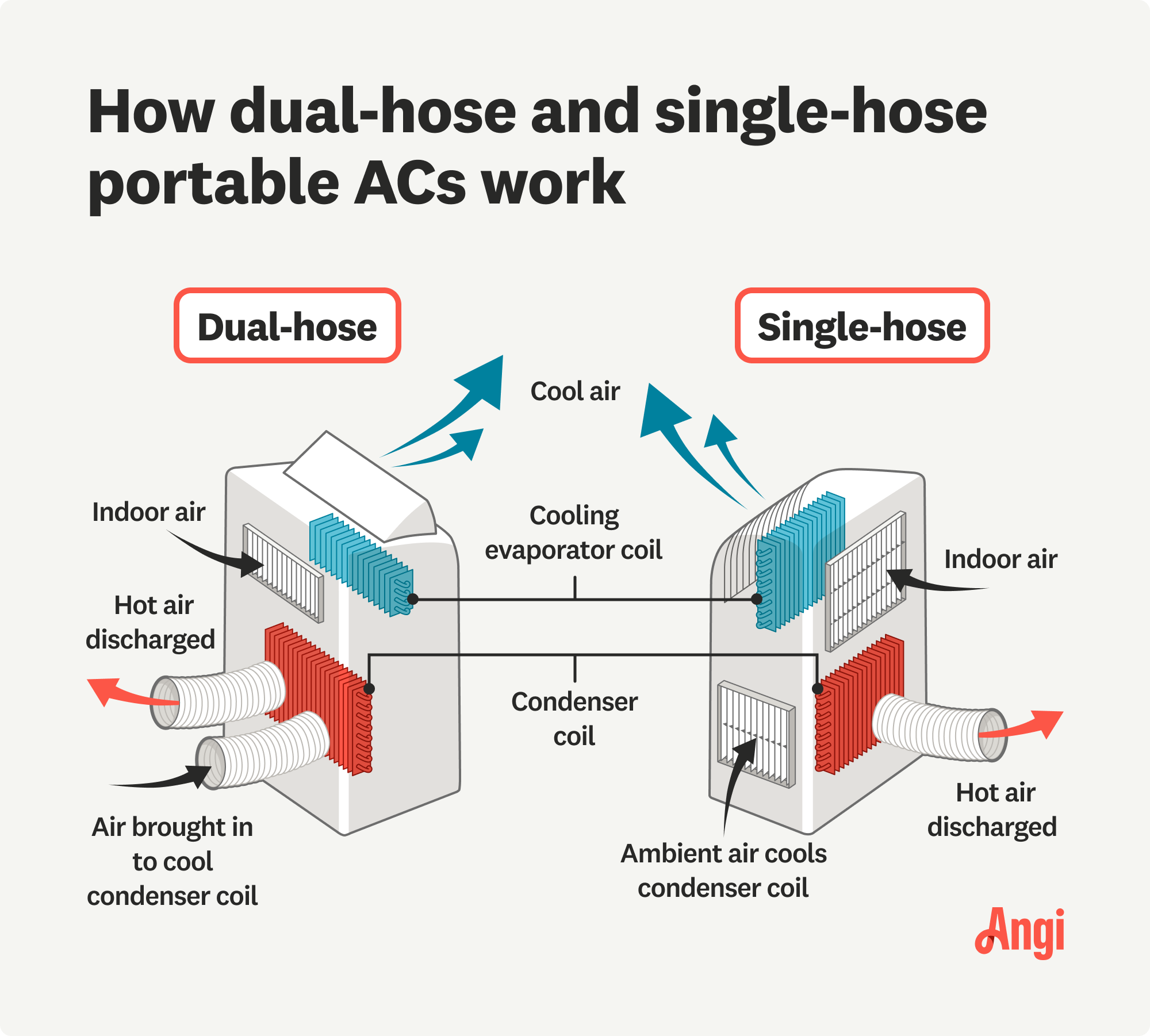
Portable air conditioners cool a room by removing warm air inside. They use a refrigerant to absorb heat from the air. This heat is then moved outside through a hose.
The unit pulls warm air in, cools it, and blows the cold air back. Moisture is also removed, which lowers humidity. This makes the room feel more comfortable.
These units need good ventilation to work well. The hot air must be pushed outside through a vent hose. Without proper venting, the room will stay warm.
- Vent hose must lead outside a window or wall.
- Seal gaps around the hose to stop warm air leaks.
- Regularly check the hose for bends or blockages.
- Keep the exhaust hose as short and straight as possible.
How Window Units Work
Window air conditioners cool rooms by removing warm air inside. The cooling processuses a refrigerant. This refrigerant absorbs heat from the indoor air and moves it outside. Fans blow warm air over cold coils, making the air inside cooler. The heat is then released outside through the back of the unit.
Installing window units is simple. They fit into a window frame. A secure seal keeps hot air from entering. The unit needs an electrical outlet nearby. Some models have adjustable panels to block gaps. This setup allows fresh air to flow while keeping the room cool.
Cooling Efficiency Comparison
Portable air conditioners cool rooms but often less efficiently than window units. Window units generally provide stronger, faster cooling with lower energy use.
Btu Ratings And Room Size
BTU (British Thermal Unit) shows how much heat an air conditioner can remove. Window units usually have higher BTU ratings than portable ones. This means window units cool larger rooms better. Portable air conditioners work well in small rooms. Choosing the right BTU for your room size is key. Too low BTU won’t cool properly. Too high wastes energy.
Energy Consumption
Window units often use less energy to cool the same space. Portable units need more power because they lose some cool air through the exhaust hose. This can make them less efficient. Running a window unit usually costs less on your electric bill. Portable units offer flexibility but may increase energy costs. Consider your needs and energy use before deciding.
Installation And Portability
Portable air conditionersare easy to set up. Most models need a window kit to vent hot air outside. The kit usually fits most windows. No special tools or skills are needed.
Window units require more effort. They must be securely mounted. Installation can be tricky and may need help. Sometimes drilling or sealing is needed.
- Portable ACscan be moved from room to room.
- They have wheels or handles for easy carrying.
- Window units stay fixed in one place.
- Moving a window AC is heavy and hard.
Noise Levels And Comfort
Portable air conditioners usually create more noise than window units. They have a built-in fan and compressor inside the room, which adds to sound levels. These noises can be distracting in quiet settings like bedrooms or offices.
Window units place the noisy compressor outside the room. This reduces the sound inside, making the room feel more comfortable. The fan noise is still present but is often less disturbing.
| Unit Type | Typical Noise Level | Noise Source | Comfort Impact |
|---|---|---|---|
| Portable AC | 50-60 dB | Fan + Compressor inside room | Can be loud, may disturb sleep or work |
| Window AC | 40-50 dB | Fan inside, compressor outside | Quieter, better for quiet spaces |

Credit: www.cnet.com
Cost And Maintenance
Portable air conditionersusually cost less upfront than window units. They offer flexibilitybecause you can move them around. Window units need a window for installation, which can limit placement.
Long-term maintenance varies for both types. Portable ACs require regular emptyingof water tanks. Window units often need seasonal cleaningand occasional filter changes. Both need filter cleaning to work well.
| Aspect | Portable Air Conditioners | Window Units |
|---|---|---|
| Initial Price | Generally lower | Usually higher |
| Maintenance | Empty water tanks, clean filters | Clean filters, seasonal check-ups |
| Installation | No window needed, easy setup | Requires window, more fixed |
Best Use Cases For Each Unit
Portable air conditionerswork best in rooms where you cannot install a window unit. They are easy to move from room to room. Perfect for renters or people who want temporary cooling. Portable ACs need an exhaust hose to push hot air outside. They are less efficient than window units but offer flexibility. Ideal for small spaces or rooms with no windows.
Window unitscool rooms more efficiently and use less energy. Best for rooms with easy window access. They are usually quieter and cheaper to run. Window units fit well in bedrooms or living rooms. Installation is more permanent and requires a suitable window. Great for those wanting strong cooling power in a fixed spot.
Common Issues And Troubleshooting
Portable air conditionersoften face issues like poor coolingand noise. They need a vent hose, which can be tricky to install. The hose must be sealed well to avoid hot air coming back inside. These units can also use more energythan window units. Water buildup inside the unit might cause leaks or shut it down. Regular cleaning of filters and vents helps maintain performance.
Window units have their own problems. Installing them can be tough without proper support. They might let in outside air and noiseif not sealed well. These units are usually more energy-efficientbut can be bulky and block the window view. Sometimes, the unit might drip water inside if the drain is clogged. Both types need regular upkeep to work well.
Credit: www.angi.com
Frequently Asked Questions
Are Portable Air Conditioners Energy Efficient?
Portable air conditioners are generally less energy efficient than window units. They often require more power to cool a similar space. However, some models with higher energy efficiency ratings can be more economical. It’s essential to compare the Energy Efficiency Ratio (EER) of different units before making a purchase.
How Does Installation Differ Between Units?
Portable air conditioners are easier to install as they don’t require permanent fixtures. They typically need a window kit for venting. Window units require mounting in a window, which can be more challenging. Both types need access to an electrical outlet.
Always follow the manufacturer’s installation instructions for safety.
Can Portable Units Cool Large Rooms Effectively?
Portable air conditioners are less effective in cooling larger spaces compared to window units. Their cooling capacity is usually lower. They work best in small to medium-sized rooms. For larger areas, consider a unit with a higher BTU rating. Ensure the unit’s capacity matches the room size for optimal performance.
Are Portable Air Conditioners Noisy?
Portable air conditioners tend to be noisier than window units. The compressor and fan are both inside the room. Noise levels can vary by model, with some offering quieter operation modes. If noise is a concern, look for units with lower decibel ratings and read customer reviews for insights.
Conclusion
Portable air conditioners offer good cooling for small spaces. Window units usually cool larger rooms more effectively. Portables are easy to move and install. Window units stay fixed but work quietly and save energy. Your choice depends on your room size and needs.
Both have pros and cons to consider. Think about where you want to place the unit. Comfort and convenience matter most. Choose what fits your lifestyle and space best.