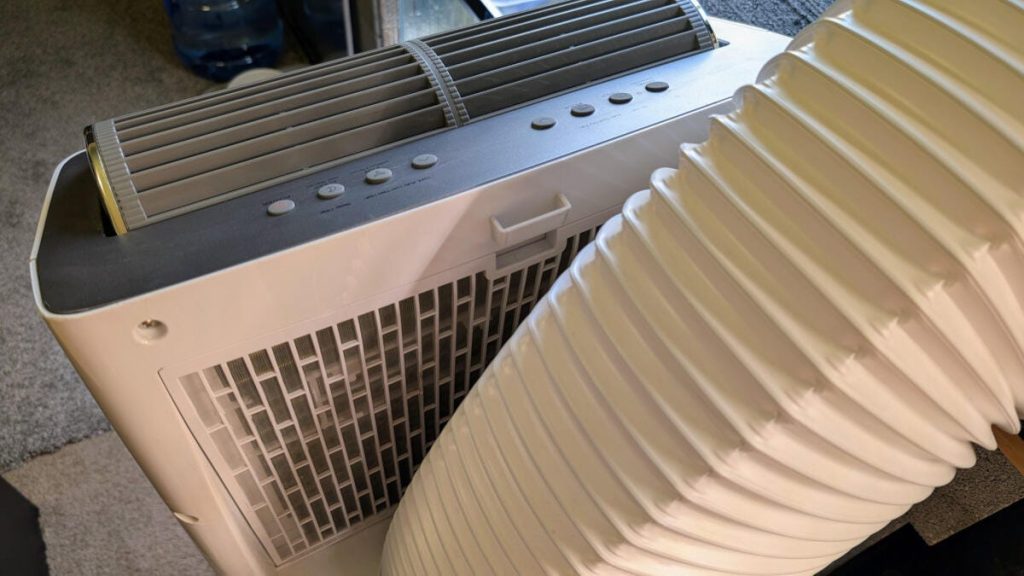
Are you struggling to stay cool but don’t have a window to install a portable air conditioner? You’re not alone.
Many people wonder if these devices can work without a window, especially in spaces like basements, offices, or rooms with limited ventilation. The good news is, there are ways to keep your space comfortable even without a traditional window setup.
You’ll discover how portable air conditioners really work, what options you have, and practical tips to make sure you stay cool no matter your room’s layout. Keep reading—you might be surprised at the simple solutions that can transform your comfort.
How Portable Acs Cool Spaces
Portable air conditioners cool rooms by removing heat from the air. They use a built-in system to lower the temperature inside a space.
These units are movable and do not need permanent installation. They work best with proper ventilation to release hot air.
Basic Cooling Mechanism
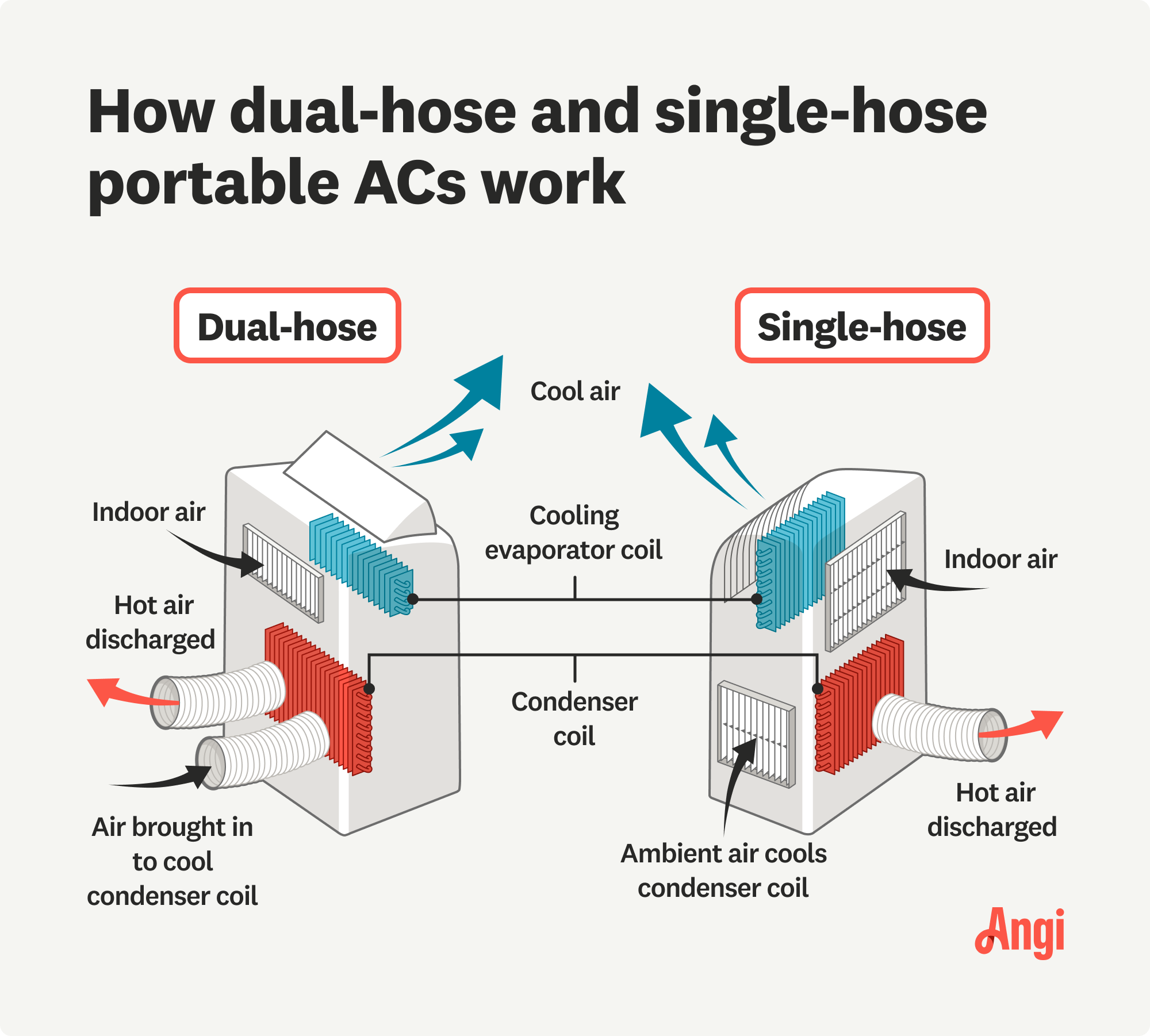
Portable ACs cool air by using a refrigerant inside a closed loop. The refrigerant absorbs heat from the indoor air and carries it outside.
The machine blows warm air out and pushes cooler air back into the room. This cycle continues to lower the room’s temperature.
- Warm indoor air passes over cold coils
- Refrigerant absorbs heat from the air
- Heat is moved outside through an exhaust hose
- Cool air is circulated back into the room
Role Of Ventilation
Ventilation helps portable ACs work well by removing hot air from the room. This is usually done through a window or vent.
Without proper ventilation, the hot air stays inside and makes the room warmer. This lowers the AC’s cooling ability.
- Exhaust hose pushes hot air outside
- Proper vent prevents heat buildup indoors
- Good airflow improves cooling efficiency
- Sealing window gaps stops warm air from coming in
Window Venting And Its Importance
Portable air conditioners need a way to remove hot air. This is why venting is very important. Without venting, the hot air stays inside and makes the room warmer.
Most portable air conditioners come with a hose that must go outside. This hose vents the hot air out of your room through a window or other opening.
Why Venting Matters
Venting removes the hot air from your room. If the hot air does not leave, the air conditioner cannot cool well. This makes the unit work harder and use more energy.
Without venting, the heat builds up. This causes the temperature to stay high. The air conditioner may stop cooling completely in this case.
Common Venting Methods
Most people use a window to vent their portable air conditioner. The hose fits into a window kit to seal the opening. This keeps hot air outside and cool air inside.
- Sliding window venting kits
- Double-hung window venting kits
- Through-the-wall venting (rare)
- Vent through a door or wall vent
Each method needs a good seal to stop hot air from coming back inside. Using the correct venting kit helps the air conditioner work well.
Using Portable Acs Without A Window
Portable air conditioners usually need a window for venting hot air outside. Many people wonder if these units work without a window. This article explores ways to use portable ACs without a traditional window setup.
We will look at possible alternatives to window venting and how effective non-vent options can be. You will learn which methods can help keep your room cool without a window.
Possible Alternatives
Some homes do not have windows suitable for venting portable ACs. Here are some alternatives to vent the hot air:
- Use a sliding door vent kit to push hot air outside
- Install a vent hose through a wall or ceiling opening
- Place the exhaust hose into a drop ceiling space that vents outside
- Use a vent adapter for a dryer vent or other wall vent
- Direct the hose into an attic or crawl space with good airflow
Each option has limits and needs proper sealing to avoid hot air returning inside.
Effectiveness Of Non-vent Options
Some users try to run portable ACs without any venting at all. This means the hot air stays in the room, making the unit less effective.
| Method | Cooling Effectiveness | Energy Use |
| Proper Window or Door Vent | High | Normal |
| Wall or Ceiling Vent | Moderate to High | Normal |
| Vent into Attic or Crawl Space | Moderate | Higher |
| No Venting (Recirculating Air) | Low | High |
Without venting, the AC cools air but releases heat back into the room. This causes the unit to work harder and use more electricity.
Credit: www.angi.com
Risks Of Operating Without Venting
Portable air conditioners need proper venting to work well. Without venting, problems can happen. These issues affect comfort and safety at home or work.
This article explains two big risks of running a portable air conditioner without a window vent: heat build-up and increased energy use.
Heat Build-up Issues
Portable air conditioners remove heat from a room and send it outside. Without venting, the heat stays inside. This causes the room to get hotter, not cooler.
- The unit blows hot air back into the room.
- Temperature rises, making the AC work harder.
- Heat build-up can damage the air conditioner.
- It can cause discomfort and poor air quality.
Increased Energy Use
When heat builds up, the air conditioner runs longer. It uses more electricity to try to cool the space. This raises energy bills and wastes power.
| Effect | Impact |
| Longer Run Time | More electricity consumed |
| Overworking Unit | Faster wear and tear |
| Higher Bills | Increased monthly cost |
Best Practices For Venting Without A Window
Portable air conditioners need a way to vent hot air outside. This is usually done through a window. But what if you do not have a window? There are other ways to vent your air conditioner properly.
Good venting keeps your room cool and stops heat from coming back inside. You can use doors or install special vent kits to solve this problem.
Door Venting Solutions
You can vent a portable air conditioner through a door gap. This works if you have a door that leads outside or to a ventilated space. You will need to create a seal around the vent hose to stop air leaks.
Use a door vent panel or a foam gasket to fill the space around the hose. Keep the door closed as much as possible to keep cool air inside.
- Measure the door gap to fit the hose well
- Use weather stripping to seal air leaks
- Choose a door that opens to outside or a vented area
- Check hose length to avoid kinks or bends
Installing Vent Kits
Vent kits can help you install a vent in walls or ceilings. These kits include a vent cover and a hose adapter. They make venting easier when windows are not an option.
Wall or ceiling vent kits require cutting a hole for the vent. This allows hot air to go outside safely. Make sure you follow safety rules and seal the edges well.
- Choose the right size vent kit for your AC hose
- Use a drill or saw to cut a hole for the vent
- Seal edges with caulk or foam to stop leaks
- Install the vent cover outside to protect from rain
- Check local rules before cutting walls or ceilings
Other Cooling Options For Windowless Rooms
Cooling a room without a window can be tough. Portable air conditioners often need a window for venting hot air outside.
Here are some cooling options that work well in rooms without windows.
Evaporative Coolers
Evaporative coolers use water to cool the air. They add moisture and lower the temperature by evaporation.
These coolers do not need a window to work. They are best in dry climates because they increase humidity.
- Use less energy than traditional air conditioners
- Good for small to medium rooms
- Work best in dry air conditions
- Can add moisture to the room
Split Ac Units
Split AC units have two parts: one inside and one outside. The inside part cools the air without needing a window.
The outside unit removes heat from the room. These units require professional installation but work well in windowless rooms.
- Quiet operation inside the room
- Efficient cooling for large spaces
- No need for a window for venting
- Higher initial cost and installation needed
Maintenance Tips For Portable Acs
Portable air conditioners need regular care to work well. Proper maintenance keeps them cool and efficient.
Simple tasks like cleaning filters and checking for leaks help your unit last longer and save energy.
Cleaning Filters
Dirty filters block airflow and reduce cooling power. Clean them often for better performance.
- Turn off and unplug the AC before cleaning.
- Remove the filter carefully from the unit.
- Use warm water and mild soap to wash the filter.
- Let the filter dry completely before placing it back.
- Clean the filter every two weeks during heavy use.
Checking For Leaks
Leaks reduce cooling and can damage the AC. Check hoses and connections often.
| Part | Check For | Fix |
| Exhaust Hose | Cracks or holes | Replace damaged hose |
| Window Kit Seal | Gaps or loose fit | Reposition or reseal |
| Unit Body | Water leaks | Clear drain or service unit |

Credit: www.cnet.com
Credit: karinearappliances.com
Frequently Asked Questions
Can Portable Air Conditioners Work Without Window Venting?
Portable air conditioners need proper venting, usually through a window. Without venting, they cannot expel hot air effectively. This limits their cooling efficiency and can cause overheating. Some models offer alternative venting options like sliding doors or wall vents but windows remain the most common solution.
What Are Alternatives To Window Venting For Portable Acs?
Alternatives include venting through sliding doors, drop ceilings, or wall vents. Some portable ACs use dual-hose systems for better airflow. However, these options often require modifications and may not be feasible in all spaces. Proper venting is crucial for optimal portable AC performance.
Can Portable Acs Cool A Room Without Any Vent?
No, portable ACs cannot cool a room properly without venting. They remove heat from indoors and release it outside. Without venting, heat stays inside, making cooling ineffective. Using a portable AC without venting can increase room temperature instead of lowering it.
Are Ventless Portable Air Conditioners Effective?
Ventless portable air conditioners, often evaporative coolers, work best in dry climates. They add moisture to the air and lower temperature through evaporation. However, they do not cool like traditional ACs and are less effective in humid areas.
Conclusion
Portable air conditioners need a way to release hot air outside. Without a window or vent, they cannot work well. Some units use special hoses or vent kits for this purpose. Without proper ventilation, the room may stay warm and humid.
Choosing the right setup helps the air conditioner cool effectively. Always check the product instructions before use. This ensures you get the best cooling experience possible. Portable air conditioners can work without a window but need proper venting to do so.