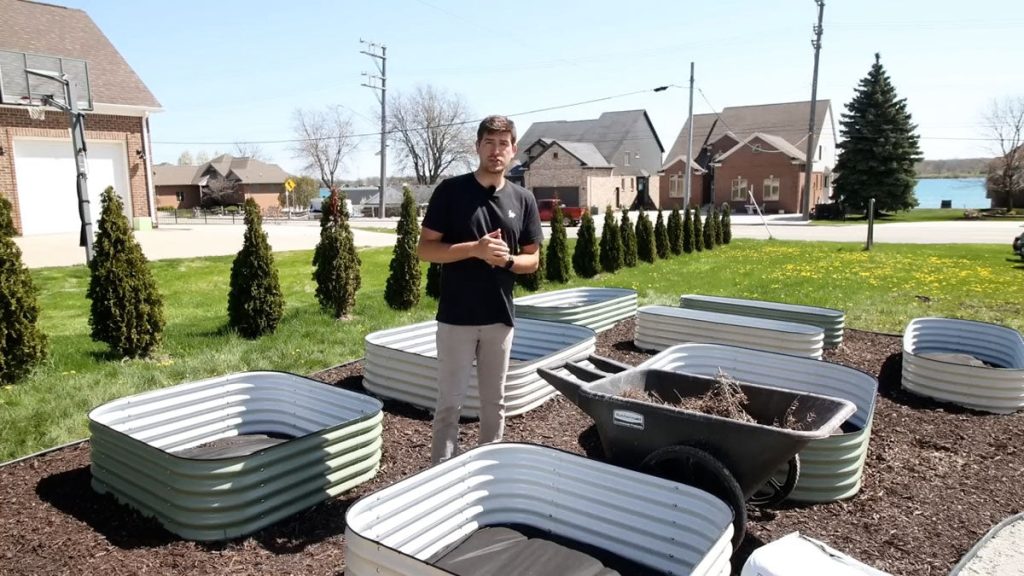
Are you thinking about building raised garden beds but wondering if they need a bottom? This simple question can make a big difference in how well your plants grow and how easy your gardening will be.
Whether you want to save space, improve soil quality, or keep pests away, understanding the role of a raised bed’s bottom can help you make the best choice for your garden. Keep reading to discover what works, what doesn’t, and how to set up your raised beds for success.
Your garden will thank you!
Benefits Of Raised Garden Beds
Raised garden beds are a popular choice for gardeners. They offer many advantages for growing plants.
These garden beds can enhance the growth of your plants. Let’s explore the key benefits they provide.
Improved Soil Quality
Raised garden beds allow you to control the soil quality. You can add compost and other nutrients easily.
- Control soil pH levels.
- Add specific nutrients needed for plants.
- Prevent soil compaction.
Better Drainage
These beds provide improved drainage. Water does not pool, which helps root health.
Ease Of Access
Raised beds are easier to access, reducing the need to bend down. This makes gardening more comfortable.
| Feature | Benefit |
| Height | Less bending, easy on the back |
| Width | Reach plants without stepping in soil |
| Edges | Define planting areas clearly |
Types Of Raised Garden Beds
Raised garden beds come in many materials. Each type has its own benefits and drawbacks.
Choosing the right bed depends on your budget, style, and garden needs.
Wooden Beds
Wooden beds are popular for their natural look. They blend well with outdoor spaces.
- Easy to build and customize
- Good insulation for plant roots
- Can rot if not treated or maintained
- Cedar and redwood resist decay better
Metal Beds
Metal beds last a long time and resist pests. They give a modern look to gardens.
| Metal Type | Pros | Cons |
| Galvanized Steel | Rust-resistant, durable | Can heat up quickly |
| Corten Steel | Develops protective rust layer | More expensive |
| Aluminum | Lightweight, rust-proof | Less sturdy |
Plastic And Composite Beds
Plastic and composite beds resist weather and insects well. They need little upkeep.
Benefits of plastic and composite beds:
- Lightweight and easy to move
- Won’t rot or rust
- Available in many colors and shapes
- May have less natural look
Raised Bed Designs With And Without Bottoms
Raised garden beds come in different styles. Some have bottoms, and some do not. Choosing the right design affects plant growth and soil health.
This guide explains open-bottom beds, beds with solid bottoms, and hybrid designs. Learn the benefits of each type for your garden.
Open-bottom Beds
Open-bottom beds sit directly on the soil. This design lets plant roots grow deeper and helps with natural drainage. They are easy to set up and good for most plants.
- Allows earthworms and beneficial insects to enter
- Encourages natural water flow
- Roots can spread freely into the ground
- Good for vegetables and flowers
- Requires a weed barrier if weeds are a problem
Beds With Solid Bottoms
Beds with solid bottoms use a base made of wood, plastic, or metal. This stops roots from reaching the soil below. It helps control soil quality but may cause water to drain slower.
| Material | Pros | Cons |
| Wood | Natural look, easy to build | Can rot over time |
| Plastic | Durable and water-resistant | May heat up soil |
| Metal | Strong and long-lasting | Can rust or get hot |
Hybrid Designs
Hybrid raised beds combine features of both types. They may have partial bottoms or layers that help with drainage and root growth. These designs balance water control and soil health.
- Partial barriers to limit weed growth
- Drainage holes or gravel layers
- Raised sides with open bottoms for root access
- Use of liners to protect wood and soil
Credit: www.thecooldown.com
Pros And Cons Of Having A Bottom
Raised garden beds can have a bottom or be open at the base. Choosing to add a bottom affects drainage, soil health, and root growth. It is important to know the advantages and drawbacks before deciding.
This guide covers the main pros and cons of having a bottom in your raised garden bed. Use it to make the best choice for your garden.
Advantages Of A Bottom
A bottom on raised garden beds offers several benefits. It can protect the soil and plants from unwanted elements and keep the garden bed stable.
- Prevents weeds from growing up into the bed
- Keeps out burrowing pests like moles and gophers
- Stops soil from washing away in heavy rains
- Allows you to place the bed on hard surfaces like concrete
- Creates a controlled environment for soil and roots
Potential Drawbacks
Having a bottom can also cause some problems. It might affect water drainage and root growth depending on the material used.
| Drawback | Description | Impact |
| Poor Drainage | A solid bottom can trap water inside the bed | Roots may rot if water does not drain well |
| Limited Root Growth | Roots cannot grow deeper into the ground | Plants may become root-bound and less healthy |
| Material Decay | Some bottoms made of wood or plastic may degrade | Needs replacement or maintenance over time |
| Weight and Cost | Adding a bottom requires more materials | Bed becomes heavier and more expensive |
Soil And Drainage Considerations
Raised garden beds often raise questions about soil and drainage. Understanding these factors helps your plants thrive. Proper soil and drainage keep roots healthy and water flowing well.
Choosing whether to have a bottom on your raised bed affects these factors. This guide covers key points about drainage needs and soil health.
Drainage Needs
Good drainage is vital to prevent water from pooling. Water buildup can cause root rot and harm plants. Raised beds without bottoms allow excess water to drain freely into the ground.
- Raised beds with bottoms may trap water if no drainage holes exist.
- Soil type affects how fast water drains.
- Sandy soils drain quickly; clay soils drain slowly.
- Adding drainage holes or layers of gravel helps water flow.
Soil Health And Root Growth
Soil quality directly affects root growth and plant health. Raised beds without bottoms let roots grow deeper into natural soil. Beds with bottoms may limit root space.
| Factor | Raised Bed with Bottom | Raised Bed without Bottom |
| Root Expansion | Limited by bed base | Can grow deeper |
| Soil Mixing | Only contained soil | Mixes with native soil |
| Nutrient Access | Limited to added soil | Access to natural soil nutrients |
| Drainage | May need extra holes | Drains naturally |
When To Use A Bottomed Raised Bed
Raised garden beds help grow plants in many places. Adding a bottom to the bed changes how it works. It controls water flow, soil contact, and pests.
This guide explains when a bottomed raised bed is useful. It covers urban gardening, soil contamination, and pest control.
Urban Gardening
In cities, space for gardens is small. A bottomed raised bed keeps soil in place on hard surfaces like concrete. It also prevents roots from growing into unwanted areas.
- Use a bottomed bed on patios or rooftops.
- It stops soil from leaking out.
- Helps keep the garden tidy and contained.
- Allows better control of soil quality.
Contaminated Soil Areas
Some places have soil with harmful chemicals or waste. A bottomed raised bed stops plant roots from touching bad soil. It gives a safe growing area above the ground.
| Soil Risk | Bottomed Bed Benefit |
| Lead or heavy metals | Prevents root contact |
| Oil or chemical spills | Creates clean soil barrier |
| Old construction debris | Blocks harmful material |
Preventing Pest Invasion
A bottomed raised bed can block pests that live underground. This stops bugs and animals from eating roots or plants.
Benefits of a bottomed bed for pest control:
- Stops burrowing insects like grubs
- Prevents moles and voles from digging in
- Reduces risk of soil-borne diseases
- Helps keep plants healthier
Building A Raised Bed Bottom
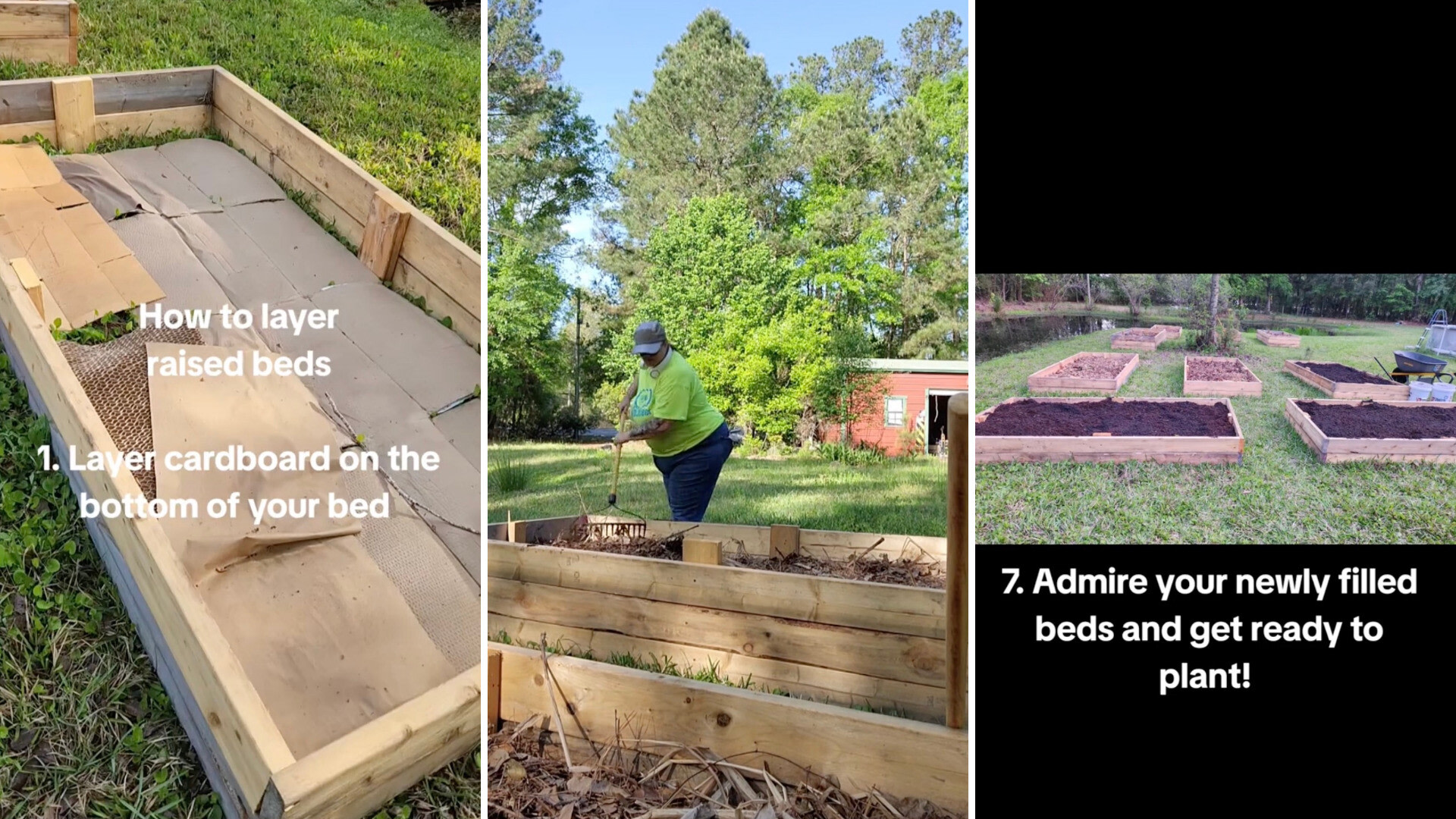
Raised garden beds often sit directly on the ground. Some gardeners add a bottom for extra support. A bottom helps keep soil in place and stops weeds from growing up.
Building a bottom can improve drainage and protect your plants. It also keeps pests from digging into your bed.
Materials To Use
Choose strong, natural materials for your raised bed bottom. Wood and wire mesh are popular choices. They allow water to drain while keeping soil in.
Plastic or landscape fabric can block weeds but may reduce drainage. Pick materials that fit your garden’s needs.
- Wood slats or boards
- Wire mesh or hardware cloth
- Landscape fabric or weed barrier
- Plastic sheeting (use with caution)
- Gravel or small stones for drainage
Installation Tips
Clear the area before building. Remove grass and rocks to prepare the ground. Lay your chosen bottom material flat and secure it well.
Use staples, nails, or screws to attach wood or fabric. Make sure the bottom is tight but allows water to flow. Check for sharp edges if you use wire mesh.
- Clear and level the ground
- Cut materials to fit bed size
- Secure materials to the frame
- Allow drainage through or under the bottom
- Inspect regularly and replace worn parts

Credit: savvygardening.com
Maintaining Raised Garden Beds
Raised garden beds need care to stay healthy and productive. Regular maintenance keeps plants strong and soil fertile.
Good maintenance also helps the bed last longer, saving time and money over years of gardening.
Soil Replacement And Amendments
Soil in raised beds loses nutrients after growing plants. You should replace or add to the soil every year or two.
- Remove old plants and debris from the bed.
- Add compost or organic matter to improve soil quality.
- Mix in balanced fertilizer for essential nutrients.
- Check soil pH and adjust with lime or sulfur if needed.
- Consider adding mulch to keep moisture and reduce weeds.
Bed Longevity
The materials and construction affect how long a raised bed lasts. Wood, metal, and plastic all have different lifespans.
| Material | Average Lifespan | Maintenance Tips |
| Untreated Wood | 2-5 years | Apply sealant, avoid ground contact |
| Treated Wood | 10-15 years | Check for rot, repaint or reseal |
| Metal | 15+ years | Prevent rust, clean regularly |
| Plastic | 20+ years | Keep out of direct sunlight if possible |

Credit: www.sproutboxgarden.com
Frequently Asked Questions
Do Raised Garden Beds Have Bottoms?
Most raised garden beds do not have bottoms. They are open at the base to allow roots to grow into the soil below. However, some designs include a bottom to contain soil, especially for patios or decks.
Can Raised Beds Be Placed Directly On Grass?
Yes, raised beds can be placed on grass. It’s best to remove the grass or lay landscape fabric to prevent weeds. This also improves drainage and soil health.
What Materials Are Best For Raised Bed Bottoms?
Materials like hardware cloth or landscape fabric work well. They keep pests out while allowing water drainage. Avoid solid bottoms to prevent waterlogging.
How Does A Bottom Affect Drainage In Raised Beds?
A bottom can reduce natural drainage. Open-bottom beds allow excess water to drain freely. Proper drainage prevents root rot and promotes healthy plant growth.
Conclusion
Raised garden beds usually do not have a bottom. This allows plant roots to grow deep into the soil. It also helps with water drainage and soil health. Some gardeners add a bottom if pests are a problem. Choosing to add a bottom depends on your garden needs.
Raised beds with open bottoms often lead to better plant growth. Think about your soil and bugs before deciding. Raised garden beds give you control over your garden space. They make gardening easier and more enjoyable for many people.