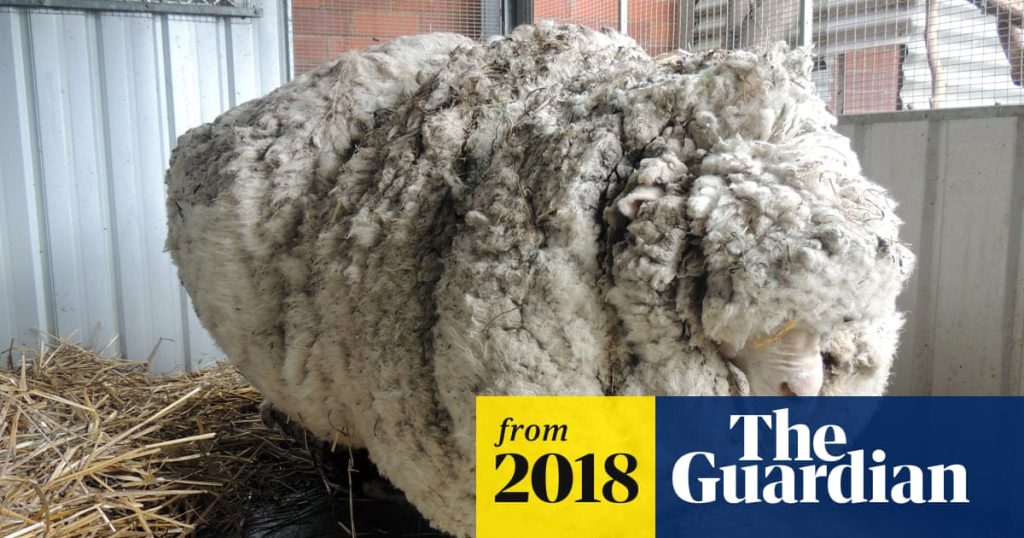
Have you ever wondered if sheep need to be sheared? You might think their wool just falls off naturally, but that’s not the case.
Shearing is an essential part of a sheep’s life, and it affects their health and comfort. If you’re curious about why this process matters and what happens if sheep aren’t sheared, you’re in the right place. Keep reading to discover the surprising reasons behind shearing and how it helps these fluffy animals thrive.
Why Shearing Matters
Shearing is the process of cutting a sheep’s wool. It is important to keep sheep healthy and comfortable. Without shearing, wool grows thick and heavy.
Shearing helps prevent problems caused by too much wool. It also keeps sheep cooler during warm weather. Understanding why shearing matters helps in caring for sheep properly.
Wool Growth And Sheep Health
Sheep’s wool grows continuously. If not cut, the wool becomes very long and thick. This extra wool can weigh the sheep down and cause discomfort.
Shearing removes old wool and lets new wool grow fresh and clean. It stops wool from matting and getting dirty. Healthy wool growth supports the sheep’s skin health.
Risks Of Not Shearing
Not shearing sheep can cause health risks. Thick wool traps heat and moisture. This leads to skin infections and parasites.
- Overheated sheep can suffer heat stress
- Wool may become matted and heavy
- Increased risk of flystrike and infections
- Difficult movement due to heavy wool
Shearing helps avoid these problems. It keeps sheep clean, healthy, and comfortable all year.

Credit: www.westplace.org
Shearing Frequency
Sheep need to be sheared to stay healthy and comfortable. Their wool grows continuously and can become heavy and hot.
Knowing how often to shear sheep helps keep their wool in good condition. It also protects them from heat and parasites.
Annual Shearing Cycle
Most sheep are sheared once a year. This usually happens in spring or early summer.
Shearing once a year helps sheep cool down in warmer months. It also allows their wool to grow back before winter.
Factors Influencing Shearing Timing
Many things affect when sheep should be sheared. Weather, breed, and wool growth speed are important factors.
Farmers watch the sheep’s wool and health to decide the best time for shearing. This keeps sheep safe and comfortable.
- Warm weather encourages early shearing
- Fast wool growth may require quicker shearing
- Different sheep breeds have different wool types
- Health issues can change shearing schedules
Shearing Techniques
Shearing sheep is important to keep them healthy and comfortable. Different ways exist to remove their wool safely.
Two main methods are traditional hand shearing and modern machine shearing. Each has its own tools and steps.
Traditional Hand Shearing
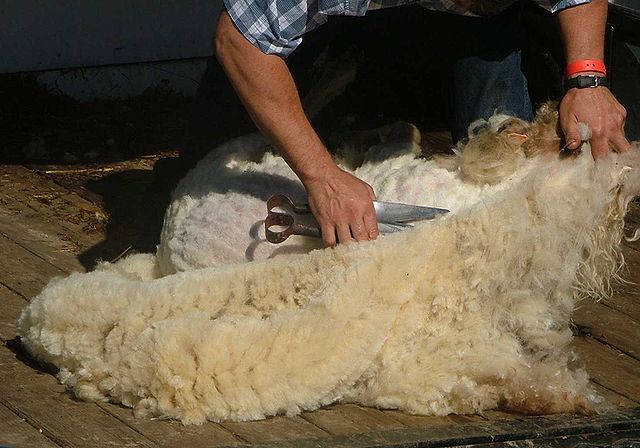
Traditional hand shearing uses manual tools called hand shears. These look like large scissors. The shearer moves the blades carefully over the sheep’s body to cut the wool.
- The shearer holds the sheep steady on the ground.
- They start shearing from the belly area.
- Next, the sides and back get sheared.
- The wool is removed in one piece called a fleece.
- Care is taken to avoid cutting the sheep’s skin.
Modern Machine Shearing
Modern machine shearing uses electric or battery-powered clippers. These machines cut wool faster and with less effort.
| Machine Part | Function |
| Motor | Powers the blades |
| Clippers | Cut wool quickly |
| Comb | Guides wool into blades |
| Blade | Shears the fleece cleanly |
Machine shearing reduces time spent on each sheep. Skilled shearers still need to control the machine carefully to keep sheep safe.
Impact On Sheep Welfare
Shearing sheep is important for their health and comfort. It helps prevent problems caused by thick wool. Understanding how shearing affects sheep welfare is key for good care.
This process must be done carefully to avoid stress and injury. Proper handling during shearing protects sheep and keeps them safe.
Stress And Handling
Sheep can feel stressed during shearing if handled roughly. Gentle handling reduces fear and helps sheep stay calm. Calm sheep are easier to shear and less likely to get hurt.
Good handling means moving sheep slowly and quietly. Using experienced shearers also lowers stress. Avoid loud noises and quick movements to keep sheep relaxed.
- Move sheep calmly and slowly
- Use soft voices and gentle touch
- Keep the shearing area quiet
- Have skilled shearers perform the task
Preventing Injuries
Shearing can cause cuts and bruises if done carelessly. Using sharp, well-maintained tools helps prevent injuries. Injuries hurt sheep and slow down wool growth.
Proper positioning of sheep during shearing also stops accidents. Holding sheep securely but gently protects both the animal and the shearer.
- Keep shearing tools sharp and clean
- Handle sheep gently to avoid slips
- Hold sheep firmly but not tightly
- Check sheep for injuries after shearing
Wool Uses And Benefits
Sheep wool is a natural fiber used in many products. People shear sheep to collect this valuable material. Wool has many uses and offers several benefits.
This article explains how wool is used commercially and why it is a sustainable choice. Understanding wool helps appreciate its value beyond just clothing.
Commercial Applications
Wool is used in many industries. It provides warmth, durability, and comfort. Here are some common commercial uses of wool:
- Clothing like sweaters, coats, and scarves
- Home textiles including carpets and blankets
- Insulation material for buildings
- Upholstery and furniture padding
- Crafts and felting projects
Sustainability Of Wool
Wool is a renewable and eco-friendly fiber. Sheep grow new wool each year, so it does not deplete resources. Wool production has a low environmental impact compared to synthetic fibers.
| Benefit | Description |
| Renewable | Sheep regrow wool annually, ensuring supply |
| Biodegradable | Wool breaks down naturally in soil |
| Energy Efficient | Less energy used in production than synthetic fibers |
| Durable | Long-lasting material reduces waste |
| Natural Insulator | Helps reduce energy needs in homes and clothing |
Credit: www.wikiwand.com
Alternatives To Shearing
Shearing sheep is common to keep them cool and collect wool. Some sheep may not need regular shearing.
There are natural ways and breed choices that reduce or remove the need for shearing.
Breeds With Different Wool Types
Some sheep breeds have wool that grows differently. Their wool may be less dense or shed naturally.
These breeds may need less shearing or none at all. They are easier to care for in warm climates.
- Hair sheep breeds like Katahdin and Dorper have hair instead of wool.
- These sheep shed their coats naturally in warm seasons.
- Wool breeds like Merino need regular shearing because their wool grows continuously.
- Choosing the right breed can reduce shearing needs.
Natural Wool Loss
Some sheep naturally lose their wool once a year. This process is called wool shedding.
Sheep that shed wool do not need to be sheared. Their wool falls off on its own.
- Wool shedding happens mostly in spring or early summer.
- It helps sheep stay cool without human help.
- Examples include Icelandic and Navajo-Churro sheep.
- Natural wool loss is a simple way to avoid shearing.

Credit: www.reddit.com
Frequently Asked Questions
Why Do Sheep Need To Be Sheared?
Sheep need shearing to prevent their wool from becoming too heavy and tangled. Overgrown wool can cause discomfort, overheating, and health issues. Regular shearing promotes better hygiene and improves sheep’s overall well-being. It also enhances their mobility and prevents parasites from thriving in their coats.
How Often Should Sheep Be Sheared?
Sheep should be sheared at least once a year, typically in spring. This timing helps them stay cool during summer. However, some breeds with faster wool growth might require more frequent shearing. Regular shearing ensures the health and comfort of the sheep by preventing excessive wool buildup.
What Happens If Sheep Aren’t Sheared?
If sheep aren’t sheared, their wool can grow excessively, leading to discomfort. Overgrown wool can cause overheating, restrict movement, and harbor parasites. It may also result in skin infections and other health problems. Regular shearing is crucial to maintain the sheep’s health and prevent such issues.
Can Sheep Survive Without Shearing?
Sheep can survive without shearing, but their well-being might be compromised. Overgrown wool can lead to overheating, restricted movement, and parasite infestations. It also increases the risk of skin infections. Regular shearing is essential for their health and comfort, ensuring they live a better quality of life.
Conclusion
Sheep need to be sheared regularly to stay healthy and comfortable. Their wool grows fast and can cause problems if not cut. Shearing helps prevent overheating and skin infections. It also keeps sheep clean and active. Caring for sheep means paying attention to their wool needs.
Shearing is a simple step that protects their well-being. It benefits both the animals and the farmers. Remember, healthy sheep make a happy farm.