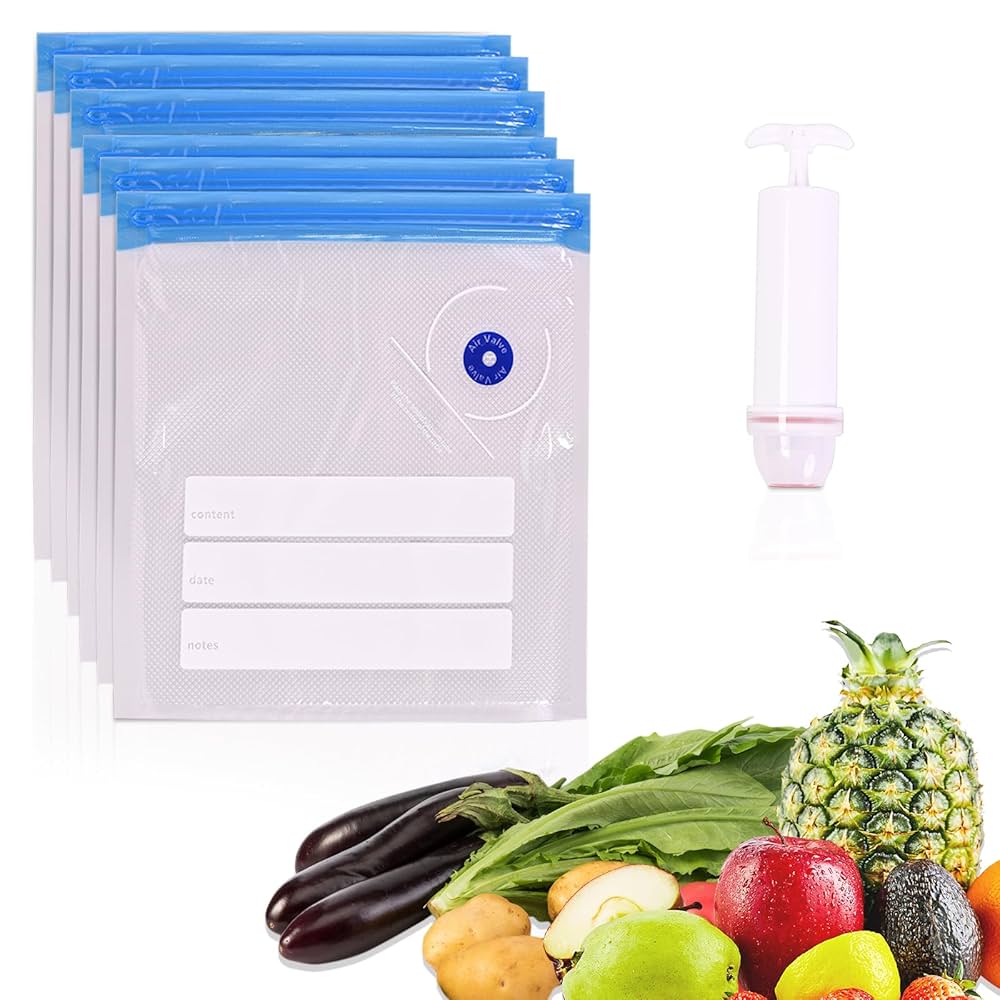
Are you curious about the sous vide cooking technique and wondering if you really need to vacuum seal those bags? You’re not alone.
Many home chefs like you are exploring this precise cooking method, aiming for perfection in every dish. But before you dive in, it’s crucial to understand whether vacuum sealing is a must or if there are other options that can deliver the same mouthwatering results.
In this blog post, we will uncover the truth about sous vide bags and their role in achieving that perfect texture and flavor. Stick around to discover insights that could transform your cooking experience and help you make the most of your sous vide adventures!

Credit: www.amazon.com
Sous Vide Cooking Basics
Sous vide cooking has become popular for its precision and ability to deliver consistent results. Understanding its basics helps you get the most out of your cooking experience. Let’s break down how sous vide works and why sealing your bags properly matters.
How Sous Vide Works
Sous vide means cooking food in a water bath at a precise, controlled temperature. This gentle heat cooks food evenly from edge to center without overcooking. You place your food in a sealed bag, then immerse it in the water, allowing the temperature to do all the work.
This method locks in moisture and flavor, making meats tender and vegetables perfectly cooked. It’s like having a slow cooker but with exact temperature control. Have you noticed how tough steaks can become when overcooked? Sous vide solves that problem entirely.
Importance Of Proper Sealing
Sealing your sous vide bags is critical because it keeps water out and flavors in. If water seeps in, your food texture and taste can suffer. Air pockets in the bag can also cause uneven cooking, as water won’t surround the food properly.
Many people assume vacuum sealing is the only way to go, but it’s not always necessary. You can use the water displacement method with zip-top bags to push air out effectively. The key is ensuring the bag is tightly sealed and free of air to get even cooking results.
Have you tried cooking sous vide with just a regular zip-lock bag? You might be surprised how well it works when sealed correctly. Proper sealing isn’t just about equipment; it’s about attention to detail in the kitchen.
Vacuum Sealing Benefits
Vacuum sealing sous vide bags offers several important benefits that can improve your cooking results and food safety. It’s more than just a neat trick—it actively protects your food and enhances the entire cooking process. Understanding these benefits can help you decide whether vacuum sealing is necessary for your next sous vide meal.
Preventing Water Ingress
One of the biggest challenges when cooking sous vide is keeping water out of the bag. Vacuum sealing creates a tight, airtight seal that prevents water from leaking inside and ruining your food’s texture. Without this seal, water can dilute flavors and cause uneven cooking.
I once tried cooking a steak without vacuum sealing. Water slowly seeped into the bag, leaving the steak soggy and less flavorful. That experience made me realize how crucial a proper seal is to maintain the food’s integrity.
Enhancing Flavor And Texture
Vacuum sealing removes air around your food, which means flavors stay locked in and don’t escape during cooking. This results in richer, more concentrated tastes and a better texture overall. The absence of air also helps maintain the food’s natural moisture, preventing it from drying out.
Think about cooking vegetables sous vide without vacuum sealing—they often turn out less vibrant and mushier. But sealed bags keep them crisp and full of their original flavor.
Extending Food Shelf Life
Vacuum sealing also slows down spoilage by limiting exposure to oxygen, which bacteria need to grow. This is especially helpful if you want to prepare meals in advance or store sous vide cooked items for later use. Properly sealed food can last days longer in the fridge compared to non-sealed alternatives.
Next time you prep meals ahead, try vacuum sealing your sous vide bags. You might find your food stays fresher, safer, and ready to heat up without loss of quality.
Alternatives To Vacuum Sealing
Vacuum sealing is often seen as the go-to for sous vide cooking, but it’s not the only way to prepare your bags. You might be surprised how effective some simple alternatives can be. These options can save you time, money, and still deliver delicious, perfectly cooked meals.
Using Ziplock Bags
Ziplock bags are a popular alternative because they’re easy to find and affordable. Choose heavy-duty, freezer-safe bags to prevent leaks during cooking. Make sure to press out as much air as possible before sealing to keep the bag tight around the food.
I once cooked chicken breasts in a ziplock bag without vacuum sealing, and the texture was just as tender as with vacuum sealing. The key is to ensure minimal air inside the bag to avoid floating.
Water Displacement Method
The water displacement method is a clever trick to remove air from your bag without a vacuum sealer. Slowly lower the bag with your food into a pot of water, letting the water pressure push the air out before sealing it completely.
This method works best with ziplock bags and is a favorite for home cooks who want a quick and effective sealing technique. Have you tried this method? It might change how you prep your sous vide meals.
Clips And Weights For Bag Stability
Sometimes, bags tend to float or move around during cooking, which can affect even heat distribution. Using clips to secure the bags to the side of your container helps keep them submerged.
Adding small weights inside the bag, like a spoon or a metal washer wrapped in foil, also prevents floating. These simple tools make a big difference in maintaining consistent cooking temperatures and avoiding soggy spots.

Credit: www.amazon.com
Choosing The Right Bags
Choosing the right bags for sous vide cooking is crucial to ensure safety, durability, and the best results. Not all bags perform the same under heat, and some may affect the flavor or safety of your food. Knowing what to look for helps you avoid common pitfalls and enjoy perfectly cooked meals every time.
Material Safety And Durability
Your bags must be made from food-grade materials that can withstand long cooking times at precise temperatures. Look for BPA-free plastics designed specifically for sous vide use, as lower-quality bags can leach chemicals or break down. Durable bags also prevent leaks and keep your food sealed tightly, which is essential for even cooking.
Have you ever noticed a plastic bag softening or melting in hot water? That’s a sign the material isn’t right. Invest in bags labeled for sous vide or vacuum sealing to avoid this issue. This small detail can make a big difference in both the texture and safety of your meal.
Reusable Vs Disposable Options
Deciding between reusable and disposable bags depends on your cooking habits and environmental concerns. Reusable bags save money over time and reduce waste, but they require thorough cleaning to prevent bacteria build-up. Disposable bags offer convenience and hygiene but can add up in cost if you cook sous vide frequently.
- Reusable bags:Great for regular sous vide users who don’t mind washing and drying their bags after each use.
- Disposable bags:Ideal for occasional cooking or when you want a no-fuss cleanup experience.
Think about how often you cook sous vide. Would cleaning and maintaining reusable bags fit into your routine? Or do you prefer the simplicity of throwing a bag away after each meal? Your choice affects not just convenience but also your kitchen’s environmental footprint.
Common Mistakes To Avoid
Using sous vide bags correctly is key for perfect cooking results. Many beginners make simple errors that affect food quality and safety. Avoid these common mistakes to get the best from your sous vide experience.
Improper Sealing Techniques
Sealing bags poorly lets water inside during cooking. This can ruin the texture and flavor of your food. Use a vacuum sealer or press out air carefully with a zipper bag. Check for leaks before starting the cook.
Overfilling Bags
Too much food or liquid in a bag can stop heat from circulating evenly. Leave enough space for water to flow around the bag. This helps cook food uniformly and reduces the risk of bag bursting.
Using Non-compatible Bags
Not all plastic bags are safe for sous vide cooking. Regular freezer bags may melt or leach chemicals at high temperatures. Always choose bags labeled for sous vide or heat-safe BPA-free bags. This keeps your food safe and tasty.
Tips For Perfect Sous Vide Results
Achieving perfect sous vide results requires attention to key details. Temperature and time settings must match the food type and thickness. Proper handling and storage after cooking ensure safety and maintain flavor. These tips help you get the best texture and taste every time.
Temperature And Time Settings
Set the water bath to the right temperature for your food. Use a reliable sous vide guide or chart for reference. Cooking times vary by thickness and food type. Thicker cuts need longer cooking to heat through evenly. Avoid overcooking by sticking to recommended times. Keep the water temperature steady for consistent results.
Handling And Storage After Cooking
Remove bags carefully from the water bath to avoid burns. Let cooked food rest briefly before opening the bag. Cool leftovers quickly by placing bags in an ice bath. Store cooked food in the refrigerator within two hours. Use airtight containers or resealable bags for storage. Reheat gently in the sous vide bath to keep texture.

Credit: www.amazon.com
Frequently Asked Questions
Do Sous Vide Bags Always Need Vacuum Sealing?
No, sous vide bags do not always require vacuum sealing. You can use the water displacement method to remove air. Vacuum sealing ensures better heat transfer and food safety but is not mandatory for all recipes.
Can I Use Ziplock Bags For Sous Vide Cooking?
Yes, high-quality ziplock bags can work for sous vide if they are BPA-free and heat-safe. Use the water displacement method to remove air. Avoid regular plastic bags that may melt or leach chemicals during cooking.
What Are The Benefits Of Vacuum Sealing Sous Vide Bags?
Vacuum sealing removes air, improving heat transfer and cooking consistency. It prevents water from entering the bag, preserving food flavor and texture. Vacuum sealing also extends storage life for sous vide cooked food.
How Does Air In Sous Vide Bags Affect Cooking?
Air pockets act as insulation, slowing heat transfer to the food. This can cause uneven cooking and longer cook times. Removing air ensures even temperature distribution and better texture in the final dish.
Conclusion
Sous vide bags do not always need vacuum sealing. Air removal helps cook food evenly and safely. You can use water displacement to push air out. Some bags are designed to seal without a vacuum machine. Always check the bag’s instructions before cooking.
Proper sealing prevents water from entering the bag. It also keeps flavors locked inside. Experiment with different methods to find what works best. Cooking sous vide becomes easier with practice and care. Enjoy tender, tasty meals with the right bag sealing.