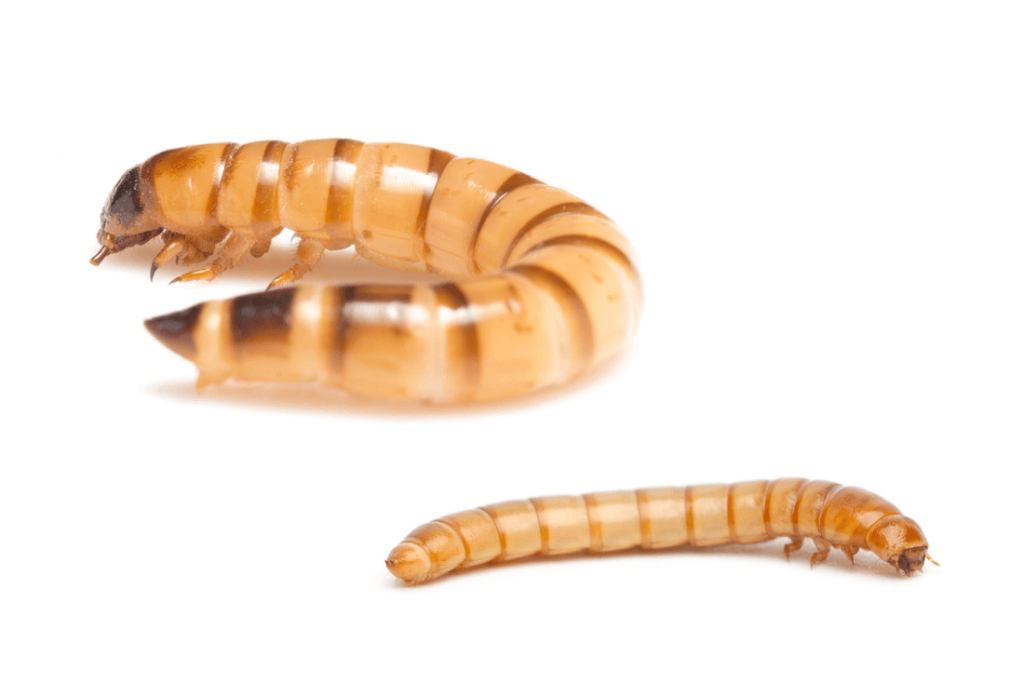
Are you a reptile enthusiast or an exotic pet owner wondering about the best way to store your superworms? If you’ve ever found yourself pondering whether these wriggly creatures need to be refrigerated, you’re not alone.
Proper storage can make a significant difference in their health and longevity, ensuring your pet gets the most nutritious meal possible. We’ll explore the ins and outs of superworm care, debunk common myths, and provide you with simple, effective tips to keep your superworms thriving.
Keep reading to discover the optimal way to store these critters and enhance your pet care routine.
Superworm Basics
Superworms are a popular choice for pet owners and hobbyists alike. Knowing the basics about these creatures helps you care for them properly and decide if refrigeration is necessary. Let’s take a closer look at their life cycle and common uses to get a better understanding.
Life Cycle
Superworms start as eggs laid by darkling beetles. These eggs hatch into larvae, which is the superworm stage you often see. The larvae grow by molting several times before becoming pupae and finally emerging as adult beetles.
The entire process can take anywhere from a few months to half a year, depending on temperature and care. Cooler temperatures slow down their development, which is why some people refrigerate them to pause growth. Have you noticed your superworms getting sluggish in colder conditions?
Common Uses
Superworms serve multiple roles, especially in the pet community. They are a nutritious live food source for reptiles, birds, and amphibians. Their high protein and fat content make them a favorite treat.
Beyond feeding pets, some people use superworms for composting and waste reduction. They can break down organic material efficiently, turning scraps into valuable compost. Could adding superworms to your routine help reduce household waste?
Temperature Needs
Superworms thrive best when their temperature needs are carefully met. Maintaining the right temperature is crucial for their health and activity levels. Understanding these needs helps you decide if refrigeration is necessary or if room temperature will suffice.
Ideal Temperature Range
Superworms prefer temperatures between 70°F and 80°F (21°C to 27°C). This range keeps them active and growing at a healthy pace. Temperatures outside this range can slow their metabolism or cause stress.
Keeping them in this comfortable zone means they will stay lively and ready to feed your pets. If you live in a warmer climate, a cooler spot in your home can help maintain this balance. Cooler temperatures can also slow their development if you want to keep them longer without pupating.
Effects Of Heat And Cold
Heat above 85°F (29°C) can be dangerous for superworms. They may become lethargic, stop eating, or even die if it gets too hot. If your home gets this warm, consider moving them to a cooler area or using a fan to circulate air.
Cold temperatures below 60°F (15°C) slow down their movement and feeding. They can enter a dormant state, which might seem like they are dead but they are just inactive. Refrigeration is often used to pause their growth, but it should be done carefully to avoid freezing.
Have you noticed your superworms acting sluggish during hot summers or cold winters? Adjusting their environment might be all they need to stay healthy and active. What temperature do you keep your superworms at?
Refrigeration Pros And Cons
Refrigerating superworms has both benefits and drawbacks. Understanding these can help you decide the best way to store them. Proper storage keeps superworms healthy and ready for feeding. Poor storage can harm their growth and survival. Here are the key points about refrigeration.
Benefits Of Refrigeration
- Slows down superworms’ metabolism, reducing activity levels.
- Extends shelf life by preventing early pupation.
- Reduces the need for frequent feeding and cleaning.
- Keeps superworms fresh and less likely to escape.
- Prevents mold and bacterial growth in warm environments.
Potential Risks
- Too cold temperatures can kill or damage superworms.
- Rapid temperature changes may cause stress and death.
- Refrigeration can slow growth, delaying development.
- Moisture buildup inside containers may cause mold.
- Long storage can weaken worms and reduce nutrition.

Credit: flukerfarms.com
Storage Alternatives
Superworms need proper storage to stay healthy and active. Refrigeration is not the only option. There are other ways to keep them fresh and alive for longer. Knowing the right storage method helps reduce waste and saves money. Below are some alternatives to refrigeration that work well for superworms.
Room Temperature Storage
Superworms can live at room temperature if conditions are right. Keep them in a cool, dark place away from sunlight. Use a container with small air holes for ventilation. Provide fresh food like carrots or potatoes to keep them moist and fed. Avoid high temperatures above 80°F (27°C) as this can cause stress or death.
Humidity Considerations
Maintaining proper humidity is key to superworm health. Too dry, and they will shrivel and die. Too wet, and mold can grow, harming them. Aim for moderate humidity around 50-60%. Use damp paper towels or vegetables to add moisture. Check regularly and replace wet materials to prevent mold buildup.
Feeding And Maintenance
Feeding and maintaining superworms properly is key to keeping them healthy and active. These worms have specific needs that, if met, can improve their longevity and quality as feeders for your pets. Understanding their diet and cleaning routine can save you time and avoid common mistakes.
Diet Requirements
Superworms thrive on a diet rich in fresh vegetables and grains. You can feed them slices of carrots, potatoes, apples, or leafy greens. These not only provide moisture but also essential nutrients to keep them lively.
Adding bran or oatmeal as bedding also serves as a food source. Avoid foods that are too wet or moldy, as these can harm the worms. Have you noticed how superworms become more active when you add fresh veggies? It’s a clear sign they’re getting the nutrients they need.
Cleaning Tips
Regular cleaning of the superworm container prevents mold and bacteria build-up. Remove uneaten food every 2-3 days to keep the environment fresh. This simple step reduces the risk of your worms becoming sick or dying prematurely.
Use a shallow container for easy access and replace bedding every few weeks. Spot clean by removing dead worms and debris daily. Keeping the habitat clean makes feeding easier and keeps your superworms healthy for your reptiles or birds.
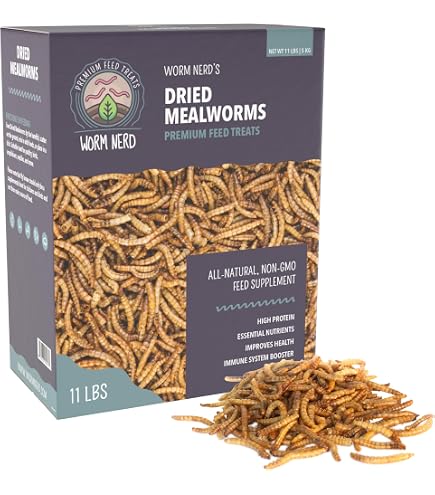
Credit: www.amazon.com
Signs Of Stress Or Illness
Superworms are resilient creatures, but they can show clear signs when they are stressed or ill. Recognizing these signs early helps you adjust their care and avoid serious health problems. Keep an eye on both their behavior and physical condition to ensure they stay healthy.
Behavioral Changes
Superworms usually move actively and explore their environment. If you notice them becoming sluggish or unusually still, it could indicate stress or illness.
Look for:
- Reduced movement or hiding more than usual
- Loss of appetite or refusal to eat
- Repeated attempts to escape their enclosure
Have you seen your superworms suddenly stop eating or slow down? This might be a signal they are uncomfortable with their environment, possibly due to temperature or humidity issues.
Physical Symptoms
Physical signs can be more obvious once you handle your superworms carefully. Check for:
- Discoloration, such as dark spots or pale patches
- Soft or mushy bodies instead of firm ones
- Visible wounds or deformities
Sometimes, a superworm’s body may look shriveled or dry, which can indicate dehydration or sickness. Have you inspected your worms closely to catch these symptoms early?
Spotting these signs allows you to act quickly, whether by adjusting temperature, humidity, or diet, to improve your superworms’ health. What small changes can you make today to keep your superworms thriving?
Best Practices For Longevity
Keeping your superworms healthy and lively over time requires more than just basic care. Longevity depends on creating the right environment and treating them gently during handling. Small changes in how you house and interact with your superworms can make a big difference in their lifespan and activity level.
Optimal Housing
Choose a container that offers enough space for your superworms to move freely. A shallow plastic bin with ventilation holes works well to prevent moisture buildup and mold growth.
Maintain a temperature between 70°F and 80°F (21°C to 27°C). Cooler temperatures slow down their metabolism, but refrigeration is usually unnecessary unless you want to pause their growth temporarily.
Add a bedding layer made of bran or oatmeal. It serves as both habitat and food, helping your superworms stay nourished and comfortable.
Handling Guidelines
Handle your superworms gently to avoid stressing or injuring them. Use soft tools like tweezers or your fingers with care, especially when moving them between containers.
Avoid overhandling, as frequent disturbance can reduce their lifespan. Instead, check on them regularly but calmly to minimize stress.
Keep their feeding consistent with fresh vegetables such as carrots or potatoes. These also provide moisture, so you won’t need to add water directly.
Have you noticed how much longer your superworms last when you reduce handling and keep their environment stable? This simple observation often surprises many first-time keepers.
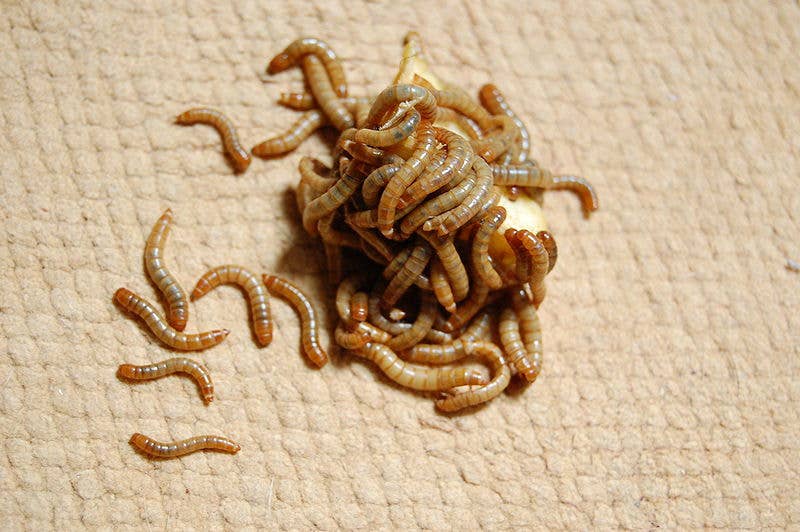
Credit: pethelpful.com
Frequently Asked Questions
Do Superworms Need Refrigeration For Storage?
Superworms do not require refrigeration if kept short-term. Store them in a cool, dry place for up to two weeks. For longer storage, refrigeration at 40°F (4°C) slows their metabolism and extends lifespan without harming them.
How Does Refrigeration Affect Superworm Lifespan?
Refrigeration slows superworms’ metabolism, extending their lifespan significantly. At cooler temperatures, they become less active and consume less food. This method helps maintain their health and freshness for up to several months.
Can Superworms Survive Room Temperature Conditions?
Yes, superworms can survive at room temperature for a short period. Keep them in a ventilated container with bedding and food. For extended storage, cooler conditions are recommended to prevent premature pupation or death.
What Temperature Is Ideal For Storing Superworms?
The ideal storage temperature for superworms is around 40°F (4°C). This slows their activity without freezing or harming them. Avoid temperatures below 32°F (0°C) to prevent damage and above 70°F (21°C) to avoid rapid development.
Conclusion
Superworms do not need to be refrigerated to stay healthy. Keeping them at room temperature works well. Cool, dry places help them live longer. Avoid extreme heat or cold to prevent harm. Feed them fresh food like vegetables regularly. Proper care keeps superworms active and fresh.
This simple approach saves you time and effort. Remember, happy superworms make healthy pets or feeders. Follow these tips for best results every time.