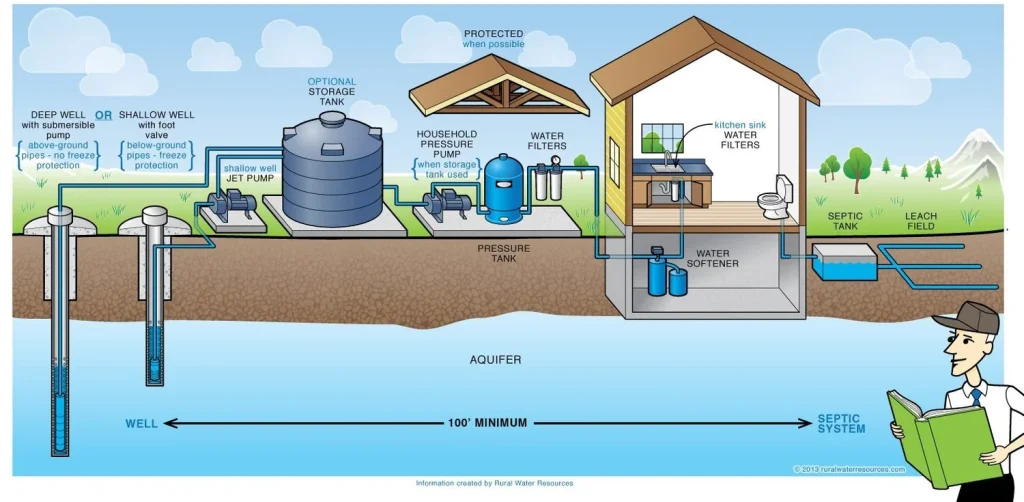
Have you ever wondered if your water well could freeze during those chilly winter months? It’s a question that might keep you up at night, especially if you rely on a well for your daily water needs.
Imagine waking up one frosty morning only to find that your water supply has turned into an icy block. Understanding whether water wells freeze can save you a lot of hassle and worry. You’ll discover the truth about water wells and freezing temperatures.
We’ll explore the factors that influence freezing, and provide you with practical tips to prevent this from happening. Stay with us, as the answer to keeping your water flowing smoothly, no matter how cold it gets outside, might just surprise you.

Credit: www.tigeradjusters.com
Why Wells Freeze
Understanding why wells freeze is crucial if you rely on a water well for your daily needs. Freezing can disrupt your water supply and damage your well system. Knowing the causes helps you prevent costly repairs and ensure a steady water flow during cold months.
How Temperature Affects Wells
Water wells freeze mainly because of cold air temperatures dropping below freezing point. When the temperature outside falls, the water in the pipes and well casing can turn to ice.
Ice expands and can crack pipes or block water flow. You might notice your water pressure dropping or no water coming out at all during a freeze.
Common Freezing Points
Water freezes at 32°F (0°C), but wells can start freezing even before temperatures reach this point. Wind chill and exposure can cause pipes near the surface to freeze faster.
Areas with consistent temperatures below 20°F (-6°C) are at high risk. If you’ve experienced sudden drops in water pressure during cold snaps, freezing is likely the culprit.
Impact Of Well Depth And Location
The depth of your well plays a big role in its vulnerability to freezing. Shallow wells are more exposed to cold air and are prone to freezing.
Location matters too. Wells in open, windy areas freeze more easily than those sheltered by buildings or trees. Are you aware of how deep your well is? That knowledge can guide your winter preparation.
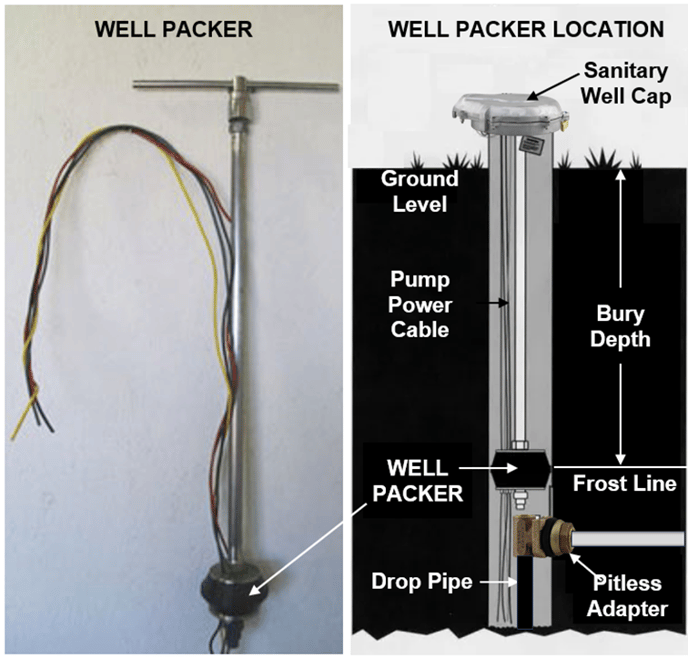
Credit: support.boshart.com
Signs Of A Frozen Well
Frozen water wells can cause serious problems during cold weather. Detecting a frozen well early helps prevent damage and restores water supply fast. Certain signs clearly show a well might be frozen. Watch out for these symptoms to act quickly.
Reduced Water Flow
Water flow drops noticeably when a well freezes. You may notice weak streams or no water at all. The pump might run but deliver less water than usual. This happens because ice blocks the pipes or the pump intake.
Unusual Noises
Listen for strange sounds from the well system. Grinding, knocking, or banging noises can mean ice is inside. These noises occur as the pump struggles to move water past frozen sections. Ignoring these sounds may lead to pump damage.
Visible Ice Formation
Ice may appear near the wellhead or on exposed pipes. Look for frost, ice buildup, or frozen ground around the well. These signs confirm freezing temperatures affect the well. Ice outside often means inside pipes might be frozen too.
Preventing Well Freezing
Preventing well freezing protects water supply during cold months. Freezing can block water flow and damage well parts. Taking action early avoids costly repairs and water loss. Simple steps keep your well safe and working.
Insulating Well Components
Wrap the wellhead and pipes with insulation material. Use foam sleeves or fiberglass wraps for best results. Insulation keeps cold air away and traps heat inside. Focus on exposed pipes above ground for better protection.
Using Heat Tape And Cables
Heat tape or cables provide extra warmth to pipes. Attach them along the length of vulnerable pipes. Use a thermostat-controlled heat cable for safety and efficiency. This method stops ice from forming during freezing weather.
Maintaining Proper Water Flow
Running water prevents freezing by keeping it moving. Let a small stream flow through taps connected to the well. This simple trick stops ice buildup inside pipes. Monitor flow to avoid wasting too much water.
Sealing Exposed Areas
Close gaps around the wellhouse and pipes to block cold air. Use caulk or weather stripping for small openings. Cover larger holes with plywood or insulated panels. Sealing reduces drafts and helps keep the well warm.
Emergency Measures For Frozen Wells
Frozen water wells can disrupt your water supply quickly. Acting fast helps protect your well and plumbing. Knowing the right emergency steps can prevent costly damage and restore water flow safely. Here are some key measures to take if your well freezes.
Safe Thawing Techniques
Use gentle heat to thaw the frozen well parts. Warm towels or heating pads work well. Avoid open flames or blowtorches near the well. These can cause damage or start fires.
Apply heat slowly and evenly to the pipes or pump. Monitor the temperature to prevent overheating. Keep the area well-ventilated during the thawing process.
- Wrap pipes with insulated blankets after thawing.
- Use space heaters at a safe distance.
- Check for leaks after thawing completes.
When To Call A Professional
Contact a well expert if you cannot thaw the well safely. Professionals have special tools to handle frozen wells. Call for help if the freeze affects the pump or deep pipes. Avoid forcing pipes or pumps, which may cause breaks.
Seek professional service if the freeze lasts longer than a day. Early expert help reduces repair costs. Let trained technicians inspect the well system after thawing.
Avoiding Common Mistakes
- Do not use open flames near the well or pipes.
- Avoid rapid temperature changes to prevent pipe bursts.
- Never pour hot water directly on frozen parts.
- Do not ignore small leaks or cracks after thawing.
- Avoid turning the pump on before pipes are fully thawed.
Following safe practices helps protect your water source. Preventing damage saves time and money. Always handle frozen wells with care and patience.
Long-term Well Maintenance
Long-term well maintenance is essential for keeping your water well safe and functional. Proper care helps prevent freezing and costly repairs. It also ensures clean water and steady flow year-round.
Regular Inspections
Check your well system often to spot problems early. Look for cracks, leaks, and damage to pipes or the well cap. Test water quality yearly to catch contamination early. Keep records of inspections to track changes over time.
Upgrading Equipment
Replace old pumps and pipes with newer, frost-resistant models. Install insulation around pipes to avoid freezing in cold weather. Consider adding a heat tape or well heater for extra protection. Updated equipment runs more efficiently and lasts longer.
Seasonal Preparation Tips
- Drain outdoor pipes before winter to stop freezing.
- Seal any gaps around the well house to keep cold air out.
- Use insulated covers on exposed pipes.
- Run water at a slow drip during extreme cold to prevent ice buildup.
These simple steps reduce freeze risks and keep your well working smoothly all year.

Credit: www.ecosoft.com
Frequently Asked Questions
Can Water Wells Freeze In Cold Weather?
Yes, water wells can freeze if exposed to extreme cold. Proper insulation and depth help prevent freezing.
How Deep Should Wells Be To Avoid Freezing?
Wells should extend below the frost line, usually 6 to 10 feet deep, depending on location.
What Signs Indicate A Frozen Water Well?
Slow water flow, no water output, and icy pipes signal a frozen well.
How Can I Prevent My Water Well From Freezing?
Insulate pipes, use heat tape, and ensure the well casing is sealed to prevent freezing.
Conclusion
Water wells can freeze in very cold weather. Insulating the well helps protect it from freezing. Keeping the pump running can also prevent ice buildup. Knowing how to care for your well saves trouble later. Stay prepared before winter arrives.
Protect your water source for a steady supply. Simple steps make a big difference in cold climates. Don’t let freezing water disrupt your daily needs. Stay warm, stay safe, and keep your well working.