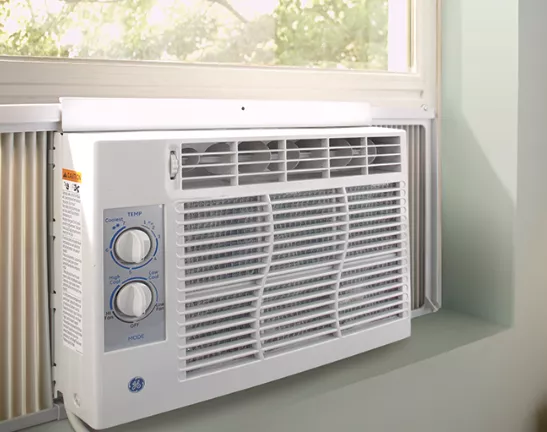
Are you wondering if your window air conditioner really has to sit in a window? You’re not alone.
Many people assume these units only work when installed in a window, but the truth might surprise you. Finding the perfect spot for your air conditioner can make a big difference in how cool and comfortable your space feels. You’ll discover simple alternatives and smart tips to get the most from your unit—no matter where you place it.
Keep reading to unlock the secrets to staying cool without being stuck by the window.
Window Ac Basics
A window air conditioner cools a room by moving hot air outside. It has two main parts: one inside the room and one outside. The inside part blows cold air in. The outside part releases hot air out. This keeps the room cool and comfortable.
Window ACs are usually placed in a window. The window lets the unit push hot air outside. The cold air stays inside to cool the room. But they can also fit in other spots if the setup allows air to flow outside.
- Standard window frame
- Wall openings made for AC units
- Sliding door openings with a support bracket
- Some specially designed vents or cutouts

Credit: thelenmechanical.com
Why Windows Are Common
Window air conditioners are common because they fit easily into window spaces, saving floor room. They usually need a window to vent hot air outside and work properly. Some models can be installed through walls or sliding doors too.
Ventilation Needs
Window air conditioners need to push hot air outside. The window makes this easy. It lets the unit pull in fresh air from outside. This air helps cool the unit’s parts. Without proper ventilation, the unit might overheat and stop working well.
Ease Of Setup
Windows offer a simple space for air conditioners. They are easy to open and close. This helps in placing the unit quickly. No need to cut walls or make big changes. The unit fits snugly in the window frame. This keeps the cold air inside and hot air outside.
Smart Alternatives To Window Acs
Portable AC unitscool rooms without needing a window. They have a hose that vents hot air outside through a door or wall. These units are easy to move and do not require permanent installation.
Split AC systemshave two parts: one inside and one outside. The indoor unit cools the air, and the outdoor unit releases heat. They need a small hole for pipes but no window space is required. These systems are quiet and efficient.
Evaporative coolersuse water to cool air. They work best in dry climates. These coolers bring fresh air inside and are energy-saving. They do not need windows but require open doors or vents for airflow.
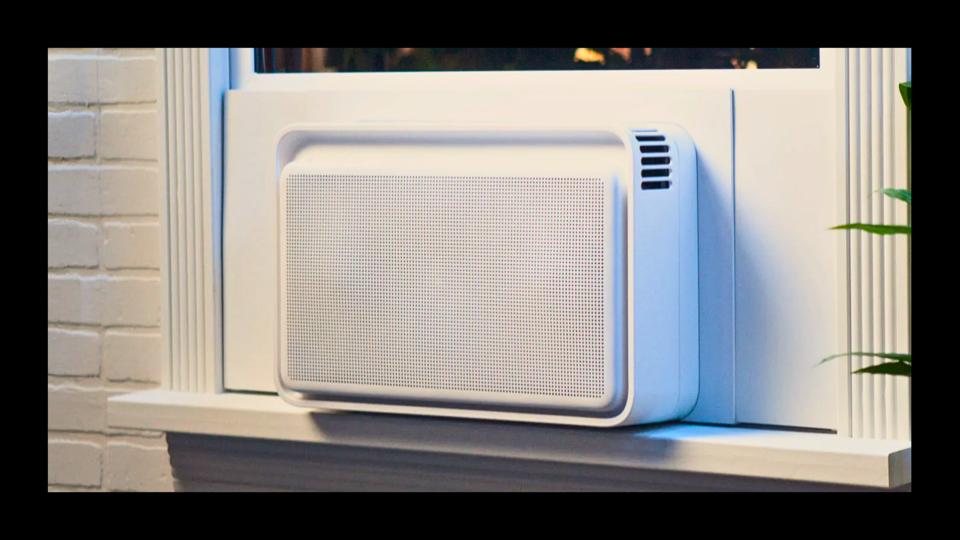
Credit: www.forbes.com
Installing Window Acs Without A Window
Window air conditioners do not always need a window for installation. They can fit into walls using special kits. These kits help seal the unit and keep bugs and air from getting inside.
Vent kits connect the inside unit to the outside air. They let hot air escape and fresh air enter. This helps the AC work well and keeps your room cool.
Good airflow is very important. Make sure the unit has space to breathe on both sides. Blocked airflow can cause the AC to work harder and use more energy.
- Use a vent kit designed for wall installation.
- Check that the wall opening is the right size.
- Keep the inside and outside parts sealed tightly.
- Leave room around the AC for air to flow freely.
- Regularly clean the vents to avoid dust build-up.
Pros And Cons Of Alternatives
Window air conditioners often fit best in windows, but alternatives exist. Portable and split units offer different benefits and drawbacks.
| Type | Efficiency | Cost | Space | Noise |
|---|---|---|---|---|
| Window AC | Highfor single rooms | Low to moderate | Uses window space | Moderate noise |
| Portable AC | Lower than window units | Moderate to high | Needs floor space | Louder due to fan |
| Split AC | Very highand energy efficient | Higher upfront cost | Wall mounted indoor unit | Quieter operation |
- Window units save floor space but block windows.
- Portable units move easily but take up room and are noisy.
- Split units cost more but run quietly and cool well.
Choosing The Best Cooling Solution
Choosing the right cooling solution depends on room sizeand layout. Small rooms need less powerful units. Large rooms may require bigger or multiple air conditioners. Open layouts spread cool air better than closed rooms. Placement affects how well the air conditioner works.
Energy efficiency saves money and power. Look for units with good Energy Efficiency Ratio (EER). Higher EER means less electricity use. Some models have energy-saving modes. These reduce power while keeping the room cool.
Budget affects which air conditioner fits best. Window units usually cost less than split systems. Maintenance matters too. Regular cleaning keeps units working well. Filters should be cleaned or replaced often. Some units need professional servicing, which adds cost.

Credit: www.familyhandyman.com
Frequently Asked Questions
Can A Window Ac Be Installed Without A Window?
Yes, a window AC can be installed without a window. You can use a wall sleeve or build a custom enclosure. This allows the unit to vent properly. However, ensure there is adequate ventilation and drainage. Always follow the manufacturer’s guidelines for installation.
What Are Alternatives To Window Acs?
Portable air conditioners and ductless mini-split systems are great alternatives. Portable ACs can be moved between rooms. Mini-splits provide efficient cooling without needing a window. Both options require proper installation to ensure efficiency and effectiveness.
Do All Window Acs Need Outside Access?
Yes, window ACs need outside access to expel hot air. This is crucial for effective cooling. If not vented properly, the unit won’t cool efficiently. Ensure there’s sufficient airflow around the unit for optimal performance.
How Do You Vent A Window Ac Indoors?
To vent a window AC indoors, use a vent kit. These kits help direct hot air outside through a wall or ceiling. Ensure there’s adequate airflow and a clear path for the exhaust. Follow the manufacturer’s instructions for safe and efficient venting.
Conclusion
Window air conditioners do not always need to be installed in a window. Many models work well in wall openings or special mounts. Placement depends on your room and house setup. Choosing the right spot helps the unit cool better and saves energy.
Remember to check the instructions for proper installation. Simple steps can make your air conditioner work smoothly. Keep your space cool and comfortable all summer long.