Are you curious about what makes your window air conditioner cool the room so effectively? You might have heard the term “Freon” thrown around but aren’t sure if your unit actually uses it.
Understanding whether your window air conditioner contains Freon can help you take better care of it and avoid costly repairs. You’ll discover the truth about Freon, how it works inside your air conditioner, and what that means for you. Keep reading—you’re about to unlock the secrets behind your cooling system.

Credit: www.popularmechanics.com
What Is Freon?
Freon is a brand name for a group of chemicals called refrigerants. These chemicals help air conditioners cool the air.
Freon moves heat from inside a room to the outside. It changes from gas to liquid and back to gas to do this.
Types Of Freon Used In Air Conditioners
There are different types of Freon used in air conditioners. Some types are safer for the environment than others.
- R-22 was common but is being phased out
- R-410A is a newer, more eco-friendly option
- Both types help cool air efficiently
How Freon Works In Window Air Conditioners
Freon absorbs heat from inside the room. It then releases the heat outside the window unit.
This process cools the air inside your home. The Freon keeps cycling to keep the air cold.
Is Freon Safe To Use?
Freon is safe when handled by professionals. It can harm the environment if released in large amounts.
New types of refrigerants are better for the planet. Always get repairs done by trained technicians.
Types Of Refrigerants In Window Acs
Window air conditioners use refrigerants to cool air. Refrigerants absorb heat and help cool your room. Different types of refrigerants have been used over time.
It is important to know which refrigerants are in your AC. Some refrigerants affect the environment more than others.
Common Refrigerants Used Today
Most window ACs today use refrigerants called HFCs. These replaced older types that harmed the ozone layer. The common refrigerants include R-410A and R-32.
- R-410A:A popular refrigerant in many new window ACs. It does not harm the ozone layer.
- R-32:More efficient than R-410A. It uses less energy and has less environmental impact.
- R-22 (Freon):An older refrigerant used in older units. It harms the ozone layer and is being phased out.
Environmental Impact Of Different Refrigerants
Refrigerants differ in how they affect the environment. Some cause ozone damage. Others contribute to global warming.
| Refrigerant | Ozone Impact | Global Warming Potential (GWP) |
|---|---|---|
| R-22 (Freon) | High | 1810 |
| R-410A | None | 2088 |
| R-32 | None | 675 |
Newer refrigerants like R-32 have lower global warming potential. Older ones like R-22 are harmful and being banned.
How Window Acs Work
Window air conditioners cool rooms by removing heat from the inside air. They use a special chemical called refrigerant to absorb and release heat. This process helps lower the temperature of the room.
The unit sits in a window, with part of it inside the room and part outside. The inside part blows cold air, while the outside part releases the heat taken from the room.
Role Of Refrigerants In Cooling
Refrigerants are key to how window air conditioners work. They absorb heat from the indoor air and carry it outside. Freon is a common type of refrigerant used in many window AC units. It changes from gas to liquid and back to gas during the cooling process.
- Refrigerants absorb heat inside the room.
- They carry heat to the outside unit.
- Refrigerants change states to move heat efficiently.
- They help keep the indoor air cool and comfortable.
Cycle Of Refrigerant In The System
The refrigerant moves through the AC system in a cycle. It changes between gas and liquid to absorb and release heat. This cycle repeats to keep the room cool.
| Stage | What Happens |
| Evaporation | Refrigerant absorbs heat and turns from liquid to gas inside the indoor coil. |
| Compression | Gas refrigerant is compressed, raising its temperature and pressure. |
| Condensation | Hot gas releases heat outside and turns back into liquid in the outdoor coil. |
| Expansion | Liquid refrigerant pressure drops and cools before returning inside. |
Freon And Its Alternatives
Window air conditioners have used Freon for many years. Freon is a type of refrigerant that helps cool the air. Today, its use is changing due to environmental concerns.
This article explains why Freon use has declined and what alternatives are now popular in cooling systems.
Why Freon Usage Has Declined
Freon refers to chemicals known as chlorofluorocarbons (CFCs) and hydrochlorofluorocarbons (HCFCs). These substances harm the ozone layer. Governments worldwide have set rules to reduce their use.
- Freon damages the ozone layer, increasing UV radiation.
- It has a high global warming potential.
- New laws restrict production and use of Freon.
- Manufacturers seek safer, eco-friendly refrigerants.
Popular Freon Substitutes
Several refrigerants now replace Freon in window air conditioners. These alternatives reduce environmental harm while keeping cooling effective.
| Refrigerant | Type | Environmental Impact |
| R-410A | Hydrofluorocarbon (HFC) | Zero ozone depletion, moderate global warming |
| R-32 | Hydrofluorocarbon (HFC) | Low global warming, zero ozone depletion |
| R-290 (Propane) | Hydrocarbon | Very low global warming, zero ozone depletion |
| R-454B | Hydrofluoroolefin (HFO) blend | Low global warming, zero ozone depletion |
Identifying The Refrigerant In Your Window Ac
Window air conditioners use refrigerants to cool the air. Freon is a common refrigerant found in older units. Knowing the type of refrigerant helps with maintenance and repairs.
This guide will help you find out if your window AC uses Freon. You can check labels, manuals, and look for signs on the unit itself.
Reading Labels And Manuals
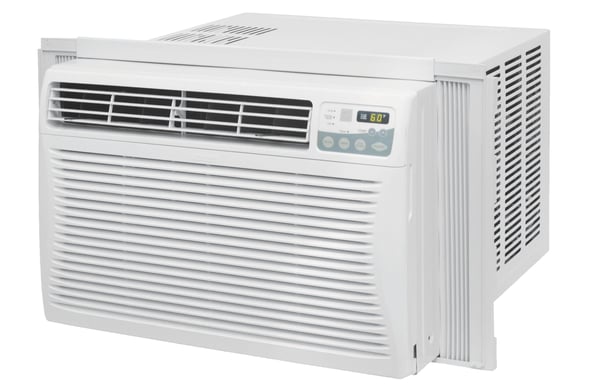
Most window AC units have a label that shows the refrigerant type. This label is usually on the side or back of the unit. It lists important details like model number and refrigerant name.
The user manual also has information about the refrigerant. Look in the specifications or maintenance section for refrigerant details. This tells you if your unit uses Freon or another type.
- Check the side or back panel for a sticker or metal plate
- Look for words like “R-22” or “Freon” on the label
- Read the user manual’s technical section
- If you don’t have a manual, search online using the model number
Signs Your Ac Uses Freon
Freon is an older refrigerant known as R-22. Many window ACs made before 2010 use it. Newer units usually use different refrigerants like R-410A.
Here are signs your window AC uses Freon:
- The label or manual says “R-22” or “Freon”
- The unit was made before 2010
- The unit has a green or yellow label (common for R-22)
- Your AC technician mentions R-22 during service
Credit: www.searspartsdirect.com
Safety And Environmental Concerns
Window air conditioners often use refrigerants like Freon to cool the air. These chemicals help move heat but can cause harm if not handled correctly. It is important to know the safety and environmental risks involved.
Freon and similar refrigerants can damage the ozone layer and contribute to climate change. Proper care in using and disposing of these chemicals protects people and the planet.
Handling Refrigerants Safely
Refrigerants like Freon are dangerous if they leak or are released into the air. Always handle them with care to avoid health risks and environmental damage.
Only trained professionals should repair or service air conditioners. They use special tools to capture refrigerants safely and prevent leaks.
- Wear protective gear when working with refrigerants
- Avoid breathing in refrigerant gases
- Do not release refrigerants into the environment
- Use certified technicians for repairs
Disposal And Recycling Practices
Old window air conditioners contain refrigerants that need special disposal methods. Throwing them in the trash can release harmful gases.
Recycling helps remove and safely handle refrigerants. Many places have programs to recycle air conditioners and prevent pollution.
- Take old units to authorized recycling centers
- Ensure refrigerants are recovered before disposal
- Follow local laws for air conditioner disposal
- Support recycling to protect the environment
Maintaining Window Acs For Efficiency
Window air conditioners often use Freon or similar refrigerants to cool air. Keeping your AC in good shape saves energy and money. Regular care helps the unit run smoothly and last longer.
Simple maintenance tasks can improve your AC’s performance. Checking for leaks and getting professional help are key steps.
Regular Checks For Refrigerant Leaks
Refrigerant leaks lower your AC’s cooling power and cause higher bills. Look for oily spots or damp areas on the unit. These signs might mean a leak.
If you notice less cool air or strange noises, check the refrigerant level. Low refrigerant needs fixing quickly to avoid damage.
- Look for oily stains on coils and pipes
- Listen for hissing sounds near the unit
- Watch for warm air instead of cold
- Check for ice buildup on coils
Professional Servicing Tips
Hire a certified technician to service your window AC once a year. They can find leaks and refill refrigerant safely. Professionals clean the coils and check the system parts.
Regular professional care keeps your AC efficient and extends its life. Avoid trying to fix refrigerant problems yourself. Handling refrigerants requires special tools and training.
- Schedule yearly professional check-ups
- Ask for refrigerant pressure tests
- Request coil cleaning and inspection
- Replace worn or damaged parts promptly

Credit: www.aljazeera.com
Frequently Asked Questions
Do Window Air Conditioners Use Freon Refrigerant?
Yes, many window air conditioners use Freon as their refrigerant. However, newer models often use eco-friendly alternatives like R-410A. Freon cools the air by absorbing heat, making window ACs efficient for small spaces.
Is Freon Safe In Window Air Conditioning Units?
Freon is generally safe when sealed inside the AC system. However, leaks can release harmful gases. Proper maintenance and prompt repairs ensure Freon stays contained and your unit works safely.
Can I Replace Freon In My Window Ac Myself?
It’s best to hire a certified technician for Freon replacement. Handling refrigerants requires special tools and knowledge. DIY attempts risk leaks, environmental harm, and void warranties.
Why Are Some Window Acs Moving Away From Freon?
Environmental concerns led to phasing out Freon, a CFC refrigerant. New refrigerants like R-410A are less harmful to the ozone layer. Manufacturers now prefer these eco-friendly options in window ACs.
Conclusion
Window air conditioners often use Freon, a common refrigerant. This helps cool your room effectively. Modern units might use eco-friendlier alternatives. Always check your unit’s manual for specifics. Proper maintenance ensures efficient cooling. Regularly clean filters and check for leaks.
Consider professional servicing if needed. A well-maintained unit saves energy and costs. Keep your living space comfortable and cool. Understanding your unit’s refrigerant type is essential. Stay informed for optimal performance. Choosing the right air conditioner benefits your home. Enjoy a pleasant indoor environment with smart maintenance.