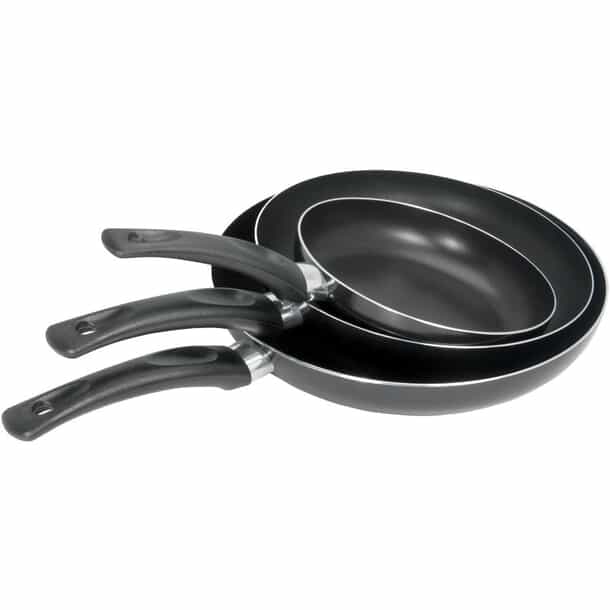
Do you have multiple non-stick pans cluttering your kitchen? You’re not alone.
Having several non-stick pans might seem like a good idea, but it can actually cause more harm than good. What if you could make the most out of the ones you already own? You’ll discover smart tips on how to care for your non-stick pans, avoid common mistakes, and get the best cooking results every time.
Keep reading—your kitchen and your meals will thank you.
Common Causes Of Non Stick Wear
Non stick pans lose their coating over time. This makes cooking and cleaning harder. Knowing what causes this wear helps you protect your pans.
Many factors can damage the non stick surface. Some happen during cooking, cleaning, or storing. Let’s look at the most common causes.
Heat Damage
Using high heat often harms the non stick coating. Heat breaks down the surface and makes it less effective. Avoid using pans on very high flames or empty pans on heat.
Scratches And Abrasions
Sharp or metal tools can scratch the non stick layer. These scratches let food stick and cause the coating to peel. Use wooden or silicone utensils to protect the surface.
- Metal spatulas can cause deep scratches
- Stacking pans without protection leads to abrasion
- Rough scrubbing pads remove the coating
- Cleaning with steel wool damages the surface
Improper Cleaning
Cleaning pans the wrong way harms the non stick finish. Harsh cleaners and scrubbing tools wear away the coating quickly. Use gentle dish soap and soft sponges.
| Wrong Cleaning Method | Effect on Non Stick Pan |
| Harsh chemical cleaners | Break down coating |
| Steel wool or abrasive pads | Scratch and remove surface |
| Dishwasher washing | Wear and discolor coating |
| Soaking too long | Damage adhesive layer |
Storage Mistakes
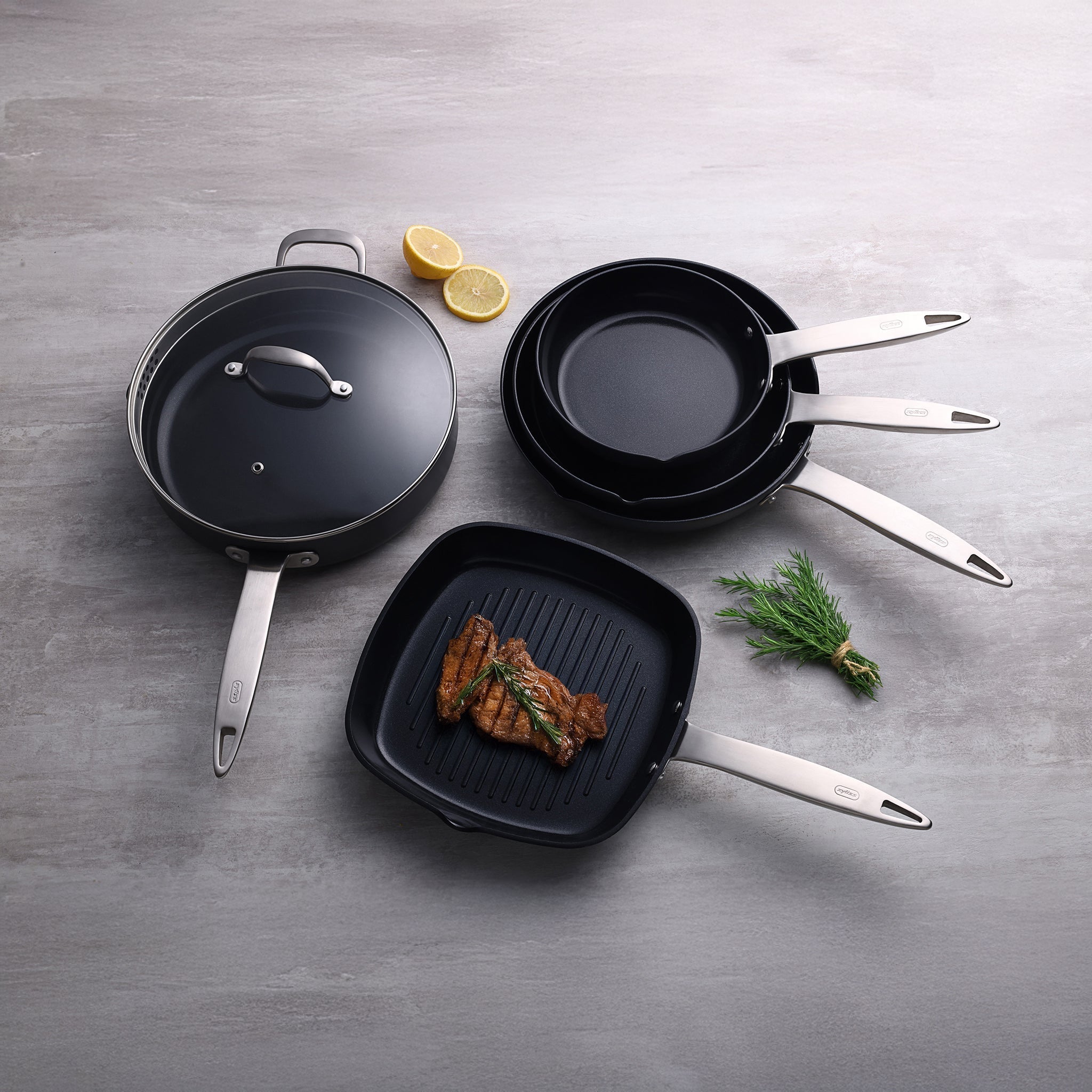
Storing pans carelessly causes coating damage. Pans stacked without protection rub against each other. This leads to scratches and peeling.
To avoid damage during storage, follow these tips:
- Place paper towels between stacked pans
- Hang pans instead of stacking when possible
- Keep pans dry to prevent rust under coating
Credit: zyliss.com
Choosing The Right Cookware For Longevity
Having multiple non-stick pans can be useful. Choosing the right cookware helps them last longer.
Consider the materials, coatings, and shapes. These factors affect cooking and durability.
Material Quality
High-quality materials improve heat distribution and reduce warping. Look for pans made with thick aluminum or stainless steel bases.
Good materials resist dents and scratches. They keep the pan flat and stable on your stove.
Coating Types
Non-stick coatings come in different types. Each type offers unique benefits and care needs.
- PTFE coatings are common and easy to clean.
- Ceramic coatings are free from chemicals and heat well.
- Anodized coatings are hard and scratch-resistant.
- Seasoned cast iron offers natural non-stick properties.
Size And Shape Considerations
| Pan Size | Best Use | Longevity Tip |
| Small (8-10 inches) | Quick meals, eggs, sauces | Use low to medium heat to protect coating |
| Medium (10-12 inches) | Everyday cooking | Store carefully to avoid scratches |
| Large (12+ inches) | Family meals, frying | Use sturdy handles and avoid dropping |
| Shallow | Sautéing, frying | Clean gently to keep coating intact |
| Deep | Stews, braising | Check for even heat on all sides |
Daily Care Tips For Non Stick Pans
Non stick pans need special care to keep their coating safe. Proper use helps them last longer and cook better.
Follow simple daily tips to protect your pans from damage and maintain their non stick surface.
Optimal Cooking Temperatures
Non stick pans work best at medium or low heat. High heat can damage the coating and reduce its life.
Use heat settings that match your cooking needs. Avoid overheating empty pans.
- Use low to medium heat for eggs and pancakes
- Use medium heat for sautéing vegetables
- Avoid high heat to prevent coating damage
Using Suitable Utensils
Use soft utensils like wood, silicone, or plastic. Metal tools can scratch and ruin the pan’s surface.
Gentle utensils protect the coating and keep the pan non stick for longer.
- Wooden spoons and spatulas
- Silicone cooking tools
- Plastic or nylon utensils safe for non stick pans
Avoiding Cooking Sprays
Cooking sprays can leave sticky residue on non stick pans. This buildup harms the surface over time.
Use a small amount of oil or butter instead. This keeps your pan clean and protects its coating.
- Skip cooking sprays on non stick pans
- Use a drop of oil or butter for cooking
- Clean pans carefully after each use
Credit: www.walmart.com
Effective Cleaning Methods
Non-stick pans need special care to keep their coating safe. Cleaning them the right way helps them last longer and stay useful.
This guide shows simple ways to clean your pans without damage. Follow these tips for good results every time.
Hand Washing Techniques
Hand washing is the safest method for cleaning non-stick pans. Use warm water with mild dish soap and a soft sponge.
- Rinse the pan with warm water first.
- Apply gentle soap and scrub lightly with a soft sponge.
- Avoid steel wool or rough scrubbers that can scratch.
- Rinse well and dry with a soft cloth or towel.
Dealing With Stubborn Residue
Some food may stick stubbornly to your pan. Use these tricks to remove it without harm.
| Method | How to Use |
| Soaking | Fill pan with warm soapy water and soak for 15 minutes. |
| Baking Soda Paste | Mix baking soda and water, apply paste, wait 10 minutes, then scrub gently. |
| Vinegar Boil | Boil a mix of water and vinegar in the pan for 5 minutes, then wipe clean. |
Dishwasher Use Risks
Dishwashers may seem easy, but they can damage non-stick pans. Heat and strong detergents harm the coating over time.
Avoid using dishwashers for non-stick pans to keep them safe. Hand washing is better for their lifespan.
Smart Storage Solutions
Non stick pans need careful storage to keep their surfaces safe. Proper storage helps pans last longer and stay in good shape.
This guide covers ways to store multiple non stick pans without causing damage. Follow these tips to protect your cookware.
Preventing Surface Damage
Non stick surfaces scratch easily. Avoid using metal tools on or near stored pans. Store pans in a way that stops them from rubbing against hard items.
Keep pans dry and clean before storing. Moisture can weaken the non stick coating over time. Use soft cloths to clean and dry pans.
Stacking Strategies
Stacking pans saves space but can cause scratches if done wrong. Use these tips to stack pans safely:
- Place the largest pan at the bottom for stability
- Do not stack too many pans together to avoid pressure
- Use soft materials between pans when stacking
- Keep handles aligned to prevent knocking
Using Protective Liners
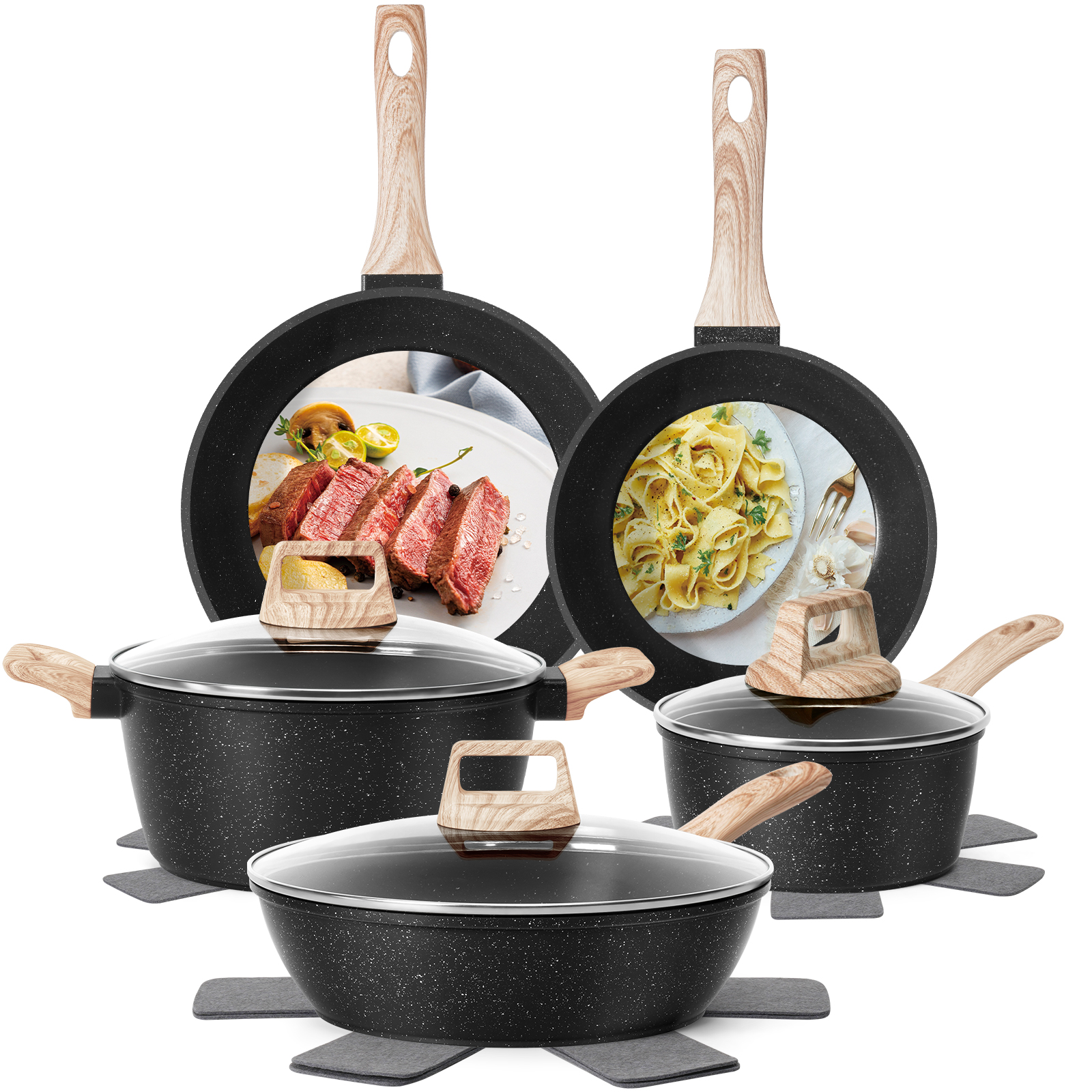
Protective liners help stop scratches and dents. You can use felt, cloth, or silicone liners between pans.
| Liner Type | Benefits | Care Tips |
| Felt | Soft and cushioned | Wash gently and dry |
| Cloth | Easy to clean and reuse | Use clean, dry cloths |
| Silicone | Durable and heat resistant | Wash with warm water |
When To Replace Your Non Stick Pans
Non stick pans are great for cooking and easy cleaning. But they do not last forever. Knowing when to replace them is important for safety and cooking quality.
Using old or damaged pans can affect your food and health. Watch for signs that your pans need to be replaced to keep cooking safe and easy.
Signs Of Coating Failure
The non stick coating can wear out over time. Look for scratches, peeling, or flaking on the surface. These signs mean the pan is losing its non stick power.
- Food sticks more than usual
- Scratches or chips on the pan surface
- Peeling or flaking of the coating
- Discoloration or dark spots
Cookware with damaged coating can cause uneven cooking and make cleaning harder. Replace pans once you see these signs.
Health And Safety Considerations
Old non stick pans may release harmful chemicals when heated. This can affect your health. It is safer to replace pans before they get too worn.
Also, damaged pans can cause burns or food contamination. Using intact, safe pans helps keep your kitchen safe.
- Replace pans with peeling or chipping coatings
- Do not use pans with warped or damaged bases
- Discard pans that overheat or smoke easily
- Choose pans without toxic chemicals like PFOA

Credit: www.amazon.ca
Frequently Asked Questions
Why Use Multiple Non-stick Pans?
Having multiple non-stick pans allows for diverse cooking methods. Each pan can be dedicated to specific tasks, such as frying, sautéing, or simmering. This helps in maintaining the integrity of flavors and prevents cross-contamination. It also extends the lifespan of the pans by reducing wear and tear from overuse.
How To Maintain Non-stick Pans?
To maintain non-stick pans, clean them with gentle soap and a soft sponge. Avoid metal utensils to prevent scratches. Store them properly, ideally using pan protectors or stacking them carefully. Regular maintenance ensures longevity and optimal performance, keeping your pans in good condition for years.
What Are The Benefits Of Non-stick Pans?
Non-stick pans offer easy food release and quick cleanup. They require less oil, promoting healthier cooking. The even heat distribution ensures well-cooked meals. These pans are lightweight and user-friendly, ideal for both novice and experienced cooks. Their versatility makes them a kitchen staple.
Can Non-stick Pans Be Used On All Stovetops?
Most non-stick pans are compatible with various stovetops, including gas, electric, and ceramic. However, always check the manufacturer’s instructions to confirm compatibility. Some pans are also suitable for induction cooktops. Using the right pan ensures efficient cooking and prevents potential damage to the cookware.
Conclusion
Owning multiple non-stick pans offers great cooking flexibility. You can prepare different dishes without waiting for one pan to cool. Each pan suits a specific cooking style or recipe. Remember to care for them properly to keep their coating safe.
Avoid using metal utensils to prevent scratches. Clean pans gently with soft sponges for longer use. With the right care, these pans can last years. Enjoy cooking meals quickly and easily every day. Multiple pans help you stay organized in the kitchen.
Simple habits protect your cookware and improve your cooking experience.