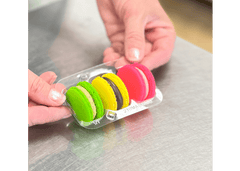
Do you have to refrigerate macarons? It’s a question that might have popped into your mind as you admired these colorful, delicate treats.
Whether you’re a seasoned macaron lover or a curious newbie, understanding how to store them properly is crucial. After all, you want to savor every bite of their delicious, chewy goodness, right? But don’t worry, you’re not alone in this quest for the perfect macaron experience.
You’ll discover the secrets to keeping your macarons fresh and delightful. So, if you’re ready to ensure your macarons stay as tasty as the day you bought them, keep reading. You’ll be glad you did!

Credit: www.yahoo.com
Macaron Basics
Understanding the basics of macarons helps you appreciate why their care is so important. These delicate treats are not just about taste but also about texture and freshness. Knowing what goes into making macarons and how long they last can guide you on whether refrigeration is necessary.
Key Ingredients
Macarons are primarily made from almond flour, egg whites, and sugar. These simple ingredients create a complex structure that is both chewy and crisp. The almond flour gives them their signature nutty flavor, while the egg whites provide the airy lift.
Buttercream, ganache, or jam usually fills the shells, adding moisture and flavor. Each filling type can influence how you should store your macarons. For example, cream-based fillings may require cooler storage compared to fruit jams.
Delicate Texture
The unique texture of macarons is what makes them special. The outer shell is crisp, while the inside remains soft and chewy. This balance can be easily disrupted by improper storage.
If macarons dry out, they lose their chewiness and can become brittle. On the other hand, too much moisture can make them soggy. Have you ever bitten into a macaron that felt more like a cookie? That’s a sign it wasn’t stored correctly.
Shelf Life
Macarons don’t last forever, and their shelf life depends on several factors. Typically, they stay fresh for about 1 to 2 days at room temperature. Beyond that, the texture and flavor start to deteriorate.
Refrigerating macarons can extend their life to about a week. However, refrigeration can also affect texture, making the shells softer if not properly sealed. You might wonder, is it worth refrigerating if the texture changes?

Credit: pastreez.com
Refrigeration Pros And Cons
Deciding whether to refrigerate macarons isn’t always straightforward. There are clear benefits to chilling these delicate treats, but refrigeration can also bring some challenges. Understanding both sides helps you keep your macarons fresh and delicious while avoiding common pitfalls.
Benefits Of Chilling
Refrigeration helps macarons maintain their structure and flavor over time. The cool temperature allows the filling to set properly, enhancing the texture and taste with every bite.
Chilling also slows down the growth of bacteria, which is crucial if your macarons contain dairy-based fillings like buttercream or ganache. This means you can safely store them for a few days without worry.
Personally, I’ve noticed that macarons taste even better the day after refrigeration, as the flavors meld together beautifully. Have you ever tasted a macaron right after it’s chilled? That smooth, firm shell combined with a creamy center is hard to beat.
Potential Downsides
However, refrigeration isn’t without its drawbacks. Macarons can absorb odors from other foods in the fridge, which might alter their delicate flavor.
Cold air can also cause condensation when you take them out, making the shells soggy and losing their crispness. This is a common issue if macarons aren’t properly sealed.
Another downside is that refrigeration can sometimes dry out the shells if left too long. Have you ever bitten into a macaron and found it too hard or crumbly? That could be the result of over-chilling.
When To Refrigerate
Refrigerate macarons if you plan to eat them within 3 to 5 days, especially if they contain perishable fillings. Keep them in an airtight container to protect against moisture and odors.
If you’re storing macarons for longer periods, freezing might be a better option to preserve freshness. Just thaw them slowly at room temperature before serving.
Think about how soon you’ll enjoy your macarons, then decide if refrigeration fits your timeline. Do you want that fresh, just-made crunch, or are you okay with a slightly softened, flavorful bite after chilling?
Room Temperature Storage
Storing macarons at room temperature is an option when refrigeration is not ideal. This method helps keep their delicate texture and flavor intact for a short time. Proper care is needed to avoid drying out or spoiling. Understanding the best way to store macarons outside the fridge can extend their freshness and enjoyment.
Ideal Conditions
Choose a cool, dry place away from sunlight and heat. Avoid areas near ovens or windows. The temperature should stay between 65°F and 75°F (18°C to 24°C). High humidity makes macarons soft and sticky. Keep them in a stable environment to maintain their crisp shells and creamy filling.
Storage Containers
Use airtight containers to protect macarons from air and moisture. Plastic or glass containers with tight lids work well. Line the bottom with parchment paper to prevent sticking. Avoid stacking macarons directly on top of each other. This prevents cracks and squashing. Proper containers keep macarons fresh and flavorful longer.
How Long They Last
At room temperature, macarons usually last 1 to 2 days. After this, they may lose their crispness and become soft. Eating them within this time gives the best taste and texture. If you need to store them longer, consider refrigeration or freezing. Always check for any signs of spoilage before eating.
Freezing Macarons
Freezing macarons is a smart way to extend their shelf life without sacrificing flavor or texture. If you’ve ever wondered whether macarons can handle the cold, the answer is yes—but only if you freeze them properly. Knowing how to freeze and thaw macarons can save you from wasting these delicate treats and help you enjoy them fresh whenever you want.
Freezing Techniques
To freeze macarons, start by placing them in a single layer on a baking sheet. This prevents them from sticking together during the freezing process. Once frozen solid, transfer the macarons into an airtight container or a freezer-safe zip-top bag.
Make sure to remove as much air as possible to avoid freezer burn. You can also separate layers with parchment paper to protect the shells from damage. This method keeps your macarons safe for up to a month without losing their signature crunch and creamy filling.
Thawing Tips
Thaw frozen macarons slowly for the best results. Remove them from the freezer and let them sit at room temperature for about 20-30 minutes before eating. Avoid thawing them in the fridge as this can cause condensation, making the shells soggy.
Curious about whether you can heat them? It’s better to resist the urge—warming macarons in the microwave or oven might ruin their delicate texture. Instead, patience is key to enjoying their perfect balance of crisp and chewy.
Maintaining Freshness
Once thawed, macarons are best eaten within 24 hours to enjoy their original texture. If you don’t plan to eat them right away, keep them stored in an airtight container at room temperature. Avoid exposing them to humidity or direct sunlight, as this can soften the shells and alter the filling.
Have you ever tried freezing macarons before? Share your experience—did you notice a difference in taste or texture? Your feedback could help others keep their macarons fresh and delicious longer.
Common Storage Mistakes
Storing macarons might seem simple, but many people make mistakes that ruin their delicate texture and flavor. These common storage errors often lead to soggy shells or off tastes. Avoiding these pitfalls is key to enjoying macarons just as the baker intended.
Avoiding Moisture
Macarons are highly sensitive to moisture. Leaving them in a damp container or wrapping them while still warm traps steam, which softens their crisp shell.
Always let macarons cool completely before storing. Use airtight containers with a paper towel underneath to absorb any excess moisture.
Preventing Odor Absorption
Your fridge is full of strong smells—from cheese to onions—that macarons can easily absorb. This alters their delicate flavor and ruins the experience.
Store macarons away from pungent foods and seal them tightly. You might even use a small airtight box inside the fridge to keep unwanted odors out.
Handling Fragility
Macarons are fragile treats that break or crack easily. Stacking them carelessly or placing heavy items on top will crush their shells.
Arrange macarons in a single layer or use containers with dividers. Treat them gently, like you would fine china, to keep them intact.

Credit: www.yahoo.com
Signs Of Spoilage
Macarons are delicate treats that need proper care. Knowing the signs of spoilage helps keep them safe and tasty. Spoiled macarons can cause discomfort and ruin your experience.
Visual Indicators
- Look for mold spots on the surface or filling.
- Check if the shells look dull or cracked.
- Notice any discoloration, such as darkened or yellowed areas.
- Wet or sticky patches suggest moisture damage.
Texture Changes
- Fresh macarons feel light and slightly crisp outside.
- Spoiled macarons often become soggy or overly hard.
- The filling may turn runny or grainy instead of smooth.
- Shells might crumble or lose their usual snap.
Taste Differences
- Fresh macarons taste sweet and balanced.
- Spoiled ones can taste sour, bitter, or off.
- An unusual or stale flavor signals spoilage.
- Any strange aftertaste means do not eat them.
Frequently Asked Questions
Do Macarons Need Refrigeration After Baking?
Yes, macarons should be refrigerated after baking to maintain freshness. The filling, often cream or ganache, requires cold storage to prevent spoilage.
How Long Can Macarons Stay Unrefrigerated?
Macarons can stay unrefrigerated for up to 24 hours. Beyond that, refrigeration is essential to keep their texture and flavor intact.
Can Refrigeration Affect Macaron Texture?
Refrigeration can slightly soften macarons, but it helps preserve their moisture. Proper storage in an airtight container minimizes texture changes.
Should Macarons Be Stored In Airtight Containers?
Yes, always store macarons in airtight containers. This prevents moisture loss and protects them from absorbing other odors in the fridge.
Conclusion
Macarons stay fresh longer when stored correctly. Refrigeration helps keep their texture and flavor. Avoid leaving them out too long at room temperature. Use an airtight container before refrigerating. Take them out a bit before eating to soften. This way, you enjoy the best taste and feel.
Proper storage makes your macarons last and taste great. Simple steps keep your treats fresh and delicious.