Are you a home chef who loves experimenting with new cooking techniques? If you’ve heard about sous vide, you’re probably curious about how to get started.
You might be wondering if you need a vacuum sealer to dive into the world of sous vide cooking. It’s a common question, and the answer could transform your culinary adventures. Imagine creating restaurant-quality meals right in your kitchen, with perfect texture and flavor every time.
Does that sound exciting? You’ll discover whether a vacuum sealer is an essential tool for your sous vide success, or if you can achieve those mouthwatering results without it. Get ready to take your cooking skills to the next level!
Benefits Of Vacuum Sealing
Vacuum sealing offers clear advantages when preparing food with sous vide. It locks in freshness, flavors, and nutrients, making your cooking more effective and enjoyable. Let’s take a closer look at how vacuum sealing benefits your sous vide experience.
Preserving Food Quality
Vacuum sealing removes air around the food, preventing oxidation. This keeps textures firm and colors vibrant. Have you noticed how meat or vegetables lose their freshness quickly when exposed to air? Vacuum sealing stops that from happening.
It also protects food from freezer burn. This means your ingredients maintain their original quality even after being stored for weeks. You get consistent results every time you cook sous vide.
Enhancing Flavor Infusion
Sealing food tightly with vacuum sealing helps flavors penetrate deeper. The absence of air means marinades and seasonings stay close to the food’s surface. This makes your dishes taste richer and more intense.
Think about marinating chicken. If it’s vacuum sealed, the flavors soak in faster and more evenly. You spend less time waiting and more time enjoying a perfectly flavored meal.
Extending Shelf Life
Vacuum sealing slows down bacteria growth by cutting off oxygen supply. This significantly extends the shelf life of your food. You can buy in bulk and store ingredients longer without worrying about spoilage.
Imagine how much less food you’d waste with vacuum sealing. It helps you save money and keeps your kitchen running efficiently. How often do you throw away leftovers that have gone bad too soon?

Credit: www.amazon.ca
Vacuum Sealer Vs Ziplock Bags
Choosing between a vacuum sealer and ziplock bags for sous vide cooking can impact your results and overall experience. Both options have their place, but understanding their differences helps you make the best choice for your kitchen. Let’s break down how they compare in key areas that matter most to sous vide enthusiasts.
Comparing Seal Integrity
Vacuum sealers create an airtight, leak-proof seal that keeps water out and flavor in. This strong seal prevents any risk of water entering the bag during long cooking times, which is crucial for delicate recipes.
Ziplock bags rely on a manual seal, which can sometimes trap small air pockets or develop leaks. You might have to double-bag or use the water displacement method to minimize air, but it’s not always foolproof.
Ask yourself: how important is a perfect seal to your sous vide success? If you want consistent results without worrying about water infiltration, a vacuum sealer might be worth the investment.
Cost And Convenience
Ziplock bags are affordable and easy to find at any grocery store. They don’t require extra equipment, making them a convenient choice for beginners or occasional sous vide users.
Vacuum sealers require upfront costs for both the machine and special bags, which are more expensive than standard ziplocks. However, they save time by sealing quickly and efficiently, especially if you cook sous vide often.
Think about your cooking frequency and budget. Is the convenience of fast, reliable sealing worth spending more? For some, the peace of mind and time saved pays off in the long run.
Safety And Reusability
Vacuum-sealed bags are designed for food safety with BPA-free materials and strong seals that prevent contamination. Many vacuum bags are also reusable if cleaned properly, reducing waste.
Ziplock bags are generally safe but can be less durable and prone to tearing or leaks. Some brands offer reusable options, but most are single-use, which can add up and increase plastic waste.
How much do you value sustainability and food safety in your kitchen? If you want to reduce waste and ensure the highest protection for your meals, investing in a vacuum sealer might be the smarter choice.
Types Of Vacuum Sealers
Vacuum sealers come in different types, each designed for specific uses. Choosing the right sealer can improve your sous vide cooking experience. Knowing the types helps you pick one that fits your kitchen and budget.
External Sealers
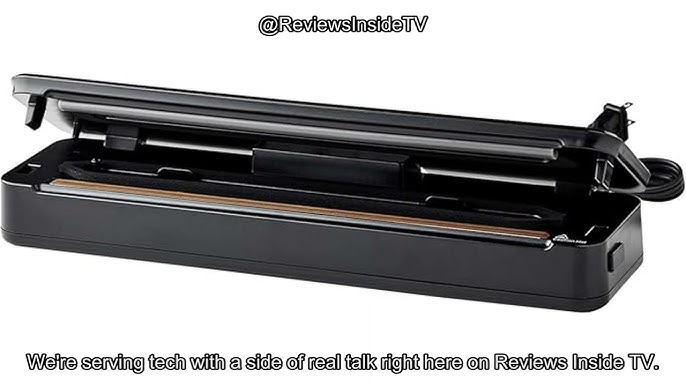
External sealers are the most common type. They work by sucking air out of the bag’s open end. After removing air, the machine seals the bag shut. These sealers are usually affordable and easy to use. They work well for dry foods or foods with little liquid.
Chamber Sealers
Chamber sealers are more advanced and expensive. The bag goes inside a sealed chamber. The machine removes air from the entire chamber, including the bag. This type handles wet foods better without sucking liquids out. It creates a stronger, more reliable seal. Great for larger quantities or frequent use.
Handheld Sealers
Handheld sealers are small and portable. They are best for quick sealing of small bags. They don’t remove air like other types but only seal the bag’s opening. Perfect for occasional use or sealing pre-vacuumed bags. Easy to store and simple to operate.
When Vacuum Sealing Is Essential
Vacuum sealing plays a key role in sous vide cooking. It helps protect food and improves cooking results. Some situations need vacuum sealing more than others. Understanding these will help you decide when a vacuum sealer is essential.
Cooking Delicate Foods
Delicate foods like fish and soft vegetables need gentle handling. Vacuum sealing keeps them secure during cooking. It prevents them from breaking apart or losing shape. The tight seal holds flavors and juices inside. This ensures tender and tasty results every time.
Longer Cooking Times
Foods cooked for many hours require extra protection. Vacuum sealing stops air from reaching the food. This prevents spoilage and preserves freshness. It also avoids freezer burn if you store the food first. Vacuum sealing extends shelf life during long sous vide sessions.
Preventing Water Ingress
Water can ruin food texture and taste. Vacuum sealing creates an airtight barrier around the food. This stops water from entering the bag. It keeps food dry and maintains quality during cooking. Without a vacuum seal, water can dilute flavors and cause sogginess.
Alternatives To Vacuum Sealers
Vacuum sealers make sous vide cooking easy by removing air for a tight seal. Many cooks find these devices helpful but not always necessary. Several practical alternatives exist that still protect food and keep water out during cooking.
These options offer flexibility and save money. They work well for different types of food and cooking styles. Let’s explore some popular alternatives to vacuum sealers for sous vide.
Water Displacement Method
This method uses water pressure to push air out of a plastic bag. Place food inside a freezer-safe ziplock bag. Slowly lower the bag into water, letting the water push the air up and out.
Seal the bag just above the water line before fully submerging it. It is simple and effective for many sous vide recipes. Perfect for beginners or anyone without a vacuum sealer.
Reusable Silicone Bags
Reusable silicone bags offer an eco-friendly option for sous vide. These bags are durable, heat-safe, and airtight. They seal tightly with a zip or slider mechanism.
Easy to clean and use multiple times. Silicone bags keep food fresh and prevent leaks. They fit well in water baths and reduce plastic waste.
Clip And Seal Systems
Clip and seal systems use clips or clamps to close special bags. These bags are designed to hold food tightly with minimal air. Clips secure the opening firmly to avoid water entry.
This method is convenient and reusable. Clips are often part of a kit with bags made for sous vide. Good for cooks who want quick sealing without gadgets.

Credit: www.theglobeandmail.com
Tips For Effective Sous Vide Sealing
Mastering the sealing process is key to getting the best results with sous vide cooking. A perfect seal keeps water out and flavors locked in. Here are some tips to help you seal your bags effectively and avoid common pitfalls.
Removing Air Bubbles
Air bubbles inside the bag can ruin your sous vide cooking by causing uneven heat distribution. Before sealing, gently press the bag to push out as much air as possible. You can also use the water displacement method by slowly lowering the bag into the water bath, letting the pressure push out the air, then sealing just above the water line.
Have you noticed how even a small air pocket can cause food to float? That floating food won’t cook evenly. Paying attention to this simple step can save you from inconsistent results.
Proper Bag Selection
Not all bags work well for sous vide. Look for BPA-free, food-safe vacuum seal bags that can handle long cooking times and high temperatures. Thicker bags are less likely to puncture or leak, especially with sharp-edged foods like bones or shells.
Using the right bag means less stress about leaks and contamination. If you don’t want to invest in a vacuum sealer, heavy-duty freezer bags labeled safe for boiling water can be a decent alternative for short cooks.
Seal Maintenance
Keeping your vacuum sealer clean and well-maintained ensures every seal is airtight. After each use, wipe down the sealing strip to remove food residue or moisture that can weaken the seal. Check the gasket and replace it if it shows signs of wear.
Have you ever had a seal fail halfway through cooking? It’s often due to a dirty or worn-out sealing strip. Regular maintenance saves you from wasted food and frustration.
Credit: www.engadget.com
Frequently Asked Questions
Do You Really Need A Vacuum Sealer For Sous Vide?
A vacuum sealer is not mandatory but highly recommended. It ensures airtight seals, preserving food quality and flavor during sous vide cooking. Alternatives like zip-lock bags work but may not remove all air, affecting results.
Can Zip-lock Bags Replace Vacuum Sealers For Sous Vide?
Yes, zip-lock bags can replace vacuum sealers if used properly. Use the water displacement method to remove air before sealing. However, vacuum sealers offer better air removal and longer storage life.
How Does Vacuum Sealing Improve Sous Vide Cooking?
Vacuum sealing removes air, preventing oxidation and water infiltration. This ensures even heat transfer and consistent cooking results. It also helps maintain food texture and flavor during long cooking times.
Is A Vacuum Sealer Cost-effective For Sous Vide Cooking?
Investing in a vacuum sealer can save money by reducing food waste. It extends shelf life and improves cooking precision. For frequent sous vide users, it is a worthwhile purchase.
Conclusion
A vacuum sealer helps keep food fresh and flavors locked in. It also prevents water from entering the bag during sous vide cooking. While not absolutely needed, it makes the process easier and cleaner. You can use zip-lock bags, but vacuum sealers offer better results.
Think about how often you cook sous vide before deciding. A vacuum sealer can save time and reduce mess. Choose the option that fits your cooking style and budget.