
Have you ever wondered if you really need an air gap for your dishwasher? Maybe you’ve heard people talk about it, or perhaps you’re facing a kitchen renovation and this term has popped up unexpectedly.
Either way, understanding whether an air gap is essential could save you from future headaches. Picture this: your dishwasher working seamlessly without any hiccups, no unexpected drainage problems, and your kitchen remaining a pristine sanctuary. Sounds perfect, right? We’ll explore what an air gap is, why it might be crucial for your home, and how it could be the secret ingredient to a hassle-free dishwashing experience.
Stick around, because by the end of this read, you’ll be armed with the knowledge to make an informed decision that protects your home and ensures peace of mind.

Credit: www.reddit.com
What Is An Air Gap
An air gap is a small device used in dishwashers to stop dirty water from flowing back. It creates a space between the dishwasher and the drain pipe. This gap helps prevent contaminated water from re-entering your dishwasher. It plays an important role in keeping your kitchen water clean and safe.
The air gap is usually installed on the sink or countertop. It looks like a small cylinder with a cap. Water from the dishwasher flows through the air gap before reaching the drain. This setup stops dirty water from flowing backward into the dishwasher.
How Does An Air Gap Work?
The air gap works by using a physical space to block water. When the dishwasher drains, water flows up through the air gap. Then, it flows down the drainpipe. If the drain backs up, water cannot flow back through the air gap because of the gap of air.
This stops dirty water from coming back into the dishwasher. It protects your dishes and your home from germs and bad smells.
Why Is An Air Gap Important?
- Prevents backflow of dirty water
- Protects your dishwasher from contamination
- Keeps kitchen water safe and clean
- Meets local plumbing codes in many areas
Where Is The Air Gap Installed?
The air gap sits near the kitchen sink or on the countertop. It connects the dishwasher drain hose to the sink drain or garbage disposal. The device must be visible and accessible for cleaning and inspection.
Proper installation is key for the air gap to work well. It must have a clear space above to allow air in between water flows.
Purpose Of An Air Gap
The purpose of an air gap in a dishwasher setup is simple but crucial for keeping your kitchen safe and sanitary. It acts as a barrier that prevents dirty water from flowing back into your dishwasher. This helps avoid contamination and keeps your clean dishes truly clean.
Without an air gap, wastewater could siphon back into the dishwasher, especially if there’s a clog or a drop in water pressure. Have you ever wondered why sometimes your dishwasher smells musty or your dishes don’t feel as clean? An air gap can help prevent those issues by stopping dirty water from re-entering the system.
Preventing Cross-contamination
The air gap creates a physical break between your dishwasher’s drain hose and the home’s wastewater system. This break stops dirty water from the sink or garbage disposal from flowing back into the dishwasher. It’s a simple safeguard that protects your family’s health by preventing bacteria and food particles from contaminating your clean dishes.
Maintaining Proper Drainage
By allowing air to enter the drainage line, the air gap ensures that wastewater flows smoothly out of the dishwasher. This prevents clogs and backflow issues that can cause water to pool in the dishwasher or even leak onto your floor. Have you noticed your dishwasher draining slowly? An air gap can help maintain efficient drainage and prevent costly plumbing problems.
Compliance With Plumbing Codes
Many local plumbing codes require an air gap for dishwasher installations. This means it’s not just a good idea—it might be legally necessary. Installing an air gap can save you from future headaches during home inspections or when selling your house.
When Is An Air Gap Required
An air gap prevents dirty water from flowing back into your dishwasher. It acts as a safety barrier between the dishwasher drain and the sink drain. Not every kitchen needs an air gap, but some rules require it. Knowing when an air gap is required helps keep your water clean and your dishwasher working well.
Local Plumbing Codes And Regulations
Many cities and states have rules that require an air gap. These rules protect public health by stopping dirty water from contaminating clean water. Always check local plumbing codes before installing a dishwasher. Some areas demand an air gap by law, while others allow alternatives.
Type Of Dishwasher And Installation
Some dishwashers need an air gap due to their design. If your dishwasher drains directly into a garbage disposal or sink drain, an air gap may be required. Newer models might have built-in backflow protection. Installation manuals usually specify if an air gap is necessary.
Sink And Drain Setup
The way your sink and drain are arranged affects the need for an air gap. If the dishwasher drain hose can dip below the water level in the sink, backflow can occur. An air gap prevents this by creating a gap in the water path. Kitchens with certain sink designs often require an air gap.
Health And Safety Considerations
Dishwashers can push dirty water backward without an air gap. This can contaminate your drinking water and cause health risks. Air gaps prevent bacteria and waste from entering clean water supplies. Many health departments recommend or require air gaps for safety.
Alternatives To Air Gaps
Air gaps help prevent dirty water from flowing back into your dishwasher. Some homes do not have air gaps installed. There are other ways to stop water from backing up. These options work well and meet plumbing rules in many areas.
High Loop Installation
The high loop raises the dishwasher drain hose above the sink’s drain level. This simple change stops dirty water from flowing back. The hose is fastened under the countertop or sink. It creates a natural barrier to backflow without extra parts.
Check Valve Use
A check valve fits inside the dishwasher drain hose. It allows water to flow out but blocks any backflow. This valve keeps dirty water from re-entering the dishwasher. It is easy to add during installation or repair.
Air Admittance Valve
This valve lets air into the drain pipe to balance pressure. It helps water flow smoothly and prevents siphoning. The valve is installed in the plumbing under the sink. It is a good alternative if building codes allow.
Proper Hose Connections
Ensuring tight, secure hose connections helps prevent leaks and backflow. Using the right clamps and fittings makes a difference. Avoid sharp bends or kinks in the hose. This simple step supports safe dishwasher drainage.
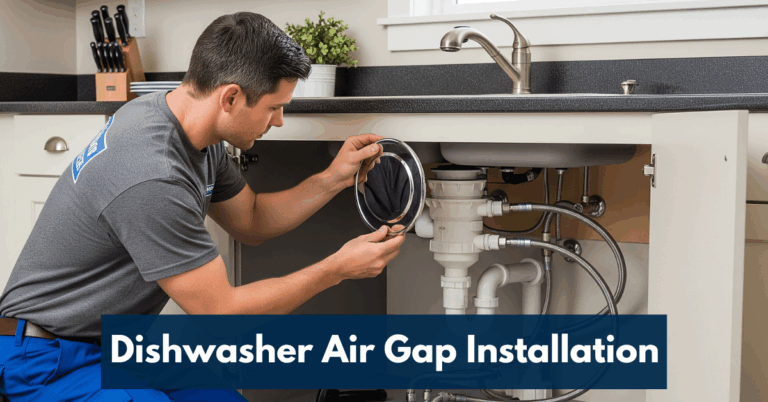
How To Install An Air Gap
Installing an air gap for your dishwasher is a smart move to prevent dirty water from siphoning back into your clean dishes. It might seem technical at first, but with the right tools and clear instructions, you can handle this installation yourself. Let’s break down the process into manageable steps so you feel confident tackling the job.
Tools Needed
- Drill with appropriate bits
- Screwdriver (Phillips and flathead)
- Adjustable wrench or pliers
- Measuring tape
- Pipe cutter or utility knife
- Air gap kit (usually includes the air gap fitting, hoses, and clamps)
- Silicone sealant (optional, for waterproofing)
Having these tools ready before you start will make the installation smoother. Missing a tool halfway can disrupt your momentum and increase frustration.
Step-by-step Guide
First, identify a spot for the air gap on your kitchen sink or countertop, usually near the faucet. The location should be close enough to connect the dishwasher drain hose and the sink drain or garbage disposal.
Drill a hole if there isn’t one already. The diameter of the hole should match the air gap’s specifications, often around 1 1/8 inches. Take care to avoid damaging any underlying pipes or electrical wiring.
Insert the air gap into the hole and secure it with the mounting nut underneath. Make sure it sits firmly and evenly on the surface.
Connect the dishwasher’s drain hose to the smaller inlet on the air gap. This connection is crucial to stop backflow.
Attach the larger outlet hose from the air gap to the garbage disposal or sink drain. Tighten all hose clamps securely to avoid leaks.
Once everything is connected, run your dishwasher and watch the air gap to see if water flows correctly without spilling. If you notice leaks, tighten clamps or add silicone sealant around the base for extra protection.
Have you ever wondered why some dishwashers leak bad smells? Often, it’s because this air gap isn’t installed or working properly. Installing one could solve that problem and keep your kitchen smelling fresh.
Common Plumbing Codes And Regulations
Common plumbing codes and regulations play a vital role in dishwasher installation. These rules ensure safety and prevent water contamination. Local and national codes may differ but share the same goal: protecting your home’s water supply.
Many codes require an air gap or a similar device. This prevents dirty water from flowing back into clean water lines. Ignoring these rules can lead to fines or costly repairs.
Understanding Local Plumbing Codes
Local codes often follow national standards but can have extra requirements. Check with your city or county for specific rules. Some areas mandate an air gap for all dishwashers. Others allow alternatives like high loops.
National Standards And Their Role
The Uniform Plumbing Code (UPC) and International Plumbing Code (IPC) guide most installations. Both recommend using air gaps to avoid cross-contamination. These codes are updated regularly to improve safety.
Consequences Of Non-compliance
Failing to meet plumbing codes can cause serious issues. Contaminated water can harm health and damage appliances. Inspectors may require costly fixes or remove your permit.
Tips For Staying Compliant
- Consult a licensed plumber before installation.
- Review local and national plumbing codes.
- Use approved air gap devices or alternatives.
- Keep documentation of inspections and permits.
Troubleshooting Air Gap Issues
Air gaps are essential for preventing dirty water from flowing back into your dishwasher, but sometimes they can cause issues that disrupt your appliance’s performance. Troubleshooting air gap problems is not as complicated as it seems. With a little attention, you can quickly identify and fix common problems, keeping your dishwasher running smoothly.
Identifying Signs Of A Clogged Air Gap
Is your dishwasher draining slowly or water is pooling in the air gap? These are clear signs that the air gap might be clogged. Food particles, soap scum, and debris can build up inside, blocking the flow of water.
To check, remove the air gap cover and look inside. If you see any visible gunk, that’s likely the cause of the problem. You can usually clear the blockage with a pipe cleaner or a small brush.
Clearing Blockages From The Air Gap
Once you spot a clog, it’s time to clear it out. Detach the hose connected to the air gap and flush it with warm water. Running a thin brush through the hose can also help dislodge stubborn debris.
Sometimes, the blockage is deeper in the hose that leads to the garbage disposal or drain. Make sure to check and clean this section as well. Keeping the air gap and connected hoses clean prevents recurring issues.
Checking For Installation Problems
Incorrect installation can cause air gap troubles too. If water continuously backs up into the air gap, your hose may be kinked or positioned incorrectly.
Ensure the dishwasher drain hose is connected to the air gap properly and that the air gap’s outlet hose leads to the garbage disposal or sink drain without sharp bends. Proper alignment makes a big difference in water flow.
When To Replace The Air Gap
After cleaning and checking the installation, if your air gap still causes issues, it might be time to replace it. Air gaps can wear out or crack over time, leading to leaks or blockages.
Replacing the air gap is a simple, inexpensive fix that can save you from bigger problems down the line. Have you checked the condition of your air gap recently?
Benefits Of Using An Air Gap
Using an air gap for your dishwasher brings several important benefits that protect your kitchen and health. It acts as a safeguard against dirty water flowing back into your clean dishes or drinking supply. Understanding these benefits can help you decide if adding an air gap is the right choice for your home.
Prevents Contamination Of Drinking Water
An air gap stops dirty water from siphoning back into your home’s clean water supply. This means harmful bacteria or debris won’t mix with your drinking water. Have you ever thought about how easily germs could enter your water if backflow occurs? Installing an air gap can give you peace of mind on this issue.
Complies With Plumbing Codes
Many local plumbing codes require an air gap for dishwashers to prevent cross-contamination. This legal requirement ensures safety standards are met in your home. Ignoring this rule could lead to fines or complications when selling your house, so it pays to be compliant.
Reduces Risk Of Dishwasher Damage
Backflow can cause water to stay trapped inside your dishwasher, damaging its internal parts. The air gap stops this by allowing air to break the siphon effect. Protecting your appliance extends its life and saves you from costly repairs.
Keeps Your Kitchen Cleaner
Without an air gap, dirty water might leak or spill back into the sink area, creating unpleasant messes. The air gap directs wastewater safely down the drain, keeping your sink and countertops cleaner. This simple device can make daily kitchen cleanup easier and more hygienic.
Easy To Maintain And Inspect
Air gaps are straightforward to clean and check for blockages. Regular maintenance takes just minutes but prevents major issues. Have you checked your air gap lately? A quick look can ensure it’s working properly and protecting your home effectively.
Air Gap Maintenance Tips
Keeping your dishwasher’s air gap clean and well-maintained is key to preventing drainage issues and unpleasant odors. Regular attention can save you from costly repairs and keep your kitchen running smoothly. Here are some practical tips to help you maintain your air gap effectively.
How To Clean Your Air Gap
Start by removing the decorative cap on the air gap. Use a soft brush or a cloth to clear away any visible debris. Running water through it while cleaning helps flush out trapped particles.
If you notice stubborn buildup, a mixture of vinegar and baking soda can loosen grime. Pour this mixture into the air gap and let it sit for a few minutes before rinsing thoroughly with hot water.
Signs Your Air Gap Needs Attention
Is your dishwasher draining slowly or leaving water behind? These are common signs that the air gap might be clogged. You might also notice a foul smell near the sink or dishwasher area.
Checking your air gap regularly can catch problems early. Don’t wait until you see water backing up in your sink to inspect it.
Preventive Measures For Long-lasting Performance
- Run the dishwasher regularly to prevent stagnant water buildup.
- Keep the sink drain clear to avoid backflow into the air gap.
- Check hoses connected to the air gap for any kinks or leaks.
- Avoid pouring grease or food scraps down the drain to reduce blockages.
Have you ever ignored a small clog only to face a bigger mess later? Regular maintenance of the air gap can help you avoid that scenario altogether.
Credit: callwhitney.com

Credit: www.youtube.com
Frequently Asked Questions
What Is An Air Gap For A Dishwasher?
An air gap is a device that prevents dirty water from flowing back into the dishwasher. It creates a physical break in the drain line, ensuring clean water supply and avoiding contamination. Many local codes require it for safety and hygiene.
Do All Dishwashers Need An Air Gap?
Not all dishwashers require an air gap. Some models include built-in backflow prevention. However, many local plumbing codes mandate an air gap for dishwashers to prevent wastewater contamination and comply with regulations.
Can A Dishwasher Work Without An Air Gap?
Yes, a dishwasher can work without an air gap, but it risks backflow contamination. Without an air gap, dirty water may siphon back into the appliance, causing health hazards and potential damage.
How Does An Air Gap Improve Dishwasher Safety?
An air gap blocks dirty water from re-entering the dishwasher. It ensures wastewater flows out properly and prevents contamination of clean water. This device protects your health and keeps your dishwasher running smoothly.
Conclusion
An air gap helps keep your dishwasher water clean and safe. It stops dirty water from flowing back into the dishwasher. Many local rules require an air gap for proper installation. Installing one is simple and protects your home from leaks and contamination.
Choose a dishwasher setup that includes an air gap for peace of mind. Clean water means cleaner dishes and a healthier kitchen. Don’t skip this small step for a big safety benefit.