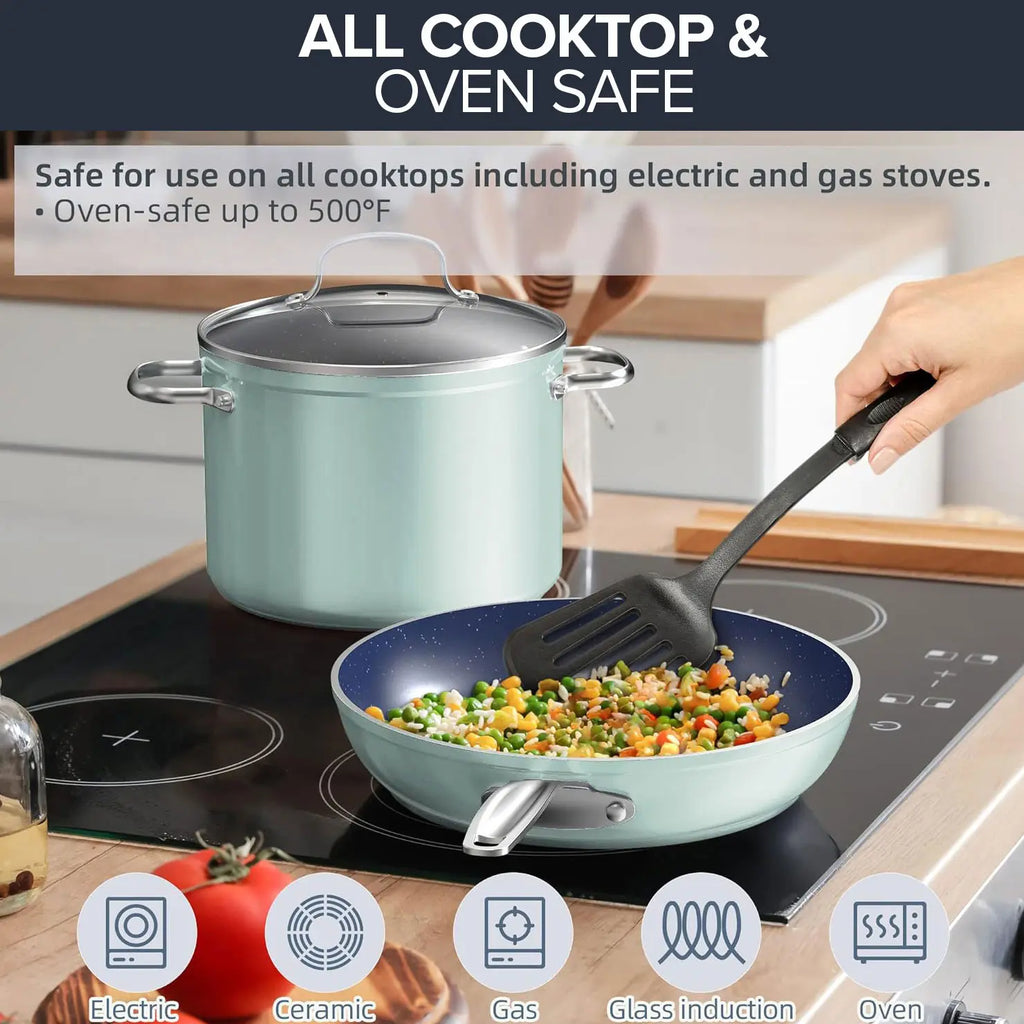
Imagine this: you’ve just invested in a sleek, modern induction cooktop. It promises faster cooking times, energy efficiency, and a safer kitchen environment.
But as you prepare to whip up your favorite meal, a question lingers in your mind: do you need special pots and pans for this new appliance? You’re not alone in this curiosity. Many home cooks find themselves puzzled by the requirements of induction cooking.
The good news? You’re about to discover everything you need to know. Understanding the relationship between induction cooktops and cookware can save you time, money, and frustration. You’ll learn why not all pots and pans are created equal when it comes to induction cooking. By the end, you’ll be equipped with the knowledge to make smart decisions for your kitchen, ensuring that every meal is cooked to perfection. So, let’s dive in and unlock the secrets of induction-compatible cookware.
How Induction Cooktops Work
Induction cooktops use a unique cooking method different from gas or electric stoves. They heat pots and pans directly through magnetic energy, making cooking faster and more efficient.
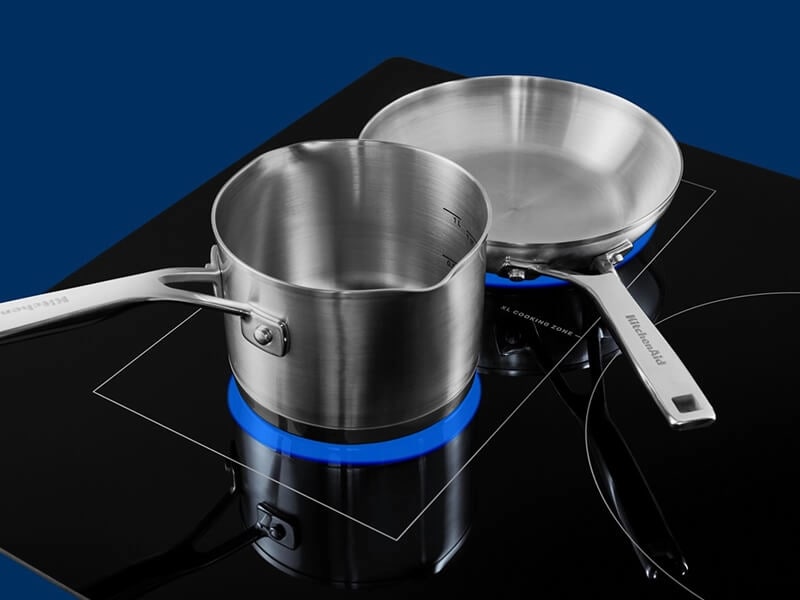
Instead of using a flame or heating element, induction cooktops generate an electromagnetic field. This field creates heat only when it touches cookware made of certain metals. This process heats food quickly and evenly.
Electromagnetic Field Generation
Under the glass surface of an induction cooktop, a coil of copper wire creates a magnetic field. This field changes rapidly as electricity flows through the coil. It stays invisible and cool until it meets the right pan.
Magnetic Cookware Requirement
Cookware must contain iron or other magnetic materials. These metals interact with the magnetic field, causing the pan to heat up. Non-magnetic pots will not heat on an induction cooktop.
Direct Heating Of Cookware
The magnetic field induces electrical currents in the pan. These currents produce heat inside the metal itself. Heat then transfers directly to the food, reducing heat loss and cooking time.
Safety And Efficiency Benefits
- The cooktop surface remains cool except under the pan.
- Energy use is lower because heat goes directly to the pan.
- Temperature changes happen quickly for precise cooking control.

Credit: circulon.uk.com
Materials Compatible With Induction
Induction cooktops require pots and pans made from specific materials. These materials must react to magnetic fields to heat efficiently. Using the right cookware helps save energy and cook food evenly. Knowing which materials work ensures the best cooking results on induction surfaces.
Ferromagnetic Metals
Ferromagnetic metals have magnetic properties needed for induction cooking. These metals create heat directly in the cookware, not on the cooktop.
- Cast iron: Excellent heat retention and perfect for slow cooking.
- Carbon steel: Lightweight and heats quickly, good for searing.
- Magnetic stainless steel: Durable and resistant to rust and corrosion.
Test cookware by placing a magnet on the base. If it sticks well, the pot or pan works with induction cooktops.
Non-compatible Materials
Some materials do not work on induction cooktops as they lack magnetic properties.
- Aluminum: Great conductor but not magnetic, unless layered with magnetic base.
- Copper: Heats evenly but usually not compatible without magnetic layer.
- Glass and ceramic: Do not conduct magnetism and cannot generate heat.
Cookware made from these materials may not heat up or work at all on induction cooktops.
Testing Cookware For Induction
Wondering if your current pots and pans will work on an induction cooktop? Testing your cookware is the best way to find out before making any new purchases. Simple checks can save you money and frustration, ensuring your cooking experience is smooth and efficient.
Magnet Test
Grab a small magnet and hold it against the bottom of your pan. If the magnet sticks firmly, your cookware has the magnetic properties needed for induction cooking.
I once tested an old stainless steel pan this way and was surprised to find it didn’t stick at all, meaning it wouldn’t heat on my new induction cooktop. This quick test prevents guessing and ensures your pots will heat properly.
Manufacturer Labels
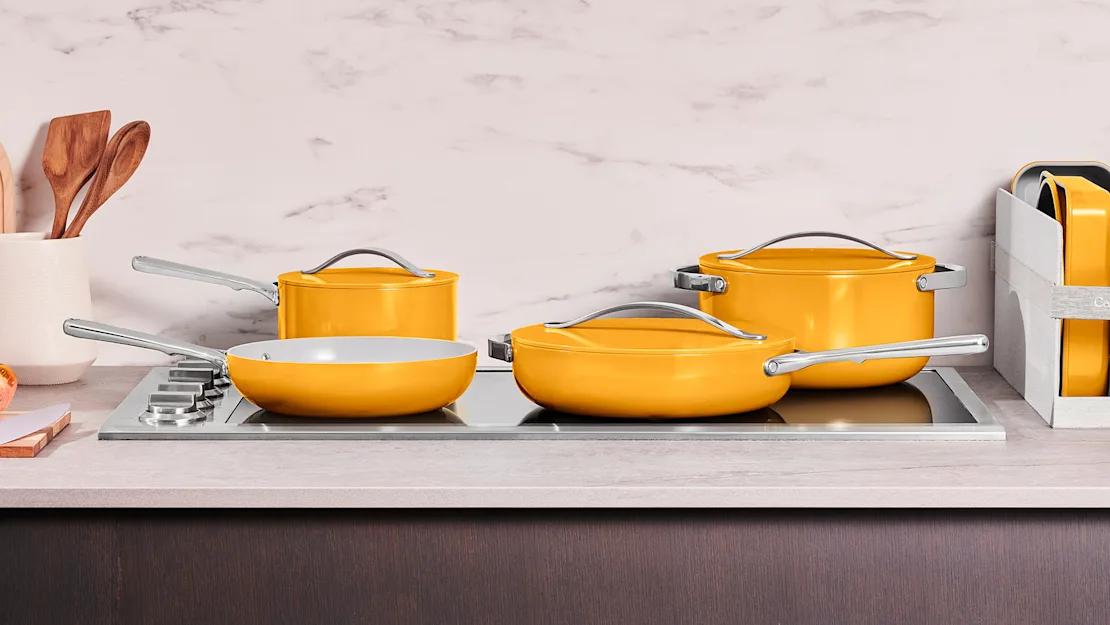
Check the bottom or packaging of your cookware for induction compatibility symbols. Many brands mark their products clearly with words like “induction ready” or an induction coil icon.
If you’re shopping online, product descriptions often include this information. Knowing what to look for can help you avoid buying cookware that won’t work with your induction stove.
Credit: www.carawayhome.com
Benefits Of Using Induction-specific Cookware
Using cookware made for induction cooktops offers many advantages. These pots and pans work best with the magnetic field of induction technology. They heat food faster and more evenly. This improves cooking results and saves energy.
Induction-specific cookware also lasts longer. It resists warping and damage better than other types. The design matches the cooktop’s surface, reducing scratches and wear. This protects both the cookware and the cooktop.
Faster Heating And Energy Efficiency
Induction cookware heats quickly because of magnetic induction. Heat goes directly to the pan, not the air. This cuts down cooking time and energy use. Less heat escapes, making kitchens cooler and safer.
Even Heat Distribution
These pots and pans spread heat evenly. This helps avoid hot spots that burn food. Food cooks thoroughly and tastes better. It also reduces the need to stir constantly.
Durability And Long-lasting Use
Induction cookware often uses strong metals like stainless steel. These materials resist warping and scratching. The pans keep their shape and performance over time. This saves money on replacements.
Protection For Your Cooktop
Cookware made for induction fits the cooktop perfectly. It reduces the risk of scratches and damage. The flat bottom ensures stable contact with the surface. This keeps the cooktop in good condition.
Common Cookware That Works On Induction
Induction cooktops need cookware that can conduct magnetic energy. Not all pots and pans work well on these surfaces. Many common types of cookware do, making cooking easy and efficient. Below are some popular options that suit induction cooking.
Cast Iron
Cast iron is excellent for induction cooktops. It heats evenly and holds heat well. This type of cookware is magnetic, so it starts working immediately on induction surfaces. Cast iron pans can be heavy but last a lifetime. They also add a rustic charm to your kitchen tools.
Stainless Steel
Stainless steel pans often work on induction if they have a magnetic base. Look for cookware labeled as induction-compatible. These pans heat quickly and are easy to clean. Stainless steel is durable and resists rust and stains. It suits many cooking styles and kitchen settings.
Enamel-coated
Enamel-coated cookware usually has a cast iron or steel core. This core makes the pan magnetic and suitable for induction. These pots and pans come in many colors and designs. They combine the benefits of cast iron with a smooth, easy-to-clean surface. Enamel coating also prevents rust and adds style.
Cookware To Avoid On Induction
Not all cookware works well with induction cooktops. Some materials do not react to the magnetic field induction cooktops use. Using the wrong pots or pans can cause slow heating or no heating at all. It is important to know which cookware to avoid to protect your cooktop and cook efficiently.
Aluminum And Copper
Aluminum and copper pots and pans usually do not work on induction surfaces. These metals are not magnetic, so the cooktop cannot detect them. They will not heat up properly on an induction stove.
Some aluminum or copper cookware has a magnetic base layer. These can work, but check the product details before buying. Plain aluminum or copper cookware should be avoided for induction cooking.
Glass And Ceramic
Glass and ceramic cookware do not have magnetic properties. Induction cooktops will not heat these materials. They remain cool and will not cook food.
These materials work well with other cooktops but not induction. Using glass or ceramic on an induction stove wastes energy and time.
Choosing New Pots And Pans For Induction
Choosing new pots and pans for your induction cooktop can feel tricky, especially if you’re used to traditional cookware. But finding the right pieces doesn’t have to be complicated. Understanding what works best with induction technology will save you time and money while improving your cooking experience.
Key Features To Look For
First, ensure your cookware is compatible with induction. This means the base must be magnetic. You can test this quickly by seeing if a magnet sticks to the bottom of the pan.
Look for flat-bottomed pots and pans. This helps maintain full contact with the cooktop surface, ensuring even heating. Thick, heavy bases also distribute heat better and prevent hot spots.
Material matters. Stainless steel, cast iron, and some enamel-coated pans work well. Avoid aluminum or copper unless they have a magnetic layer on the base.
Consider handles too. They should be heat-resistant and securely attached. Comfortable grips make cooking safer and more enjoyable.
Budget Considerations
High-quality induction cookware can be an investment, but you don’t have to overspend. Decide what fits your budget without sacrificing essential features like magnetic compatibility and sturdy construction.
Think about your cooking habits. If you cook often, investing in durable pots and pans makes sense. For occasional use, starter sets with basic features might be enough.
Look for sales or bundle deals. Sometimes, you can get good-quality sets at affordable prices. Also, consider buying individual pieces over time instead of a full set upfront.
Would you rather spend more on a few versatile pots or less on many specialized ones? Your answer will guide your choices and help you build the best collection for your kitchen.
Maintaining Induction Cookware
Maintaining induction cookware helps keep your pots and pans in top shape. Proper care extends their life and preserves cooking performance. Simple habits make a big difference.
Cleaning is key. Use soft sponges and mild dish soap. Avoid abrasive cleaners that can scratch the surface. Wipe the bottom of the cookware regularly to prevent residue buildup. This ensures good contact with the cooktop.
Store cookware carefully. Stack pans with a soft cloth or paper towel between them. This stops scratches and dents. Avoid dropping heavy pots on the cooktop to prevent damage.
Cleaning Tips For Induction Cookware
- Wash with warm water and mild soap immediately after use
- Use non-abrasive sponges or cloths
- Remove burnt food by soaking in warm, soapy water
- Dry pots and pans thoroughly to avoid water spots
Preventing Scratches And Damage
- Lift cookware instead of sliding on the cooktop
- Use utensils made of wood, silicone, or plastic
- Store pans with protective layers between them
- Avoid sudden temperature changes to prevent warping
Seasoning And Care For Cast Iron Induction Pans
- Dry cast iron completely after washing
- Apply a thin layer of cooking oil to the surface
- Heat the pan gently to maintain seasoning
- Do not use soap or harsh scrubbers on seasoned cast iron
Credit: www.maytag.com
Frequently Asked Questions
Do Induction Cooktops Need Special Cookware?
Yes, induction cooktops require pots and pans with magnetic bases. Materials like cast iron and stainless steel work best. Non-magnetic cookware, such as aluminum or glass, won’t heat properly on induction surfaces. Always check for induction compatibility before buying cookware.
How To Test If Cookware Works With Induction?
Place a magnet on the cookware’s base. If it sticks firmly, the pot or pan is induction-compatible. This simple test helps ensure your cookware will heat efficiently on induction cooktops. Avoid cookware without magnetic properties for induction use.
Can I Use Regular Pots On Induction Cooktops?
Regular pots without magnetic bases won’t work on induction cooktops. They won’t generate heat because induction relies on magnetic fields. Using incompatible cookware can damage the cooktop or cause uneven cooking. Invest in induction-ready cookware for best results.
Are All Stainless Steel Pans Compatible With Induction?
Not all stainless steel pans are induction-compatible. Only those with a magnetic layer at the base work on induction cooktops. Check the manufacturer’s details or test with a magnet. This ensures efficient and safe cooking on your induction stove.
Conclusion
Special pots and pans help induction cooktops work best. Cookware must have a magnetic base to heat properly. Not all pots fit this need. Using the right pots saves energy and cooks food evenly. Check your current pots with a magnet test.
Choose cookware labeled for induction cooking to avoid trouble. This small step improves cooking results and protects your cooktop. Simple and smart choices make cooking easier and more fun.