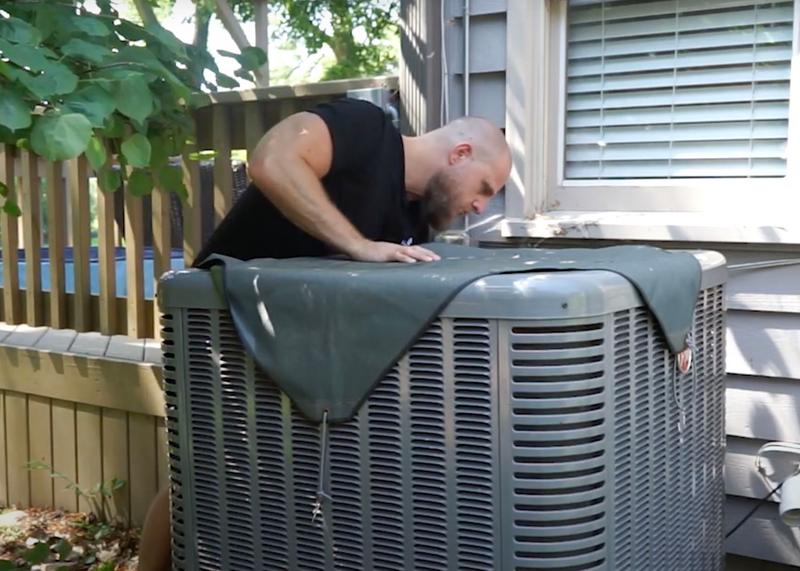
Are you wondering if you should cover your air conditioner when winter comes? It’s a common question that many homeowners face as the cold months approach.
You want to protect your unit, but you’re not sure if covering it is the right move—or if it might even cause harm. You’ll discover the surprising truth about winter air conditioner care. By the end, you’ll know exactly what to do to keep your AC safe and ready for summer without wasting money or time.
Keep reading to find out how to make the best choice for your home and your peace of mind.
Why Covering Matters
Covering your air conditionerin winter helps keep it safe from many problems. Leaves, twigs, and dirt can get inside the unit. This debris can block air flow and damage parts. A cover keeps these things out.
Moisture from rain or snow can harm the air conditioner. Water can cause parts to freeze or stop working well. A cover helps prevent moisture damageby keeping the unit dry.
Rust and corrosion are common problems for outdoor units. Metal parts get weak and break over time. Using a cover reduces rust and corrosion, making the air conditioner last longer and work better in spring.
When To Cover Your Ac
Local climate plays a big role in deciding to cover your air conditioner. In places with mild winters, covering might not be needed. Cold regions with snow and ice benefit from covering the unit to protect it.
Seasonal timing matters too. Covering the AC after the last use of the season keeps it safe. Remove the cover before starting the AC again in spring to avoid moisture build-up.
Look for signs that your AC needs covering:
- Snow or ice buildup around the unit
- Heavy rain or strong winds expected
- Leaves and debris gathering on the AC
Types Of Covers
Plastic coversare common for protecting air conditioners. They keep out rain, snow, and debris. These covers are usually cheap and easy to use. But, they can trap moisture, which may cause rust or mold. Make sure to remove them in warmer weather.
Fabric coversoffer better breathability than plastic ones. They allow air to flow while protecting from dirt and moisture. These covers last longer and reduce mold risks. They are softer and fit more snugly.
Custom-fit optionsare designed to match specific air conditioner models. They provide the best protection and fit tightly. These covers keep out dust, rain, and snow well. Though more expensive, they help extend the unit’s life.

Credit: jobheating.com
Covering Dos And Don’ts
Covering an air conditioner can protect it from dust and debris. Use a breathable cover to avoid moisture build-up. Avoid heavy plastic covers that trap water and cause rust. Always remove the cover before turning the unit on in spring.
Proper installation is key for winter protection. Position the cover so air flows freely. Secure it tightly to prevent wind damage. Make sure no parts are bent or crushed under the cover.
- Avoid covering the unit while it is still wet.
- Do not block vents or fans with the cover.
- Never wrap the unit tightly with plastic or tape.
Maintaining airflow helps prevent mold and rust. Leave space around the unit for air to move. Check the cover regularly for tears or moisture. Replace the cover if it shows signs of wear.
Alternatives To Covering
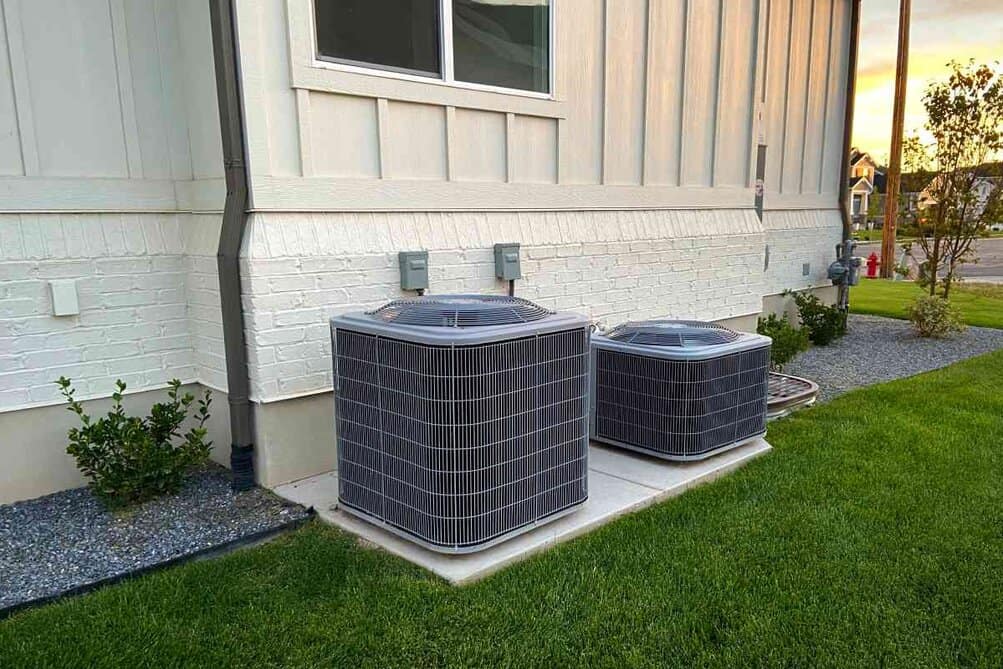
Regular cleaninghelps keep the air conditioner clear of debris. Remove leaves, dirt, and dust from the unit. This prevents blockages and keeps the system ready for use. Clean the fins gently to avoid damage.
Professional maintenanceensures the unit works well. Experts check for problems and fix small issues early. This care can extend the life of the air conditioner and keep it efficient.
- Using a shelter or enclosureprotects the unit from snow and rain.
- Choose covers made for air conditioners to allow airflow.
- Shelters help stop ice build-up but do not trap moisture.
Credit: www.furnaceprices.ca
Impact On Ac Performance
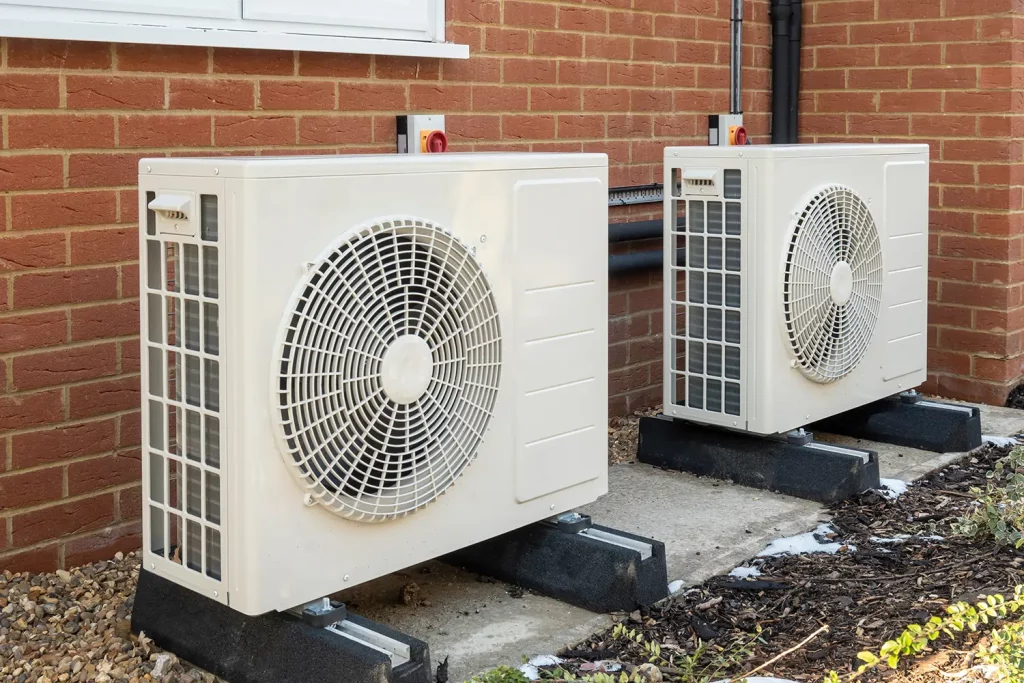
Covering your air conditionerduring winter can affect its energy efficiency. A cover can protect the unit from snow and debris but may trap moisture. Moisture buildup can lead to rust and damage. This can reduce the AC’s lifespan and increase repair costs.
Without proper ventilation, the cover might cause mold and mildewgrowth. These issues hurt the AC’s performance and air quality. It is important to choose a cover that allows air circulationto avoid these risks.
- Protectsfrom snow, leaves, and dirt
- Can trap moistureif not ventilated
- May cause rust and moldinside the unit
- Needs balancebetween protection and airflow
- Improves energy efficiencyif used correctly
Credit: www.mjfrickco.com
Frequently Asked Questions
Should I Cover My Air Conditioner During Winter?
Covering your air conditioner in winter can protect it from debris and harsh weather. However, modern units often have weather-resistant features. Use a breathable cover to avoid moisture buildup and rust. Proper covering helps extend your AC’s lifespan and keeps it clean for spring.
What Type Of Cover Is Best For Ac Units?
A breathable, waterproof cover is best for air conditioners. Avoid plastic covers that trap moisture and cause rust. Look for covers with vents or mesh fabric to allow airflow. Proper covers prevent debris accumulation and protect against snow and ice damage.
Can Covering Ac Cause Moisture Problems?
Yes, covering your AC improperly can trap moisture. Moisture causes rust, mold, and damage to internal components. Use a breathable cover that allows air circulation to prevent condensation. Proper ventilation is key to protecting your unit in winter.
Is It Necessary To Cover Ac In Mild Winters?
In mild winters, covering your AC is optional but still recommended. Covers protect against dust, leaves, and light rain. If snow or ice isn’t an issue, a light cover or tarp can suffice. Covering helps maintain your unit’s cleanliness year-round.
Conclusion
Protecting your air conditioner in winter helps it last longer. Covering it stops dirt, snow, and ice buildup. But use a breathable cover to avoid moisture problems. Keep vents clear to let air flow freely. Taking these simple steps saves money on repairs.
Your AC will be ready and strong for summer. Small care now means fewer issues later. Think of it as a winter blanket for your machine. Easy and smart for every homeowner.