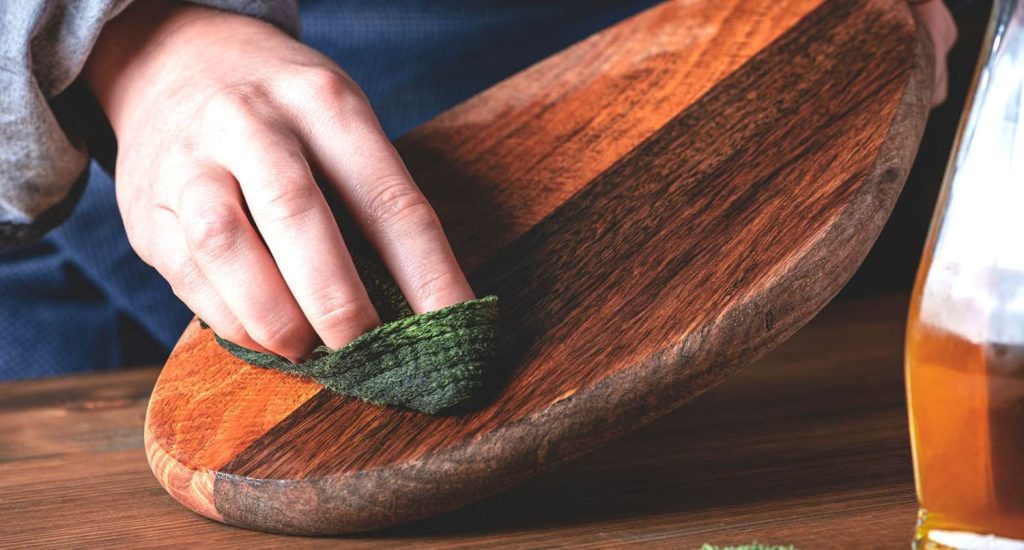
Are you wondering if your bamboo cutting board needs oiling? You’re not alone.
Many people ask this question but don’t get a clear answer. The truth is, how you care for your cutting board can make a big difference in how long it lasts and how safe it is to use. If you want to keep your board looking great and avoid cracks or bacteria buildup, understanding the right care routine is key.
Keep reading to find out exactly what you need to do to protect your bamboo cutting board and get the most from it every time you cook.

Credit: www.amazon.com
Benefits Of Oiling Bamboo Boards
Oiling bamboo cutting boards keeps them in good shape. It helps protect the wood and makes the board last longer.
Regular oiling stops damage and keeps the board looking fresh. It is a simple way to care for your bamboo board.
Enhances Durability
Oiling bamboo boards makes the surface stronger. The oil fills the pores and protects the wood from wear.
This added layer helps the board resist scratches and stains. It keeps the board useful for a longer time.
Prevents Cracks And Splits
Bamboo can dry out and crack if not cared for. Oiling adds moisture and stops the wood from splitting.
It keeps the board flexible and strong. This reduces the chance of cracks from regular use.
Maintains Natural Appearance
Oiling bamboo boards keeps their natural color and shine. It stops the wood from looking dull or faded.
The oil brings out the wood’s grain and texture. This keeps the board looking nice and fresh.

Credit: www.amazon.com
Choosing The Right Oil
Oiling bamboo cutting boards keeps them strong and water-resistant. The right oil protects the wood from cracking and drying out.
Picking a safe and effective oil is important. Some oils work better for bamboo and food contact than others.
Food-safe Oils To Consider
Use oils that do not go bad or turn sticky. These oils keep your cutting board safe and last longer.
- Mineral oil: It is odorless and clear. It does not spoil and is easy to find.
- Coconut oil: Choose refined coconut oil. It resists rancidity well.
- Walnut oil: A natural drying oil that hardens over time. Avoid if you have nut allergies.
- Beeswax blends: Often mixed with mineral oil for extra protection and shine.
Oils To Avoid
Some oils can spoil or harm your cutting board. They may leave a sticky or rancid smell.
| Oil Type | Reason to Avoid |
| Vegetable oils (e.g., olive, canola) | They can turn rancid and smell bad over time. |
| Animal fats (e.g., lard, butter) | They spoil quickly and can grow bacteria. |
| Flaxseed oil | It dries hard but can flake and crack on bamboo. |
| Essential oils | Not safe for food contact and can cause irritation. |
How Often To Oil Bamboo Boards
Bamboo cutting boards are strong and last long. Oiling keeps them safe and clean.
It is important to oil bamboo boards regularly. This stops cracks and warping.
Signs Your Board Needs Oiling
Your bamboo board shows signs when it needs oil. Watch for dry or faded spots.
Cracks or rough surfaces mean the board needs oil. Water may soak in fast too.
- The board looks dry or dull
- Small cracks appear on the surface
- Water no longer beads on the board
- The surface feels rough or uneven
Recommended Oiling Frequency
Oiling bamboo boards every month is a good rule. This keeps the board strong.
If you use the board daily, oil it twice a month. Less use means oiling every two months.
- Use board daily: oil every 2 weeks
- Use board weekly: oil every month
- Use board less often: oil every 2 months

Credit: cheesegrotto.com
Step-by-step Oiling Process
Oiling bamboo cutting boards keeps them strong and looking nice. It stops the wood from drying out and cracking. Follow these steps to oil your board properly.
This guide shows how to clean, apply oil, and dry your bamboo cutting board. Doing this will help your board last longer.
Cleaning Before Oiling
Clean the board well before oiling. Remove any food bits and stains. Use warm water and mild soap to wash it. Avoid soaking the board in water.
Dry the board completely with a clean towel. Let it air dry if needed. Make sure no moisture remains before you start oiling.
Applying The Oil
Choose a food-safe oil like mineral oil or bamboo board oil. Pour a small amount on the board’s surface. Use a clean cloth or paper towel to spread the oil evenly.
- Apply oil in the direction of the bamboo grain
- Cover all sides, including edges
- Use enough oil to soak in but not pool
Drying And Buffing
Let the board sit for several hours or overnight. This gives the oil time to soak into the bamboo. Avoid using the board while it dries.
After drying, use a clean, dry cloth to buff the surface. Buffing removes extra oil and gives a smooth finish. Your bamboo board is now protected and ready to use.
Additional Bamboo Board Care Tips
Taking care of your bamboo cutting board helps it last longer. Proper care keeps the board safe and clean for food use.
Besides oiling, there are other ways to keep your bamboo board in great shape. These tips will guide you through cleaning, moisture control, and storage.
Proper Cleaning Techniques
Clean your bamboo board right after use. Avoid soaking it in water to prevent damage. Use mild soap and warm water with a soft sponge.
- Rinse the board with warm water after use
- Use gentle soap and a soft cloth or sponge
- Do not put the board in a dishwasher
- Dry it immediately with a clean towel
Avoiding Excess Moisture
Too much water can cause your bamboo board to crack or warp. Keep it dry and never leave it wet for long periods.
- Do not soak the board in water
- Wipe off any standing water right away
- Oil the board regularly to protect it from moisture
- Let the board air dry standing up or on a rack
Storage Recommendations
Store your bamboo board in a dry place with good air flow. Avoid stacking heavy items on top to prevent damage.
- Keep the board upright or flat in a dry area
- Avoid storing near heat sources or direct sunlight
- Do not stack wet boards together
- Use a board stand or rack if possible
When Not To Oil Bamboo Boards
Oiling bamboo cutting boards helps keep them in good shape. But there are times you should not oil them. Knowing when to avoid oiling stops damage and keeps your board safe.
Too much oil or oil at the wrong time can cause problems. It is important to understand these signs and find other ways to care for your board.
Signs Of Over-oiling
Over-oiling happens when you add too much oil or oil too often. This can make the surface sticky or soft. The board may also smell oily or show dark spots.
- The board feels sticky or greasy after drying
- Soft or spongy spots appear on the surface
- Dark stains or discoloration form
- The board has a strong oily smell
If you see these signs, stop oiling. Let the board dry well before using it again.
Alternatives To Oiling
You do not always need to oil bamboo boards. Cleaning them well and drying quickly can help. Use mild soap and warm water to clean the board.
After washing, dry the board with a towel and stand it up to air dry. This stops water damage without oil. You can also use beeswax to protect the surface.
- Wash with mild soap and warm water
- Dry the board immediately after washing
- Store in a dry place away from heat
- Apply beeswax for natural protection
Frequently Asked Questions
Why Should You Oil Bamboo Cutting Boards?
Oiling bamboo cutting boards prevents them from drying out and cracking. It maintains their appearance and prolongs their lifespan. Regular oiling also helps in creating a protective barrier. This barrier repels moisture and prevents stains and odors. It ensures your cutting board remains hygienic and looks new.
How Often Should Bamboo Boards Be Oiled?
Oil bamboo cutting boards every month or when they appear dry. Regular oiling keeps them in optimal condition. It prevents cracking and warping caused by moisture. Frequent use may require more frequent oiling. Monitor your board’s condition to determine the best schedule.
What Type Of Oil Is Best For Bamboo?
Use food-grade mineral oil for bamboo cutting boards. It’s safe and doesn’t go rancid. Mineral oil penetrates well, protecting and conditioning the board. Avoid vegetable oils as they can spoil and create odors. Consistent use of mineral oil keeps your board looking great.
Can Coconut Oil Be Used On Bamboo Boards?
Coconut oil can be used but is not ideal. It can go rancid over time. Food-grade mineral oil is preferred as it doesn’t spoil. However, if you choose coconut oil, ensure it’s fractionated. Fractionated oil has a longer shelf life and won’t spoil as quickly.
Conclusion
Oiling bamboo cutting boards keeps them strong and long-lasting. It stops cracks and warping caused by water. Regular oiling also helps prevent stains and bad smells. Use food-safe mineral oil for best results. Apply oil once a month or when the board looks dry.
A well-oiled board stays smooth and safe for food. Taking care of your bamboo board is simple and worth it. Your kitchen tools will thank you with better performance. Easy steps make a big difference in board care.