
Are you wondering if your beef jerky needs to be refrigerated? It’s a common question that can save you from wasting tasty snacks or risking food safety.
You might think jerky lasts forever on the shelf, but the truth depends on a few key factors. Keep reading to discover exactly when you should refrigerate your beef jerky and how to keep it fresh and delicious every time you reach for a bite.
Your next snack could be safer and better than ever with just a simple step.
Beef Jerky Basics
Understanding beef jerky starts with the basics. This snack has been popular for centuries due to its long shelf life and rich flavor. Knowing what beef jerky is and how it is made helps you appreciate why it sometimes needs refrigeration and when it does not.
What Is Beef Jerky
Beef jerky is dried, seasoned meat. It has very low moisture content, which stops bacteria growth. This drying process makes jerky last longer without spoiling. People enjoy it as a high-protein snack that is easy to carry and store.
How Beef Jerky Is Made
Beef jerky starts with lean cuts of beef. The meat is trimmed to remove fat. Fat can spoil faster, so it is taken out.
Next, the meat is sliced into thin strips. These strips are marinated in spices and salt. Salt helps preserve the meat and adds flavor.
After marinating, the beef strips are dried. Drying happens in a smoker, oven, or dehydrator. The goal is to remove moisture while keeping the meat chewy.
This process creates a tasty, long-lasting snack. The low moisture and salt content keep the jerky safe to eat for a long time.
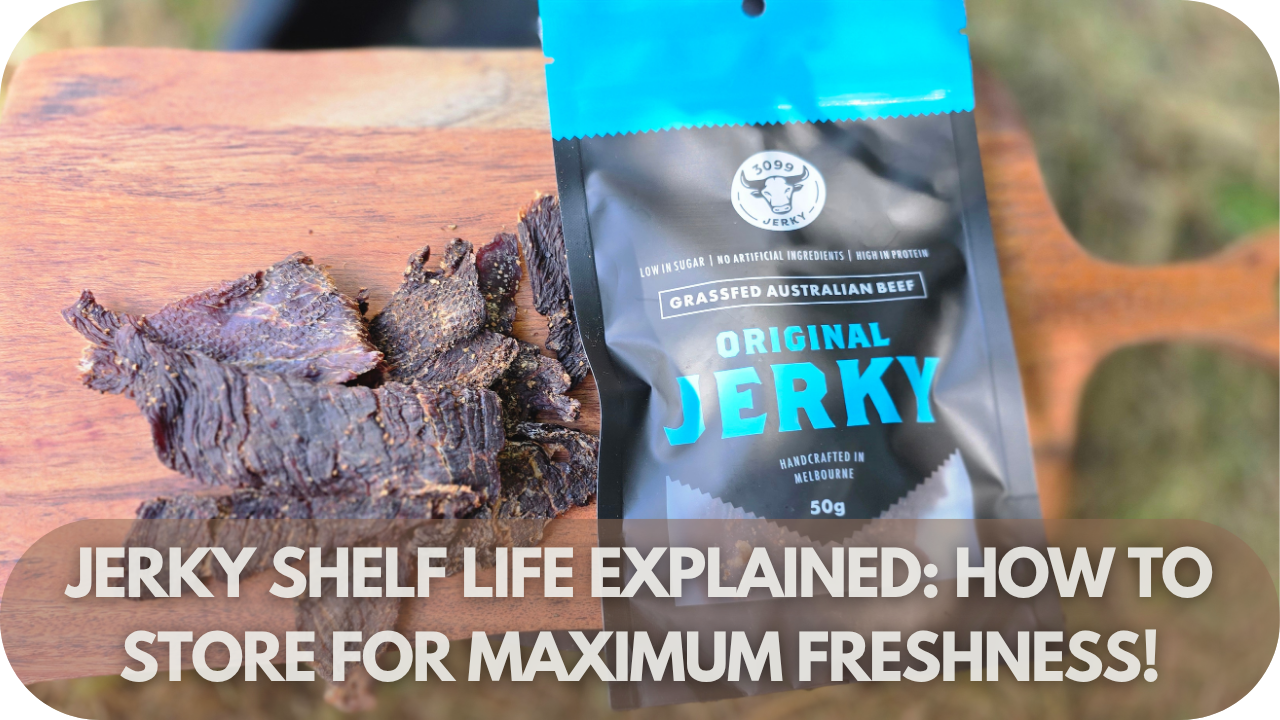
Credit: 3099jerky.com
Storage Factors
Understanding the key storage factors for beef jerky can help you keep it fresh and tasty for longer. Several elements affect whether you need to refrigerate your jerky or if it can safely stay on the shelf. Let’s break down the main factors that influence how you should store your beef jerky.
Moisture Content
The moisture level in beef jerky plays a huge role in its shelf life. Jerky with higher moisture content tends to spoil faster and usually requires refrigeration. On the other hand, traditional dry jerky with very low moisture can often be stored at room temperature without worry.
Have you ever noticed how some jerky feels a bit softer or chewier? That often means more moisture is present, which can invite bacteria growth if not kept cool. Always check the texture before deciding how to store your jerky.
Packaging Types
Packaging is another crucial factor in jerky storage. Vacuum-sealed bags remove air, slowing down spoilage and allowing jerky to stay fresh longer without refrigeration. Resealable pouches, while convenient, might let in air and moisture, reducing shelf life if not stored properly.
Think about your own jerky stash—does it come in a vacuum-sealed pack or a simple plastic bag? This difference can affect how long your jerky stays safe to eat on your counter or in your backpack.
Preservatives In Jerky
Preservatives like salt, sugar, and nitrates help keep jerky safe by inhibiting bacterial growth. Jerky with added preservatives usually lasts longer outside the fridge compared to preservative-free varieties. Check the ingredient list to understand what’s inside your jerky.
If you prefer natural jerky without preservatives, consider refrigerating it to extend its freshness. Have you ever tried homemade jerky? It often lacks preservatives and needs cooler storage to avoid going bad quickly.
When To Refrigerate
Knowing when to refrigerate beef jerky can save you from unpleasant surprises and keep your snack fresh longer. The decision depends on how the jerky is stored, whether it’s opened or unopened, and if it’s homemade or store-bought. Understanding these factors helps you enjoy jerky safely and at its best flavor.
Unopened Jerky
Unopened beef jerky that’s vacuum-sealed or packaged in airtight bags generally doesn’t need refrigeration. The preservatives and drying process keep it safe at room temperature for weeks or even months. However, check the packaging for any specific storage instructions, as some brands may recommend refrigeration for best quality.
If you live in a very hot or humid climate, storing unopened jerky in the fridge can prevent spoilage. Have you ever noticed a difference in taste or texture between jerky stored on a shelf versus in the fridge? Try comparing them yourself to see what works best for you.
Opened Jerky
Once you open the package, the clock starts ticking on freshness. Exposure to air and moisture can cause jerky to dry out or grow mold if left out too long. It’s best to refrigerate opened jerky if you don’t plan to finish it within a few days.
To keep it fresh, store opened jerky in an airtight container or resealable plastic bag before refrigerating. This simple step helps lock in flavor and prevents the jerky from becoming tough or stale. How long you store it in the fridge can vary, but generally, a week or two is safe.
Homemade Vs. Store-bought
Homemade beef jerky often lacks the preservatives found in commercial products, so refrigeration is usually necessary right after drying. Without those added ingredients, homemade jerky can spoil faster, especially if not dried thoroughly. When you make jerky at home, consider refrigerating or freezing portions to extend shelf life.
Store-bought jerky, on the other hand, often contains preservatives like sodium nitrite that help keep it stable at room temperature. Still, if you want the best texture and flavor, refrigerating after opening is a good habit. Have you tried making your own jerky? It might change how you think about storing it!
Shelf Life Expectations
Understanding the shelf life of beef jerky is key to enjoying it safely and at its best. Shelf life depends on storage conditions and packaging. Proper storage keeps jerky tasty and free from spoilage. Here’s what to expect for different storage methods and how to spot when jerky goes bad.
Room Temperature Storage
Beef jerky stored at room temperature lasts about 1 to 2 months. Keep it in a cool, dry place away from sunlight. Use airtight containers or sealed bags to prevent moisture and air exposure. Homemade jerky may have a shorter shelf life than commercial products. Always check the package instructions for specific storage guidelines.
Refrigerated Storage
Refrigerating beef jerky extends its freshness up to 3 to 6 months. The cold temperature slows down mold and bacteria growth. Store jerky in sealed containers or vacuum-sealed bags to keep moisture out. Refrigeration is ideal for homemade jerky or opened packages. Avoid freezing as it can affect texture and flavor.
Signs Of Spoilage
Look for changes in color, texture, or smell to detect spoilage. Spoiled jerky may turn darker or develop white spots of mold. It might feel sticky or slimy instead of dry. A sour or off smell is a clear sign of spoilage. Discard any jerky showing these signs to avoid foodborne illness.
Best Storage Practices
Storing beef jerky properly is key to keeping its flavor and texture intact. You want to avoid moisture and air exposure as much as possible to prevent spoilage. Let’s look at some practical storage tips that can help your jerky stay fresh longer and taste better every time you reach for a snack.
Sealing Techniques
Air is the enemy of beef jerky freshness. Use airtight containers or resealable plastic bags to keep air out. If you don’t have a vacuum sealer, press out as much air as possible before sealing the bag.
Consider using clip seals or rubber bands to secure the opening tightly. Even a small gap can let moisture in and cause your jerky to become soft or moldy faster.
Ideal Temperature And Humidity
Store your beef jerky in a cool, dry place away from direct sunlight. Ideal storage temperature is below 70°F (21°C). Higher temperatures can speed up spoilage and reduce shelf life.
Humidity is just as important. Keep jerky in a low-humidity environment to prevent it from absorbing moisture. Have you checked how dry your pantry or storage area really is?
Using Vacuum Sealers
Vacuum sealers remove air completely, which significantly extends the shelf life of beef jerky. This method preserves flavor and prevents oxidation.
If you make jerky often, investing in a vacuum sealer can save you money and reduce waste over time. Just remember to label your sealed bags with the date to keep track of freshness.

Credit: 3099jerky.com
Common Mistakes
Many people struggle with storing beef jerky properly, leading to spoilage and wasted snacks. Understanding common mistakes can save you money and keep your jerky tasty. Let’s look at the pitfalls that often cause jerky to go bad faster than it should.
Ignoring Storage Instructions
Have you ever tossed beef jerky into a random drawer without checking the package? That’s a big mistake. Storage instructions are there for a reason—they guide you on whether to refrigerate or keep it at room temperature.
Jerky labeled as “vacuum-sealed” might not need refrigeration until opened. But once opened, it usually requires a cool, dry place or refrigeration. Ignoring these instructions can lead to mold or bacterial growth, ruining your snack.
Exposing Jerky To Air
Leaving your jerky out in the open or in loosely closed bags invites air, moisture, and contaminants to spoil it. Air exposure causes the jerky to dry out too much or become soft and moldy.
I once left a pack open on my kitchen counter, and within days, it tasted stale and lost its chewy texture. Always seal your jerky tightly in airtight containers or resealable bags to maintain freshness.
Incorrect Refrigeration
Refrigerating jerky doesn’t mean just putting it anywhere in the fridge. Storing it near strong-smelling foods can transfer odors and affect the taste. Also, jerky can absorb moisture if not sealed properly, making it soggy.
Keep jerky in a dedicated airtight container or vacuum-sealed bag before refrigerating. This prevents unwanted moisture and odor contamination, keeping your jerky delicious and safe to eat.
Travel And Outdoor Tips
Beef jerky is a popular snack for travelers and outdoor lovers. It provides a quick, protein-rich bite without needing refrigeration. Still, keeping it fresh during trips matters. Proper packing and storage help maintain its taste and texture.
Packing Jerky For Trips
Use airtight containers or resealable plastic bags to pack jerky. These prevent moisture and air from spoiling it. Vacuum-sealed packs are best for long trips. Carry smaller portions to avoid opening the whole pack frequently. This reduces exposure to air and bacteria.
Keeping Jerky Fresh Outdoors
Store jerky in a cool, dry place away from direct sunlight. Heat and humidity can cause it to spoil faster. Use insulated lunch bags or coolers if the weather is hot. Avoid leaving jerky in cars or tents for long hours. Check jerky for any strange smell or texture before eating.

Credit: khobocali.com
Frequently Asked Questions
Do You Need To Refrigerate Homemade Beef Jerky?
Homemade beef jerky should be refrigerated to maintain freshness. Proper refrigeration slows bacterial growth and prevents spoilage. Store it in an airtight container or vacuum-sealed bag. If kept at room temperature, consume within a few days to avoid food safety risks.
How Long Does Beef Jerky Last Without Refrigeration?
Unopened commercial beef jerky can last 1-2 months at room temperature. Once opened, consume it within a week or refrigerate. Homemade jerky lasts shorter without refrigeration, typically a few days. Always check for signs of spoilage before eating.
Can Refrigeration Improve Beef Jerky’s Shelf Life?
Yes, refrigeration can extend beef jerky’s shelf life significantly. It helps keep the jerky fresh for up to 3-6 months. Keep it in an airtight container to avoid moisture absorption. Refrigeration slows bacteria and mold growth, enhancing safety and taste.
Is It Safe To Store Beef Jerky In The Freezer?
Freezing beef jerky is safe and extends shelf life beyond six months. Freeze it in airtight bags to prevent freezer burn. Thaw jerky at room temperature before eating. Freezing preserves flavor and texture without compromising quality.
Conclusion
Beef jerky storage depends on how it’s made and packaged. Commercially packaged jerky usually stays fine at room temperature. Homemade jerky often needs refrigeration to stay fresh. Check packaging for storage instructions. Proper storage keeps jerky tasty and safe. Keep moisture away to prevent spoilage.
Enjoy your jerky with peace of mind. Always ensure it’s stored correctly. Remember, freshness matters. Enjoy your snack!