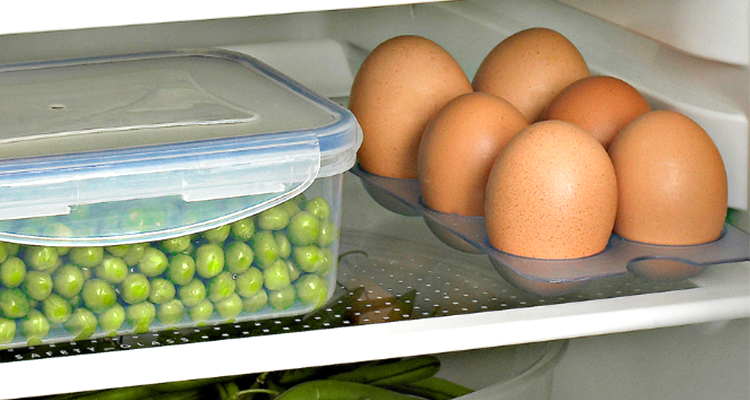
Do you ever stand in your kitchen, holding a carton of fresh eggs, and wonder if they need to go into the fridge? It’s a common question that might have you scratching your head.
You want to keep your eggs as fresh as possible, but with so many opinions out there, it’s easy to feel overwhelmed. This simple decision could impact your food’s taste, quality, and safety. Imagine the peace of mind knowing you’ve stored your eggs perfectly, ensuring your meals are delicious and your family is safe.
Get ready to crack the mystery of egg storage as we dive into whether you should refrigerate fresh eggs.

Credit: grubblyfarms.com
Egg Storage Practices Worldwide
Egg storage practices vary widely around the world, and this difference often surprises many. Whether you find eggs in the fridge or sitting on a countertop, it largely depends on how eggs are processed and handled in each country. Understanding these practices can help you decide the best way to store eggs at home and keep them fresh longer.
Why Some Countries Refrigerate Eggs
In countries like the United States, Canada, and Japan, eggs are washed and sanitized before sale. This cleaning process removes the natural protective layer on the shell, making eggs more vulnerable to bacteria like Salmonella.
Because of this, refrigeration is necessary to slow down bacterial growth and keep eggs safe to eat. You might notice that in these countries, grocery stores always keep eggs chilled, and so do most households.
Have you ever wondered why your eggs feel cold as soon as you buy them? This is why—refrigeration is a key step in their safety and freshness.
Why Others Keep Eggs At Room Temperature
In many European countries, eggs are not washed before sale. This keeps the natural protective coating intact, which helps prevent bacteria from entering the egg.
Because of this, eggs can be safely stored at room temperature without spoiling quickly. You’ll often see eggs displayed on open shelves in markets rather than in refrigerated cases.
Storing eggs at room temperature might feel unusual if you’re used to refrigeration, but it works well where the eggs’ protective layer remains. Do you think you could trust eggs on your countertop without worrying about freshness?
Eggshell Protection And Freshness
Understanding how eggshells protect your fresh eggs and maintain their freshness can change how you store them. The eggshell is not just a hard cover; it plays a key role in keeping the egg fresh by acting as a natural barrier against bacteria and moisture loss. Let’s take a closer look at what makes this protection effective and what happens when this natural shield is altered.
Natural Coating On Fresh Eggs
Fresh eggs come with a thin, invisible coating called the “bloom” or “cuticle.” This layer seals the pores on the eggshell, preventing bacteria from entering and reducing moisture loss.
This natural coating helps eggs stay fresh longer without refrigeration, especially if you collect eggs daily. Have you noticed how farm-fresh eggs often seem better preserved than store-bought ones? That’s largely due to this protective film.
Keeping this coating intact is crucial if you want to store eggs at room temperature safely. It acts like nature’s own freshness guard.
Impact Of Washing On Shell Quality
Washing eggs can remove the protective bloom, exposing the shell’s pores. This makes the egg more vulnerable to bacteria and speeds up moisture loss, which can cause eggs to spoil faster.
In many countries, eggs are washed before sale, which is why refrigeration is necessary to slow bacterial growth. If you get fresh eggs directly from a farm and wash them, you should refrigerate them immediately.
To keep your eggs fresher longer, avoid washing them until just before use. If washing is unavoidable, use warm water and dry eggs thoroughly to minimize damage.
Benefits Of Refrigerating Eggs
Refrigerating fresh eggs offers several important benefits that help keep them safe and fresh. Cooling eggs slows down processes that cause spoilage and foodborne illness. It also helps maintain their quality for longer periods.
Slowing Bacterial Growth
Cold temperatures stop harmful bacteria from multiplying on eggshells. This reduces the risk of food poisoning. Bacteria like Salmonella grow much slower in the fridge. Keeping eggs cold helps protect your health.
Extending Shelf Life
Refrigeration keeps eggs fresh for weeks beyond room temperature storage. It slows down natural aging and moisture loss. Eggs stored in the fridge stay firm and tasty longer. This reduces food waste and saves money.
When To Keep Eggs Out Of The Fridge
Knowing when to keep eggs out of the fridge helps maintain their freshness. Fresh eggs from local farms often do not need refrigeration right away. In some countries, eggs are stored at room temperature without safety issues. The key lies in understanding short-term storage and ideal room conditions.
Short-term Storage Tips
- Store eggs in a cool, dry place away from sunlight.
- Keep eggs in their original carton to protect them.
- Avoid washing eggs before storing; it removes natural protective coating.
- Use eggs within one week for best quality without refrigeration.
- Check eggs by placing them in water; fresh eggs sink.
Ideal Room Temperature Conditions
- Keep room temperature between 50°F and 68°F (10°C to 20°C).
- Avoid places with high humidity to prevent mold growth.
- Do not store eggs near strong odors; they absorb smells easily.
- Keep eggs away from heat sources like ovens or direct sunlight.
Best Practices For Refrigerating Eggs
Proper storage extends the freshness of eggs and keeps them safe to eat. Refrigerating eggs correctly slows bacterial growth and maintains quality. Knowing how to store eggs inside your fridge helps avoid spoilage and odor issues.
Where To Place Eggs In The Fridge
Store eggs in the main body of the fridge, not the door. The temperature in the door changes often due to opening and closing. The coldest and most stable spot is on a middle or lower shelf. Keep eggs in their original carton to protect them from damage and moisture loss.
Avoiding Odor Absorption
Eggs can absorb strong smells from other foods. Always keep eggs in a sealed carton or container. Avoid storing eggs near onions, garlic, or fish. This keeps eggs tasting fresh and free from unwanted flavors.

Credit: www.youtube.com
Signs Of Spoiled Eggs
Knowing the signs of spoiled eggs is essential to avoid unpleasant surprises in your kitchen. Fresh eggs can sometimes go bad without obvious warning, so it’s important to check them carefully before use. Paying attention to visual cues, smell, and texture can save you from using eggs that might cause foodborne illness.
Visual Indicators
Look closely at the eggshell first. If you see cracks, slimy residue, or powdery spots, these are red flags. A slimy shell suggests bacterial growth, while powdery white or green patches indicate mold.
After cracking the egg, check the yolk and white. A fresh egg has a bright, round yolk and clear egg white. If the yolk looks flat or discolored, or the white is cloudy or watery, it’s better not to use it.
Smell And Texture Changes
The smell test is one of the most reliable ways to spot a bad egg. A rotten egg gives off a strong sulfur or rotten cabbage odor immediately after cracking. If you detect any odd smell, don’t ignore it—discard the egg.
Texture matters too. Fresh egg whites are thick and slightly sticky. If the egg white is runny or the yolk breaks easily, these changes can indicate spoilage. Have you ever cracked an egg and noticed it behaved oddly? That’s your cue to toss it out.
Tips To Maintain Egg Freshness
Keeping your eggs fresh requires more than just tossing them in the fridge. The way you handle and store them can make a big difference in how long they last and how safe they are to eat. Small habits in your kitchen can extend their freshness and avoid waste.
Handling And Cleaning Eggs
Always handle eggs gently to avoid cracks. Cracks let bacteria in and spoil eggs faster.
If you must clean eggs, use a dry or slightly damp cloth instead of washing them under running water. Washing can remove the natural protective layer, making eggs more vulnerable to bacteria.
Do you remember the last time you washed eggs before storing? Try skipping this next time and notice if they stay fresher longer.
Proper Packaging Methods
Keep eggs in their original carton. The carton protects eggs from absorbing strong odors and flavors from other foods.
Store eggs with the pointed end down. This keeps the yolk centered and preserves freshness.
If you buy loose eggs, place them in a clean container with a lid to shield them from moisture and contaminants.
Have you ever tried storing eggs outside the carton? You might want to compare how they hold up with and without it.
:max_bytes(150000):strip_icc()/GettyImages-1823899585-9e4a4d85e8e9458d9dee6acdd561901c.jpg)
Credit: www.allrecipes.com
Frequently Asked Questions
Should Fresh Eggs Be Refrigerated Immediately?
Fresh eggs should be refrigerated to maintain freshness and prevent bacteria growth. Refrigeration slows down spoilage and extends shelf life. If eggs are washed or store-bought, refrigeration is essential. Unwashed farm eggs can be stored at room temperature for a short time but refrigeration is safer.
How Long Can Fresh Eggs Stay Unrefrigerated?
Fresh, unwashed eggs can stay unrefrigerated for about 1-2 weeks in a cool, dry place. However, refrigeration is recommended after this period to avoid bacterial contamination and preserve quality. Store-bought eggs should always be refrigerated due to commercial washing and handling processes.
Does Refrigeration Affect Fresh Eggs’ Taste?
Refrigeration does not negatively affect the taste of fresh eggs. It helps retain freshness and quality. Properly refrigerated eggs maintain their texture and flavor longer than eggs stored at room temperature. For best taste, use eggs within their recommended shelf life.
Why Do Some Countries Not Refrigerate Eggs?
Some countries do not refrigerate eggs because their eggs are unwashed, preserving the natural protective coating. This coating prevents bacteria from entering and allows room temperature storage. In contrast, countries that wash eggs must refrigerate them to prevent contamination and spoilage.
Conclusion
Fresh eggs can stay good without refrigeration for some time. Store them in a cool, dry place away from direct sunlight. Washing eggs removes their natural coating, so refrigerate washed eggs to keep them fresh. Cold eggs last longer and reduce the risk of bacteria.
Remember, local climate and egg type affect storage choices. Check eggs before use by cracking them open. Clear whites and firm yolks mean freshness. Keep eggs safe and enjoy their taste, no matter where you live or how you store them.
Simple steps make a big difference.