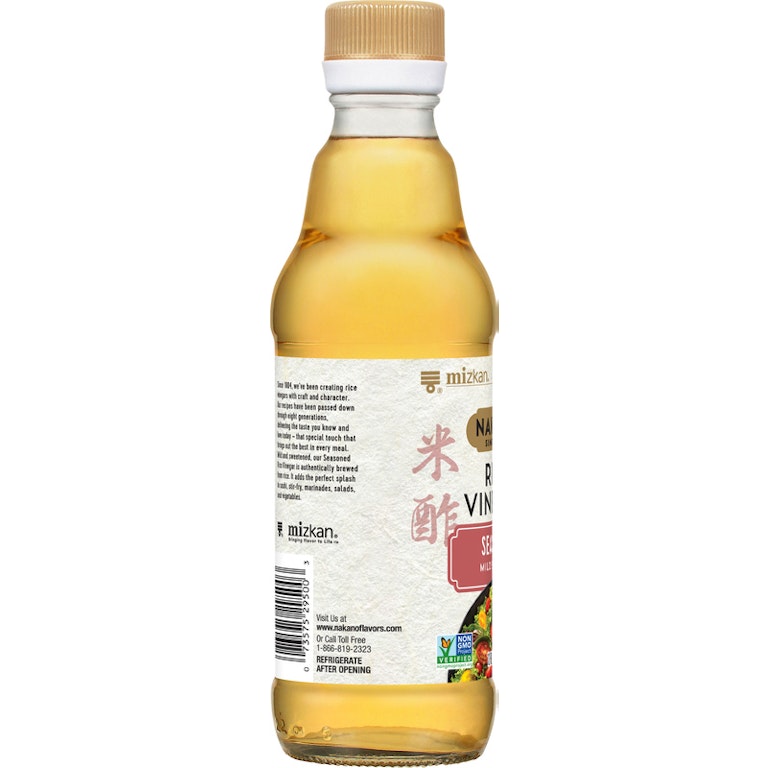
Have you ever wondered if you should refrigerate rice vinegar after opening it? You’re not alone.
Many people aren’t sure how to store this pantry staple properly. The way you keep your rice vinegar can affect its flavor and shelf life. If you want to make sure your vinegar stays fresh and tasty, keep reading. We’ll clear up the confusion and give you simple tips you can use right away.
Credit: www.raleys.com
Rice Vinegar Basics
Understanding the basics of rice vinegar is key before deciding how to store it after opening. Rice vinegar is a staple in many kitchens, known for its mild and slightly sweet flavor. Knowing what it is and how you can use it will help you make the best choice for your pantry or fridge.
What Is Rice Vinegar?
Rice vinegar is a type of vinegar made from fermented rice. It has a gentle acidity compared to other vinegars like white or apple cider vinegar. Its subtle flavor makes it a favorite in Asian dishes and a versatile ingredient for many recipes.
The vinegar comes in several varieties, including white, red, and black rice vinegar, each offering a unique taste profile. Have you noticed how its mild taste can enhance a dish without overpowering other flavors?
Common Uses In Cooking
Rice vinegar is often used in salad dressings, marinades, and dipping sauces. It adds brightness to dishes without overwhelming them. Many people use it to season sushi rice, giving it that classic tangy flavor.
- Pickling vegetables quickly and easily
- Balancing sweetness in sauces and stir-fries
- Adding acidity to soups and broths
Think about the last time you added rice vinegar to your cooking—did it transform the dish? Its versatility means you can experiment with it in many recipes, making it a handy ingredient to keep around.
Credit: www.ubereats.com
Storage Guidelines
Proper storage of rice vinegar ensures its quality and taste remain intact. Understanding how to store it before and after opening helps prevent spoilage. This section explains the shelf life and best storage practices for rice vinegar.
Shelf Life Before Opening
Rice vinegar has a long shelf life when unopened. It can last for about 2 to 3 years stored in a cool, dark place. Avoid exposure to direct sunlight or heat, as this can reduce its quality. Keep the bottle tightly sealed to maintain freshness.
Shelf Life After Opening
After opening, rice vinegar stays good for 6 months to 1 year. Store it in a cool, dark cupboard or the refrigerator to keep it fresh longer. Always close the lid tightly after use to prevent air from entering. The vinegar’s acidity helps prevent bacteria growth, so it rarely spoils quickly.
Refrigeration Benefits
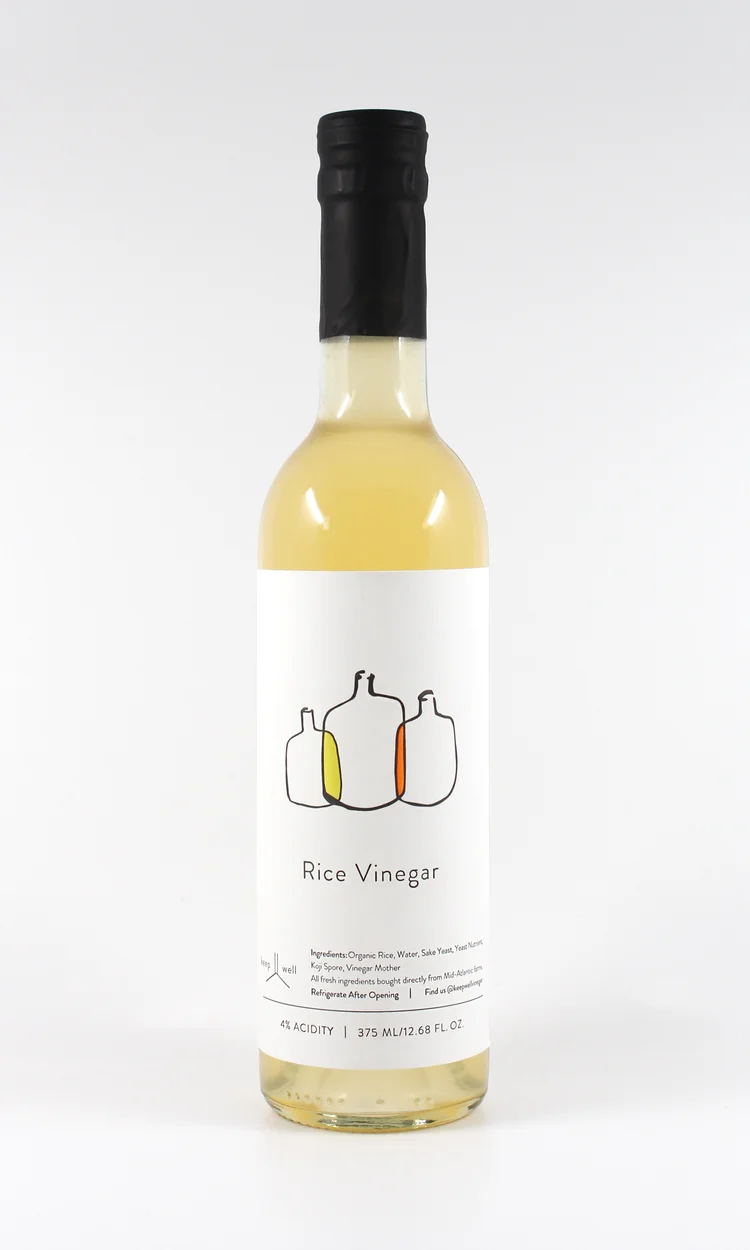
Refrigerating rice vinegar after opening offers clear benefits. It helps keep the vinegar fresh and safe for use. Cold storage slows down changes that harm flavor and quality. This small step can extend the vinegar’s shelf life significantly. Understanding these benefits encourages better kitchen habits.
Preserving Flavor
Rice vinegar has a delicate taste that can change over time. Keeping it in the fridge helps maintain its original flavor. The cool temperature stops the vinegar from becoming dull or bitter. This means every dish you prepare tastes just right. Refrigeration keeps the vinegar’s bright, tangy notes fresh longer.
Preventing Spoilage
Rice vinegar can spoil if left at room temperature too long. Bacteria and mold grow faster in warm conditions. Storing vinegar in the fridge slows down this growth. This prevents cloudiness, sediment, or off smells from developing. Refrigeration helps keep the vinegar safe and clean for months.
Credit: www.keepwellvinegar.com
Signs Of Spoiled Rice Vinegar
Rice vinegar is a kitchen staple, but like any food product, it can spoil. Knowing the signs of spoiled rice vinegar helps you avoid using it past its prime. This way, you keep your dishes tasting fresh and safe.
Changes In Smell
Fresh rice vinegar has a mild, slightly sweet aroma. If you notice a sharp, unpleasant, or sour smell that feels off from its usual scent, it’s a red flag. Sometimes, spoiled vinegar smells musty or even like mold—definitely something you don’t want in your salad dressing.
Have you ever opened a bottle and instantly felt something was wrong just by the smell? Trust that instinct. Your nose is often the first line of defense against spoiled vinegar.
Changes In Appearance
Rice vinegar should look clear or slightly cloudy with no solid particles. If you spot any unusual cloudiness, sediment, or floating bits, it might be a sign of spoilage. Color changes, like a darker or murky tint, also suggest the vinegar has gone bad.
Sometimes, a thin layer of film or scum forms on top—this is called the “mother” and can happen naturally, but if it looks slimy or moldy, don’t take chances. Would you use vinegar that looks questionable in your favorite recipe? Probably not, and that’s a good rule to follow.
Tips For Proper Storage
Storing rice vinegar properly keeps its flavor fresh and prevents spoilage. Correct storage helps maintain its quality over time. Follow simple tips to extend the shelf life of your rice vinegar after opening.
Ideal Container
Use a glass bottle or jar with a tight lid. Glass does not react with vinegar, keeping the taste pure. Avoid plastic containers that may absorb odors or chemicals. Always close the container tightly to stop air from entering. This prevents contamination and preserves flavor.
Storage Environment
Store rice vinegar in a cool, dark place away from heat sources. Heat can change the taste and reduce shelf life. A pantry or cupboard works well if the room stays cool. Avoid direct sunlight because it can degrade the vinegar. After opening, refrigeration is optional but can help maintain freshness longer. Keep the bottle upright to prevent leaks and spills.
Alternatives To Refrigeration
Rice vinegar is naturally acidic, which helps preserve it without constant refrigeration. Still, some prefer storing it in ways that keep the flavor fresh longer. There are simple alternatives to refrigeration that can help maintain its quality. These methods focus on controlling light, temperature, and air exposure.
Cool Dark Place
Keeping rice vinegar in a cool, dark spot slows down any changes in taste or color. A kitchen cabinet away from heat sources works well. Avoid places near the stove or direct sunlight. Darkness protects vinegar from light damage, which can affect its flavor over time. Cooler temperatures reduce the chance of unwanted chemical changes.
Using Smaller Bottles
Pouring rice vinegar into smaller bottles limits air exposure each time you open it. Less air means less chance for the vinegar to oxidize and lose flavor. Use clean, airtight containers to store vinegar in small amounts. This also makes pouring easier and reduces waste. Smaller bottles fit well in dark, cool storage areas too.
Frequently Asked Questions
Should Rice Vinegar Be Refrigerated After Opening?
Rice vinegar does not need refrigeration after opening. Store it in a cool, dark place with a tight lid. Proper storage keeps its flavor and quality intact for up to a year or more.
How Long Does Opened Rice Vinegar Last?
Opened rice vinegar can last 6 to 12 months if stored properly. Keep it sealed tightly and away from heat or sunlight to maintain freshness.
Does Refrigeration Improve Rice Vinegar Shelf Life?
Refrigeration can slightly extend rice vinegar’s shelf life but is not necessary. Storing it at room temperature is sufficient for maintaining quality.
Can Rice Vinegar Spoil Without Refrigeration?
Rice vinegar rarely spoils due to its acidity. However, improper storage may cause flavor changes or sediment formation, which are harmless.
Conclusion
Deciding whether to refrigerate rice vinegar depends on your use. Refrigeration can help maintain its flavor. But it’s not mandatory. If you use it often, a cool, dark cupboard works. Less frequent use? Consider the fridge. Always keep the bottle tightly sealed.
This prevents contamination and preserves quality. Remember, proper storage ensures the best taste. Rice vinegar can last long with care. Make storage choices based on your kitchen habits. This way, you enjoy fresh vinegar each time. Stay mindful of these tips for a flavorful experience.