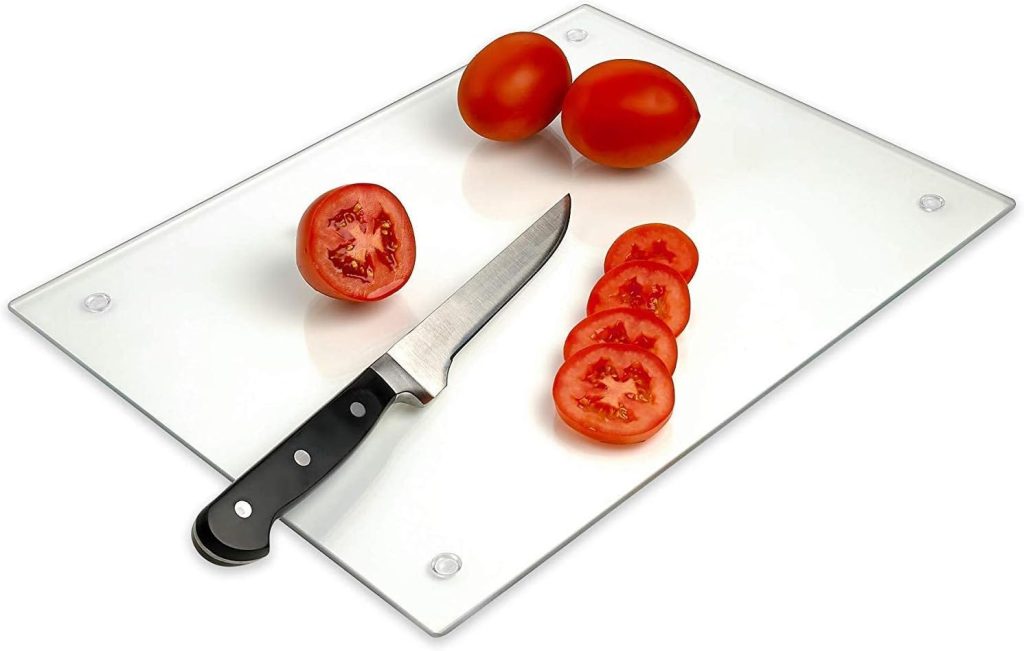
Have you ever noticed your knives feeling dull faster than usual? If you use a glass cutting board, you might be wondering if it’s the real cause.
You want your knives sharp and ready, but is your choice of cutting board working against you? Understanding how glass cutting boards affect your knives can save you time, money, and frustration. Keep reading to find out the truth and learn how to protect your blades while preparing your favorite meals.
Why Knife Sharpness Matters
Sharp knives make cutting easier and faster. They help keep food looking nice and fresh.
Dull knives can slow down cooking and cause problems. Understanding why sharpness matters helps keep your kitchen safe.
Impact On Cooking Efficiency
Sharp knives slice through food with less effort. This saves time and energy in the kitchen.
Dull knives require more force. This can make chopping slower and less precise.
- Sharp knives cut cleanly, reducing food damage
- Less pressure is needed to cut, saving energy
- Faster cutting speeds up meal preparation
Safety Concerns With Dull Knives
Dull knives slip more easily on food surfaces. This increases the chance of accidents and cuts.
Using a sharp knife helps control the blade better. It lowers the risk of injury in the kitchen.
- Dull knives need extra force, which can cause slips
- Sharp knives provide better control and accuracy
- Properly sharpened knives reduce accidents

Credit: chopchopusa.com
Materials Used For Cutting Boards
Cutting boards come in different materials. Each type has pros and cons for your knives. Knowing these helps you choose the right board.
This guide covers wooden, plastic, and glass cutting boards. Learn how each affects your knives.
Wooden Boards
Wooden boards are popular because they are gentle on knives. They have a natural surface that helps keep blades sharp longer. Common woods include maple and bamboo.
- Soft surface protects knife edges
- Natural antibacterial properties
- Needs regular oiling to prevent cracking
- Can be heavy and require care
Plastic Boards
Plastic boards are lightweight and easy to clean. They are less kind to knives than wood but still acceptable. They can get deep cuts, which may harbor bacteria.
- Affordable and dishwasher safe
- Show knife marks over time
- Replace when heavily scored
- Available in many colors
Glass Boards
Glass boards are very hard and smooth. They do not absorb smells or stains. But, they are harsh on knives and can dull blades quickly.
| Material | Effect on Knives | Durability |
| Wood | Protects edges | Moderate, needs care |
| Plastic | Moderate wear | Good, replace when damaged |
| Glass | Dulls quickly | Very durable |
How Glass Affects Knife Edges
Glass cutting boards are popular in many kitchens. They look clean and are easy to wash.
But glass is a hard surface. This hardness can affect knife edges over time.
Hardness Comparison
Knife blades are made of steel, which is hard but softer than glass. Glass has a higher hardness level.
The hardness difference means glass can wear down the blade edge faster than softer cutting boards.
- Steel hardness varies but is usually less than glass
- Glass hardness can chip or scratch a knife edge
- Softer boards like wood or plastic protect knife edges better
Microscopic Impact On Blades
Under a microscope, glass surfaces have tiny, sharp points. These points hit the knife edge when cutting.
These small impacts cause the blade edge to chip or dull quickly. The knife loses its sharpness faster.
- Microscopic glass points chip the blade edge
- Repeated cutting causes tiny cracks in the blade
- These cracks reduce sharpness and cutting performance

Credit: chopchopusa.com
Real-life Experiences With Glass Boards
Many people wonder if glass cutting boards dull knives faster. This topic often comes up in kitchens and online. Real users and chefs have shared their views on this matter.
In this post, we explore what chefs and everyday users say about glass boards and knife sharpness. Their experiences help us understand the pros and cons of these boards.
Chef Opinions
Many chefs believe glass cutting boards can harm knives. They say glass is hard and smooth, which can wear down knife edges quickly. Some chefs avoid glass boards for this reason.
- Glass boards can chip or dull knives faster than wood or plastic.
- Chefs prefer softer cutting surfaces to protect their knives.
- Some chefs use glass boards only for serving or presentation.
- Glass boards are easy to clean but may cause more frequent knife sharpening.
User Reviews
Users have mixed opinions on glass cutting boards. Some say their knives dull quickly. Others like the easy cleaning and design.
| User Experience | Comments |
| Knife dulling | Several users report knives lose sharpness after weeks of use. |
| Cleaning ease | Many find glass boards simple to sanitize and maintain. |
| Durability | Users note glass boards resist stains and odors well. |
| Knife damage | A few mention chips or nicks on knife blades after cutting on glass. |
Alternatives To Glass Cutting Boards
Glass cutting boards often cause knives to dull quickly. Choosing a better surface helps keep knives sharp longer. There are many materials to consider as alternatives.
This guide explores the best materials for knife longevity and offers tips to care for your cutting boards and knives.
Best Materials For Knife Longevity
Soft, yet durable materials protect knife edges. Wood and plastic are popular choices. Bamboo is also a good option but can be harder than some woods.
- Wood:Gentle on knives and self-healing from cuts.
- Plastic:Easy to clean and affordable.
- Bamboo:Harder than wood but still knife-friendly.
- Rubber:Soft surface, good for knife edge care.
Maintenance Tips
Proper care extends the life of both knives and boards. Clean and dry your boards well. Use separate boards for meat and vegetables to avoid damage and bacteria.
| Tip | Why It Helps |
| Hand wash boards with mild soap | Prevents warping and keeps surfaces smooth |
| Oil wooden boards regularly | Keeps wood hydrated and less prone to cracks |
| Avoid cutting on glass or stone | Protects knives from dulling quickly |
| Store knives properly in a block or magnetic strip | Prevents blade damage and dulling |
Tips To Protect Knives On Glass Boards
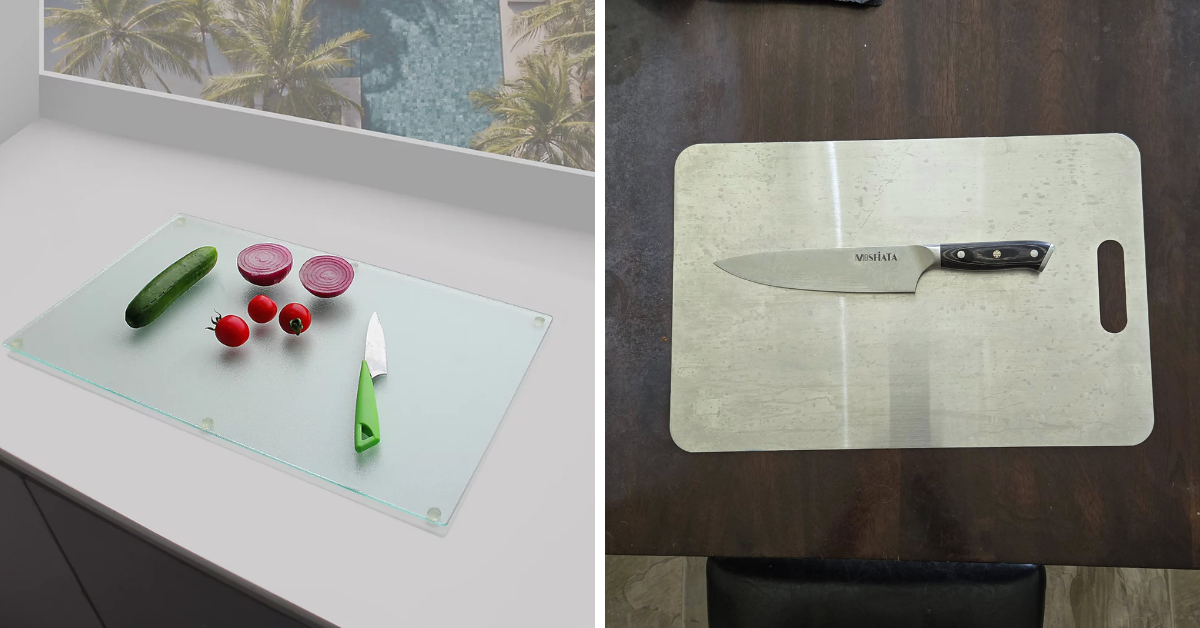
Glass cutting boards look nice and are easy to clean. But they can make knives dull faster than other boards. Using the right techniques helps keep knives sharp longer.
Protecting your knives on glass boards needs some care. Small changes in how you cut and sharpen help a lot.
Proper Cutting Techniques
Cutting on a glass board with a hard surface can damage knife edges. Use gentle cutting motions to lower blade wear. Avoid chopping hard foods directly on the glass.
Try these tips to protect your knives:
- Use a rocking motion instead of chopping straight down
- Cut softer foods or use a plastic board for tough tasks
- Lift the knife slightly to reduce contact with the glass surface
- Keep the blade angle low to avoid hitting the board hard
Regular Sharpening Practices
Sharpen knives often to fix dull edges caused by glass boards. A sharp knife is safer and works better. Use a sharpening stone or a good quality sharpener.
Follow these sharpening tips:
- Sharpen knives every few uses on glass boards
- Keep a consistent angle while sharpening
- Hone knives regularly to maintain the edge
- Use fine grit stones for finishing
Credit: cookingpanda.com
Frequently Asked Questions
Do Glass Cutting Boards Really Dull Knives?
Yes, glass cutting boards can dull knives over time. The hard surface of glass can cause knife edges to become blunt. Using a wooden or plastic board is recommended to maintain sharpness.
Are Glass Cutting Boards Safe For Knives?
Glass cutting boards are not the safest for knives. Their hard surface can wear down the knife’s edge. Consider using softer materials like bamboo or plastic to protect your knives.
Why Do Chefs Avoid Glass Cutting Boards?
Chefs avoid glass cutting boards because they dull knives quickly. The hard surface is not ideal for maintaining sharp blades. Professional kitchens often use wooden boards for better knife care.
Can Glass Cutting Boards Damage Knives?
Yes, glass cutting boards can damage knives. The rigid surface can cause nicks and chips in the blade. It’s best to use boards made from softer materials to prevent damage.
Conclusion
Glass cutting boards can dull knives faster than wood or plastic. The hard surface makes blades lose their sharp edge quickly. For best results, use glass boards only for light tasks. Sharpen knives more often if you prefer glass boards.
Choose cutting boards that protect your knives and last long. Keep knives sharp for safer and easier cooking. Think about your needs before picking a cutting board type. A good board helps maintain your knives and cooking experience.