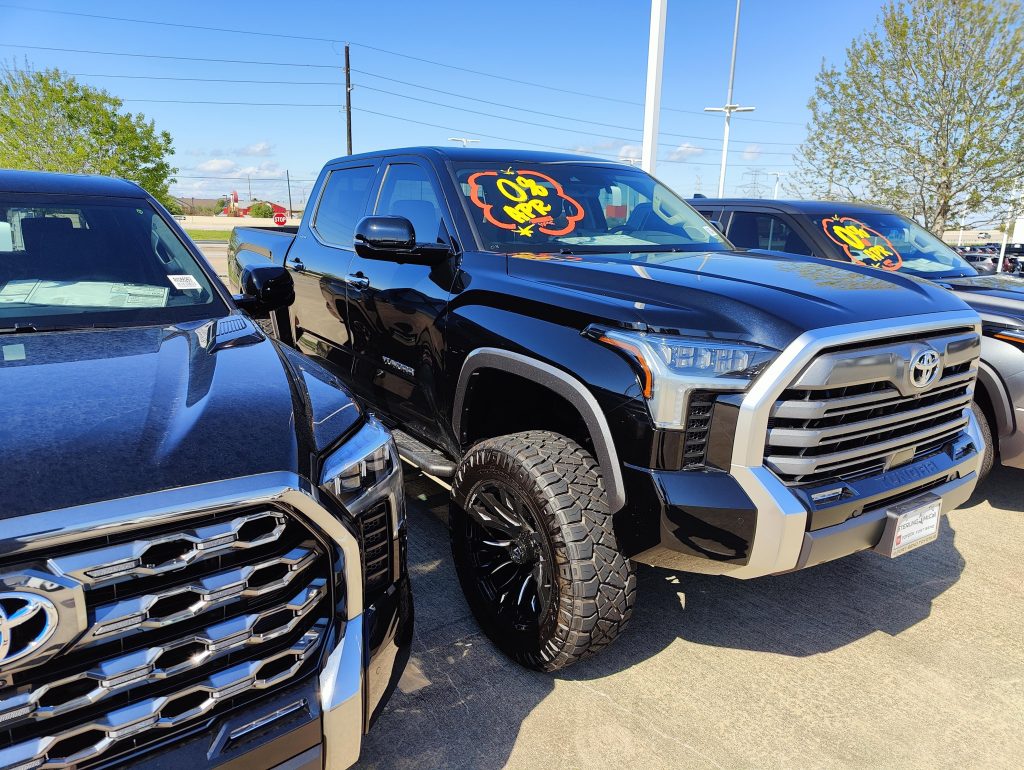
Are you thinking about adding a lift kit to your Toyota but worried it might void your warranty? You’re not alone.
Many Toyota owners face this exact dilemma. You want to customize your truck or SUV to improve performance and style, but you also want to protect your investment. What if one simple modification could put your warranty at risk? You’ll discover the truth about lift kits and Toyota warranties.
By the end, you’ll know exactly what to watch out for and how to keep your vehicle protected while making it truly your own. Keep reading—you don’t want to miss this crucial information.

Credit: westcottdesigns.net
Lift Kits And Vehicle Warranties
Adding a lift kit to your Toyota can change how your vehicle looks and performs, but it also raises questions about your warranty. Many drivers wonder if making such modifications will put their factory warranty at risk. Understanding how warranties work and the manufacturer’s position on changes like lift kits will help you make an informed decision.
How Warranties Work
A vehicle warranty covers repairs and defects related to the original manufacturing of your Toyota. It generally protects you from unexpected expenses due to faulty parts or workmanship. However, warranties don’t usually cover damage caused by modifications or aftermarket parts.
When you add a lift kit, the warranty won’t automatically be voided. Instead, the key question is whether the lift kit causes or contributes to a specific failure. If a problem arises because of the lift kit installation, the warranty on that part of the vehicle might be denied.
Common Warranty Terms
Warranties often include terms that limit coverage if modifications are made. Look for phrases like:
- “Alteration voids warranty”– meaning any unauthorized changes can impact coverage.
- “Damage caused by aftermarket parts not covered”– which excludes failures linked to modifications.
- “Warranty claims subject to inspection”– meaning the dealer will check if your lift kit caused the issue.
These terms mean your warranty still applies to unaffected parts, but any damage linked to the lift kit could be excluded. Reading your warranty booklet carefully is essential before installing any modifications.
Manufacturer’s Stance On Modifications
Toyota, like many automakers, states that modifications can affect your warranty but does not outright void it. They evaluate each claim individually, focusing on whether the aftermarket part caused the problem.
For example, if your suspension fails due to the lift kit, Toyota may deny warranty coverage on that repair. However, unrelated components, like the engine or transmission, should remain protected under warranty.
Ask yourself: Is your lift kit professionally installed and compatible with your vehicle? Using parts designed specifically for your Toyota and having them installed by experts reduces the risk of warranty issues. This approach also ensures your vehicle performs safely and reliably after modifications.

Credit: westcottdesigns.net
Toyota’s Warranty Policy
Toyota’s warranty policy is designed to protect your vehicle from manufacturing defects and ensure peace of mind. However, modifications like lift kits can raise questions about what stays covered and what might void your warranty. Understanding Toyota’s stance helps you make informed decisions about customizing your vehicle without risking warranty issues.
Standard Warranty Coverage
Toyota provides a comprehensive warranty that typically includes:
- Basic warranty covering defects in materials and workmanship
- Powertrain warranty for engine, transmission, and drivetrain components
- Corrosion perforation warranty for rust damage
- Emissions warranty complying with federal and state regulations
This coverage usually lasts for a set number of years or miles, whichever comes first. It protects you against unexpected repairs due to factory faults, not issues caused by modifications or accidents.
Impact Of Aftermarket Parts
Adding aftermarket parts, including lift kits, doesn’t automatically void your entire Toyota warranty. The key question is whether the part caused damage or failure. Toyota follows the Magnuson-Moss Warranty Act, which means they must prove that your aftermarket lift kit caused the problem before denying coverage.
If your lift kit affects a specific component, only repairs related to that component may be denied. Other unrelated warranty claims should remain valid. This nuance often surprises vehicle owners who assume any modification cancels their warranty.
Specifics On Lift Kits
Toyota does not explicitly forbid lift kits, but it warns that improper installation or extreme lifts may lead to warranty issues. For example, if your suspension or steering fails after installing a lift kit, Toyota might deny warranty repairs for those parts. However, if the failure is unrelated to the lift kit, coverage should still apply.
Choosing a reputable lift kit and professional installation can reduce risks. Have you checked if your installer uses Toyota-approved parts or follows manufacturer guidelines? This approach helps protect your vehicle’s performance and keeps your warranty intact.
Legal Protections For Consumers
Understanding your legal protections is key when considering modifications like lift kits on your Toyota. Many worry that altering their vehicle will automatically void the warranty, but consumer laws offer safeguards to prevent unfair treatment by manufacturers. Knowing these protections helps you make informed decisions without fear of losing warranty coverage unjustly.
Magnuson-moss Warranty Act
The Magnuson-Moss Warranty Act is a federal law that protects consumers from warranty denial based solely on modifications to their vehicle. It prevents manufacturers from voiding your entire warranty just because you added a lift kit or other aftermarket parts. However, it does allow them to deny warranty service if the modification directly causes the problem.
Have you ever felt frustrated when a dealer refused warranty work after a simple upgrade? This law is designed to stop that unfair practice. It ensures you can modify your Toyota without automatically losing all warranty rights.
What It Means For Lift Kits
If you install a lift kit on your Toyota, the warranty remains intact unless the lift kit causes the failure. For example, if your suspension breaks due to the lift kit, Toyota can deny that specific repair under warranty. But if your engine has an unrelated problem, the warranty must still cover it.
This means you don’t have to avoid customization out of fear. You just need to be aware that warranty coverage focuses on the cause of the issue, not the presence of a lift kit itself. Would you want to limit your truck’s potential just because of a misconception?
Cases And Precedents
Court cases have confirmed that manufacturers must prove a modification caused the damage before denying warranty claims. In one case, a consumer installed a lift kit, but the engine problem was unrelated. The court ruled in favor of the consumer, requiring the manufacturer to honor the warranty.
These precedents show that your rights are protected as long as you maintain your vehicle responsibly. If you face a warranty denial, ask if the lift kit caused the issue. Knowing this can save you time and money, and keep your Toyota running smoothly with your personalized setup.
When Lift Kits May Void Warranty
Lift kits change the height and suspension of your Toyota. This can affect the vehicle’s warranty in certain cases. Knowing when a lift kit may void your warranty helps protect your investment. Some situations clearly lead to warranty issues. Understanding these helps you avoid unexpected costs.
Damage Directly Caused By Lift Kits
Warranty does not cover damage caused by lift kits. If the kit causes parts to fail, repairs may be denied. For example, broken suspension or steering components linked to the lift may be excluded. Toyota covers defects, not modifications causing harm.
Improper Installation Risks
Incorrect installation can void warranty claims. Poor fitting may lead to leaks, broken parts, or safety problems. Warranty might be voided if damage results from faulty installation. Always use trained professionals to install lift kits to reduce this risk.
Manufacturer Inspections
Toyota may inspect the vehicle after a lift kit installation. They check if the lift kit causes any damage or safety issues. If they find problems linked to the lift, warranty coverage can be denied. Regular inspections help ensure your vehicle stays in good condition.
Maintaining Warranty With A Lift Kit
Adding a lift kit to your Toyota can change the look and performance of your vehicle, but it also raises concerns about your warranty. You might wonder if these modifications will void your coverage. The key to protecting your warranty lies in how you approach the lift kit installation and maintenance.
Choosing Quality Lift Kits
Not all lift kits are created equal. Selecting a high-quality kit from a reputable manufacturer can make a big difference in warranty acceptance. These kits often come with proper certifications and detailed installation instructions that align with manufacturer standards.
Think about it: would you trust your vehicle’s warranty to a cheap, untested product? Investing in a quality lift kit shows responsibility and reduces the risk of damage that could lead to warranty denial.
Professional Installation
Installing a lift kit is more complex than it looks. Mistakes during installation can cause issues that might void your warranty. Hiring a certified professional ensures the kit is installed correctly and safely, following Toyota’s guidelines.
Have you ever tried fixing something yourself and ended up with more problems? Avoid that risk with professional help. Plus, a professional installer often provides documentation that can support your warranty claims.
Documenting Modifications
Keeping detailed records of your lift kit purchase and installation is crucial. Save receipts, warranties, and any communication with the installer. This documentation proves you took proper steps and followed the recommended procedures.
Imagine needing to make a warranty claim and having no proof of what was done or who did it. Would the dealer believe you? Clear documentation can make the difference between a smooth claim and a denied one.

Credit: www.reddit.com
Alternatives To Lift Kits
Exploring alternatives to lift kits can help maintain your Toyota’s warranty. These options improve your vehicle’s performance and style without risking coverage. Choosing the right upgrades keeps your truck safe and reliable.
Suspension Upgrades Within Warranty
Some suspension upgrades do not void the warranty. Toyota often allows certain shocks and springs to be replaced. These parts must be approved and installed by certified technicians. Upgrading suspension can improve ride comfort and handling. Always check with your dealer before making changes.
Tire And Wheel Options
Changing tires and wheels is a popular alternative. Larger tires can give a lifted look without altering suspension. Choose tires designed for your vehicle’s load and speed ratings. Wheels should fit the original specifications to avoid stress on parts. This option keeps your Toyota safe and warranty intact.
Aftermarket Accessories
Aftermarket parts add style and function without voiding warranty. Accessories like bumpers, lights, and roof racks enhance your vehicle. Make sure these additions do not affect mechanical components. Use quality parts made for your Toyota model. Installation by professionals ensures safety and preserves warranty.
Frequently Asked Questions
Does A Lift Kit Void Toyota Warranty?
Installing a lift kit may affect your Toyota warranty if damage is related. Toyota may deny coverage for issues caused by modifications. Always check warranty terms and consult your dealer before installing a lift kit.
Can Toyota Dealers Refuse Service After Lift Kit Installation?
Dealers can refuse warranty service if problems stem from the lift kit. They must cover unrelated repairs under warranty. Clear communication with your dealer helps avoid misunderstandings about modifications and warranty coverage.
How To Maintain Toyota Warranty With A Lift Kit?
Keep installation professional and documented. Use quality parts and avoid extreme modifications. Regular maintenance and inspections can help ensure your Toyota warranty remains valid despite lift kit installation.
Will A Lift Kit Affect Toyota’s Drivetrain Warranty?
If the lift kit causes drivetrain damage, warranty coverage may be denied. However, unrelated drivetrain issues should still be covered. Proper installation and usage reduce risk of voiding drivetrain warranty.
Conclusion
Adding a lift kit to your Toyota may affect the warranty. It depends on the parts changed and how they impact the vehicle. Toyota usually covers factory defects, not damage from modifications. Always check the warranty terms before installing a lift kit.
Talk with your dealer for clear answers. Keeping records of your lift kit installation helps if issues arise. Remember, careful planning keeps your Toyota safe and your warranty intact.