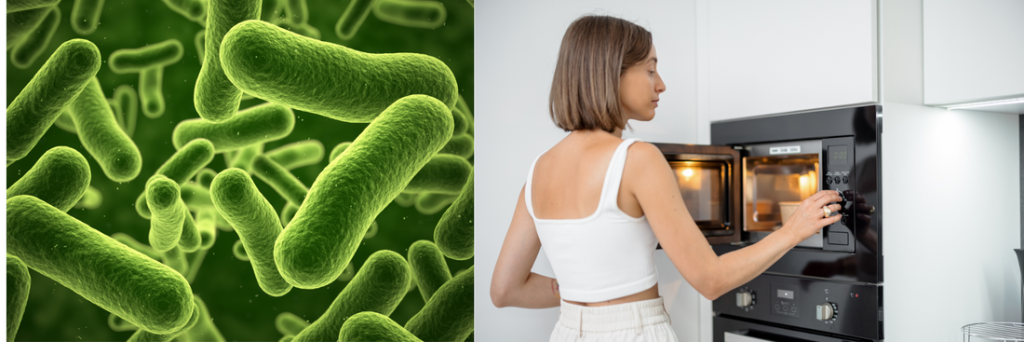
Are you relying on your microwave oven to keep your meals safe and bacteria-free? It’s a common belief that the microwave can zap away all the germs lurking in your leftovers, but is that really the case?
Understanding how your microwave works can be the key to ensuring your food is not only hot but also safe to eat. Imagine the peace of mind you’d have, knowing you’re protecting yourself and your loved ones from harmful bacteria with every meal.
We’ll dive into the science behind microwave ovens and their ability to kill bacteria, giving you the confidence you need in your kitchen. Stay with us as we uncover the truth and reveal practical tips to keep your meals both delicious and safe.
How Microwaves Work
Understanding how microwaves work can help you see why they affect bacteria in the food you heat. Microwaves use a special kind of energy to warm up your meals quickly and evenly. But what exactly happens inside your microwave oven when you press start?
Microwave Radiation Basics
Microwaves use electromagnetic waves, a type of radiation, but not the harmful kind like X-rays. These waves have a frequency that excites water molecules in your food. When water molecules vibrate, they generate heat, which cooks or warms your food.
Think of it this way: the microwave radiation targets the water content inside the food, not the food itself. This is why something dry, like a cracker, doesn’t heat well in a microwave.
Heating Mechanism In Food
The heat in your food comes from water molecules moving rapidly as they absorb microwave energy. This movement creates friction, which then produces heat that cooks the food from the inside out.
Unlike conventional ovens that heat food from the outside, microwaves heat the water molecules directly inside the food. This means food heats faster but sometimes unevenly, especially if the food has different water content in parts.
Have you ever noticed a dish with cold spots after microwaving? That’s because microwaves don’t always distribute energy evenly. Stirring your food or letting it sit for a moment after heating can help even out the temperature and improve bacterial kill.

Credit: tse2015.ca
Effectiveness Against Bacteria
Understanding how effective a microwave oven is at killing bacteria can help you use it more safely and confidently. Microwaves heat food quickly, but does that heat reach the levels needed to destroy harmful bacteria? The answer depends on several factors including temperature, time, and the type of bacteria present.
Temperature And Time Requirements
Bacteria die when exposed to high enough temperatures for a sufficient amount of time. Microwaves heat food unevenly, which means some spots might be cooler than others.
To kill most bacteria, food should reach at least 165°F (74°C) and stay at that temperature for a few seconds. If your microwave doesn’t heat food evenly, some bacteria might survive.
Using a food thermometer can help you check if your food has reached the safe temperature. Also, stirring or rotating food during microwaving helps spread the heat more evenly.
Types Of Bacteria Affected
Not all bacteria respond the same way to microwave heat. Common foodborne bacteria like Salmonella, E. coli, and Listeria can be killed if the temperature and time guidelines are met.
However, some bacterial spores, such as those from Clostridium botulinum, are more heat-resistant and may survive microwaving unless food is cooked thoroughly.
Have you noticed uneven hot spots in your microwave meals? Those spots can harbor live bacteria and increase the risk of foodborne illness. Paying attention to how you heat your food can make a big difference.
Common Misconceptions
Many people believe microwaves can completely kill bacteria in food, but this idea is not always true. Misunderstandings about how microwaves work can lead to unsafe food habits. Knowing the facts helps you keep your meals safe and tasty.
Microwaves Vs. Traditional Cooking
Microwaves heat food quickly by agitating water molecules, while traditional cooking uses consistent heat over time. This means microwaves might heat food unevenly, leaving cold spots where bacteria can survive.
Traditional ovens or stovetops usually provide more even heat, which can kill bacteria more effectively. Have you ever noticed some parts of your microwave meal are hotter than others? That uneven heating is a clue why microwaves alone don’t guarantee sterilization.
Myths About Sterilization
Many think microwaving food sterilizes it, but microwaves do not sterilize or disinfect like chemical cleaners or autoclaves. Sterilization requires reaching specific temperatures for a set time, which microwaves may not consistently achieve.
Microwaving can reduce some bacteria, but you cannot rely on it as a sole method for food safety. If you want to be sure your food is safe, use a food thermometer and follow proper cooking guidelines instead of trusting microwave time settings alone.

Credit: www.kimecopak.ca
Safe Microwave Practices
Microwaves can kill bacteria if used correctly. Safe microwave practices help avoid foodborne illnesses. Understanding how to heat food properly is key to safety. Follow simple steps to ensure your food is evenly cooked and safe to eat.
Proper Heating Techniques
Use microwave-safe containers to prevent harmful chemicals from leaching. Cover food with a microwave-safe lid or wrap to retain moisture. Stir or rotate food midway to help heat evenly. Check the food temperature with a food thermometer. Heat food until it reaches at least 165°F (74°C). This temperature kills most harmful bacteria effectively.
Avoiding Uneven Cooking
Uneven cooking leaves cold spots where bacteria can survive. Arrange food in a ring or donut shape for better heat distribution. Cut large pieces into smaller, uniform sizes. Pause cooking to stir or turn the food. Use microwave turntables or rotate dishes manually. Avoid overcrowding the microwave to improve airflow and heat circulation.
Limitations Of Microwaving
Microwaving food is quick and convenient. It helps heat meals fast. Yet, microwaves have limits in killing bacteria. Understanding these limits is important for food safety.
Cold Spots And Bacterial Survival
Microwave ovens heat unevenly. Some areas of food stay cooler. These cold spots allow bacteria to survive. Bacteria in cold spots can multiply and cause illness. Stirring food during microwaving reduces cold spots. Using a microwave-safe cover helps heat food evenly. Still, some spots may remain cooler than others.
Not A Substitute For Proper Cleaning
Microwaving does not clean food or utensils. It only heats the food. Bacteria on plates, containers, or surfaces remain after microwaving. Proper washing and sanitizing are needed to remove germs. Relying on microwaving alone can cause cross-contamination. Clean hands, utensils, and surfaces before and after microwaving.
Microwave Use In Food Safety
Microwaves heat food quickly using electromagnetic waves. This heating can reduce bacteria in food, making it safer to eat. Proper microwave use helps prevent foodborne illnesses by killing harmful germs. Understanding how to use a microwave safely is important for food hygiene.
Reheating Leftovers Safely
Microwaving leftovers is common, but safety matters. Heat food evenly to kill bacteria effectively. Stir food halfway through heating to avoid cold spots. Use a food thermometer to check if food reaches 165°F (74°C). This temperature ensures harmful bacteria die. Covering food while reheating helps keep moisture and heat consistent.
Microwave-safe Containers And Covers
Use containers labeled microwave-safe to avoid harmful chemicals. Some plastics can melt or release toxins when heated. Glass or ceramic containers work best for microwaving. Cover food with microwave-safe lids or paper towels. Covers trap steam, heating food evenly and reducing splatters. Avoid metal containers; they can cause sparks or fires in microwaves.

Credit: www.kimecopak.ca
Frequently Asked Questions
Does Microwave Heating Kill All Bacteria?
Microwave heating kills many bacteria by raising food temperature. However, uneven heating can leave some bacteria alive. Proper stirring and heating to at least 165°F (74°C) ensures better bacteria elimination for food safety.
How Effective Is A Microwave Against Bacteria?
Microwaves effectively kill bacteria when food reaches safe temperatures. Uneven heat distribution may reduce effectiveness. Use a food thermometer to confirm proper temperature and avoid foodborne illness.
Can Microwaves Kill Harmful Bacteria In Leftovers?
Yes, microwaves can kill harmful bacteria in leftovers if heated evenly. Stir food and heat thoroughly to 165°F (74°C) to ensure bacteria are destroyed and leftovers are safe to eat.
Does Microwave Cooking Sterilize Food?
Microwave cooking does not fully sterilize food. It reduces bacteria but may not eliminate all pathogens due to uneven heating. Proper cooking and reheating practices are essential for food safety.
Conclusion
Microwave ovens can kill some bacteria if used correctly. Heat spreads unevenly, so some germs may survive. Stir food well and heat it thoroughly. Use a food thermometer to check temperature. Keep in mind, microwaving is not a full sterilizer.
Safe food handling is still very important. Clean your microwave regularly to avoid germs. This helps keep your food safer to eat. Use microwaves wisely for better kitchen hygiene.