Are you wondering if your range hood really needs to be vented outside? This question is more important than you might think.
The way your range hood works can affect your kitchen’s air quality, cooking comfort, and even your home’s safety. You want to make the best choice for your space, but the options can be confusing. Keep reading to find out what venting options you have, how they work, and which one might be right for your kitchen.
Understanding this will help you cook with confidence and breathe easier in your home.
Credit: www.kitchenaid.com
Types Of Range Hoods
Range hoods are essential in keeping your kitchen air clean. They help remove smoke, steam, and odors. Understanding the types of range hoods helps you choose the right one. There are two main types: vented and ductless range hoods.
Vented Range Hoods
Vented range hoods connect to ducts that lead outside. These hoods remove air, grease, and odors effectively. They are ideal for heavy cooking that produces a lot of smoke. Installation requires access to an exterior wall or roof.
Vented hoods are often more powerful. They provide better air quality in your kitchen. They are available in various styles and finishes to match your kitchen decor.
Ductless Range Hoods
Ductless range hoods filter and recirculate air back into the kitchen. They use charcoal filters to trap odors and grease. Ideal for spaces where ductwork is not possible. Installation is easier and more flexible.
Ductless hoods are less effective than vented ones in removing smoke. Regular maintenance is necessary to change or clean filters. They are a popular choice for apartments or kitchens without external vent access.
Credit: blog.cata-appliances.co.uk
How Vented Hoods Work
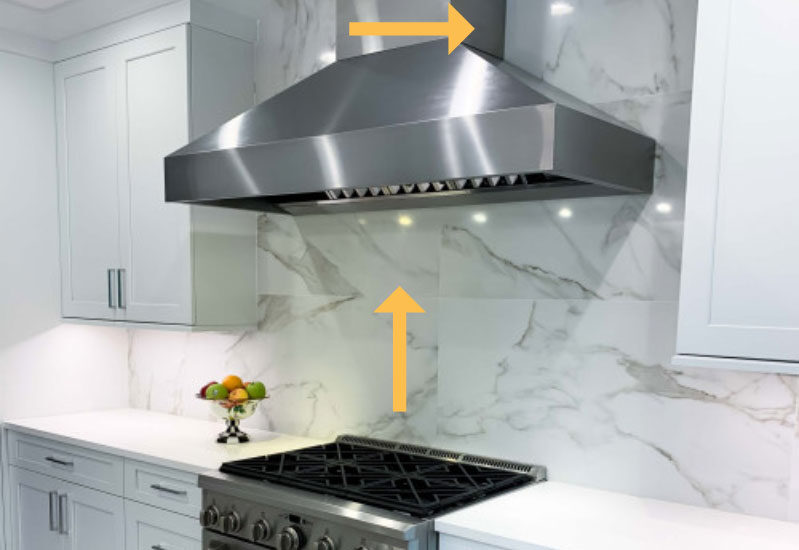
Understanding how vented range hoods work helps in deciding if venting outside is necessary. These hoods remove smoke, heat, and odors from your kitchen. They use a system that pulls air through filters and pushes it out through ducts. This process keeps your kitchen air clean and fresh.
Airflow And Venting Process
Vented hoods pull air from the cooking area using a fan. The air passes through grease and charcoal filters. These filters trap particles and odors. Then, the cleaned air moves through ductwork. The duct directs it outside your home. This removes heat, smoke, and smells completely.
Installation Requirements
Installing a vented hood needs a clear path for ductwork. The duct usually runs through walls or ceilings. It must lead directly outside. Proper sealing prevents air leaks and loss of efficiency. The hood also requires an electrical connection for the fan and lights. Correct installation ensures the hood works well and lasts longer.
Ductless Hood Operation
Ductless range hoods operate without venting air outside. They use filters to clean the air before releasing it back into the kitchen. This design suits kitchens where installing a vent to the outside is difficult or impossible. Ductless hoods rely on circulation and filtration rather than removal of air.
Filtration Systems
Ductless hoods usually have two main types of filters:
- Charcoal filters:Remove odors and smoke particles from the air.
- Grease filters:Trap grease and oil to prevent buildup inside the hood.
These filters need regular cleaning or replacement for best performance. Charcoal filters cannot be washed and must be replaced often. Grease filters are usually metal and can be cleaned with soap and water.
Effectiveness And Limitations
Ductless hoods improve kitchen air quality by reducing smells and grease. They work well for light to moderate cooking. They are less effective at removing heat and moisture. Without venting outside, some smoke or steam may stay in the kitchen.
For heavy cooking or large kitchens, ductless hoods might not be enough. They suit apartments or small homes best. Proper maintenance of filters is key to keep them working well.
Credit: blog.yaleappliance.com
Building Codes And Regulations
Understanding building codes and regulations is crucial when deciding if your range hood needs to vent outside. These rules ensure safety and proper ventilation in your home. They vary widely, so knowing what applies to your area can save you from costly mistakes and potential hazards.
Local Code Variations
Building codes can differ significantly from one city or state to another. Some places require range hoods to be vented outdoors to prevent moisture buildup and indoor air pollution. Others may allow recirculating hoods that filter and return air inside your kitchen.
For example, in many urban areas, local codes insist on external venting to reduce fire risks and improve air quality. Meanwhile, smaller towns might have more relaxed rules, especially if installing an outside vent is difficult. Have you checked with your local building department before your kitchen renovation?
Health And Safety Considerations
Health codes often emphasize removing smoke, grease, and odors from your cooking space to protect your family’s wellbeing. Venting outside removes harmful particles and excess heat, reducing risks of respiratory issues and mold growth. Without proper venting, these pollutants can linger indoors, affecting your home’s air quality.
Think about how often you cook greasy or smoky meals. Would you want that buildup trapped in your kitchen? Ensuring your range hood vents outside is a simple step to keep your home safer and more comfortable. You owe it to yourself to prioritize this when planning your kitchen setup.
Pros And Cons Of Venting Outside
Deciding whether to vent your range hood outside involves weighing both clear benefits and some notable challenges. Understanding these pros and cons can help you choose the best setup for your kitchen’s needs and your lifestyle.
Advantages Of External Venting
Venting your range hood outside removes smoke, odors, and moisture from your kitchen completely. This leads to fresher air and reduces the chances of lingering smells sticking to your walls and furniture.
It also helps control humidity levels, which is especially useful if you cook frequently. Excess moisture can cause mold or damage your cabinetry over time, so venting outside protects your kitchen’s structure.
Another benefit is improved air quality. By pushing out airborne grease particles, you lower the risk of buildup that can affect your family’s health and the longevity of your appliances.
Challenges And Drawbacks
Installing an external vent can be complicated and sometimes costly, especially in apartments or homes where wall access is limited. You might need professional help to create an opening through a wall or roof.
Weather conditions can also impact vent performance. Cold air might enter through the vent in winter if it’s not sealed properly, and outdoor vents require regular maintenance to prevent blockages.
Finally, external venting is not always an option in every home, which means you might have to consider alternatives. Does your kitchen layout allow for a duct to the outside? If not, will a recirculating hood meet your needs?
When To Choose A Ductless Hood
Ductless range hoods offer a flexible solution for kitchens that cannot accommodate traditional venting. These hoods filter air through charcoal or carbon filters and recirculate it back inside. Choosing a ductless hood depends on specific kitchen conditions and needs.
Space Constraints
Some kitchens lack an exterior wall or attic space for vent pipes. Older homes often have limited options for duct installation. Ductless hoods fit well in apartments or condos with restricted space. They do not require cutting holes in walls or ceilings. This makes installation simpler and less intrusive.
Cost Factors
Ductless hoods generally cost less to install than vented models. No need to pay for ductwork or professional vent installation. Maintenance costs focus mainly on replacing filters regularly. This keeps the initial and ongoing expenses lower. For budget-conscious homeowners, ductless hoods can be a practical choice.
Installation Tips For Range Hoods
Installing a range hood correctly ensures it works well and lasts longer. Proper setup improves air flow and removes cooking odors. Following key tips helps avoid common mistakes and keeps your kitchen safe.
Placement Guidelines
Place the range hood 24 to 30 inches above the cooktop. This distance captures smoke and steam effectively. Keep it centered over the stove for balanced ventilation. Avoid installing too high; it reduces efficiency. Too low can cause heat damage or block your view.
Measure your kitchen space carefully before installation. Consider the size of your cooktop and hood. The hood width should match or be slightly wider than the stove. Check for nearby cabinets and walls that may limit placement. Ensure the hood vents directly outside if it is a vented model.
Maintenance Advice
Clean the filters regularly to maintain airflow. Metal filters can be washed with warm soapy water. Charcoal filters need replacing every 3 to 6 months. Wipe the hood surface often to remove grease build-up. Inspect the vent duct for blockages once a year.
Use gentle cleaning products to avoid damage. Avoid harsh chemicals or abrasive pads. Keep the fan blades free of dust for quiet operation. Regular checks help spot problems early and extend hood life.
Frequently Asked Questions
Does A Range Hood Need External Venting?
A range hood does not always require external venting. Ducted hoods vent air outside, removing heat and odors effectively. Ductless hoods use filters to recirculate air indoors, suitable for some kitchens without external vent options.
What Are The Benefits Of Venting A Range Hood Outside?
Venting a range hood outside removes smoke, moisture, and odors completely. It improves indoor air quality and reduces grease buildup. External venting also helps prevent mold and keeps your kitchen cooler during cooking.
Can A Range Hood Work Without Venting Outside?
Yes, a range hood can work without venting outside if it is ductless. It uses charcoal or carbon filters to clean the air. However, it is less effective at removing heat and humidity compared to external venting.
How Do Ductless Range Hoods Filter Air?
Ductless range hoods use charcoal or carbon filters to absorb odors and grease. They recirculate cleaned air back into the kitchen. These filters need regular replacement for optimal performance.
Conclusion
A range hood does not always need venting outside. Some models recycle air using filters. These are easier to install in small spaces. Venting outside removes smoke and odors better. Choose the type that fits your kitchen needs. Consider your cooking habits and home setup.
Proper ventilation keeps your kitchen fresh and safe. Remember, clean filters often for best performance. Each option has its own benefits and limits. Make a choice that suits your lifestyle and space.