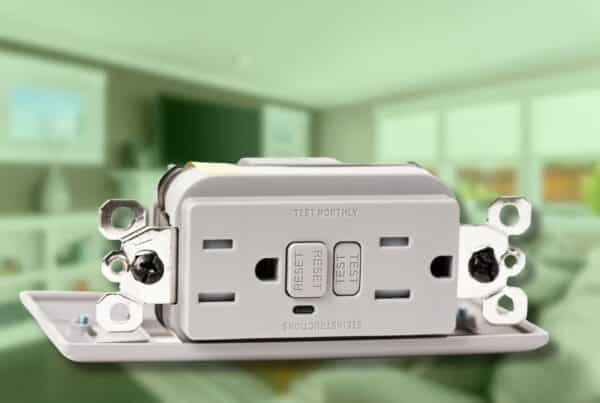
Have you ever wondered if your refrigerator needs a special outlet? It’s a question that might not cross your mind until you’re setting up a new kitchen or dealing with an unexpected power issue.
Imagine the hassle of a fridge full of food going bad just because it was plugged into the wrong outlet. You deserve peace of mind knowing that your appliances are running safely and efficiently. We’ll break down everything you need to know about the electrical needs of your refrigerator.
Stick around, and you’ll discover practical tips that could save you time, money, and a whole lot of stress. Ready to become a savvy homeowner? Let’s dive in!
Power Needs Of Refrigerators
Understanding the power needs of your refrigerator is crucial before deciding if it requires a special outlet. Refrigerators have specific voltage and amperage requirements that ensure they run efficiently and safely. Knowing these details can help you avoid electrical issues and keep your appliance functioning smoothly.
Typical Voltage And Amperage
Most household refrigerators operate on a standard voltage of 110 to 120 volts in North America. The typical amperage ranges from 3 to 6 amps, depending on the model and size of the fridge.
High-capacity or commercial refrigerators may draw more power, sometimes needing dedicated circuits. It’s important to check your refrigerator’s manual or label for exact electrical specifications.
- Standard home refrigerator: 110-120 volts, 3-6 amps
- Large or commercial units: May require 220-240 volts and higher amperage
- Dedicated circuits can prevent overloads and power interruptions
Why Consistent Power Matters
Refrigerators rely on a steady power supply to maintain the right temperature. Fluctuations or interruptions can cause the compressor to work harder, increasing wear and risk of breakdown.
Have you ever experienced your fridge cycling on and off more than usual? That might be a sign of inconsistent power, which can shorten its lifespan.
Using a dedicated outlet reduces the chances of power surges and overloads caused by sharing circuits with other appliances. This simple step helps you avoid costly repairs and keeps your food safe.
Standard Outlets Vs Special Outlets
Deciding whether your refrigerator needs a special outlet depends largely on the type of electrical setup in your kitchen. Understanding the difference between standard outlets and special outlets can help you avoid electrical issues and keep your appliance running smoothly. Let’s look closely at what each type offers and what might work best for your fridge.
Common Household Outlets
Most refrigerators in homes plug into standard 120-volt outlets, the same ones used for lamps, TVs, and other everyday appliances. These outlets are usually rated for 15 or 20 amps, which is often enough for smaller or mid-sized refrigerators.
However, if you have a larger fridge with features like ice makers or water dispensers, these standard outlets might struggle to keep up. Have you ever noticed your fridge tripping a circuit breaker? That’s a sign the outlet may not be sufficient.
Standard outlets are convenient and easy to find, but they share power with other devices on the same circuit. This sharing can cause fluctuations or overloads, especially during peak kitchen activity.
Dedicated Circuits Explained
A dedicated circuit means your refrigerator has its own separate outlet and wiring system, designed solely to power that appliance. This reduces the risk of overloads and ensures stable power delivery.
Installing a dedicated circuit involves wiring a 120-volt or sometimes 240-volt outlet directly from your electrical panel to the fridge location. This setup is common in newer homes or when adding high-powered appliances.
One practical benefit I’ve seen firsthand is fewer power interruptions. A dedicated outlet keeps your fridge running smoothly even when other kitchen appliances are in use. It’s a simple upgrade that can save you from costly repairs or food spoilage.
Think about your current kitchen setup: Do you often use multiple appliances at once? If yes, a dedicated circuit might be worth considering for your refrigerator’s outlet.
When To Use A Special Outlet
Knowing when to use a special outlet for your refrigerator is important. Not all refrigerators require one. The need depends on the appliance’s power and design. Using the right outlet ensures safety and performance. It prevents electrical issues and helps the fridge run smoothly.
High-power Refrigerators
Some refrigerators use more electricity than regular models. These high-power refrigerators often have features like built-in ice makers or large capacity. They may need a dedicated circuit with a special outlet. This outlet can handle higher electrical loads without risk. Check the fridge’s power requirements before installation. Using a standard outlet for these models can cause tripping or damage.
Commercial Vs Residential Units
Commercial refrigerators are different from residential ones. They are usually larger and run longer each day. These units often require special outlets and wiring. Commercial outlets can supply more power safely. Residential refrigerators usually work fine with standard outlets. Still, it is best to read the manufacturer’s instructions. This helps avoid electrical problems and keeps the fridge working well.

Credit: www.jackery.com
Safety Considerations
Safety plays a crucial role in setting up your refrigerator outlet. Appliances like refrigerators draw steady power and need secure electrical connections. Incorrect outlets can cause damage or even fire hazards. Understanding basic safety helps protect your home and appliance.
Preventing Electrical Overloads
Refrigerators require their own dedicated circuit to avoid overloading. Sharing an outlet with other devices can cause power surges. Overloads may lead to tripped breakers or damage to the fridge. Use outlets that match the amperage needs of the refrigerator. This practice keeps electricity flow steady and safe.
Proper Grounding Importance
Grounding prevents electrical shocks and damage to appliances. A properly grounded outlet directs excess electricity safely into the earth. Ungrounded outlets increase the risk of shocks and short circuits. Make sure the refrigerator plug fits into a grounded outlet. This simple step protects both you and your appliance.
Installation Tips
Installing a refrigerator requires some care to ensure safety and proper function. Using the right outlet and proper wiring helps avoid electrical issues. Follow these tips to make your installation smooth and safe.
Choosing The Right Outlet
Select an outlet that matches the refrigerator’s power needs. Most refrigerators use a standard 120-volt grounded outlet. Ensure the outlet has a three-prong design to prevent shocks. Avoid using extension cords or power strips, as they can cause overheating. The outlet should be close to the fridge to prevent strain on the cord. Check that the outlet is properly grounded to reduce electrical hazards.
Hiring A Professional Electrician
A licensed electrician ensures the outlet installation meets safety codes. They can verify the circuit capacity to handle the refrigerator’s load. Professionals also check for proper grounding and correct wiring connections. Hiring an expert prevents future electrical problems and protects your home. It is safer and often required by local building codes.
Credit: www.diychatroom.com
Common Mistakes To Avoid
When setting up your refrigerator, avoiding common electrical mistakes can save you from costly repairs and safety hazards. Many people overlook crucial details about power sources, which can lead to appliance damage or even fire risks. Let’s highlight some frequent errors you should steer clear of to keep your fridge running smoothly and safely.
Using Extension Cords
Extension cords might seem like a quick fix if your outlet is too far, but they are not designed to handle the power needs of a refrigerator. Using one can cause voltage drops, leading to inefficient compressor operation and potential damage.
I’ve seen cases where a fridge plugged into an extension cord repeatedly tripped the circuit breaker. This happens because extension cords often can’t supply consistent power, especially for heavy appliances. Always plug your refrigerator directly into a dedicated outlet to ensure stable electricity flow and avoid unexpected shutdowns.
Ignoring Electrical Codes
Electrical codes exist for a reason—they ensure safety and proper functioning of your appliances. Ignoring these codes by using improper outlets or wiring can create fire hazards and void your refrigerator’s warranty.
For example, many refrigerators require a grounded, three-prong outlet with a specific amperage rating. Installing an outlet that doesn’t meet these requirements might seem convenient but could cause overheating or electrical shorts. Have a qualified electrician inspect or install your fridge’s outlet to meet local codes and protect your home.
Energy Efficiency And Outlets
Energy efficiency in refrigerators is closely linked to the type of electrical outlet used. While many assume any standard outlet will do, the right outlet setup can actually influence how well your appliance performs and how much power it consumes. Understanding this connection helps you save money and extend your fridge’s lifespan.
Impact On Refrigerator Performance
A refrigerator plugged into an unstable or improper outlet may experience voltage drops or surges. These electrical fluctuations force the compressor to work harder, which can reduce cooling efficiency. Have you noticed your fridge running loudly or cycling on and off frequently? This might be due to poor electrical supply.
Using a dedicated outlet with proper grounding stabilizes the power flow. It prevents overheating and mechanical strain on the fridge’s components. This simple adjustment can maintain consistent temperatures and prevent food spoilage.
Reducing Power Consumption
Choosing the right outlet isn’t just about safety—it directly affects energy use. A well-installed outlet that matches your fridge’s power needs minimizes energy waste caused by inefficient current flow.
- Dedicated circuits reduce the risk of overloads and power interruptions.
- Proper grounding improves electrical efficiency and protects your appliance.
- Using outlets with surge protectors can guard against sudden spikes that increase energy draw.
Consider testing your outlet with a voltage meter or consulting an electrician to ensure optimal setup. Would you spend a little extra now to cut down on your electricity bill month after month? That’s a smart investment for your home and the environment.
Credit: www.kitchenaid.com
Frequently Asked Questions
Does A Refrigerator Need A Dedicated Outlet?
Yes, a refrigerator should have a dedicated outlet to avoid overloads. This prevents tripping breakers and ensures stable power for the appliance.
What Type Of Outlet Is Best For Refrigerators?
A standard 120-volt, 15-amp grounded outlet is ideal. It safely supports most residential refrigerators without risk of electrical issues.
Can I Use An Extension Cord For My Refrigerator?
Using an extension cord is not recommended. It can cause overheating, voltage drops, and may lead to appliance damage or fire hazards.
Why Is A Grounded Outlet Important For Refrigerators?
Grounded outlets protect against electrical shocks and short circuits. They ensure safety by directing excess electricity away from the appliance.
Conclusion
A refrigerator needs a grounded outlet to work safely. It uses normal electricity but requires steady power. Avoid sharing the outlet with heavy appliances. This prevents power drops and keeps your fridge running well. Using the right outlet helps protect your food and fridge.
Always check your home’s wiring for safety. Simple care can avoid big problems later. Keep your fridge plugged into a proper socket. That way, it stays cool and lasts longer. A good outlet means peace of mind for your kitchen.