Have you ever wondered if your air conditioner wastes gas? You might be surprised to learn how much energy your cooling system actually uses—and whether it’s costing you more than it should.
Understanding this can help you save money and make smarter choices for your home. Keep reading to find out the truth about air conditioners and gas waste, and discover simple tips that could lower your bills while keeping your space cool and comfortable.
Credit: snyderac.com
How Air Conditioners Use Gas
Air conditioners use gas called refrigerantsto cool the air. These gases absorb heat from inside your home. Then, they release heat outside, making the inside cooler.
The role of refrigerantsis very important. They change from liquid to gas and back again. This change helps move heat and cool the air effectively.
| Common Types of Gases | Description |
|---|---|
| R-22 | Older type, being phased out due to environmental harm |
| R-410A | Newer, safer for the ozone layer, used in modern AC units |
| R-32 | More energy efficient and less harmful to the environment |

Credit: nixxitjunk.com
Gas Leakage Concerns
Gas leaks in air conditioners happen due to several reasons. Damaged pipesor loose connectionsoften cause leaks. Corrosionover time also weakens parts, leading to gas escape. Poor maintenance or wrong installationcan increase leak risks. Leaks waste gas and reduce cooling power.
Some signs help spot gas leaks early:
- Air conditioner cools less than before.
- Unusual hissing soundsnear the unit.
- Ice build-up on pipes or coils.
- Strong chemical or pungent smellaround the device.
- Higher electricity bills without more use.
Impact Of Gas Leakage
Gas leakagefrom air conditioners harms the environment. The leaked gases are often fluorinated compounds. These gases can trap heat in the air, causing the planet to get warmer.
Such gases can last a long time and make climate change worse. This can lead to more storms, droughts, and rising sea levels.
- Health risksinclude breathing problems.
- Gas leaks may cause headaches and dizziness.
- Some gases can harm the ozone layer, which protects us from the sun’s harmful rays.
Fixing leaks quickly helps protect both the environmentand people’s health.
Preventing Gas Waste
Regular maintenance helps keep your air conditionerrunning well. It stops gas leaks and saves energy. Clean or replace filters often. Clear dirt from coils and fins. Check for any gas leaks or damage to pipes. Proper care lowers repair costs and extends the unit’s life.
Professional inspections catch problems early. Experts know where leaks often hide. They test gas pressure and system performance. Quick fixes prevent bigger issues later. Schedule inspections at least once a year. Trust trained technicians to keep your system safe and efficient.
Eco-friendly Cooling Alternatives
Choosing energy-efficient modelshelps lower electricity use and saves money. These air conditioners use less power but cool just as well. Look for models with a high Energy Efficiency Ratio (EER)or Seasonal Energy Efficiency Ratio (SEER).
Natural refrigerantsare better for the environment. They do not harm the ozone layer or cause much global warming. Common natural refrigerants include:
- R-290 (Propane)– very efficient and safe when handled correctly.
- R-600a (Isobutane)– used in small cooling units, eco-friendly.
- CO2 (R-744)– non-toxic and widely available.
These options help reduce the negative impact of cooling on the planet. Switching to such models supports cleaner airand a healthier environment.
Credit: www.carrier.com
Frequently Asked Questions
Does Using Ac Increase Fuel Consumption?
Yes, using an air conditioner can increase fuel consumption. The AC compressor requires energy, which puts extra load on the engine. This can lead to higher fuel usage, especially in stop-and-go traffic or when driving at lower speeds.
How Much Gas Does Ac Consume?
The air conditioner can increase fuel consumption by up to 20%. The exact amount depends on several factors, including the vehicle’s size, the AC’s efficiency, and driving conditions. Keeping windows closed while using AC can help minimize the impact on fuel consumption.
Is It Better To Use Ac Or Open Windows?
Using air conditioning is often more fuel-efficient than opening windows at high speeds. Open windows can increase aerodynamic drag, reducing fuel efficiency. At lower speeds, opening windows may be more efficient. It depends on driving conditions and personal comfort preferences.
Does Ac Affect Engine Performance?
Yes, running the AC can affect engine performance. The AC compressor uses engine power, which can slightly reduce horsepower and acceleration. This effect is more noticeable in smaller engines. However, modern vehicles are designed to minimize this impact.
Conclusion
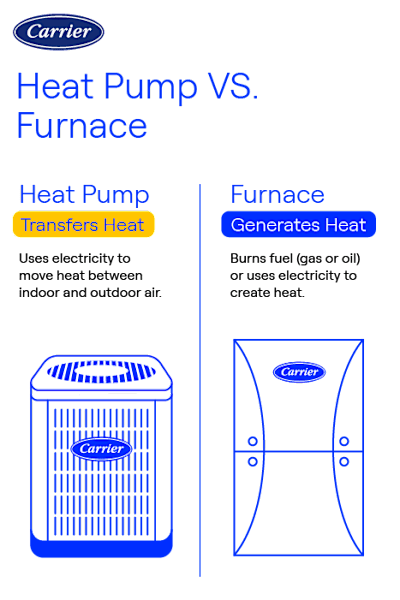
Air conditioners do not waste gas like cars or stoves do. They use electricity to cool your home. Sometimes, they need a special gas called refrigerant. This gas helps move heat outside. It does not burn or create pollution. Proper maintenance keeps your air conditioner working well.
Regular checks stop leaks and save energy. Using an air conditioner wisely helps the environment. It also lowers your bills. So, air conditioners are not gas wasters. They are a smart way to stay cool.