
Are you worried about harmful chemicals in your cookware? You’ve probably heard about PFAS and how they can affect your health.
If you own or are thinking about buying All Clad non-stick pans, you might be wondering—does All Clad non-stick have PFAS? Understanding what’s really inside your pans can help you make safer choices for your kitchen and your family. Keep reading to get clear answers and find out what you need to know before your next purchase.
What Is Pfas?
PFAS stands for per- and polyfluoroalkyl substances. These are man-made chemicals used in many products.
PFAS are known for resisting water, grease, and stains. They are sometimes called “forever chemicals.”
Types Of Pfas
There are thousands of PFAS chemicals. Some are more common than others in consumer products.
- PFOA (Perfluorooctanoic acid)
- PFOS (Perfluorooctane sulfonate)
- PFHxS (Perfluorohexane sulfonic acid)
- GenX chemicals
Where Pfas Are Found
PFAS are in many everyday items. They help make products water and stain resistant.
- Non-stick cookware
- Waterproof clothing
- Food packaging
- Cleaning products
Health Concerns About Pfas
Scientists worry about PFAS because they stay long in the body. They may cause health issues.
| Possible Health Effects | Details |
| Immune system | Lowered response to vaccines |
| Hormones | Changes in thyroid hormone levels |
| Cancer | Links to some types of cancer |
| Cholesterol | Higher cholesterol levels |

Credit: www.reddit.com
How Nonstick Coatings Work
Nonstick coatings make cooking easier by stopping food from sticking. They create a smooth surface on the pan.
These coatings help clean up faster and need less oil or butter for cooking.
What Are Nonstick Coatings Made Of?
Most nonstick coatings use a chemical called PTFE. It stands for polytetrafluoroethylene. PTFE is very slippery and heat resistant.
Some coatings also include ceramic or silicone materials to improve durability and safety.
How Does Ptfe Prevent Sticking?
PTFE creates a smooth, non-porous layer on the pan surface. Food cannot grab or cling to this surface.
This layer reduces friction, so food slides off easily during cooking and cleaning.
Are Pfas Chemicals Related To Nonstick Coatings?
PFAS are a large group of chemicals that include PTFE. Some PFAS can be harmful if released into the environment.
Many companies now use safer methods to make nonstick coatings without harmful PFAS.
How Safe Are Nonstick Coatings?
Nonstick pans are safe if used correctly. Avoid heating them above 500°F to stop damage.
Using wooden or silicone utensils protects the coating from scratches and extends its life.
- Do not use metal tools on nonstick surfaces
- Clean pans gently with soft sponges
- Do not overheat empty pans
All Clad Nonstick Materials
All Clad makes cookware with nonstick coatings. These coatings help food not stick while cooking.
Many people ask if All Clad nonstick pans have PFAS chemicals. PFAS are man-made chemicals used in some nonstick coatings.
PFAS stands for per- and polyfluoroalkyl substances. They are chemicals used to make surfaces nonstick and water-resistant.
Some PFAS chemicals can be harmful if they enter the environment or body in large amounts. Many companies work to reduce or remove PFAS from products.
Nonstick Coatings Used By All Clad
All Clad uses different nonstick coatings on its cookware. These coatings include PTFE-based materials and ceramic coatings.
PTFE is a type of polymer that makes the pan surface slick. It does not mean the pan has harmful PFAS chemicals.
- PTFE (Polytetrafluoroethylene) is commonly used in nonstick pans.
- All Clad uses PFOA-free PTFE coatings. PFOA is a type of PFAS.
- Ceramic coatings are another option. They usually do not contain PFAS.
Does All Clad Use Pfas In Nonstick Pans?
All Clad nonstick pans do not contain PFOA. PFOA is a harmful PFAS chemical once used in nonstick coatings.
All Clad uses safe PTFE coatings that are free from PFOA. These coatings provide good nonstick performance without harmful PFAS.
Some All Clad ceramic nonstick pans do not contain any PFAS chemicals. They use natural materials to create the coating.
How To Know Which Nonstick Material You Have
Check the product description or label for details about the coating. All Clad usually states if the pan is PFOA-free or ceramic.
You can also contact All Clad customer service to ask about specific products and their materials.
- Look for “PFOA-free” on the label
- Check if the coating is ceramic or PTFE
- Ask the manufacturer for details if unsure

Credit: www.greenwashingindex.com
Pfas Presence In All Clad Products
PFAS are chemicals used to make surfaces non-stick and water-resistant. Many cookware brands use them in their non-stick coatings.
People worry about PFAS because they may harm health. Let’s look at PFAS in All Clad non-stick products.
What Are Pfas?
PFAS means per- and polyfluoroalkyl substances. They are man-made chemicals used in many products.
They help cookware resist sticking and make cleaning easier. But some PFAS can stay in the body for a long time.
Does All Clad Use Pfas In Non-stick Cookware?
All Clad uses a special non-stick coating called PTFE on some products. PTFE is a type of PFAS but is considered safe when used properly.
All Clad states their coatings do not contain PFOA, a harmful PFAS chemical once common in non-stick pans.
- PTFE creates non-stick surface
- No PFOA in All Clad coatings
- Coatings are safe if not overheated
Safety And Use Of All Clad Non-stick Cookware
All Clad non-stick pans are safe if used as directed. Avoid heating pans above 500°F to prevent damage.
Damaged coatings can release harmful fumes. Proper use keeps cookware safe and long-lasting.
- Do not overheat non-stick pans
- Use wooden or silicone utensils
- Replace pans if coating peels or chips
Pfas-free Options From All Clad
All Clad offers stainless steel cookware without any non-stick coating. These products do not contain PFAS.
Choosing stainless steel is a good way to avoid PFAS if you prefer non-coated cookware.
- Stainless steel pans have no PFAS
- Durable and easy to clean
- Good for high heat cooking
Health Risks Linked To Pfas
PFAS are chemicals found in many non-stick coatings. People worry about their safety in cooking tools like All Clad pans. Understanding health risks helps you make smart choices.
These chemicals do not break down easily. They can build up in the body and the environment over time. This buildup may cause health problems.
What Are Pfas?
PFAS stands for per- and polyfluoroalkyl substances. They are man-made chemicals used to repel water and oil. PFAS are in some non-stick pans and many everyday products.
These chemicals can stay in the body for years. They spread through food, water, and air. This makes avoiding PFAS very hard.
Common Health Problems From Pfas
Studies link PFAS to many health issues. These problems affect different parts of the body. Some effects take years to show up.
- Increased cholesterol levels
- Changes in liver enzymes
- Weakened immune system
- Higher risk of thyroid disease
- Possible effects on growth and development
- Some cancers, like kidney and testicular
How Pfas Enter Your Body
PFAS can enter through food cooked in non-stick pans. They can also come from contaminated water and air. Using damaged non-stick cookware may increase exposure.
PFAS build up slowly. Small amounts add up over time. This long-term exposure may cause harm.
Reducing Your Exposure To Pfas
You can lower PFAS risks by choosing safe cookware. Avoid scratching or overheating non-stick pans. Check product labels for PFAS-free claims.
- Use stainless steel or cast iron pans
- Do not use metal utensils on non-stick surfaces
- Do not heat empty non-stick pans
- Replace old, damaged non-stick cookware
Alternatives To Pfas-based Coatings
PFAS coatings are common in non-stick cookware. They help food not to stick but may have health risks. Many people look for safer options.
Several coatings do not use PFAS chemicals. These coatings offer non-stick features without harmful substances. They are good choices for safe cooking.
Ceramic Coatings
Ceramic coatings are made from natural minerals. They do not contain PFAS and are free of toxic chemicals. These coatings provide a smooth, non-stick surface.
Ceramic cookware heats evenly and cleans easily. It is safe for use at higher temperatures. This makes it a popular PFAS-free choice.
Cast Iron Cookware
Cast iron pans do not use any chemical coatings. They become naturally non-stick when seasoned properly. Cast iron is durable and can last many years.
It requires some care to keep the seasoning. Cast iron also adds iron to your food, which can be healthy. This is a good PFAS-free option for cooking.
Anodized Aluminum
Anodized aluminum has a hard surface layer created by an electric process. This layer is non-reactive and helps prevent sticking. It does not use PFAS chemicals.
This cookware is strong and scratch-resistant. It also heats quickly and evenly. Anodized aluminum is a safe choice without PFAS coatings.
Stainless Steel Cookware
Stainless steel pans do not have non-stick coatings but can be used well with oil. They do not contain PFAS. With proper cooking techniques, food sticks less.
Stainless steel is very durable and easy to clean. It is a common choice for health-conscious cooks. This makes it a simple PFAS-free option.
Tips For Safe Nonstick Cookware Use
Nonstick cookware is popular for easy cooking and cleaning. Some worry about chemicals like PFAS in nonstick pans.
Using nonstick cookware safely helps protect your health and keeps your pans lasting longer.
Use Low To Medium Heat
High heat can damage nonstick coatings and release harmful fumes. Cook on low or medium heat only.
Keep your pans cool enough to avoid breaking down the nonstick surface.
Avoid Metal Utensils
Metal tools can scratch nonstick coatings. Use wooden, silicone, or plastic utensils instead.
- Prevent scratches that reduce nonstick quality
- Keep coating intact to avoid chemical release
- Extend the lifespan of your cookware
Do Not Overheat An Empty Pan
Heating an empty nonstick pan can damage the coating and release toxic fumes. Always add oil or food before heating.
Check Manufacturer Information
Some nonstick cookware contains PFAS, but many brands now make PFAS-free pans. Always read product details.
If you want to avoid PFAS, look for pans labeled as PFAS-free or made with ceramic coatings.
Clean Nonstick Pans Gently
Use soft sponges and mild detergent. Avoid abrasive cleaners or steel wool that can damage the coating.
Hand washing is best to keep the nonstick surface safe and effective.
Replace Worn-out Cookware
When nonstick coatings peel or chip, stop using the pan. Old coatings can release harmful particles.
Switch to new cookware to stay safe in the kitchen.
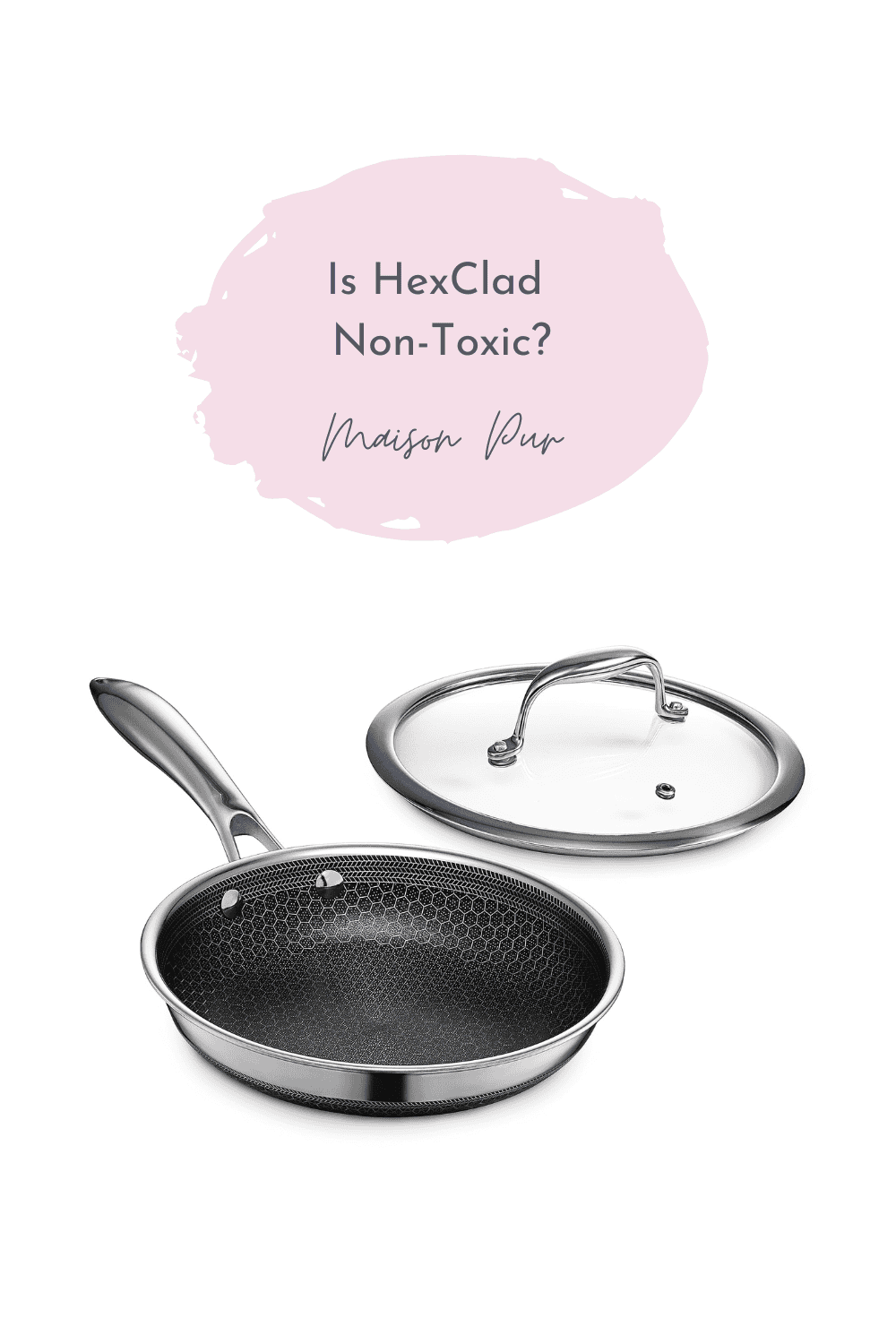
Credit: maisonpur.com
Frequently Asked Questions
What Is Pfas In Non-stick Cookware?
PFAS are synthetic chemicals used in non-stick cookware for its durability and resistance to heat. They are often associated with health concerns due to their persistence in the environment and potential toxicity. It’s crucial to check if your cookware is free from these chemicals to ensure safer cooking.
Does All-clad Non-stick Contain Pfas?
All-Clad non-stick cookware is made without PFAS, ensuring safer cooking. The company focuses on health and safety by using alternative materials. All-Clad is committed to providing high-quality cookware without compromising consumer health or environmental safety.
How Can I Ensure Cookware Is Pfas-free?
To ensure cookware is PFAS-free, check product labels or manufacturer websites. Look for terms like “PFAS-free” or “PFOA-free” for assurance. Additionally, reputable brands often highlight their commitment to safety, making it easier to choose non-toxic options.
Are There Health Risks With Pfas Cookware?
Yes, PFAS in cookware can pose health risks. These chemicals can leach into food, potentially causing health issues like hormonal disruptions. Opting for PFAS-free cookware reduces these risks, offering a safer cooking experience.
Conclusion
All Clad non-stick pans do not contain PFAS. They use safer, high-quality coatings for cooking. Choosing non-stick cookware matters for health and safety. Always check product details before buying. Clean and care for pans properly to last longer. Enjoy cooking without worrying about harmful chemicals.
Trustworthy cookware helps make meals easier and safer.