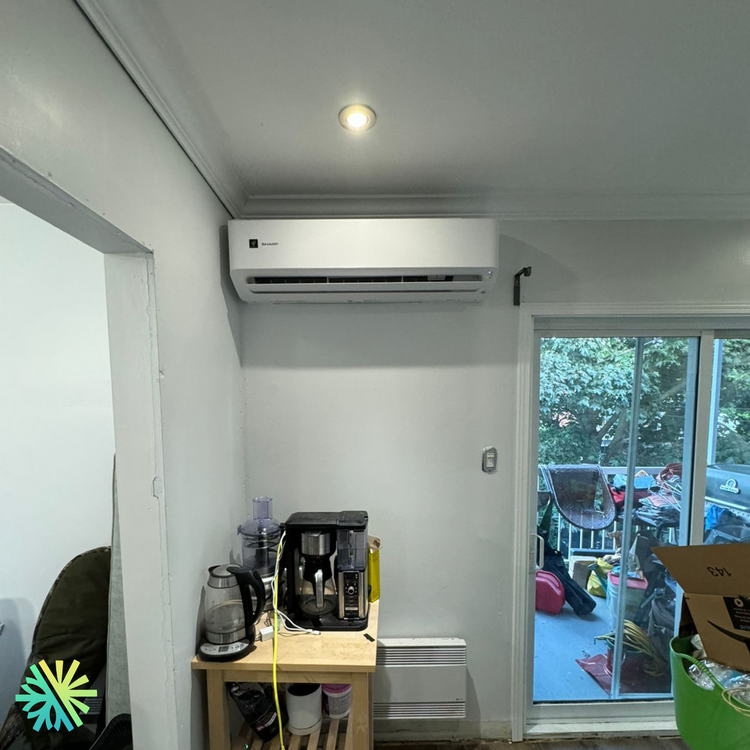
Have you ever wondered if your air conditioner does more than just cool your room? You might think it also cleans the air you breathe.
After all, fresh and pure air is something everyone wants at home or work. But does your AC really purify the air, or is that just a common myth? Keep reading to find out the truth and learn how your air conditioner affects your indoor air quality.
This knowledge could change the way you use your AC and improve your health every day.
How Air Conditioners Work
An air conditioner works by moving heat from inside to outside. It uses a refrigerant that changes from liquid to gas and back. This cycle cools the air inside the room.
Air conditioners pull warm air from the room. The air passes over cold coils filled with refrigerant. This cools the air, which is then blown back into the room.
- Warm air enters the unit through a vent.
- The refrigerant absorbs heat from the air.
- Cool air is pushed back into the room.
- Heat is released outside the building.
Air Conditioning Vs Air Purification
An air conditioner cools and controls room temperature. It moves air and removes humidity. Some models have filters that catch dust and large particles. But these filters do not clean very small particles like bacteria or viruses.
Air purifiers focus on cleaning the air. They use special filters like HEPA to trap tiny particles. Some use UV light to kill germs. Air purifiers remove allergens, dust, smoke, and bad smells from the air.
Many people think air conditioners clean air fully. This is not true. Air conditioners mainly provide comfort by cooling. Air purifiers are designed to improve air quality by removing pollutants.
Filters In Air Conditioners
Air conditioners use different types of filtersto clean the air. The most common are mesh filters, HEPA filters, and carbon filters. Mesh filters catch large dust and dirt. HEPA filters trap very small particles like pollen and smoke. Carbon filters remove odors and some gases.
Effectiveness varies by filter type. Mesh filters remove only big particles. HEPA filters remove up to 99.97% of tiny particles. Carbon filters help reduce smells but do not catch dust well.
| Filter Type | Particles Removed | Effectiveness |
|---|---|---|
| Mesh Filter | Large dust and dirt | Basic |
| HEPA Filter | Small particles like pollen, smoke | High |
| Carbon Filter | Odors and gases | Moderate |

Credit: www.youtube.com
Limitations Of Air Conditioner Filters
Air conditioner filters catch dust, pollen, and some small particles. They cannot remove germs, bacteria, or viruses. Filters also do not capture gases, odors, or smoke well. This limits their ability to fully purify air.
Filters work best for larger particles. Tiny particles may pass through and stay in the air. This is why air conditioners should not be relied onas the only air cleaning method.
- Filters need regular cleaning or replacement.
- Dirty filters reduce airflow and cooling efficiency.
- Neglecting filter care can cause dust build-up inside the unit.
- Maintaining filters helps keep air quality better.
Air Purifiers And Their Role
Air purifiershelp clean indoor air by removing dust, pollen, and smoke. They use filters like HEPA to trap tiny particles. Some also use UV light to kill germs. This makes the air healthier to breathe. Air purifiers work well in rooms where air quality is poor or allergy triggers are present.
Air conditioners cool the air but do not clean it like purifiers do. They remove some moisture and dust but do not trap tiny pollutants or kill bacteria. Air conditioners mainly focus on temperature control, not air cleaning.
| Feature | Air Purifier | Air Conditioner |
|---|---|---|
| Purpose | Clean air by filtering pollutants | Cool air and control humidity |
| Filters | HEPA, carbon, UV lights | Basic dust filters |
| Removes bacteria & viruses | Yes, with special filters or UV | No |
| Controls temperature | No | Yes |
Improving Indoor Air Quality
An air conditioner cools and circulates air but does not fully clean it. Most AC units have basic filters that catch dust and large particles. These filters help reduce some allergens but cannot remove tiny pollutants or germs.
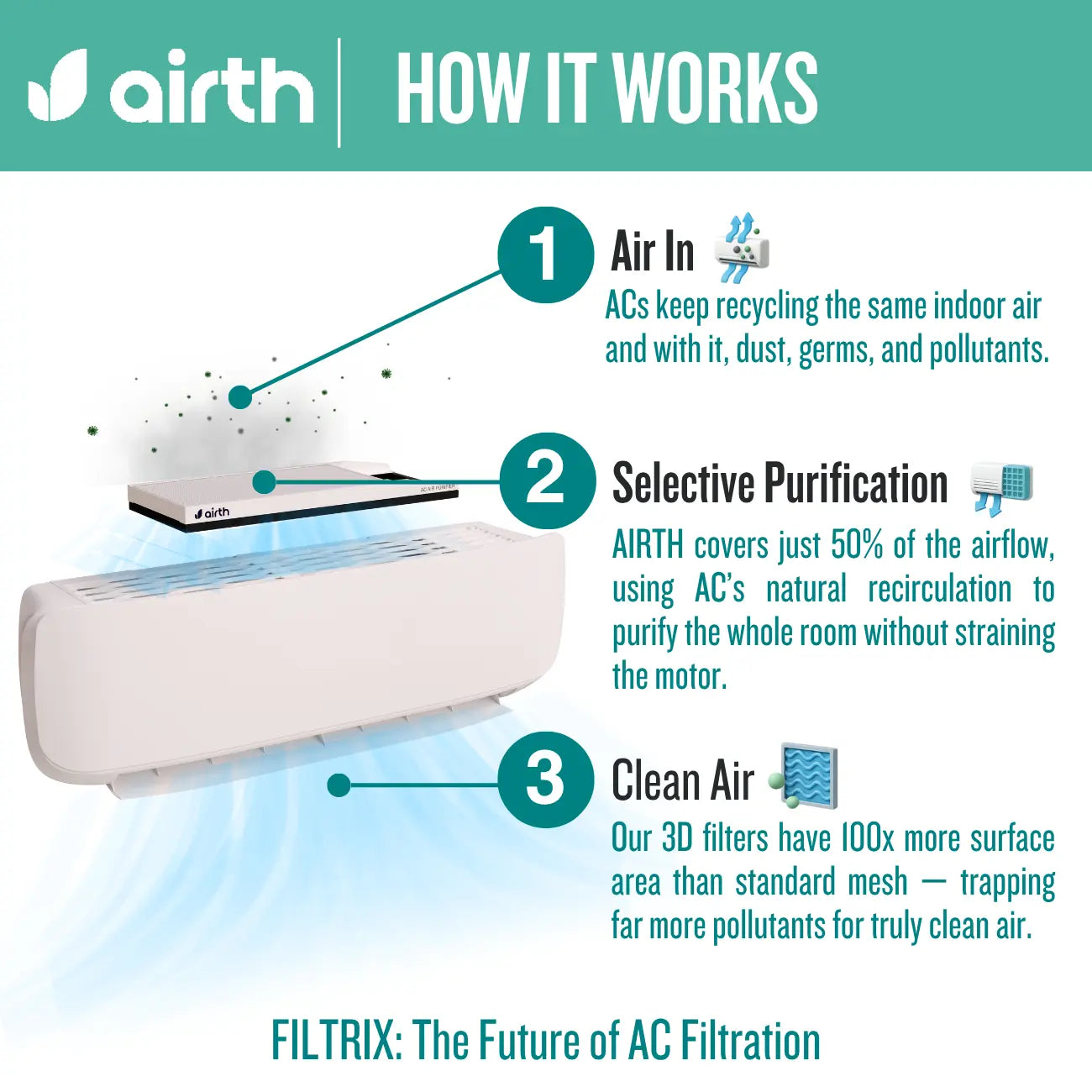
Using an air purifier with your AC improves indoor air quality. Air purifiers have special filters like HEPA that trap small particles, pollen, and smoke. Combining both keeps the air cooler and cleaner.
- Keep windows closed to prevent outdoor pollution.
- Change AC filters regularly to maintain efficiency.
- Use plants that help absorb toxins naturally.
- Clean air ducts to reduce dust buildup.
- Ventilate rooms briefly to refresh the air.
Health Impacts Of Poor Air Quality
Poor air quality can cause many health problems. Dust, smoke, and pollen irritate the lungs. Breathing dirty air may lead to coughing, sneezing, and allergies. It can also worsen asthma and cause breathing difficulties.
Without proper filtration, harmful particles stay in the air. Viruses and bacteria may spread easily. Chemicals and odors can cause headaches and tiredness.
- Clean airhelps the lungs work better.
- It reduces the risk of infections.
- Good air improves sleep quality.
- Clear air supports better focusand energy.

Credit: www.youtube.com
Credit: airth.in
Frequently Asked Questions
Does An Air Conditioner Clean The Air Inside Rooms?
Air conditioners primarily cool air and remove humidity. They do not effectively remove dust, allergens, or pollutants unless equipped with special filters. Standard AC units improve comfort but are not designed to purify indoor air.
Can Air Conditioners Reduce Indoor Allergens?
Basic air conditioners do not significantly reduce allergens. However, units with HEPA or activated carbon filters can trap some allergens and particles, improving air quality slightly. Regular filter maintenance is essential for better allergen control.
How Do Air Conditioner Filters Affect Air Quality?
Filters in air conditioners trap dust and larger particles, preventing them from circulating. Clean, high-quality filters improve indoor air quality but do not eliminate all pollutants. Changing filters regularly is crucial for optimal performance and healthier air.
Are Air Conditioners Effective Against Airborne Viruses?
Standard air conditioners do not kill or remove viruses from the air. Some advanced units with UV light or specialized filters may reduce airborne pathogens. Still, ACs alone cannot guarantee virus-free indoor environments.
Conclusion
Air conditioners cool the air, but they don’t purify it. They can remove some dust and allergens. Yet, they aren’t designed to eliminate all pollutants. For better air quality, consider an air purifier. These devices target specific pollutants. They complement air conditioners well.
Remember to maintain your AC unit regularly. Clean filters help with air quality. Consider other solutions for a healthier home. Plants can add fresh air naturally. Stay informed about your indoor air quality. It impacts your health and comfort.