
Have you ever found yourself puzzled over whether to refrigerate bacteriostatic water after opening it? You’re not alone.
Many people are unsure about how to properly store this commonly used solution. It’s critical to know the right steps for storage to ensure its effectiveness and safety. We’ll dive into the nitty-gritty of bacteriostatic water storage, dispel common myths, and give you clear guidance.
Keep reading to unlock crucial information that could prevent unnecessary waste and ensure your solutions are always in peak condition. Your peace of mind is just a few scrolls away.
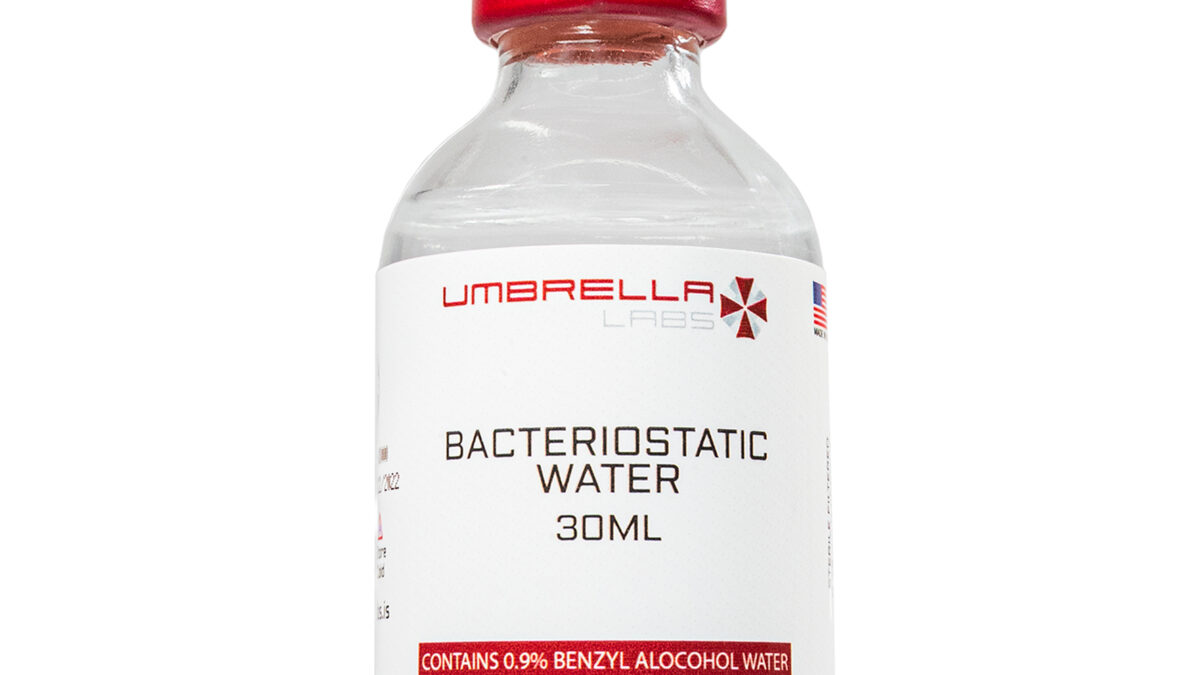
Credit: umbrellalabs.is
What Is Bacteriostatic Water
Bacteriostatic water is a common item in medical and cosmetic settings, but many people are unsure about what exactly it is and how it works. Understanding what bacteriostatic water is can help you use it safely and effectively. Let’s break down its purpose and properties in simple terms.
What Is Bacteriostatic Water Made Of?
Bacteriostatic water is sterile water that contains a small amount of an additive called benzyl alcohol. This additive prevents the growth of bacteria, making the water safe for multiple uses. Unlike regular sterile water, bacteriostatic water doesn’t allow bacteria to multiply, which is key for injections or diluting medications.
How Does Bacteriostatic Water Work?
The benzyl alcohol in bacteriostatic water acts like a guard against bacteria. It doesn’t kill bacteria instantly but stops them from growing. This property helps keep the water safe for repeated use within a certain time frame after opening.
Common Uses Of Bacteriostatic Water
- Diluting medications for injection
- Cleaning wounds or medical instruments
- Mixing with certain drugs to ensure safe administration
Have you ever wondered why some injections require bacteriostatic water instead of regular water? The difference lies in safety and sterility, especially when the solution will be used multiple times.
Why Is It Important To Know What Bacteriostatic Water Is?
Knowing what bacteriostatic water is helps you handle it properly. For instance, you’ll understand why it shouldn’t be used for newborns or certain sensitive applications. It also gives you insight into why storage instructions matter after opening the vial.
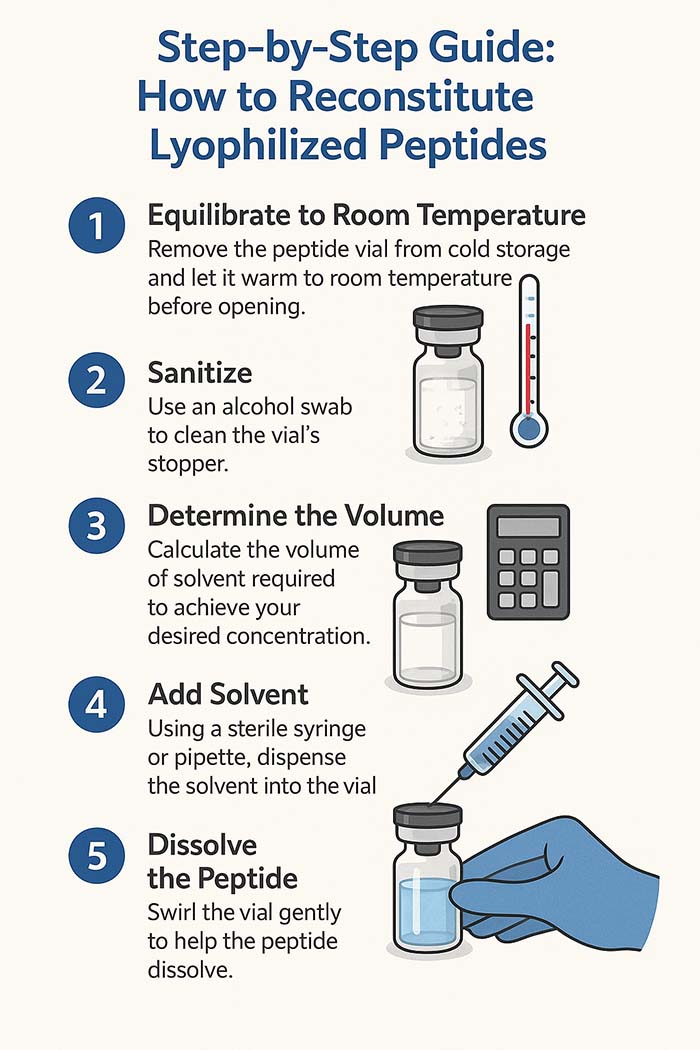
Credit: verifiedpeptides.com
How Bacteriostatic Water Works
Bacteriostatic water is not just plain water. It contains a special ingredient that stops bacteria from growing. Understanding how it works helps you handle it safely and effectively, especially after opening.
What Makes Bacteriostatic Water Different?
Unlike regular sterile water, bacteriostatic water has a small amount of a preservative, usually 0.9% benzyl alcohol. This preservative prevents bacteria from multiplying inside the container.
This means you can use the same vial multiple times without worrying about contamination—if stored properly.
How Does The Preservative Work?
Benzyl alcohol acts by interfering with bacterial cell processes. It doesn’t kill bacteria instantly but stops them from reproducing.
This creates a safe environment inside the vial, keeping the water clean for longer periods.
Why Does This Matter After Opening?
Once you open a vial, bacteria from the air or needle can enter. Without the preservative, these bacteria would multiply quickly, contaminating the water.
Because bacteriostatic water slows bacterial growth, it remains safe to use for up to 28 days after opening.
Can You Use Bacteriostatic Water For All Injections?
Not exactly. It’s ideal for medications that don’t require immediate injection because you can draw doses over time.
However, some medications or injections require preservative-free water, so always check your medication’s instructions.
Have you ever wondered how long your opened vial stays safe? Knowing the role of the preservative helps you decide when to toss or keep it.
Storage Guidelines Before Opening
Proper storage of bacteriostatic water before opening is essential. It keeps the water safe and effective. This guide explains how to store it correctly.
Keep In A Cool, Dry Place
Bacteriostatic water should be stored in a cool, dry area. Avoid places with high heat or humidity. A cabinet away from sunlight is ideal.
Protect From Direct Sunlight
Sunlight can degrade the water and its container. Store the bottle in a shaded spot. This helps maintain its quality and safety.
Maintain Original Packaging
Keep the water in its original sealed container. The packaging protects it from contamination. Do not transfer to other bottles before use.
Check Expiry Date Regularly
Always verify the expiration date on the label. Do not use the water past this date. Expired water may not be sterile or safe.
Storage After Opening
Proper storage after opening bacteriostatic water is essential to keep it safe and effective. This water contains preservatives that slow bacterial growth, but it is not immune to contamination. How you store it affects its longevity and quality. Understanding the best conditions helps maintain its purity and usability.
Refrigeration Benefits
Keeping bacteriostatic water in the refrigerator extends its shelf life. Cooler temperatures slow down bacteria and mold growth. This helps maintain the water’s sterility for longer periods. Refrigeration also preserves the effectiveness of the preservatives inside. It reduces the risk of contamination from environmental exposure. Always seal the container tightly before refrigerating.
Room Temperature Risks
Storing bacteriostatic water at room temperature can shorten its usability. Warm conditions encourage bacterial growth despite preservatives. Exposure to air and light can degrade the water quality. This may lead to contamination and reduce safety. Avoid placing the bottle near heat sources or direct sunlight. Use the water within the recommended time after opening to stay safe.
Shelf Life And Expiration
Understanding the shelf life and expiration of bacteriostatic water after opening is crucial for safety and effectiveness. The way you store it can significantly affect how long it remains usable. Let’s dive into what you need to know to keep your supplies safe and reliable.
Shelf Life Of Bacteriostatic Water After Opening
Once opened, bacteriostatic water typically lasts about 28 days if stored correctly. This is because the water contains a preservative that slows bacterial growth but does not eliminate it completely. After this period, the risk of contamination increases, so using it beyond that can be unsafe.
Does Refrigeration Extend Shelf Life?
Refrigeration can help maintain the quality of bacteriostatic water but is not always required. Many manufacturers recommend storing it at room temperature, away from direct sunlight. However, keeping it in the fridge may slow down any microbial growth even further, giving you peace of mind.
Signs Your Bacteriostatic Water Has Expired
Always check for changes before use. If the water looks cloudy, has particles, or shows any discoloration, it’s time to discard it immediately. Trust your senses—if it smells unusual or the vial seems compromised, don’t take the risk.
Tips For Maximizing Shelf Life
- Use a sterile needle and syringe each time to avoid contamination.
- Keep the vial tightly sealed when not in use.
- Store in a cool, dry place away from direct sunlight.
- Note the date you opened the vial and set a reminder to discard after 28 days.
Have you ever wondered how small changes in storage can impact your health products? Paying attention to these details ensures you get the full benefits without risking contamination or infection.
Common Misconceptions
Many people get confused about how to store bacteriostatic water after opening. Misunderstandings can lead to improper storage, which might affect the water’s effectiveness and safety. Let’s clear up some common misconceptions that could be influencing how you handle this product.
Does Bacteriostatic Water Need Refrigeration?
A widespread belief is that bacteriostatic water must always be refrigerated once opened. In reality, this is not necessarily true. Bacteriostatic water contains a preservative that inhibits bacterial growth, allowing it to be stored at room temperature in a clean environment.
However, refrigeration can sometimes extend its shelf life, especially in warmer climates. You might ask yourself: is it worth the hassle to refrigerate, or is keeping it sealed in a cool, dry place enough?
Is Bacteriostatic Water Sterile After Opening?
Many assume that because bacteriostatic water is sterile when sealed, it remains sterile indefinitely after opening. This is not the case. Once opened, exposure to air and handling can introduce contaminants.
That’s why it’s essential to use the water within the recommended time frame and avoid touching the tip of the vial. Have you ever left a vial open and wondered if it’s still safe to use? That’s a risk worth avoiding.
Can Bacteriostatic Water Be Reused Indefinitely?
Some people believe they can reuse the same vial of bacteriostatic water multiple times without any issues. The truth is, repeated punctures increase the chance of contamination. Most manufacturers recommend using the vial within 28 days of opening.
Think about the last time you reused a vial—did you notice any changes in clarity or smell? If yes, it’s a signal to discard the product.
Is Bacteriostatic Water Safe To Use Past Its Expiration Date?
It’s tempting to use bacteriostatic water beyond its expiration date, assuming it’s still good because it looks clear. But expiration dates indicate the period during which the manufacturer guarantees safety and effectiveness.
Using it after this date can compromise safety. Have you ever taken a risk with expired products? With bacteriostatic water, it’s better not to gamble.
Tips For Safe Use
Using bacteriostatic water safely is important to keep it effective and clean. Proper care after opening prevents contamination and extends its shelf life. Follow these tips to ensure safe handling and storage.
Store In A Cool, Dry Place
Keep the bottle away from direct sunlight and heat. Room temperature is usually fine unless the label says otherwise. Avoid humid areas like bathrooms.
Keep The Bottle Sealed Tightly
Always close the cap firmly after each use. This stops dust, bacteria, and air from entering. A tight seal helps maintain sterility.
Use Sterile Syringes And Needles
Only use new, sterile syringes to draw water. Reusing needles or syringes can contaminate the bottle. Dispose of used equipment safely.
Check For Changes Before Use
Look for cloudiness or particles inside the bottle. Any change in appearance may mean contamination. Do not use if the water looks different.
Follow Expiry And Usage Guidelines
Use the water within the time recommended on the label. Discard any leftover after this period. Avoid using water past its expiration date.
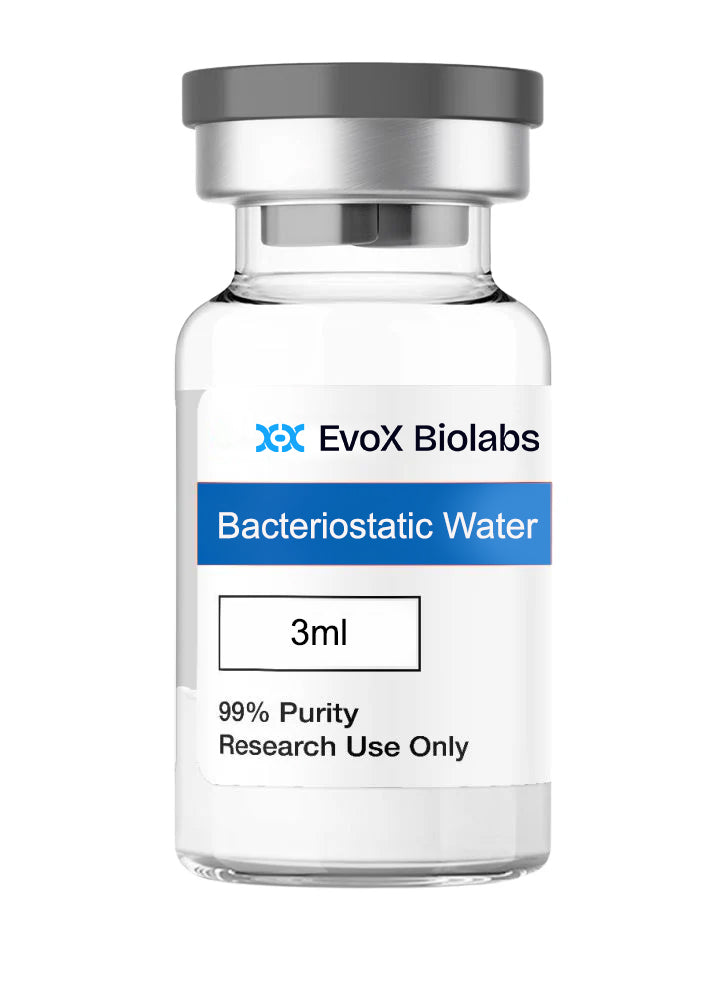
Credit: evoxbiolabs.com
Frequently Asked Questions
Does Bacteriostatic Water Require Refrigeration After Opening?
Bacteriostatic water does not always require refrigeration after opening. However, storing it in a cool, dry place is recommended to maintain sterility and effectiveness. Follow manufacturer instructions for best storage practices to avoid contamination or degradation.
How Long Can Bacteriostatic Water Be Used After Opening?
Bacteriostatic water can usually be used for up to 28 days after opening if stored properly. Always check the product label for specific expiration details to ensure safety and efficacy.
Can Bacteriostatic Water Be Left At Room Temperature?
Yes, bacteriostatic water can generally be stored at room temperature if kept sealed and away from direct sunlight. Avoid extreme heat or humidity to preserve its quality and sterility.
What Happens If Bacteriostatic Water Is Not Refrigerated?
If not refrigerated, bacteriostatic water may lose potency or become contaminated faster. Proper storage helps maintain its bacteriostatic properties and prevents bacterial growth, ensuring safe use.
Conclusion
Bacteriostatic water stays safe without refrigeration after opening. Keep the bottle sealed tightly to avoid contamination. Store it in a cool, dry place away from direct sunlight. Use the water within the time frame given on the label. Proper storage helps maintain its quality and effectiveness.
Always check for changes in color or smell before use. Safe handling ensures the water works as intended. Simple care keeps your bacteriostatic water reliable and clean.