Are you wondering if your delicious buttercream icing needs to be refrigerated? You’ve spent time perfecting that smooth, creamy texture, and now you’re asking yourself—should it stay out on the counter or chill in the fridge?
The answer might surprise you and can make all the difference in how your icing tastes and holds up. Keep reading to find out the simple steps you can take to keep your buttercream fresh and perfect every time.
Types Of Buttercream
Buttercream is a popular choice for cake frosting. It comes in different types, each with unique textures and flavors. Knowing the types helps decide if refrigeration is needed. Some buttercreams are more stable at room temperature. Others require cooling to stay fresh and safe.
American Buttercream
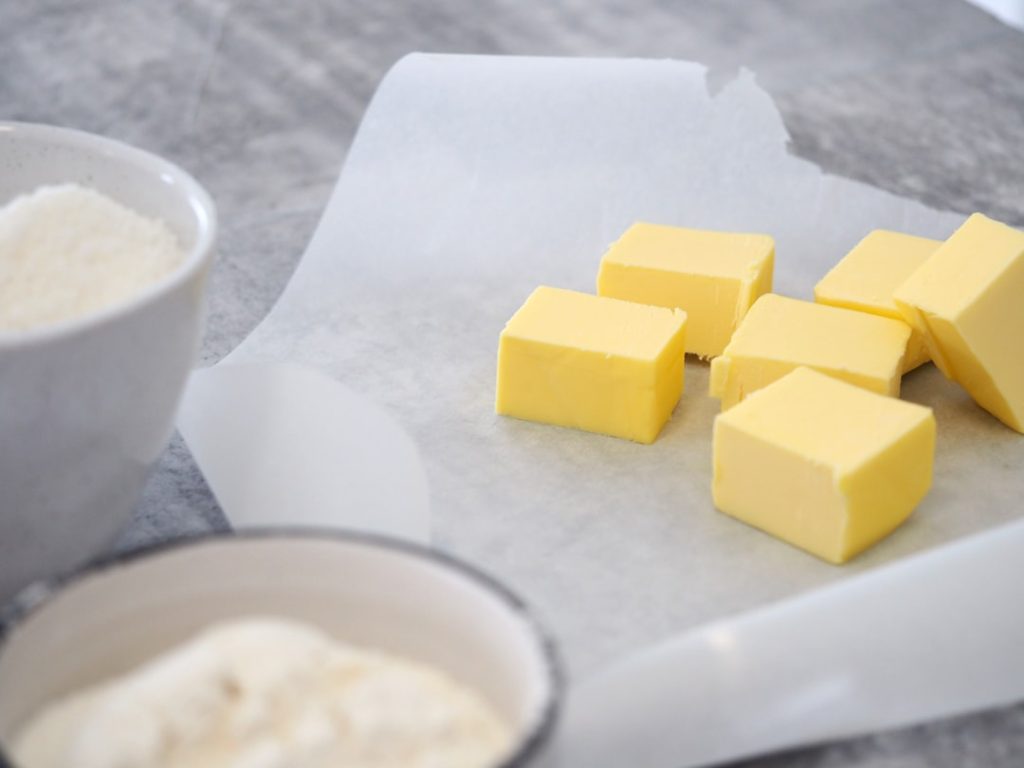
American buttercream is simple and sweet. It uses butter and powdered sugar. Sometimes, milk or cream adds softness. This buttercream is thick and easy to spread. It can sit out a few hours but lasts longer refrigerated.
Swiss Meringue Buttercream
Swiss meringue buttercream is light and silky. Egg whites and sugar are heated then whipped. Butter is added for creaminess. This type is smoother and less sweet than American. It needs refrigeration to keep fresh and safe.
Italian Meringue Buttercream
Italian meringue buttercream is stable and smooth. Hot sugar syrup is poured into whipped egg whites. Butter is blended in after. This buttercream holds shape well and tastes rich. It should be refrigerated, especially in warm weather.
French Buttercream
French buttercream is rich and creamy. It uses egg yolks instead of whites. Sugar syrup is added to the yolks before mixing with butter. This buttercream is delicate and silky. Refrigeration is necessary for safety and texture.

Credit: savorysweetlife.com
Shelf Life Without Refrigeration
Buttercream icing is a popular choice for many desserts. Knowing how long it lasts without refrigeration is important for safe and tasty treats. The shelf life without refrigeration depends on several factors. These include the ingredients used and the environment where the icing is stored. Understanding these helps keep your buttercream fresh and safe to eat.
Room Temperature Stability
Buttercream icing can stay stable at room temperature for a short time. Usually, it lasts about 1 to 2 days. The texture remains smooth and creamy during this period. Keep it covered to avoid drying out or contamination. Avoid leaving it in hot or humid places. Warmer temperatures can cause the butter to melt and spoil faster.
Factors Affecting Spoilage
Several factors affect how quickly buttercream spoils without refrigeration:
- Ingredients:Butter-based icings spoil faster than those made with shortening.
- Humidity:High moisture can promote mold and bacteria growth.
- Exposure to Air:Air causes the icing to dry and can introduce germs.
- Cleanliness:Using clean utensils and containers slows spoilage.
Knowing these factors helps in storing buttercream safely outside the fridge.
When To Refrigerate Buttercream
Knowing when to refrigerate buttercream icing helps keep it fresh and safe. Buttercream can stay soft at room temperature for some time. Yet, certain ingredients and conditions need refrigeration to avoid spoilage or texture changes. Understanding these factors makes your cake taste better and last longer.
Buttercream With Dairy Additions
Buttercream with milk, cream, or cream cheese needs refrigeration. These dairy ingredients can spoil quickly at room temperature. Keep cakes with dairy-based buttercream in the fridge. Take them out 30 minutes before serving for soft texture and flavor.
Warm Weather Considerations
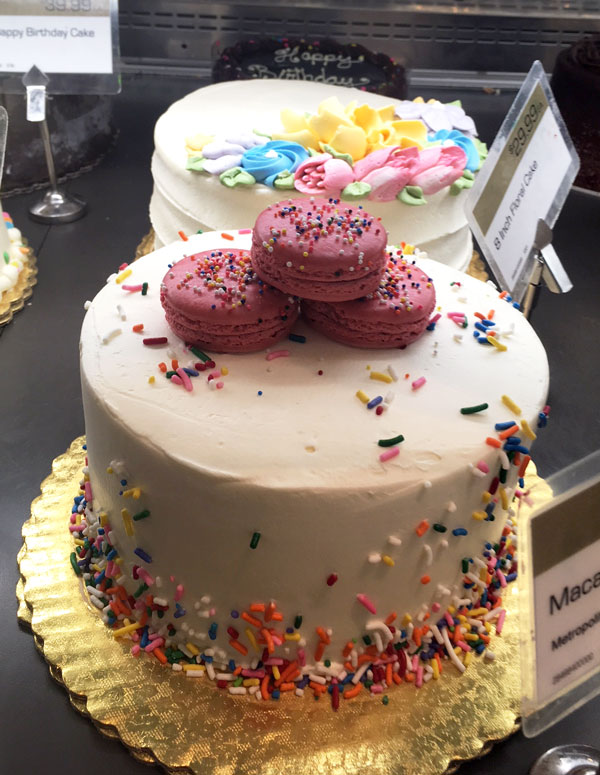
Warm weather can melt or soften buttercream. High heat makes the icing unstable. Refrigerate buttercream cakes during hot days to keep shape. If serving outdoors, store cakes in cool places or fridge until use. Avoid direct sunlight on buttercream to prevent melting.
Extended Storage Needs
Buttercream stored longer than two days should be refrigerated. This prevents bacteria growth and flavor loss. Wrap the cake or icing tightly to avoid drying out. Before eating, bring buttercream to room temperature for best taste and texture.
Credit: savorysweetlife.com
Proper Refrigeration Techniques
Proper refrigeration techniques keep buttercream icing fresh and tasty. Storing it correctly prevents spoilage and preserves texture. Attention to wrapping, container choice, and condensation control is essential. Follow these tips to maintain the quality of your buttercream icing.
Wrapping And Covering
Wrap buttercream icing tightly to avoid exposure to air. Use plastic wrap or airtight covers. Press the wrap directly on the icing surface to stop drying. Cover the container fully to block fridge odors. Proper wrapping keeps the icing smooth and moist.
Ideal Container Types
Choose containers that seal well. Glass or plastic containers with tight lids work best. Avoid containers that allow air leaks. Use shallow containers for faster cooling. Containers should be clean and dry before use to prevent contamination.
Avoiding Condensation
Condensation causes water droplets that ruin icing texture. Let the icing cool to room temperature before refrigerating. Avoid opening the fridge door frequently. Store the container in the main fridge area, not the door. Use paper towels inside the container lid to absorb moisture.
Thawing And Reusing Buttercream
Thawing and reusing buttercream icing can save you time and reduce waste, especially if you’ve made more than you need. But the way you thaw it affects its texture and flavor, which in turn impacts your cake’s final look and taste. Let’s talk about how to get your buttercream back to its best after freezing.
Safe Thawing Methods
Thaw buttercream by moving it from the freezer to the refrigerator first. This gradual thawing prevents condensation, which can make the icing watery or cause sugar to crystallize.
After 8 to 12 hours in the fridge, let the buttercream sit at room temperature for about 30 minutes. This softens it, making it easier to stir without breaking the texture.
Avoid using the microwave or hot water to thaw your buttercream. Quick heat can separate the fats and leave you with an oily mess.
Restoring Texture And Flavor
Once thawed, your buttercream might look grainy or slightly separated. Don’t worry—this is common and fixable.
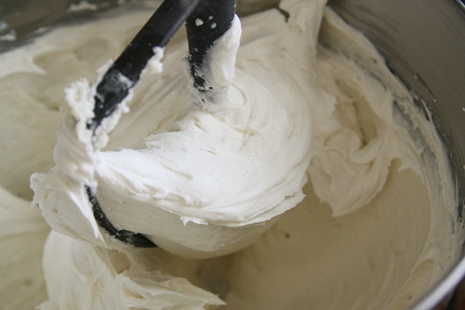
Use a hand mixer or stand mixer to whip the icing for several minutes. This action reincorporates the fats and sugars, returning it to a smooth and fluffy consistency.
If the flavor seems muted, a small splash of vanilla extract or a pinch of salt can brighten it up. Tasting as you go helps you get the balance right.
Have you noticed your buttercream acting differently after freezing? Trying these steps can make a big difference in your baking experience and final presentation.
Credit: savorysweetlife.com
Common Storage Mistakes
Storing buttercream icing properly keeps it fresh and safe to eat. Many make simple mistakes that spoil its texture and flavor. Poor storage can cause the icing to dry out, melt, or grow bacteria. Avoid these common errors to enjoy your buttercream longer.
Leaving Uncovered
Buttercream left uncovered dries quickly. A hard crust forms on the surface. This changes the smooth texture and taste. Always cover with plastic wrap or store in an airtight container. This keeps moisture in and air out.
Overexposure To Heat
Heat softens buttercream too much. It may melt or separate. Warm temperatures also encourage bacteria growth. Keep buttercream in a cool place or refrigerate it. Avoid leaving it near ovens or sunny windows.
Ignoring Expiration Signs
Buttercream shows signs when it goes bad. Watch for sour smell, discoloration, or mold spots. Eating spoiled buttercream can cause stomach issues. Check your icing before use. Always trust your senses to decide if it’s fresh.
Tips For Long-lasting Buttercream
Keeping buttercream fresh and stable can be tricky. It needs care to last longer without losing its texture or taste. Simple tips help maintain its creamy goodness for days.
These tips focus on improving buttercream’s durability and appearance. They help avoid melting or separation, especially in warmer conditions.
Using Stabilizers
Stabilizers improve buttercream’s structure and shelf life. Adding ingredients like gelatin or cornstarch makes it firmer. This prevents it from becoming too soft.
Stabilizers also help buttercream hold its shape during warm weather. They keep it smooth and stop it from sweating or weeping.
Maintaining Consistent Temperatures
Buttercream needs a steady, cool environment to stay fresh. Avoid sudden temperature changes that cause melting or hardening.
Store buttercream-covered cakes in a cool spot away from direct sunlight. Room temperature between 65°F and 70°F is ideal for short-term keeping.
Refrigeration works well but bring the cake to room temperature before serving. This keeps the texture soft and creamy.
Frequently Asked Questions
Does Buttercream Icing Spoil If Left Out?
Buttercream icing can be left out for a short period. However, if it contains perishable ingredients like milk or cream, it should be refrigerated. For safety, it’s best to store it in the fridge if you’re not using it immediately.
How Long Can Buttercream Sit At Room Temperature?
Buttercream can sit at room temperature for up to two days. However, the temperature of the room can affect its stability. If it’s particularly warm, consider refrigerating it sooner to maintain its texture and safety.
Is Refrigeration Necessary For All Buttercream Types?
Not all buttercream types require refrigeration. American buttercream, made with butter and sugar, can be left out longer. But, Swiss or Italian meringue buttercreams, which contain eggs, should be refrigerated to ensure freshness and safety.
Can You Freeze Buttercream Icing?
Yes, you can freeze buttercream icing for future use. Ensure it’s stored in an airtight container to prevent freezer burn. Thaw it in the fridge when you’re ready to use it, and then re-whip it for the best consistency.
Conclusion
Buttercream icing can stay fresh without refrigeration for a short time. Keep it cool if the room is warm or for longer storage. Too much heat can melt or spoil the icing. Use airtight containers to keep the flavor and texture.
Always check for any changes before eating. Proper storage helps your cake stay tasty and safe. Remember, simple care keeps buttercream delicious and smooth. Easy steps make your baking better every time.