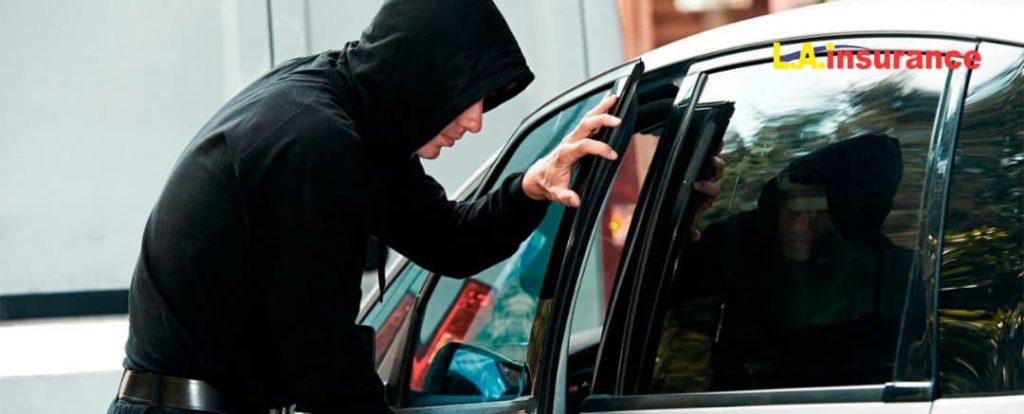
Have you ever wondered if your car insurance protects the things you keep inside your vehicle? Imagine this: you park your car, leave your personal items inside, and later find out they’ve been stolen.
What happens next? Will your car insurance help you replace those valuables, or are you on your own? Understanding whether your policy covers theft of personal items can save you from unexpected costs and stress. Keep reading to discover what you really need to know about protecting your belongings when they’re in your car.
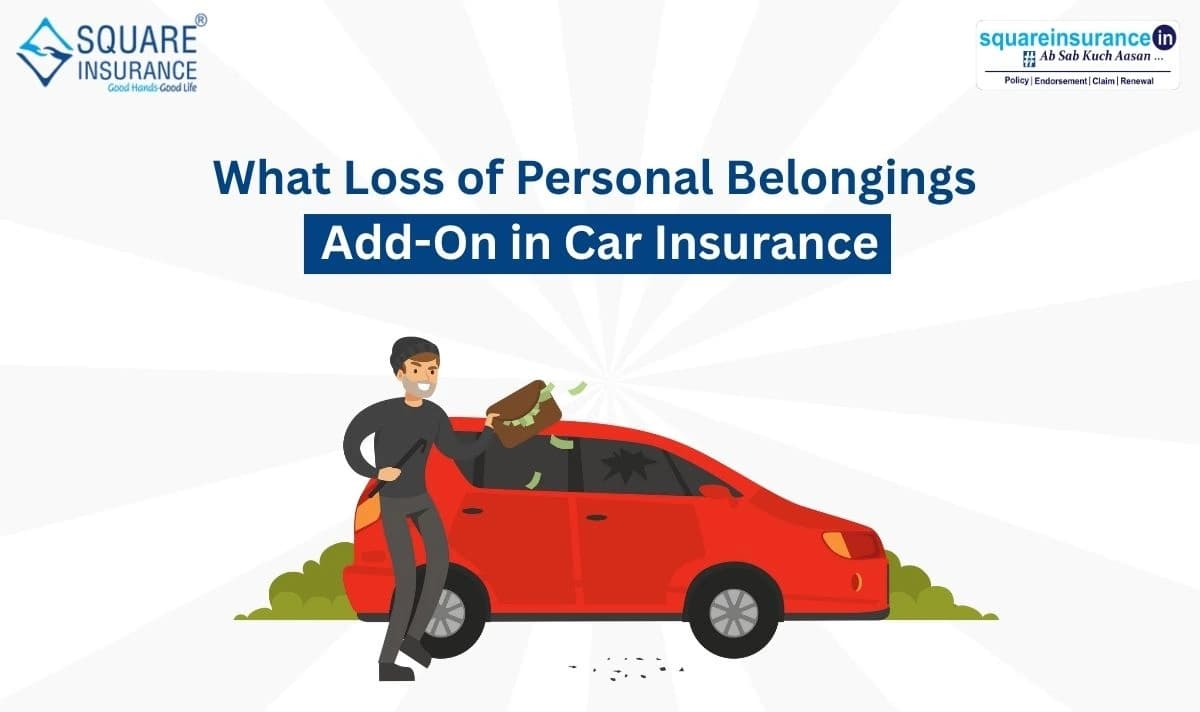
Credit: www.squareinsurance.in
Car Insurance Basics
Understanding car insurance is key to knowing what protection you have. It covers more than just damage to your vehicle. Many people wonder if personal items stolen from their cars are covered. Knowing the basics helps you plan better and avoid surprises.
Types Of Coverage
Car insurance has different types of coverage. Each covers specific risks. Here are the main types:
- Liability coverage:Covers damage to others if you cause an accident.
- Collision coverage:Pays for damage to your car after a crash.
- Comprehensive coverage:Protects against theft, fire, vandalism, and natural events.
- Personal injury protection:Covers medical costs for you and passengers.
Comprehensive coverage is the one that may help if your personal items are stolen from your car.
Personal Items In Vehicles
Most car insurance policies do not cover personal items inside the vehicle. This means things like laptops, bags, or phones are often excluded. These items usually fall under homeowners or renters insurance instead.
Some policies may offer limited protection for personal belongings. It depends on your insurer and policy details. Always check your policy or ask your agent to be sure.
Keeping valuables out of sight reduces the risk of theft. Locking your car and parking in safe areas also helps protect your belongings.
Credit: lainsurance.com
Theft Coverage Details
Theft coverage in car insurance can be a tricky area to understand. You might think your personal items are protected if stolen from your vehicle, but that’s not always the case. Let’s break down what theft coverage really means and how it applies to your belongings inside the car.
Comprehensive Insurance Role
Comprehensive insurance typically covers theft of your vehicle itself and damages caused by theft attempts. However, coverage for personal items stolen from inside your car often depends on your policy details.
Many comprehensive policies do not automatically cover personal belongings like laptops, phones, or bags stolen from the vehicle. Instead, these items may be covered under your homeowner’s or renter’s insurance.
Have you ever assumed your car insurance would replace a stolen item from your vehicle? Checking your policy’s fine print can save you from unpleasant surprises after a theft.
Limits On Personal Belongings
If your policy does cover personal items, there are usually limits on the amount and types of items protected. These limits can vary widely between insurers and policies.
- Coverage caps often apply to individual items, like a maximum payout for electronics.
- Some policies exclude high-value items unless you declare them separately.
- Items left in plain sight might be covered differently than those hidden or locked away.
Understanding these limits helps you decide if you need extra protection, such as a separate valuables policy. Are your most important belongings adequately insured if stolen from your car?
Filing A Theft Claim
Filing a theft claim for personal items stolen from your car involves clear steps. Acting quickly helps protect your rights and increases chances of recovering losses.
Understanding the process makes it easier to handle the situation calmly and effectively. Keep records and follow instructions carefully to avoid delays.
Steps To Report Theft
- Contact local police immediately to file an official report.
- Provide details about the stolen items and the incident.
- Notify your car insurance company as soon as possible.
- Explain the situation clearly and answer all questions.
- Follow up with the insurer to check claim progress.
Required Documentation
- Copy of the police report showing the theft details.
- Proof of ownership for the stolen items, like receipts.
- Photos of the items, if available, to support your claim.
- Insurance policy documents to verify coverage terms.
- Any repair bills if the car was damaged during theft.
Credit: www.alfainsurance.com
Exclusions And Restrictions
Understanding exclusions and restrictions is key to knowing what car insurance covers for stolen personal items. Not all personal belongings inside a vehicle get protection under a standard car insurance policy. Reading the fine print helps prevent surprises during a claim.
Items Typically Not Covered
Many policies exclude certain personal items from coverage. Common examples include:
- Cash and credit cards
- Jewelry and watches
- Electronics like laptops and smartphones
- Tools or business equipment
- Personal documents such as passports
These items often require separate insurance or a rider for coverage.
Policy Conditions To Watch
Insurance companies set conditions for personal item claims. Key points to consider:
- Items must be inside the locked vehicle
- Proof of ownership or value may be required
- Claims might have low coverage limits for belongings
- Some policies exclude theft if the vehicle was left unlocked
- Coverage may only apply in specific locations or circumstances
Checking policy details helps ensure expectations match reality.
Additional Protection Options
Understanding the limits of your car insurance policy is important, especially when it comes to theft of personal items. Many standard auto policies don’t cover personal belongings stolen from your vehicle, leaving you exposed. That’s where additional protection options come in, giving you more peace of mind and financial security.
Homeowners Or Renters Insurance
Your homeowners or renters insurance can often cover personal items stolen from your car. This coverage usually extends beyond your home, protecting belongings wherever they are. However, you should check the specifics of your policy to see what limits apply and whether a deductible affects your claim.
For example, if your laptop is stolen from your car, your renters insurance might reimburse you for the loss after deducting the deductible. Keep in mind, some policies have sub-limits on certain items like electronics or jewelry, which may require you to purchase additional coverage.
Have you reviewed your homeowners or renters policy lately? Understanding what’s covered can save you from surprises when you file a claim.
Specialized Personal Property Coverage
If your personal items are valuable or if you want extra protection, consider specialized personal property coverage. This add-on or separate policy covers specific belongings like cameras, musical instruments, or sports equipment, even when they’re stolen from your car.
Specialized coverage often offers higher limits and fewer restrictions than standard insurance. It can be tailored to your needs, ensuring that your most valuable possessions are fully protected no matter where they are.
Think about how much you rely on your personal gear daily. Would losing it without coverage disrupt your life or work? Adding this coverage could be a smart move to protect what matters most.
Tips To Protect Personal Items
Protecting your personal items from theft is crucial, especially when your car insurance might not cover everything inside your vehicle. Taking simple yet effective steps can save you from the headache and loss of valuable belongings. Let’s look at some practical ways you can guard your possessions and keep them safe.
Preventive Measures
Always remove valuables from your car when you park, even if it’s just for a short time. Leaving items in plain sight can tempt thieves. Instead, take your bags, electronics, and other important belongings with you.
Consider installing a car alarm or a steering wheel lock. These devices act as visible deterrents and make your car less attractive to thieves. Have you ever noticed how a blinking alarm light can make you think twice before breaking in?
Park in well-lit, busy areas whenever possible. Thieves prefer dark, isolated spots. Changing your parking habits can reduce the risk significantly.
Safe Storage Practices
If you must leave items in your car, hide them carefully. Stashing valuables in the glove compartment, center console, or under seats can make a difference. Avoid the obvious places like the dashboard.
Using a locked storage box inside your car adds an extra layer of security. These boxes can be secured to the vehicle frame, making it harder for thieves to grab your stuff quickly. Have you ever tried a portable safe for your valuables?
Keep documentation like receipts or ownership papers for expensive items separate from the items themselves. This helps prove ownership if you ever need to file a claim. Clear, organized records can speed up the process and reduce frustration.
Frequently Asked Questions
Does Car Insurance Cover Stolen Personal Items?
Car insurance typically does not cover theft of personal items from your vehicle. Comprehensive coverage may protect against vehicle theft or damage. For personal belongings, consider a homeowners or renters insurance policy. Always review your policy details and consult with your insurance provider for specific coverage options.
Can Homeowners Insurance Cover Items Stolen From Car?
Yes, homeowners or renters insurance may cover personal items stolen from your car. These policies often extend coverage to personal property regardless of location. However, coverage limits and deductibles apply. Check with your insurance provider to confirm specific terms and conditions for stolen items.
What Is Covered By Comprehensive Car Insurance?
Comprehensive car insurance covers non-collision-related incidents like theft, vandalism, and natural disasters. It protects your vehicle against damages not caused by a collision. However, it usually excludes personal items inside the car. Review your policy details for specific coverage terms and exclusions.
How Can I Protect Personal Items In My Car?
To protect personal items, avoid leaving valuables in your car. If necessary, store them in the trunk or glove compartment. Use car alarms or anti-theft devices for added security. Consider insurance policies that cover personal belongings, like homeowners or renters insurance, for additional protection.
Conclusion
Car insurance usually does not cover personal items stolen from a vehicle. Some policies may offer limited coverage with extra protection. Checking your policy details helps avoid surprises. Consider adding a rider or separate insurance for valuables. Keep receipts and document items to ease claims.
Protect your belongings by parking in safe places. Stay informed to make smart decisions about coverage. Theft of personal items can be costly without proper insurance. Taking simple steps can save money and stress later.