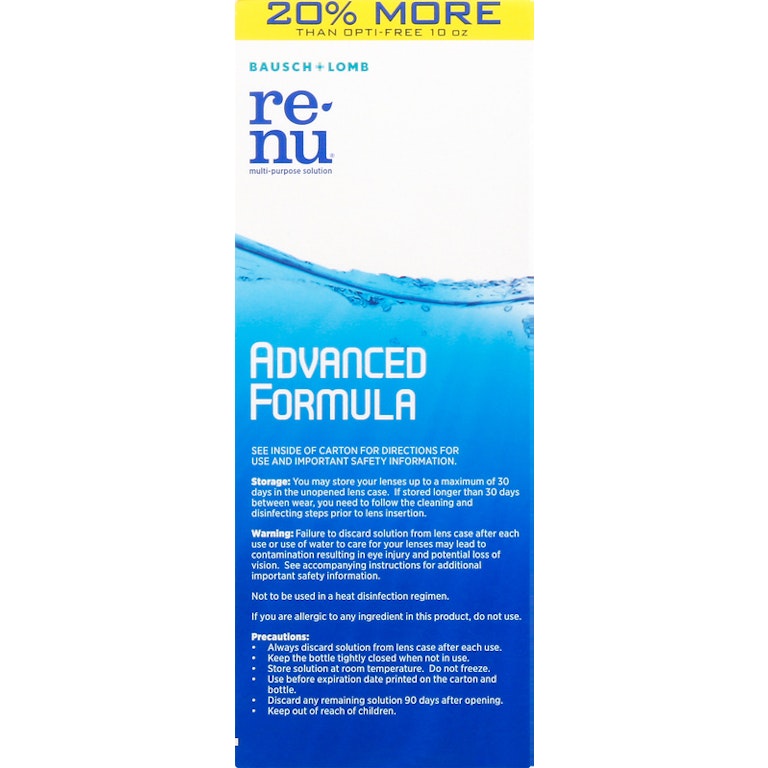
Have you ever wondered what happens if your contact solution freezes? It’s a simple question, but the answer could save you from eye discomfort or even damage.
You rely on your contact solution every day to keep your lenses clean and safe. But what if the bottle is left in the cold, or your solution accidentally freezes? Will it still work? You’ll discover the truth about frozen contact solution and learn how to handle it the right way.
Keep reading to protect your eyes and make the most of your lens care routine.
Can Contact Solution Freeze?
Can contact solution freeze? Many people wonder about this. Especially during cold months. Understanding this helps protect your lenses. Freezing can change the solution’s properties. This affects its effectiveness.
Freezing Point Of Contact Solution
Contact solution is mostly water. Water freezes at 32°F (0°C). But contact solution also contains salts and other ingredients. These lower the freezing point. Typically, contact solution freezes below 32°F. Exact freezing point varies by brand. Check the label for specifics.
Factors Influencing Freezing
Several factors affect freezing. First, the temperature outside. Extreme cold increases freezing risk. Second, the solution’s ingredients. More additives lower the freezing point. Third, storage conditions. Keep solutions indoors during winter. This prevents freezing. Also, consider your travel environment. Cold cars or outdoor bags increase risk. Always monitor where you store your solution. Keep it safe and effective.

Credit: www.wikihow.com
Effects Of Freezing On Solution Quality
Freezing contact solution can have surprising effects on its quality. Understanding these effects helps you decide whether to use a solution that has been exposed to cold temperatures. Let’s look closely at what happens when your contact solution freezes.
Chemical Stability Changes
Freezing can alter the chemical makeup of contact solution. The water inside may expand as it freezes, potentially causing the container to crack or change the solution’s concentration.
Some ingredients might separate or precipitate out, making the solution less uniform. This change can reduce its effectiveness and even make it unsafe for your eyes.
Have you ever noticed a cloudy or grainy texture after a solution has frozen? That’s a sign the chemical stability is compromised.
Impact On Disinfecting Properties
The main purpose of contact solution is to kill bacteria and keep lenses clean. When frozen, the disinfecting agents can lose their potency.
Without proper disinfecting power, you risk eye infections or irritation. Even if the solution looks normal after thawing, it may no longer protect your eyes.
Think about whether you want to take the chance of using a solution that might not work as well. Could freezing your solution be putting your eye health at risk?
Risks Of Using Frozen Contact Solution
Using frozen contact solution can bring unwanted risks. The freezing process changes the solution’s properties. This can affect both your eyes and your lenses. Understanding these risks helps protect your eye health and lens quality.
Potential Eye Irritation
Frozen contact solution may cause eye irritation. When thawed, the solution’s ingredients might separate or become uneven. This can lead to discomfort or redness in your eyes. The solution might also lose its ability to kill germs, increasing infection risk.
Using irritated lenses can cause itching and burning. It may also lead to more serious eye problems. Avoid using any solution that has been frozen to keep your eyes safe.
Effectiveness In Cleaning Lenses
Freezing can damage the cleaning power of contact solution. The chemicals that remove dirt and germs may weaken. This means lenses won’t be properly cleaned or disinfected. Wearing lenses cleaned with frozen solution increases the chance of eye infections.
Frozen solution may also leave residues on lenses. These residues can cause blurry vision or discomfort. Always use fresh, properly stored solution for the best lens care.
Credit: www.jubliarx.com
Safe Storage Tips For Contact Solution
Proper storage of your contact solution is crucial to keep it effective and safe for your eyes. Storing it incorrectly can lead to contamination or reduced cleaning power. Let’s explore some key tips to help you maintain your contact solution in the best condition.
Ideal Temperature Range
Contact solution should be stored at a stable temperature, ideally between 59°F and 77°F (15°C to 25°C). Extreme cold can cause the solution to freeze, which may alter its chemical balance and reduce its effectiveness. On the other hand, storing it in a very warm place can promote bacterial growth.
Have you ever left your contact solution in the car on a chilly winter day? That sudden drop in temperature might have frozen it without you realizing. Keeping the bottle in a room-temperature environment, like a bathroom cabinet away from heat or cold drafts, is a simple way to protect it.
Avoiding Temperature Fluctuations
Repeated changes in temperature can degrade contact solution quality quickly. For example, moving the bottle from a cold outdoor environment to a warm indoor one can cause condensation inside, which may introduce impurities.
Try to store your contact solution in a consistent environment to avoid these swings. A good tip is to keep it in the same spot in your home where temperature stays steady throughout the day. This helps maintain the solution’s stability and safety for your lenses.
What To Do If Solution Freezes
Contact solution freezing can be frustrating. It may lose effectiveness or damage your lenses. Knowing what to do if your solution freezes can save your lenses and eyes. Act quickly to restore the solution or decide if you need a new bottle.
Thawing Methods
Allow the frozen solution to thaw at room temperature. Avoid using heat sources like microwaves or stoves. Heat can change the solution’s chemical balance. Place the bottle in a bowl of warm water to speed thawing. Shake gently once thawed to mix the ingredients well. Check for any changes in color or smell before use.
When To Replace Solution
Replace the solution if it shows signs of damage. Cloudiness or unusual odor means it is no longer safe. If the solution froze for a long time, replacement is best. Using compromised solution can cause eye irritation or infection. Always keep a spare bottle to avoid running out.
Myths About Contact Solution And Freezing
Many people worry about whether contact lens solution can freeze and what that means for its safety and effectiveness. There are several myths floating around that suggest freezing contact solution can ruin it or make it dangerous to use. Understanding the truth behind these claims helps you take better care of your lenses and avoid unnecessary concerns.
Does Contact Solution Actually Freeze?
Contact solution can freeze if exposed to very low temperatures, but this depends on the type of solution and its ingredients. Most saline-based solutions have a freezing point close to water, so they can freeze in a cold environment like an unheated car during winter. However, multipurpose solutions with preservatives may have slightly different freezing points.
Have you ever left your contact solution bottle outside on a cold night? You might have noticed it turning slushy or solid. This doesn’t automatically mean the solution is ruined.
Freezing Kills The Solution’s Effectiveness
One common myth is that freezing destroys the disinfecting power of the solution. While freezing can affect the texture and appearance, it doesn’t necessarily kill the active ingredients immediately. That said, repeated freezing and thawing could degrade preservatives over time.
Think about it like this: if you accidentally froze your solution once, it might still work fine. But if it happens regularly, the cleaning ability might weaken. You should check the solution’s label or ask your eye care professional for guidance.
Frozen Solution Is Unsafe To Use
Some people believe that using previously frozen contact solution can harm their eyes. In reality, if the solution is properly thawed and looks clear without particles, it is usually safe to use. However, any change in color, smell, or consistency is a red flag to discard it immediately.
Have you ever noticed cloudiness or crystals after thawing? That’s a sign to replace the bottle. Your eyes deserve the best care, so don’t risk irritation or infection.
Storing Contact Solution In Cold Conditions Is Harmful
Storing your solution in cold places like a refrigerator is often thought to be harmful. Actually, refrigeration can extend the shelf life of some solutions, but extreme cold should be avoided. Always follow the storage instructions on the packaging to keep your solution effective.
If you live in a cold climate, consider keeping your solution indoors and away from freezing temperatures. Simple changes in where you keep your bottle can protect your lenses and your eyes.

Credit: www.schott-pharma.com
Frequently Asked Questions
Does Contact Solution Freeze In Cold Temperatures?
Yes, contact solution can freeze if exposed to very low temperatures. Freezing may change its consistency and effectiveness. Always store it at room temperature to maintain its quality and safety for eye use.
What Happens If Contact Solution Freezes?
If contact solution freezes, its chemical balance may be disrupted. This can reduce its disinfecting power and may irritate your eyes. It’s best to avoid using frozen or thawed solutions to protect your eye health.
Can Frozen Contact Solution Harm My Lenses?
Using frozen or thawed contact solution can harm your lenses. It may cause residue buildup or damage the lens surface. Always use fresh, properly stored solution for cleaning and storing your lenses.
How Should I Store Contact Solution To Prevent Freezing?
Store contact solution in a cool, dry place away from extreme temperatures. Avoid leaving it in your car or outside during winter. Proper storage ensures the solution remains effective and safe for your eyes.
Conclusion
Contact solution can freeze if left in very cold places. Frozen solution may lose its effectiveness and harm your lenses. Always store your contact solution at room temperature. Avoid leaving it in the car or outside during winter. Keep your eyes safe by using fresh, unfrozen solution.
Simple care helps prevent problems with your contacts. Stay mindful of how you store your eye care products. Clear vision depends on proper use and storage. Small steps protect your eyes every day.