When lice invade your home, panic often sets in. These tiny, persistent pests can cause endless frustration, especially when they target your loved ones.
You’ve probably heard whispers about various home remedies, and one peculiar suggestion might have caught your attention: using Dawn dishwashing liquid to fight lice. It sounds intriguing, doesn’t it? Before you reach for the bottle under your sink, let’s unravel the mystery.
Could this common household product be the secret weapon you’ve been searching for? Stick with us as we explore the science behind this surprising solution and discover whether it’s the right choice for you and your family.

Credit: www.youtube.com
How Lice Infest Hair
Lice infest hair by attaching their eggs and moving close to the scalp. They need warmth and blood to survive. Lice spread quickly through direct head-to-head contact. Shared personal items like combs or hats can also transfer lice. Understanding how lice live and show signs helps in early detection and treatment.
Life Cycle Of Lice
Lice go through three main stages: egg, nymph, and adult. The eggs, called nits, stick firmly to hair strands near the scalp. They hatch in about 7 to 10 days. Nymphs look like small adults but cannot reproduce yet. They grow into adults in about 7 days. Adult lice live up to 30 days on the scalp. They lay many eggs during this time. Without blood, lice die within 1-2 days.
Common Signs Of Infestation
- Itching on the scalp, neck, and behind ears
- Tickling feeling of something moving in hair
- Visible lice or nits on hair strands
- Small red bumps or sores from scratching
- Difficulty sleeping due to itching

Credit: ottawavalleydogwhisperer.blogspot.com
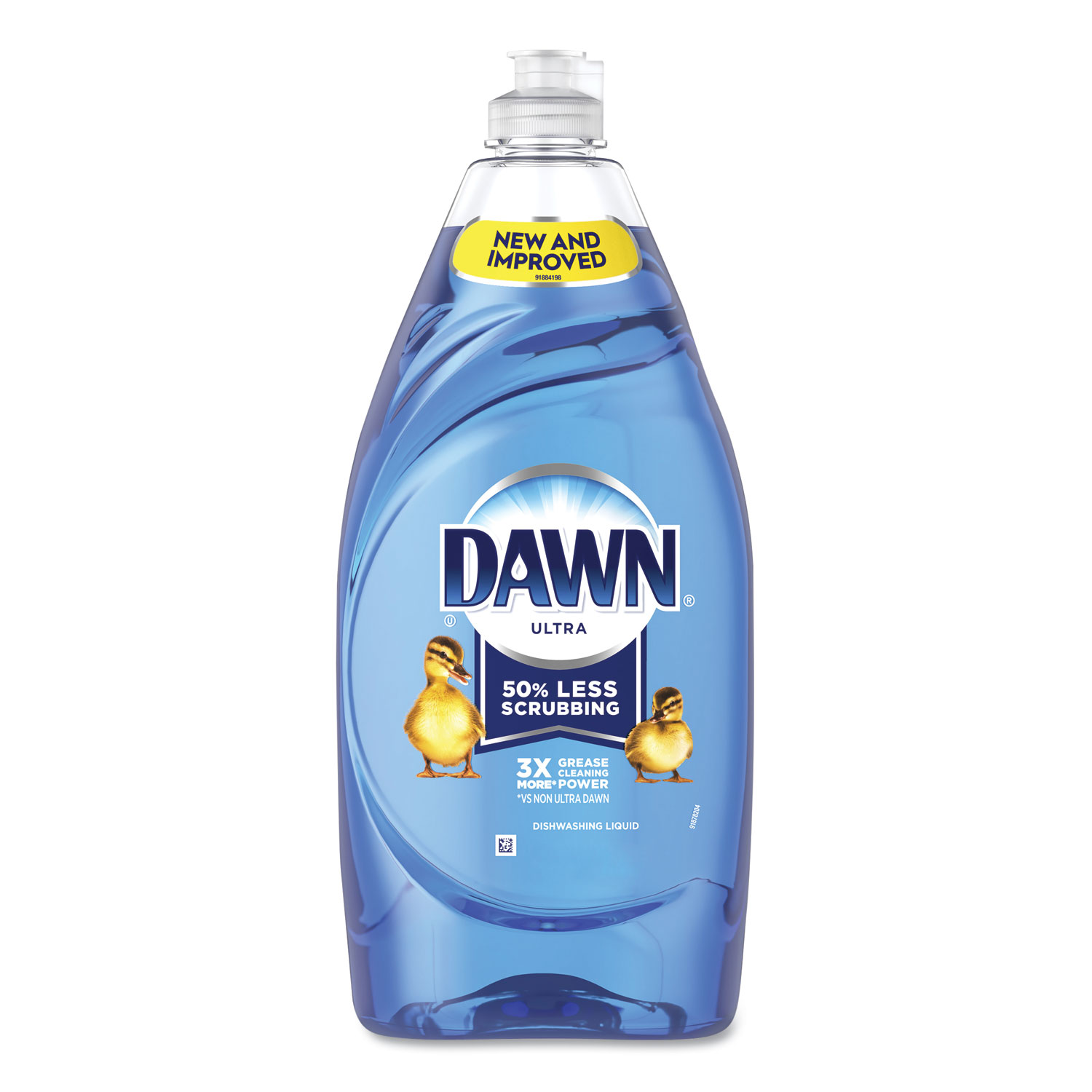
Ingredients In Dawn Dishwashing Liquid
Dawn Dishwashing Liquid is well-known for its powerful grease-cutting ability, but what exactly makes it so effective? Understanding the ingredients in Dawn can help you see why some people consider using it as a home remedy for lice. Let’s break down the main components that give it its unique cleaning power.
Key Cleaning Agents
Dawn contains surfactants, which are the main cleaning agents. These molecules have a dual nature: one end attracts water, and the other attracts oils and grease. This allows the surfactants to lift oily dirt away from surfaces and suspend it in water for easy rinsing.
Some common surfactants in Dawn include:
- Sodium lauryl sulfate (SLS)
- Sodium laureth sulfate (SLES)
- Cocamidopropyl betaine
Each of these helps break down stubborn grease and oils. The combination creates a strong cleaning effect without being overly harsh on your skin.
Effect On Oils And Grease
Lice and their eggs (nits) stick to hair largely because of natural oils. Dawn’s surfactants work by breaking down these oils, which can loosen the grip lice have on the hair shaft. This is why some people use Dawn in lice treatments— it helps wash away the oily layer lice depend on.
However, it’s important to note that Dawn is designed for dishes, not hair or scalp. The detergent’s strength can dry out your scalp or irritate sensitive skin. So, while it impacts oils and grease effectively, using it for lice removal requires caution and proper follow-up care.
Have you ever tried using household products for lice removal? Knowing the ingredients might help you decide if Dawn is a safe choice for you.
Dawn’s Impact On Lice
Dawn dishwashing liquid is often talked about as a home remedy for killing lice. Many people wonder if this common household soap can really get rid of these tiny pests effectively. Understanding how Dawn impacts lice can help you decide if it’s worth trying or if you should look for other solutions.
Scientific Evidence
There is limited scientific research specifically testing Dawn dish soap against lice. Soap works by breaking down oils and fats, which can suffocate lice by disrupting their protective outer layer. However, most studies recommend specialized lice treatments that contain insecticides designed to target lice and their eggs more effectively.
Soap like Dawn may help loosen lice and nits from hair shafts, making combing easier. But relying solely on dish soap might not fully eliminate an infestation. Are you prepared to combine it with thorough combing and repeated treatments?
User Experiences And Anecdotes
Many users share mixed results when using Dawn for lice removal. Some report that washing hair with Dawn helped reduce lice numbers quickly, especially when paired with fine-toothed combing. Others found it irritating to the scalp or ineffective without additional treatment.
One parent described how Dawn helped break down the stickiness of nits, making them easier to remove after shampooing. Yet, they also emphasized the importance of patience and persistence, as a single wash didn’t clear the lice completely.
What does your experience say? Have you tried Dawn or other household soaps for lice? Sharing your story might help others facing the same challenge.
Safe Lice Treatment Alternatives
Finding safe lice treatment alternatives is essential, especially if you want to avoid harsh chemicals or unproven home remedies like Dawn dishwashing liquid. While some people turn to unconventional methods, it’s important to choose options that are both effective and gentle on your scalp. Let’s look at some trusted choices that can help you tackle lice without unnecessary risks.
Over-the-counter Products
Over-the-counter lice treatments are widely available and designed specifically to eliminate lice and their eggs. These products often contain ingredients like permethrin or pyrethrin, which are proven to work against lice.
Many users find these treatments straightforward to apply and safe when used as directed. You might wonder if these products cause irritation—while some people experience mild scalp redness, following the instructions carefully usually prevents this. It’s a good idea to check if your family members can use the same product or if some formulas are better suited for children.
Natural Remedies
Natural remedies appeal to those who prefer chemical-free options, but their effectiveness varies. Some popular choices include applying coconut oil, tea tree oil, or even mayonnaise to suffocate lice.
From personal experience, applying coconut oil requires patience and repeated treatments to see results. Have you tried natural methods before? Keep in mind that while some natural remedies might help, they rarely work as quickly or thoroughly as medical treatments. You should also consider possible allergies when using essential oils or other natural ingredients.
Risks Of Using Dish Soap On Hair
Using dishwashing liquid like Dawn on your hair might seem like a quick fix to get rid of lice, but it comes with real risks. Dish soaps are formulated for cleaning grease and food residues off dishes, not for the delicate skin on your scalp or the strands of your hair. Before reaching for that bottle, consider what might happen to your scalp and hair.
Potential Scalp Irritation
Dish soaps contain strong detergents that strip oils aggressively. This can leave your scalp feeling dry, itchy, or even cause redness and inflammation.
If you’ve ever used dish soap on your hands, you know how drying it can be. Now imagine that on your scalp, where the skin is more sensitive.
Could this irritation make your scalp more vulnerable to infections or worsen existing conditions? It’s worth thinking about before applying harsh chemicals.
Hair Damage Concerns
Dishwashing liquid can strip away natural oils that protect your hair, leading to brittleness and breakage.
Many people report their hair feeling rough, tangled, and difficult to manage after using dish soap.
Is saving a few minutes worth risking long-term hair damage? There are safer alternatives designed specifically for hair care that won’t compromise your hair’s health.
Credit: www.reliablepaper.com
Proper Lice Removal Techniques
Proper lice removal techniques are essential to fully get rid of lice and their eggs. Simple washing with soap or shampoo often does not remove all lice or nits. Using effective methods and tools helps prevent lice from spreading to others. Consistent care and attention are important to ensure success.
Wet Combing Method
Wet combing is a safe way to remove lice without chemicals. Start by soaking hair in warm water. Apply conditioner to make combing easier and to slow down lice movement. Use a fine-toothed lice comb to comb through small sections of hair. Wipe the comb on a white paper towel after each pass. Repeat every 3–4 days for at least two weeks to catch newly hatched lice.
When To Seek Professional Help
Some lice infestations can be hard to remove alone. Professional help is needed if lice keep returning despite treatment. Experts use special combs and treatments not available at home. They can also check for scalp irritation or infection. Seek help if you notice severe itching, sores, or swelling on the scalp. Prompt action can stop lice from spreading further.
Frequently Asked Questions
Does Dawn Dishwashing Liquid Kill Lice Effectively?
Dawn dishwashing liquid is not designed to kill lice. It may help remove lice temporarily by loosening their grip, but it does not kill them or their eggs. For effective treatment, use FDA-approved lice shampoos or consult a healthcare professional.
How Does Dawn Dish Soap Affect Lice Treatment?
Dawn dish soap may help remove lice by breaking down oils on hair. However, it does not kill lice or nits. Relying solely on dish soap can lead to ineffective treatment and lice persistence.
Can Dawn Dishwashing Liquid Remove Lice Eggs?
Dawn dishwashing liquid does not kill or remove lice eggs (nits). Nits are strongly attached to hair strands and require specific treatments to be removed effectively.
Is Dawn Soap A Safe Alternative For Lice Removal?
Dawn soap is generally safe for hair but not effective against lice. It lacks the active ingredients needed to kill lice or nits, so it should not replace proven lice treatments.
Conclusion
Dawn dishwashing liquid may help remove lice, but it is not a sure cure. Many experts suggest using products made specifically for lice removal. Soap can wash away some lice but might not kill all eggs. Safe and tested treatments work better and are safer for your scalp.
Always check with a doctor before trying home remedies. Treating lice needs care and patience. Keep your hair clean and check often to prevent lice from spreading.