Are you wondering where to put fabric softener—should it go in the washer or the dryer? If you’ve ever been confused about this simple step, you’re not alone.
Using fabric softener the right way can make your clothes feel softer, smell fresher, and last longer. But if it’s added incorrectly, it might leave stains or reduce your laundry’s effectiveness. Keep reading, and you’ll learn exactly where and how to use fabric softener for the best results every time.
Your laundry routine is about to get easier and better!
Credit: www.consumerreports.org
Where To Add Fabric Softener
Fabric softener helps make clothes feel soft and smell fresh. Knowing where to add it is important for the best results.
This guide explains where to put fabric softener in your washer or dryer. Follow these tips to avoid stains and get soft clothes.
Fabric Softener In The Washer
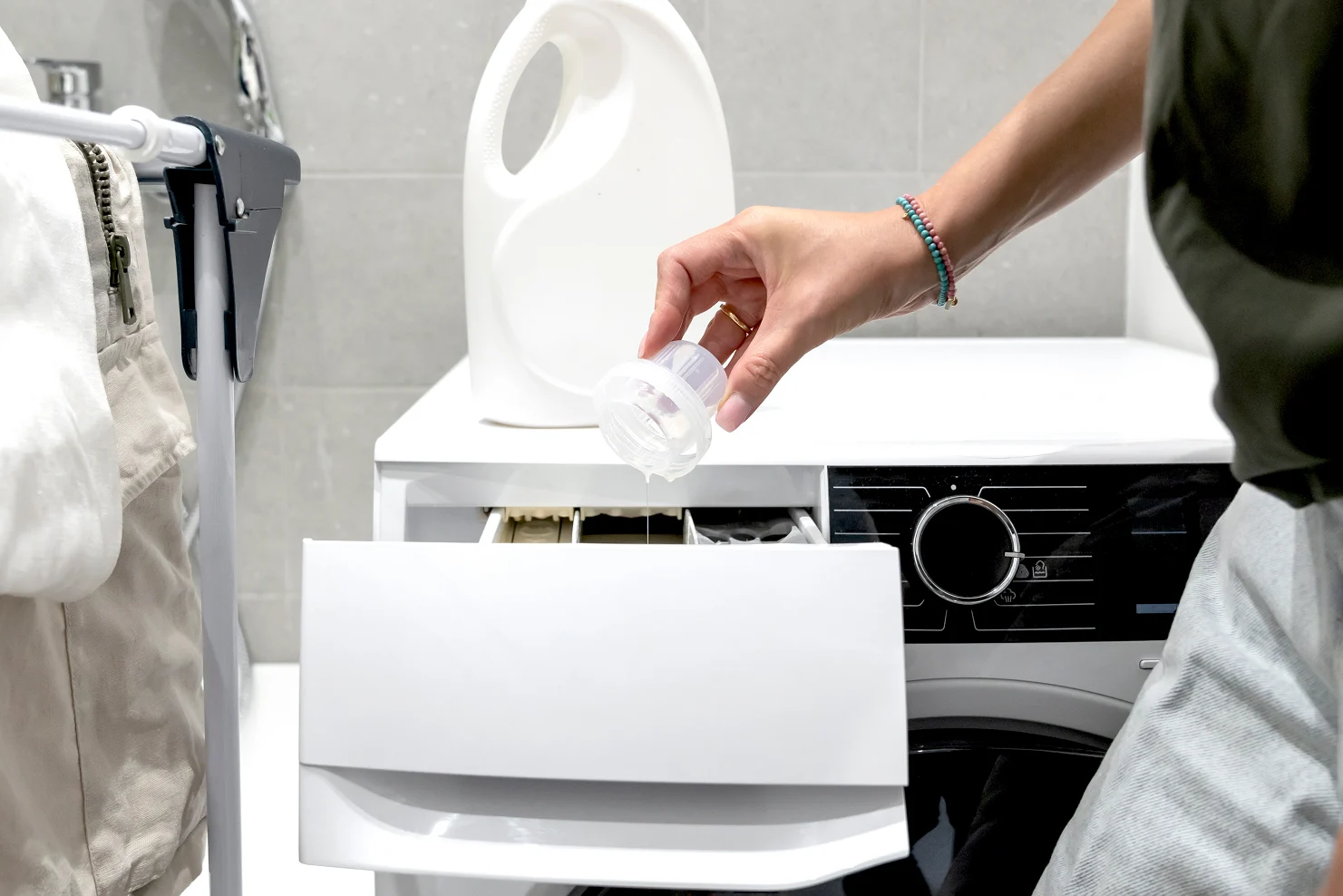
Add fabric softener to the washer’s special compartment. This compartment is usually marked with a flower or a star symbol.
- Open the detergent drawer on your washer.
- Find the fabric softener section, often smaller and separate.
- Pour the softener into this compartment, not directly on clothes.
- Do not exceed the max fill line to avoid spills.
- The washer releases the softener during the rinse cycle.
Fabric Softener In The Dryer
Fabric softener is not added directly to the dryer drum. Instead, use dryer sheets or balls to soften clothes.
| Method | Description |
| Dryer Sheets | Place one sheet on top of wet clothes before drying. |
| Dryer Balls | Use balls designed to soften clothes naturally without chemicals. |
| Liquid Softener Dispensers | Some dryers have built-in softener trays for liquids. |
How Fabric Softeners Work
Fabric softeners make clothes feel softer and smell fresh. They coat fibers with a thin layer of chemicals.
This coating reduces static cling and makes clothes easier to iron. It also helps fabrics last longer by protecting fibers.
Effect On Fabric
Fabric softeners work by smoothing fabric fibers. They add a thin layer of lubricants to reduce stiffness and static.
- Softens rough fibers for comfort
- Reduces static electricity in synthetic fabrics
- Helps prevent wrinkles and makes ironing easier
- Protects fabric from wear and tear
- May reduce absorbency in towels
Types Of Fabric Softeners
There are several types of fabric softeners available. Each works in a slightly different way.
| Type | How It Works | Best For |
| Liquid Softener | Added during wash cycle to coat fibers | Everyday laundry |
| Dryer Sheets | Added in the dryer to reduce static and soften | Quick use, synthetic fabrics |
| Fabric Softener Balls | Release softener gradually in the wash | Controlled softening, easy use |
| Natural Softeners | Uses ingredients like vinegar or baking soda | Eco-friendly and sensitive skin |
Using Fabric Softener In The Washer
Fabric softener helps make clothes feel softer and smell fresh. It is usually added during the wash cycle.
Adding fabric softener correctly in the washer keeps your clothes soft and static-free.
Proper Dispenser Use
Most washers have a special dispenser for fabric softener. Use this dispenser to add the right amount.
Do not pour fabric softener directly on clothes. This can cause stains or damage fabrics.
- Check your washer’s manual to find the softener dispenser.
- Pour fabric softener into the dispenser up to the fill line.
- Do not overfill to avoid leaks or stains.
- Clean the dispenser regularly to prevent buildup.
Timing For Adding Softener
Add fabric softener during the rinse cycle. This timing helps the softener coat clothes well.
Most washing machines release fabric softener automatically at the right time. If your machine does not have this feature, add softener manually.
- If adding manually, wait until the rinse cycle starts.
- Pour the softener slowly into the water, not directly on clothes.
- Do not add softener during the wash cycle. It will wash away early.
Using Fabric Softener In The Dryer
Fabric softener helps make clothes soft and reduce static cling. It can be added in different ways during laundry.
One common way to use fabric softener is in the dryer. This method usually involves dryer sheets.
Dryer Sheets Vs. Liquid Softener
Dryer sheets go directly into the dryer with wet clothes. They release softening agents as the dryer heats up.
Liquid fabric softener is added during the washing cycle, not the dryer. It coats clothes before drying.
- Dryer sheets are easy to use and quick.
- Liquid softener mixes with water in the washer.
- Dryer sheets reduce static and add scent in the dryer.
- Liquid softener helps soften clothes during washing.
Benefits And Drawbacks
Dryer sheets are convenient and work well for static control. They add a fresh smell to clothes.
Some dryer sheets can leave a residue on dryer parts. This may reduce dryer efficiency over time.
Liquid softener gives better softness but must be used in the washer. It does not control static as well in the dryer.
- Dryer sheets are easy to add and remove.
- Dryer sheets reduce static during drying.
- Dryer sheets can clog dryer vents if overused.
- Liquid softener softens fabric more deeply.
- Liquid softener may irritate sensitive skin.
- Liquid softener requires proper measuring each wash.
Common Mistakes To Avoid
Fabric softener is a popular laundry aid. It helps make clothes soft and pleasant-smelling. But, using it incorrectly can cause issues. Learn where to put it and what to avoid.
Many people are unsure if fabric softener goes in the washer or the dryer. This confusion can lead to common mistakes. Let’s explore them together.
Overuse Of Fabric Softener
Using too much fabric softener can harm your clothes. It can create a buildup that makes fabric less absorbent. This is especially bad for towels and activewear.
Always follow the instructions on the bottle. Use the recommended amount. More is not always better.
- Check the measuring cap for the right amount
- Do not pour directly onto clothes
- Use fabric softener only in the rinse cycle
Damage To Clothes And Machines
Fabric softener can damage both clothes and washing machines. It can leave residue that clogs the machine. This might lead to costly repairs.
Some fabrics, like sportswear, do not react well with fabric softener. Always check clothing labels before use.
- Read labels on clothes for fabric care advice
- Clean your washing machine regularly
- Avoid using softener with microfiber fabrics
Credit: www.searshomeservices.com
Alternatives To Fabric Softener
Fabric softeners can leave residue on clothes and affect some fabrics. Many people look for natural and homemade options to soften laundry. These alternatives are gentle and eco-friendly.
Below are simple ways to keep clothes soft without using commercial fabric softeners. You can try these ideas at home with common ingredients.
Natural Softening Methods
Natural methods help soften clothes while avoiding chemicals. They often use everyday items found in most homes.
- Use white vinegar in the rinse cycle. It removes soap residue and softens fabric.
- Add baking soda to the wash. It helps balance pH and softens fibers.
- Dry clothes outside in the sun for a fresh smell and natural softness.
- Use wool dryer balls to reduce static and soften clothes in the dryer.
Homemade Solutions
Making your own fabric softener saves money and avoids harsh chemicals. You can customize scents and ingredients easily.
| Ingredient | Amount | Purpose |
| White vinegar | 1 cup | Softens clothes and removes residue |
| Baking soda | 1/2 cup | Balances pH and softens fabric |
| Coconut oil | 2 tablespoons | Adds softness and mild scent |
| Essential oils | 10 drops | Provides natural fragrance |
Mix these ingredients with water in a spray bottle or add to the rinse cycle. Shake well before use.
Credit: www.lisabronner.com
Frequently Asked Questions
Where Should I Put Fabric Softener In The Washer?
Fabric softener goes into the washer’s designated dispenser compartment. Adding it here ensures even distribution during the rinse cycle. Avoid pouring fabric softener directly onto clothes to prevent stains or damage.
Can Fabric Softener Be Added To The Dryer?
No, fabric softener should not be added to the dryer. It is designed for use in the washing machine only. For dryer use, opt for dryer sheets or dryer balls instead.
What Happens If Fabric Softener Is Put In The Wrong Washer Compartment?
Putting fabric softener in the wrong compartment can cause poor rinsing and residue buildup. It may stain clothes or damage the washer. Always use the softener dispenser to avoid these issues.
Is It Safe To Use Fabric Softener With All Fabrics?
Fabric softener is safe for most fabrics but avoid using it on towels and activewear. It can reduce absorbency and breathability. Always check garment care labels before using fabric softener.
Conclusion
Fabric softener belongs in the washer, not the dryer. Adding it to the washer helps clothes feel soft and smell fresh. Pour it into the right compartment during the rinse cycle. Putting fabric softener in the dryer can damage your clothes and machine.
Always follow the instructions on the fabric softener bottle for best results. This small step keeps your laundry soft and smelling nice every time. Simple habits like this make a big difference in your laundry routine.