Are you confused about where to put fabric softener—your washer or dryer? You’re not alone.
Many people wonder if adding fabric softener to the wrong place can ruin their clothes or reduce its effectiveness. Getting it right can make your laundry softer, fresher, and longer-lasting. Keep reading, and you’ll learn exactly where fabric softener belongs and how to use it perfectly every time.
Your clothes will thank you!
Credit: www.lisabronner.com
Where To Add Fabric Softener
Fabric softener helps keep clothes soft and smelling fresh. Knowing where to add it can improve washing results.
There are several ways to add fabric softener during laundry. Each method depends on your washer or dryer type.
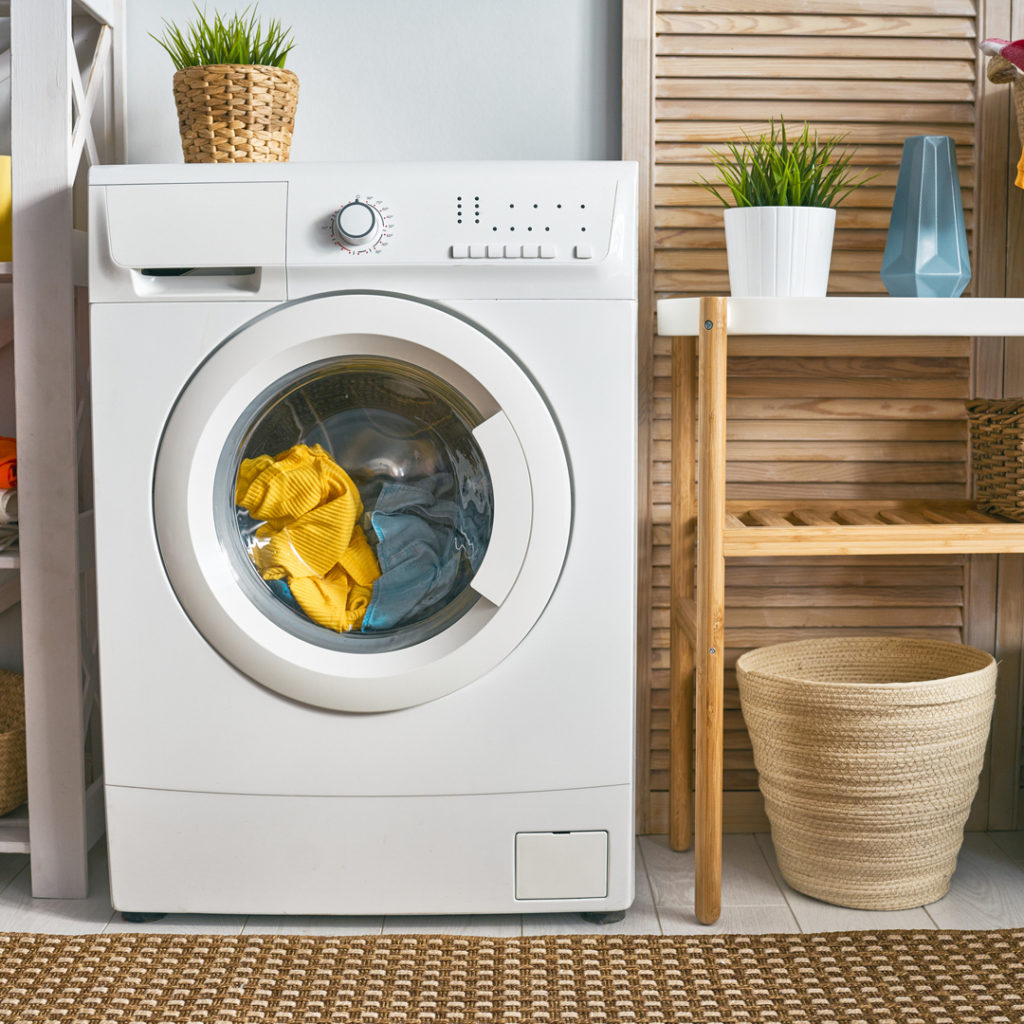
Using The Washer Dispenser
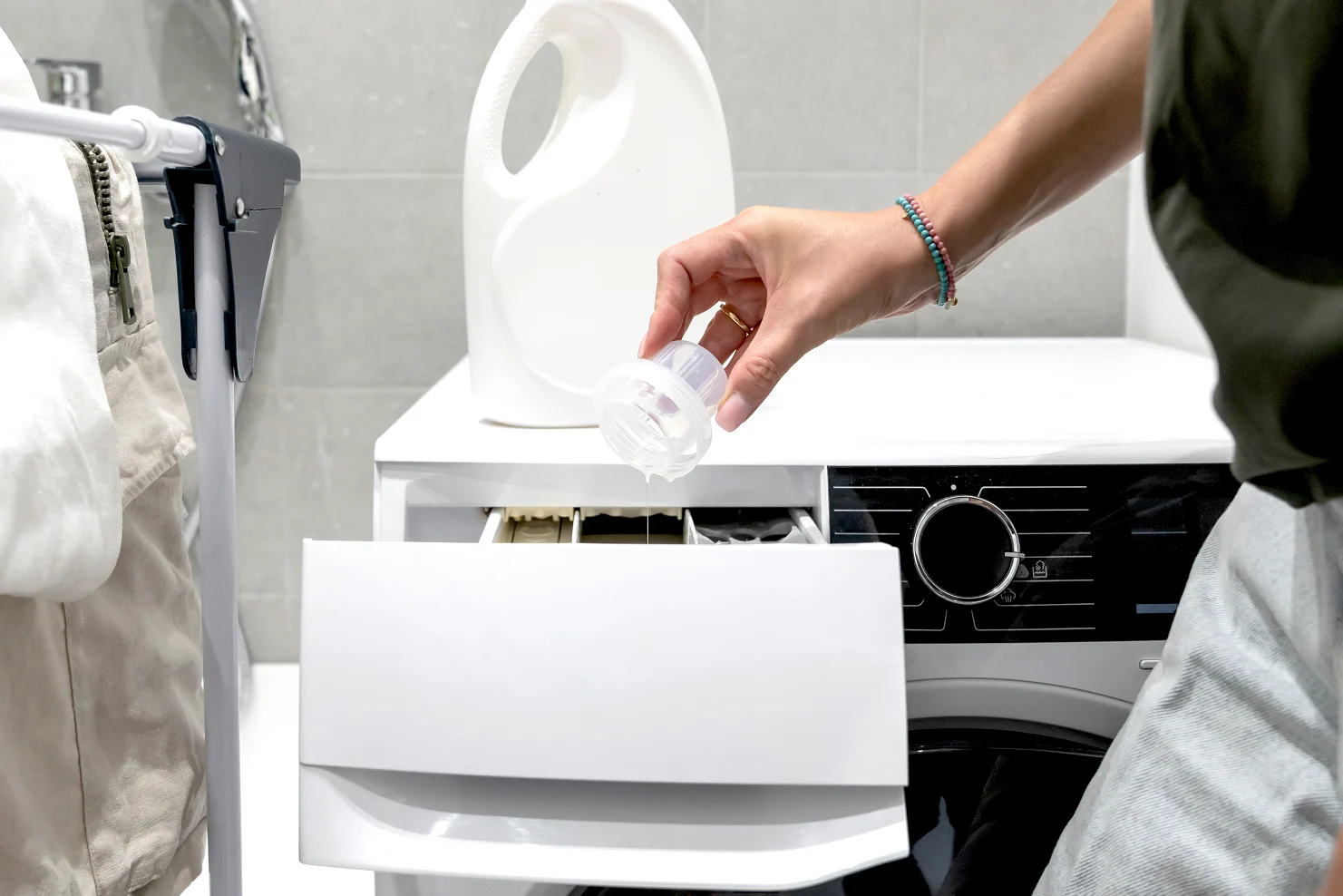
Most washers have a special dispenser for fabric softener. This keeps it separate from detergent and adds it at the right time.
- Open the fabric softener compartment in the detergent drawer.
- Pour the recommended amount of softener into the compartment.
- Close the drawer and start the washing cycle.
- The washer releases the softener during the rinse cycle.
Adding Directly To The Drum
Some people add fabric softener directly to the drum with clothes. This method is less common but possible.
| Advantage | Disadvantage |
| Simple to do | Can cause stains if not diluted |
| No need for dispenser | May not spread evenly |
| Works for top loaders | May affect washing performance |
Fabric Softener In The Dryer
Fabric softener sheets are designed for the dryer. They add softness and reduce static during drying.
- Place one fabric softener sheet on top of wet clothes in the dryer.
- Run the dryer on the usual cycle.
- The sheet releases softening agents as clothes tumble.
- Dispose of the sheet after drying is done.
How Fabric Softeners Work
Fabric softeners make clothes feel softer and smell fresh. They help reduce static and wrinkles.
These products work by coating fabric fibers with special chemicals. This coating changes how the fabric feels and behaves.
Chemical Composition
Fabric softeners contain cationic surfactants. These chemicals have a positive charge that sticks to fabric fibers.
The softeners also have fragrances and oils. These add scent and extra smoothness to clothes.
- Cationic surfactants for softness
- Fragrances for fresh smell
- Oils to reduce friction
Effect On Clothes
The softener chemicals coat the fabric fibers. This coating makes clothes feel smooth and less rough.
Softener reduces static electricity. It helps stop clothes from sticking together after drying.
- Softens fabric texture
- Reduces static cling
- Makes ironing easier
Impact On Washing Machines
Fabric softeners can build up in washing machines over time. This buildup may cause odors or block parts.
Using the softener in the correct dispenser helps prevent damage. It also keeps the washer clean.
- May cause residue buildup
- Can clog softener dispensers
- Proper use protects the machine
Step-by-step Guide For Washer Use
Using fabric softener correctly in your washing machine helps keep clothes soft and fresh. It is important to add the softener in the right place and at the right time.
This guide explains how to find the softener compartment, measure the proper amount, and add it during the wash cycle.
Locating The Softener Compartment
Most washers have a special compartment for fabric softener. It is usually inside the detergent drawer. Look for a small section marked with a flower or a label that says “softener.”
- Open the detergent drawer on your washer.
- Find the compartment marked for fabric softener.
- Do not confuse it with the detergent or bleach compartments.
Measuring The Right Amount
Using the right amount of softener is key to avoiding stains or residue on clothes. Check the fabric softener bottle for directions.
| Load Size | Softener Amount |
| Small Load | 2 tablespoons (30 ml) |
| Medium Load | 3 tablespoons (45 ml) |
| Large Load | 4 tablespoons (60 ml) |
Timing The Addition
Most modern washers add fabric softener automatically during the rinse cycle. Make sure to pour the softener into the compartment before starting the wash.
If your washer does not have an automatic dispenser, add the softener manually at the start of the rinse cycle. To do this:
- Wait until the wash cycle finishes.
- Pause the machine before the rinse cycle begins.
- Pour the softener directly into the water.
- Restart the washer to continue rinsing.
Using Fabric Softener In The Dryer
Fabric softeners make clothes feel soft and smell nice. Many people wonder if they should use them in the washer or the dryer.
Understanding how to use fabric softeners correctly can help you get the best results. Let’s explore using them in the dryer.
Dryer Sheets Vs. Liquid Softener
Dryer sheets and liquid softeners both help soften clothes. Each one has a different way of working.
- Dryer sheets go into the dryer and reduce static cling.
- Liquid softeners are added to the washer during the rinse cycle.
- Dryer sheets are convenient and easy to use.
- Liquid softeners offer a stronger scent and more softness.
Benefits And Drawbacks
Using dryer sheets offers several benefits, but there are also some drawbacks to consider.
| Benefits | Drawbacks |
| Reduces static cling | May leave residue on the dryer |
| Adds a pleasant scent | Can reduce towel absorbency |
| Easy to use | Not as strong as liquid softeners |
Proper Usage Tips
To get the best results when using dryer sheets, follow these simple tips.
- Place the dryer sheet on top of the wet clothes before starting the dryer.
- Do not overload the dryer to allow even distribution.
- Store unused sheets in a dry place to maintain their effectiveness.
Common Mistakes To Avoid
Using fabric softener can make clothes feel soft and smell nice. But many people make mistakes when adding it to the washer or dryer. These errors can harm your clothes or washing machine.
Knowing where and how to use fabric softener helps keep your laundry fresh and lasting longer. Avoid these common mistakes for better results.
Overuse And Residue Build-up
Using too much fabric softener causes a sticky layer on clothes. This can make fabrics feel greasy and attract dirt. It also clogs your washing machine parts over time.
Residue build-up can reduce fabric breathability and absorbency. Your clothes might lose their softness and fresh smell if you overuse fabric softener.
- Use only the recommended amount on the bottle
- Do not pour fabric softener directly on clothes
- Clean your washer’s softener dispenser regularly
Mixing With Detergents
Many people add fabric softener and detergent at the same time. This causes the two to mix and reduce their effectiveness. Detergent works best when it can rinse away dirt before softener adds softness.
Adding softener too early can stop it from spreading evenly. It may also cause stains or spots on clothes.
- Put detergent in the main wash compartment
- Add fabric softener to the softener dispenser only
- Use machines with separate softener compartments if possible
Using On Sensitive Fabrics
Fabric softener can harm some delicate fabrics. Materials like microfiber, athletic wear, and towels lose their absorbency or texture. Softener coats these fibers and stops them from working properly.
Always check clothing labels before using fabric softener. Some fabrics need special care and should avoid softeners.
- Avoid fabric softener on microfiber and moisture-wicking clothes
- Do not use on towels if you want them to stay absorbent
- Use alternatives like vinegar for sensitive fabrics
Credit: www.searshomeservices.com
Alternatives To Fabric Softeners
Fabric softeners can be harmful to the environment and sensitive skin. Luckily, there are natural alternatives that can be used in your laundry routine.
These alternatives are easy to use and often found in your kitchen. They can make your clothes soft and fresh without the chemicals.
Natural Softeners
Natural softeners are a great way to keep your clothes soft and static-free. They are eco-friendly and safe for all fabrics.
- Baking soda can be added during the wash cycle.
- Epsom salts can be mixed with essential oils for fragrance.
- Wool dryer balls help reduce static and soften fabrics.
Vinegar As A Softener
White vinegar is a versatile and effective fabric softener. It can be added to the rinse cycle for best results.
| Amount | Usage |
| 1/2 cup | For small to medium loads |
| 1 cup | For large loads |
Diy Solutions
Creating your own fabric softener at home is simple and cost-effective. You can customize the scent and ingredients to suit your needs.
Environmental And Health Considerations
Fabric softeners can affect the environment and your health. It is important to know where to put them in the laundry process. Understanding the impact helps you make safer choices.
Many people wonder if fabric softener belongs in the washer or dryer. This guide focuses on the chemicals and safer alternatives available.
Chemical Impact
Most fabric softeners contain chemicals that can harm the environment. These chemicals may pollute water and soil. They can also cause allergic reactions or skin irritation in some people.
- Phthalates and formaldehyde are common in softeners
- These chemicals do not break down easily
- They can build up in water systems and affect wildlife
- Some chemicals may irritate sensitive skin
Hypoallergenic Options
Hypoallergenic fabric softeners reduce the risk of skin problems. They avoid dyes and fragrances that cause allergies. These options suit people with sensitive skin or allergies.
- Free from synthetic dyes
- No added fragrances or perfumes
- Tested for skin safety
- Made with gentle, natural ingredients
Eco-friendly Brands
Eco-friendly fabric softeners use safe ingredients. They come in recyclable packaging. These brands work to reduce pollution and waste.
| Brand | Key Features | Packaging |
| GreenSoft | Plant-based, biodegradable | Recyclable bottle |
| PureTouch | Fragrance-free, hypoallergenic | Refill pouch |
| EcoFresh | Non-toxic, phosphate-free | Biodegradable container |
Credit: www.consumerreports.org
Frequently Asked Questions
Does Fabric Softener Go In The Washer Or Dryer?
Fabric softener should be added to the washer’s designated dispenser, not the dryer. It mixes with water during the rinse cycle, softening clothes effectively.
Can I Put Fabric Softener Directly In The Dryer?
No, fabric softener is not designed for direct use in the dryer. It must be added to the washer to avoid stains and damage to fabrics.
Where Exactly Do You Pour Fabric Softener In The Washer?
Pour fabric softener into the washer’s fabric softener dispenser compartment. This ensures it releases during the rinse cycle for optimal softness and fragrance.
What Happens If Fabric Softener Goes In The Wrong Washer Compartment?
If poured incorrectly, fabric softener may not distribute properly. It can cause staining, residue build-up, or reduce softening effectiveness on clothes.
Conclusion
Fabric softener belongs in the washer, not the dryer. Adding it during the wash cycle helps clothes stay soft and fresh. Pour it into the machine’s softener compartment to avoid damage. Using fabric softener in the dryer can cause stains or reduce dryer effectiveness.
Always follow the care label instructions on your clothes. Simple steps keep laundry smelling great and feeling comfortable. Now you know the right way to use fabric softener for the best results.