
Have you ever wondered what happens to your fish oil supplements if you store them in the freezer? Does fish oil freeze, and if so, what does it mean for its quality and effectiveness?
These are questions many people like you ponder, especially when considering the best ways to store supplements to maximize their benefits. You’re not alone in wanting to ensure that what you’re putting into your body is still as potent and beneficial as the day you bought it.
We’ll dive into the fascinating science of fish oil, unraveling the mysteries of its storage needs, and answer the pressing question: should you freeze your fish oil or not? Stay with us to discover the truth and ensure you’re getting the most out of your supplements.
How Fish Oil Reacts To Cold
Understanding how fish oil reacts to cold is important for maintaining its quality and effectiveness. Fish oil, rich in omega-3 fatty acids, can behave differently depending on temperature changes. Knowing these reactions helps you store it properly and avoid any unwanted changes in texture or potency.
Freezing Point Of Fish Oil
Fish oil doesn’t freeze at the same temperature as water. Its freezing point is usually much lower, often around -20°C (-4°F) or even lower depending on the type of fish oil. This means that in regular home freezers, fish oil might become thicker but not completely solid.
Have you ever noticed your fish oil bottle getting cloudy or thick in the fridge? That’s because the oil is approaching its freezing point, causing it to change texture. This change doesn’t harm the oil but can make it harder to use until it warms up again.
Factors Affecting Freezing
Several factors influence when and how fish oil freezes:
- Purity:Pure fish oil freezes at lower temperatures than blends or lower-quality oils.
- Additives:Some fish oil supplements contain stabilizers or flavorings that can raise the freezing point.
- Storage Temperature:Regular refrigerator temperatures may cause partial thickening, while deep freezing leads to solidification.
Think about your current storage habits. Are you keeping your fish oil somewhere too cold? This might be why your oil feels different over time.
Difference Between Liquid And Capsules
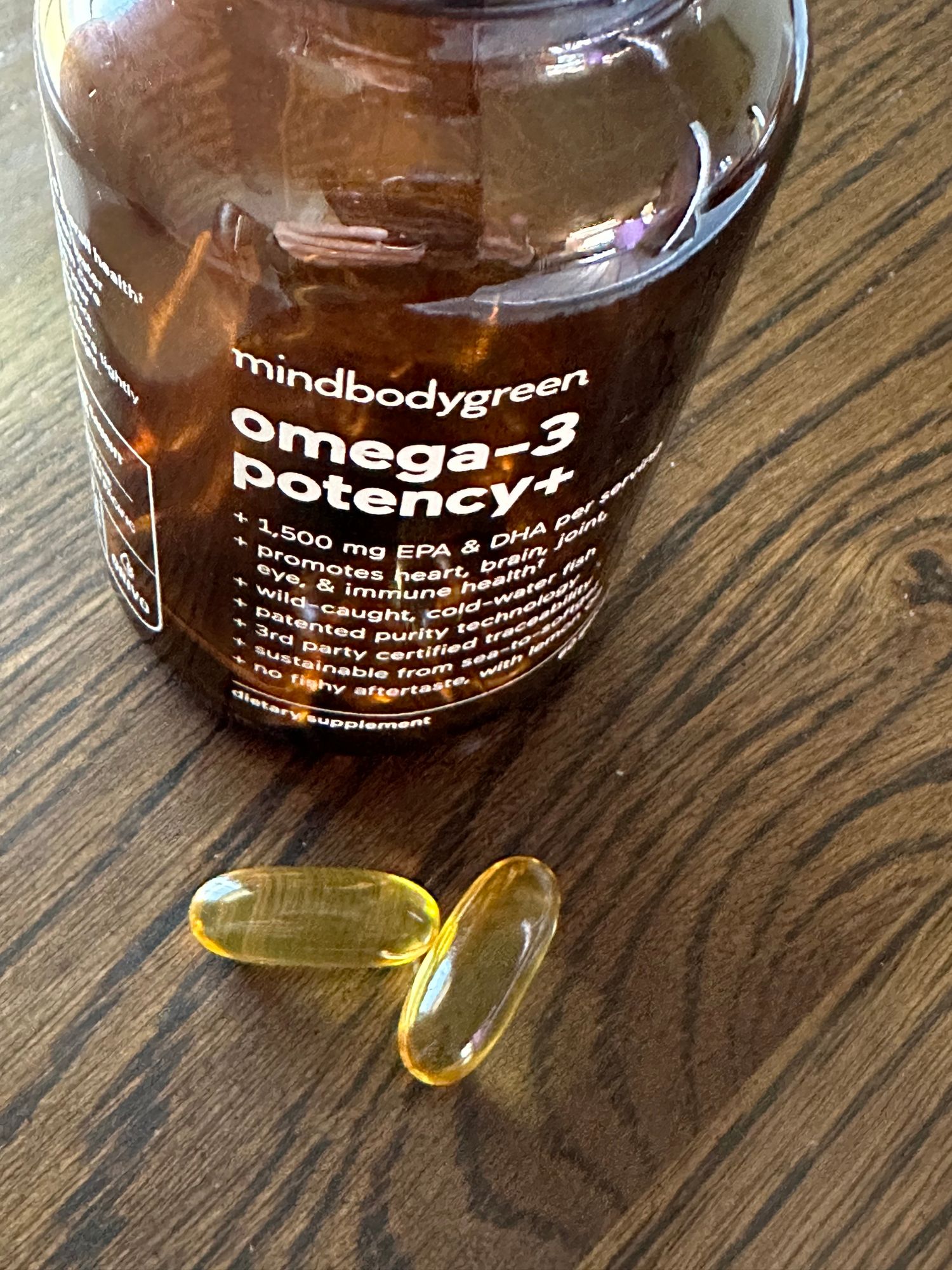
Liquid fish oil and capsules react differently to cold. Liquid fish oil thickens or may partially freeze, which can be inconvenient but isn’t damaging. Capsules, on the other hand, are protected by their gelatin shell, which can become brittle in cold temperatures.
If you’ve ever noticed your fish oil capsules cracking or feeling hard after refrigeration, this is why. The cold affects the shell more than the oil inside. So, if you prefer capsules, storing them at room temperature might be better to avoid breakage.
Credit: shop.mindbodygreen.com
Effects Of Freezing On Quality
Freezing fish oil might seem like a good way to preserve it, but what actually happens to its quality during this process? Understanding the effects of freezing can help you decide the best way to store your supplements or fish oil products. Let’s break down what freezing does to the nutritional value, texture, appearance, and shelf life of fish oil.
Nutritional Impact
Freezing fish oil generally does not destroy its essential omega-3 fatty acids. These nutrients are quite stable at low temperatures, so freezing can help maintain their potency over time. However, repeated thawing and refreezing can cause oxidation, which reduces the oil’s effectiveness and may produce off-flavors.
If you want to keep your fish oil nutritious, avoid temperature fluctuations. Keeping it consistently frozen or refrigerated is much better than letting it thaw and refreeze multiple times.
Texture And Appearance Changes
When fish oil freezes, it often turns cloudy or thickens, which can look unappealing. This happens because the fatty acids crystallize at low temperatures. Although the texture and appearance change, these are mostly cosmetic issues and do not mean the oil has gone bad.
Have you ever noticed your fish oil capsules feeling harder or different after being in the freezer? That’s the oil inside changing state. Once thawed to room temperature, it usually returns to its original clarity and texture.
Shelf Life Considerations
Freezing can extend the shelf life of fish oil by slowing down the oxidation process that causes spoilage. Still, it’s important to store the oil in an airtight container to prevent exposure to air and moisture. Even frozen fish oil doesn’t last forever; aim to use it within six months to a year for the best quality.
Think about how you store your fish oil right now. Could freezing be a simple way to keep it fresh longer? Just remember, proper packaging and minimizing thaw cycles are key to preserving both quality and shelf life.
Proper Storage Tips
Proper storage of fish oil is essential to keep its quality and benefits intact. Fish oil can lose its freshness if not stored correctly. It is sensitive to temperature and light. Knowing the right way to store it helps maintain its potency and taste.
Ideal Temperature Range
Fish oil should be kept in a cool place. The best temperature is between 4°C and 20°C (39°F to 68°F). This range helps slow down oxidation. Keeping it too warm speeds up spoilage. Avoid places that get hot or sunny.
Avoiding Freezing
Freezing fish oil is not recommended. Freezing can change its texture and cause clumping. It may also affect the oil’s effectiveness. Store fish oil in a cool, dry area instead. A refrigerator is better than a freezer.
Best Packaging Practices
Use dark-colored bottles to protect fish oil from light. Light can break down the oil quickly. Keep the bottle tightly closed to stop air from getting in. Air exposure can cause the oil to go rancid. Avoid using plastic containers for long-term storage.
Myths About Fish Oil Freezing
Many people have questions about fish oil and freezing. Some believe fish oil will lose its benefits or become harmful if frozen. These ideas are common but not always true. Clearing up these myths helps you store and use fish oil properly.
Common Misconceptions
- Fish oil freezes solid like water.
- Freezing damages omega-3 fatty acids.
- Frozen fish oil tastes bad or smells worse.
- Once frozen, fish oil loses its health benefits.
Scientific Evidence
Studies show fish oil can freeze but not like water. It thickens or becomes cloudy at low temperatures. Omega-3 fatty acids remain stable during freezing if stored correctly.
Freezing slows oxidation, which helps keep fish oil fresh longer. It does not cause harmful changes or reduce effectiveness. Proper packaging and avoiding air exposure are more important than freezing alone.
Practical Advice
- Store fish oil in a cool, dark place.
- If you freeze it, use airtight containers.
- Let frozen fish oil thaw slowly at room temperature.
- Check the smell and taste before use.
- Discard fish oil if it smells rancid or unusual.
When To Replace Fish Oil
Knowing when to replace fish oil is important for health and safety. Fish oil can spoil or lose potency over time. Freezing may affect its quality. Understanding spoilage signs and freeze-thaw effects helps decide when to discard it. Proper use ensures maximum benefits without risks.
Signs Of Spoilage
- Fishy or rancid smell indicates spoilage.
- Changed color, such as darkening, is a warning.
- Oily texture turning sticky or thick suggests degradation.
- Unusual taste or bitterness means it is no longer safe.
- Capsules that are cracked or leaking may be spoiled.
Effect Of Freeze-thaw Cycles
Repeated freezing and thawing can harm fish oil quality. This process may cause separation of ingredients. Nutrient loss can happen, reducing omega-3 benefits. Capsules might become brittle and break easily. It is best to avoid frequent temperature changes.
Safe Usage Guidelines
- Store fish oil in a cool, dark place.
- Keep bottles tightly sealed to prevent air exposure.
- Check expiration dates before use.
- Discard fish oil showing any spoilage signs.
- Limit freezing to avoid quality loss.
Credit: www.thorne.com

Credit: ca.iherb.com
Frequently Asked Questions
Does Fish Oil Freeze In The Freezer?
Yes, fish oil can freeze at very low temperatures. Freezing may cause it to become cloudy or solidify. However, freezing does not harm the oil’s quality or effectiveness. Thaw it at room temperature before use to restore its normal consistency.
How Does Freezing Affect Fish Oil Quality?
Freezing fish oil slows down oxidation and preserves freshness. It does not degrade omega-3 fatty acids or nutrients. Proper storage in a sealed container prevents moisture and odor absorption. Overall, freezing maintains fish oil’s potency and shelf life effectively.
Can Frozen Fish Oil Lose Its Benefits?
No, freezing fish oil does not reduce its health benefits. Omega-3 fatty acids remain stable during freezing. Ensure the oil is stored properly to avoid contamination. Thaw gently to keep all nutritional properties intact for consumption.
Is It Safe To Consume Fish Oil After Freezing?
Yes, consuming fish oil after freezing is safe. Freezing preserves the oil without causing spoilage. Always check for any unusual smell or color before use. If stored correctly, frozen fish oil retains its safety and nutritional value.
Conclusion
Fish oil can freeze, but it does not harm its quality. Freezing may make it cloudy or thick, yet the oil stays effective. Store fish oil in a cool, dark place to keep it fresh. Avoid exposing it to heat or light for long periods.
Use the oil before its expiration date for best results. Remember, freezing is not necessary but safe if accidental. Keep your fish oil properly, and you will enjoy its health benefits. Simple care extends its shelf life and potency.