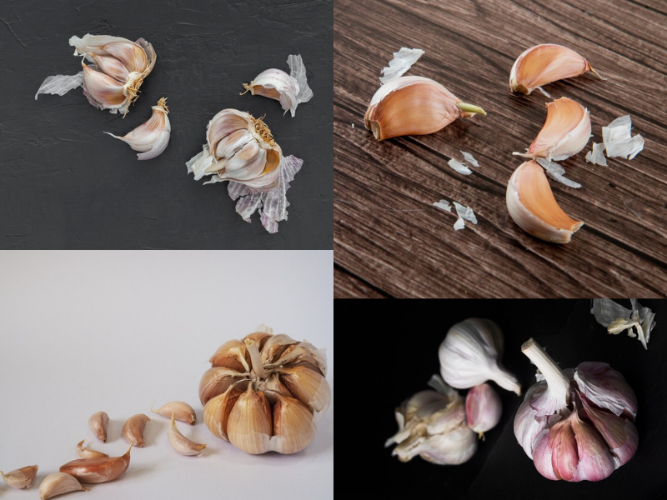
Have you ever wondered if freezing garlic ruins its health benefits? You might know that garlic is packed with allicin—a powerful compound that gives garlic its unique smell and many of its health-boosting properties.
But what happens when you freeze garlic? Does it lose that valuable allicin, or does it stay just as effective? If you want to make sure your garlic keeps its punch, keep reading. This article will clear up the mystery and help you get the most from your garlic, whether fresh or frozen.
Credit: marjaangroup.com
Allicin And Its Importance
Allicin is a key compound in garlic that gives it many health benefits. Understanding allicin helps explain why garlic is so valued in cooking and medicine. It also sheds light on how freezing garlic may affect its quality and health properties.
What Is Allicin?
Allicin is a sulfur-containing compound found in garlic. It is not present in whole garlic cloves but forms after crushing or chopping. Allicin gives garlic its strong smell and taste. It acts as a natural defense for the garlic plant against pests.
Health Benefits Of Allicin
- Supports immune system function
- Helps reduce inflammation in the body
- May lower blood pressure
- Acts as an antioxidant to fight free radicals
- Possesses antibacterial and antiviral properties
These benefits make allicin valuable in natural health remedies.
How Allicin Forms In Garlic
Allicin forms when garlic cells are damaged. Crushing or chopping garlic releases an enzyme called alliinase. This enzyme converts alliin, a sulfur compound, into allicin. The process starts quickly but allicin is unstable and breaks down over time.
Heat and freezing can affect allicin levels. Understanding this process helps in preserving garlic’s health properties.
Impact Of Freezing On Garlic
Freezing garlic can lower allicin levels, the compound that gives garlic its strong smell and health benefits. Crushing garlic before freezing helps preserve some allicin. Still, freezing may reduce its potency compared to fresh garlic.
The impact of freezing on garlic is a topic of interest for many culinary enthusiasts and health-conscious individuals alike. When you freeze garlic, you might wonder about the changes it undergoes, especially concerning allicin, the compound known for its health benefits. Understanding these changes can help you make informed decisions about how to store garlic while retaining its nutritional value.Freezing Process Explained
Freezing garlic involves placing peeled or unpeeled cloves in a freezer, aiming to preserve them for future use. This process slows down the enzyme activity that would otherwise degrade the garlic. While freezing is a convenient method for extending the shelf life of garlic, it may not maintain all its original properties.Changes In Garlic’s Structure
Once frozen, garlic undergoes a transformation in its physical structure. The water inside the cloves expands, causing cell walls to rupture. This can lead to a change in texture, making the garlic softer and perhaps less appealing for some culinary uses.Effect On Allicin Content
Allicin, the compound responsible for garlic’s health benefits and strong aroma, is sensitive to the freezing process. When garlic is frozen, the enzyme alliinase, which converts alliin to allicin, can become inactive. This means the allicin content might be reduced, potentially impacting the health benefits you seek from consuming garlic. Have you ever noticed a change in flavor when using frozen garlic compared to fresh? This could be due to the altered allicin content. If retaining allicin is essential for you, consider consuming fresh garlic or explore alternative storage methods like drying or refrigerating.Scientific Studies On Freezing Garlic
Freezing garlic is a common practice for many who want to save time in the kitchen. But does freezing affect its powerful compound, allicin, which gives garlic its health benefits and distinctive aroma? Scientific studies have tackled this question to understand how freezing impacts allicin’s stability and potency.
Key Research Findings
Several studies show that freezing garlic can reduce allicin content, but not completely destroy it. Allicin forms when garlic is crushed or chopped, activating the enzyme alliinase. Freezing before crushing tends to lower enzyme activity, leading to less allicin production.
Interestingly, some research found that freezing whole garlic cloves and then crushing them after thawing preserves more allicin than crushing first and then freezing. This suggests that the timing of freezing relative to preparation matters a lot.
Comparing Fresh And Frozen Garlic
Fresh garlic generally contains the highest allicin levels right after crushing. Frozen garlic loses some of this potency, but it still retains a significant amount of allicin to offer health benefits.
In practical terms, frozen garlic can be a convenient and effective substitute when fresh garlic isn’t available. You might notice a slight difference in flavor sharpness, but the health advantages remain largely intact.
Factors Influencing Allicin Retention
Several factors affect how much allicin survives freezing:
- Freezing method:Quick freezing preserves more allicin than slow freezing.
- Garlic preparation:Freezing whole cloves instead of crushed garlic helps retain enzyme activity.
- Storage duration:Longer freezer storage can gradually reduce allicin content.
- Thawing process:Gentle thawing maintains more allicin than rapid temperature changes.
Have you ever frozen garlic before cooking? Next time, try freezing whole cloves and crush them after thawing. You might find a better balance between convenience and preserving garlic’s beneficial compounds.
Credit: marjaangroup.com
Tips To Preserve Allicin When Freezing
Preserving allicin in garlic while freezing can be tricky since this powerful compound is sensitive to heat and processing. However, with the right approach, you can maintain much of garlic’s health benefits even after freezing. Let’s look at practical ways to keep allicin intact during freezing, so you get the most flavor and nutrition from your garlic.
Best Freezing Techniques
Freezing garlic whole or in large chunks helps protect allicin better than mincing it first. The less you expose garlic to air and crushing, the more allicin stays locked inside.
- Freeze whole cloves with the peel on; the skin acts as a natural barrier.
- Use airtight containers or vacuum-sealed bags to reduce exposure to air and moisture.
- Quick-freeze garlic by spreading cloves on a tray before transferring to bags—this prevents clumping and uneven freezing.
Preparation Methods Before Freezing
How you prepare garlic before freezing impacts allicin preservation significantly. Avoid crushing or chopping raw garlic too early since allicin forms only when garlic is cut or crushed.
- If you want minced garlic, chop it just before freezing, and freeze it quickly in small portions.
- Consider blanching garlic briefly in boiling water for 10-15 seconds to reduce enzyme activity that degrades allicin, then freeze immediately.
- Using garlic paste or purees is less ideal because they expose allicin to air and enzymes, causing faster breakdown.
Thawing And Cooking Advice
How you thaw and cook frozen garlic can either preserve or destroy allicin. Thawing slowly at room temperature can cause moisture buildup and loss of flavor.
- Cook garlic directly from frozen when possible to minimize allicin loss.
- Add garlic towards the end of cooking to keep allicin intact since prolonged heat reduces its potency.
- Steaming or lightly sautéing garlic preserves more allicin than frying at high temperatures.
Have you noticed a difference in garlic flavor or potency after freezing? Trying these tips might change how you store and cook garlic forever.
Alternatives To Freezing Garlic
If you’re worried that freezing garlic might reduce its allicin content, there are other ways to keep garlic fresh and flavorful without losing its health benefits. These alternatives let you enjoy garlic’s full potential in your cooking and wellness routine.
Storing Fresh Garlic
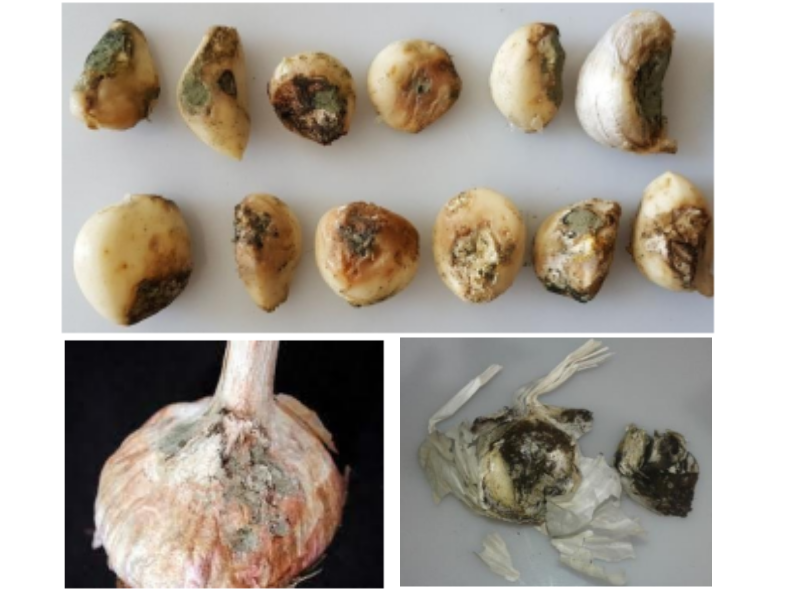
Keeping garlic fresh starts with the right storage. Store whole bulbs in a cool, dry, and dark place with good air circulation. A mesh bag or a paper bag works better than plastic because it prevents moisture buildup.
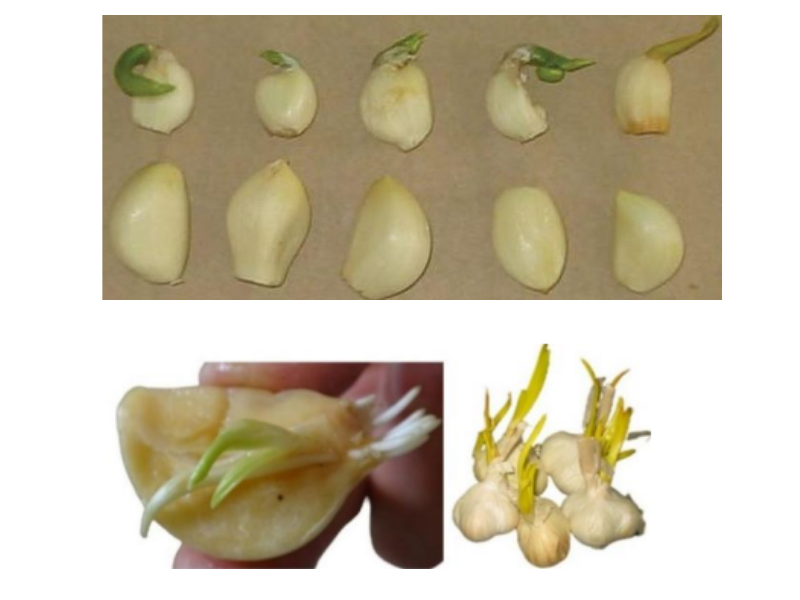
Once you break the bulb, use the cloves within 10 days for the best flavor and allicin content. If you notice green shoots inside the cloves, remove them, as they can taste bitter and reduce garlic’s quality.
Using Garlic Powder Or Supplements
Garlic powder is a convenient alternative that retains some allicin properties, especially if you choose high-quality products. Look for powders that are freshly ground and stored in airtight containers to maintain potency.
Supplements can be another option if you want a measured dose of allicin without cooking. However, check labels carefully to ensure they provide standardized allicin content and avoid fillers.
Other Preservation Methods
Drying garlic is a traditional method that keeps its flavor while extending shelf life. You can slice garlic thinly and use a dehydrator or oven on low heat until completely dry.
Another option is preserving garlic in oil, but be cautious with this method because it can cause botulism if not stored properly. Always keep garlic oil refrigerated and use it within a week.
Have you tried fermenting garlic? It’s gaining popularity because it enhances garlic’s health benefits and adds a unique tangy flavor. Plus, fermented garlic lasts longer than fresh.
.png?width=433&name=Garlic%20(2).png)
Credit: blog.insidetracker.com
Frequently Asked Questions
Does Freezing Garlic Reduce Allicin Content?
Freezing garlic can slightly reduce allicin, but it does not destroy it completely. Allicin forms when garlic is crushed or chopped. Freezing may cause some enzyme activity loss, but garlic still retains beneficial compounds after thawing.
How Does Freezing Affect Garlic’s Health Benefits?
Freezing garlic preserves most health benefits, including antioxidants and allicin precursors. Although enzyme activity may slow, garlic’s nutritional value remains significant after freezing and thawing.
Can Frozen Garlic Produce Allicin When Crushed?
Yes, frozen garlic can still produce allicin when crushed. Freezing slows enzyme activity but does not fully deactivate it, so allicin forms upon chopping or crushing thawed garlic.
Is It Better To Freeze Or Refrigerate Garlic?
Freezing garlic is better for long-term storage and preserves allicin potential. Refrigeration slows sprouting but may reduce flavor and allicin formation over time.
Conclusion
Freezing garlic does not fully destroy allicin. It may reduce some of its strength but keeps most benefits intact. To keep allicin, crush garlic before freezing. This helps release its healthy compounds. Using frozen garlic still adds flavor and nutrition to meals.
So, freezing garlic is a good way to store it longer. It saves time without losing too much health value. Try freezing garlic in small pieces for easy use. This keeps your cooking simple and healthy.