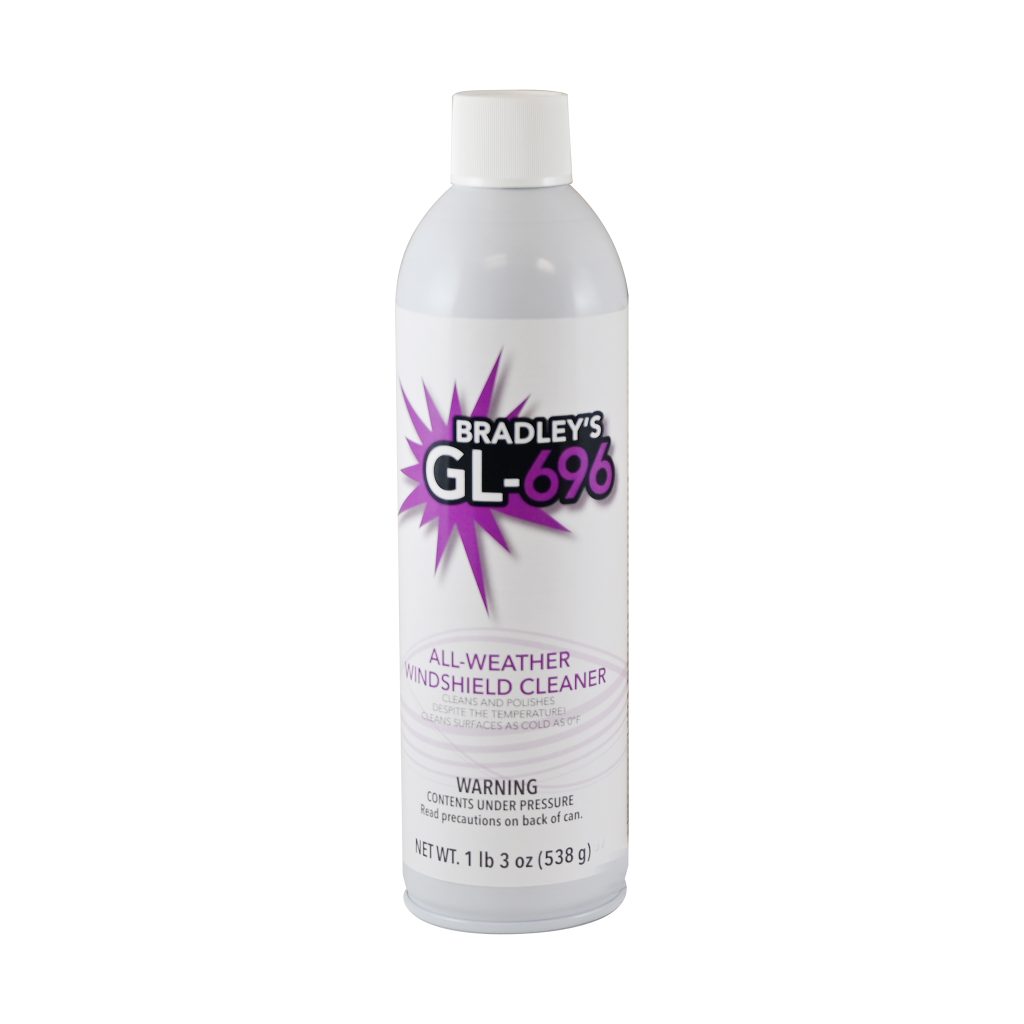
Have you ever grabbed your glass cleaner on a chilly morning, only to find it frozen or not working right? It’s frustrating when a simple task like cleaning your windows turns into a hassle.
You might wonder, does glass cleaner actually freeze? Understanding this can save you time, money, and stress. Keep reading, and you’ll discover what happens to your glass cleaner in cold temperatures and how to keep it ready to use no matter the weather.
Glass Cleaner Ingredients
Glass cleaner contains a mix of chemicals designed to clean surfaces effectively. These ingredients help remove dirt, grease, and fingerprints without leaving streaks. Understanding the main components reveals why some glass cleaners freeze and others do not.
Common Chemicals Used
Glass cleaners often include:
- Water: The main solvent, making up most of the solution.
- Alcohol: Helps dissolve oils and evaporates quickly.
- Ammonia: A powerful cleaning agent that cuts through grime.
- Surfactants: Reduce surface tension for better cleaning.
- Fragrances and dyes: Added for scent and appearance.
Role Of Alcohol And Ammonia
Alcohol acts as a solvent and helps the cleaner dry fast. It prevents streaks and leaves glass shiny. Ammonia breaks down grease and tough stains. Both chemicals improve cleaning power and evaporation speed.
Impact On Freezing Point
Pure water freezes at 32°F (0°C). Adding alcohol lowers this freezing point. The more alcohol in the cleaner, the colder it must be to freeze. Ammonia also lowers freezing temperature but less than alcohol. This is why many glass cleaners do not freeze easily in cold weather.

Credit: www.essind.com
Freezing Point Of Glass Cleaner
The freezing point of glass cleaner depends on its ingredients and mixture. Understanding this point helps prevent damage during cold weather. It also ensures the cleaner works effectively without freezing on surfaces. Different brands and formulas change the freezing temperature.
Temperature Thresholds
Most glass cleaners freeze below the temperature of water, around 32°F (0°C). Some formulas freeze near 20°F (-6°C) or lower. The exact freezing point varies based on the solution’s makeup. Knowing your cleaner’s threshold helps avoid using it in unsafe cold conditions.
Variations Among Brands
Brands use different chemicals in their glass cleaners. Some add alcohol or glycol to lower the freezing point. Others use mostly water, which freezes faster. Brand labels sometimes mention the lowest safe temperature. Checking this helps choose the right product for cold climates.
Effect Of Concentration
Concentrated glass cleaners have less water and more active ingredients. This lowers the freezing point compared to ready-to-use solutions. Diluting the concentrate with water raises the freezing point. Always follow mixing instructions to keep the cleaner effective in cold weather.
What Happens When Glass Cleaner Freezes
Glass cleaner can freeze in very cold conditions. This change affects how the cleaner works and looks. Understanding these effects helps in using the product safely and effectively.
Changes In Texture And Appearance
Freezing causes the glass cleaner to become thick and slushy. The liquid may separate into layers or develop ice crystals. The clear liquid can turn cloudy or grainy. These changes make the cleaner look different from its original state.
Effectiveness After Freezing
The cleaning power often reduces after freezing. Ingredients may not mix well once thawed. Streaks and spots might appear on glass surfaces. The cleaner may take longer to dry. It may not remove dirt or grease as efficiently.
Safety Considerations
- Frozen cleaner can cause bottles to crack or burst.
- Handle frozen bottles carefully to avoid spills or injury.
- Thaw the cleaner at room temperature before use.
- Avoid refreezing to maintain product quality and safety.
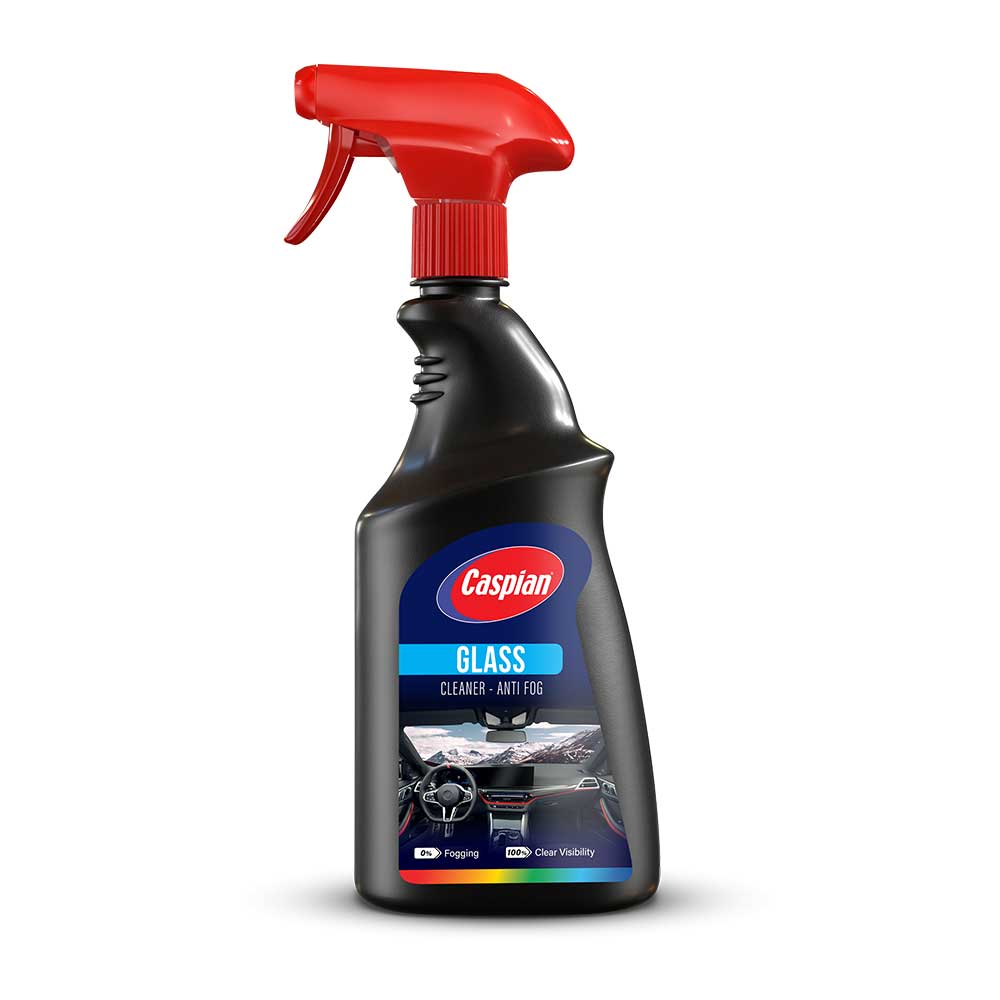
Credit: caspian.com
Preventing Glass Cleaner From Freezing
Preventing glass cleaner from freezing is important during cold months. Frozen cleaner loses effectiveness and can damage spray bottles. Taking simple steps can keep your cleaner ready to use and protect your investment.
Storage Tips
- Keep glass cleaner in a warm, dry place inside your home.
- Avoid storing near windows or doors where cold air enters.
- Use insulated containers or boxes for extra protection in garages.
- Store bottles upright to prevent leaks if freezing occurs.
- Check expiration dates to ensure quality before cold weather arrives.
Using Antifreeze Additives
Adding antifreeze additives helps lower the freezing point of glass cleaner. These additives stop ice from forming inside the bottle or spray mechanism.
- Use products specifically made for window cleaners.
- Mix additives according to the instructions for best results.
- Test a small amount before full use to avoid damage to surfaces.
- Keep the mixture well shaken before each use.
Best Practices For Cold Weather
- Use glass cleaner during the warmest part of the day.
- Spray a small amount and wipe quickly to prevent freezing on glass.
- Do not leave cleaner bottles outside overnight.
- Replace old or diluted cleaner that may freeze more easily.
- Wear gloves to protect hands from cold spray and cleaner.
Alternatives For Cold Environments
Cold weather can quickly turn your regular glass cleaner into a frozen mess. If you live in a chilly climate or find yourself cleaning outdoors during winter, having alternatives that won’t freeze is essential. These options help you keep your windows spotless without the frustration of cracked bottles or icy sprays.
Non-freezing Cleaning Solutions
Look for glass cleaners labeled as “winter formula” or “anti-freeze.” These products contain ingredients that lower the freezing point, allowing them to work even below 32°F (0°C). They often include alcohol or glycol, which prevents freezing and helps evaporate moisture faster.
Some brands specifically advertise their effectiveness in cold conditions. Using these can save you time and prevent damage to your cleaning tools. Have you noticed how some cleaners just won’t spray properly when it’s cold? Switching to a non-freezing solution can solve that problem instantly.
Homemade Recipes
Making your own glass cleaner for cold weather can be both cost-effective and reliable. A popular recipe includes mixing:
- 2 cups of water
- 1/2 cup rubbing alcohol (isopropyl alcohol)
- 1/4 cup white vinegar
- A few drops of dish soap
The alcohol helps prevent freezing, while vinegar cuts through grime effectively. Keep this mixture in a spray bottle rated for cold temperatures, and you’ll have a ready-to-use cleaner whenever frost hits.
Have you tried making your own cleaner before? It’s surprisingly easy and lets you control the ingredients, which is great if you want something less harsh or more natural.
Specialty Products For Winter
Some companies offer specialty glass cleaning products designed specifically for winter use. These might come as wipes, sprays, or even foams that don’t freeze and stick to glass longer for better cleaning.
They often feature anti-fog and anti-ice properties, making them ideal for car windshields and home windows exposed to freezing temperatures. Investing in these products could be a smart move if you frequently clean surfaces in cold conditions.
Have you ever struggled with icy car windows on a frosty morning? Using a winter-specific cleaner can reduce scraping time and improve visibility quickly.

Credit: wisycart.com
Myths About Freezing Glass Cleaner
Many people worry about glass cleaner freezing during cold weather. This concern often leads to questions about the product’s safety and effectiveness. Myths about freezing glass cleaner are common. These myths can cause confusion about how to store and use glass cleaner properly.
Common Misconceptions
Some think glass cleaner freezes like water. Others believe frozen glass cleaner loses its cleaning power. Many assume freezing changes the chemical makeup of the cleaner. These ideas are widespread but not always true.
Debunking Popular Beliefs
Most glass cleaners contain alcohol or other chemicals that lower their freezing point. This means they freeze at much colder temperatures than water. If glass cleaner freezes, it usually thaws back without damage. The cleaning ability remains intact after thawing.
Practical Advice
- Store glass cleaner in a cool, dry place, not outside in freezing weather.
- If the cleaner freezes, let it thaw at room temperature before use.
- Shake the bottle well after thawing to mix any separated ingredients.
- Keep glass cleaner away from heat sources and direct sunlight.
Frequently Asked Questions
Does Glass Cleaner Freeze In Cold Temperatures?
Yes, glass cleaner can freeze if exposed to temperatures below its freezing point. Most contain water and alcohol, which lower freezing points but don’t prevent freezing in extreme cold.
How Does Freezing Affect Glass Cleaner’s Effectiveness?
Freezing can reduce glass cleaner’s cleaning ability. Ice crystals may form, separating ingredients and weakening the solution’s performance until thawed and mixed again.
Can Frozen Glass Cleaner Damage Glass Surfaces?
Frozen glass cleaner generally won’t damage glass surfaces. However, applying it while still icy may leave streaks or residue, reducing cleaning effectiveness temporarily.
How To Prevent Glass Cleaner From Freezing?
Store glass cleaner in a temperature-controlled environment above freezing. Use formulas with antifreeze agents like alcohol to lower the freezing point and maintain usability in cold climates.
Conclusion
Glass cleaner can freeze in cold temperatures. This affects its effectiveness. Always store it in a warm place. Check the ingredients for freezing points. Some cleaners contain alcohol. Alcohol lowers the freezing point. Consider using those in winter. Frozen cleaner may not work well.
It could leave streaks or residue. Testing a small amount helps. This ensures quality before use. Keep your glass cleaner safe. Store it indoors during colder months. This preserves its cleaning power. Avoid frustration with frozen cleaners. Proper storage is key for sparkling results.
Enjoy clear, spotless glass all year round.