Is your heating system protected by your homeowners insurance? You might be surprised to learn that not all policies cover this important part of your home.
Imagine waking up to a freezing house and then finding out your insurance won’t help with repairs. That’s why understanding what your policy covers can save you from unexpected costs and stress. Keep reading to discover exactly how homeowners insurance treats your heating system and what you need to know to stay protected.

Credit: www.selecthomewarranty.com
Basics Of Homeowners Insurance
Homeowners insurance helps protect your home and belongings. It covers damage from many common risks.
This insurance may also cover certain systems inside your home, like heating systems. Knowing what is included helps you avoid surprises.
What Homeowners Insurance Typically Covers
Standard policies cover damage caused by fire, storms, theft, and vandalism. They protect the structure and personal items inside.
- Fire and smoke damage
- Wind and hail damage
- Theft and vandalism
- Water damage from pipes
- Liability protection
Coverage Of Heating Systems
Heating systems are part of your home’s structure. Many policies cover them if damaged by covered events.
Damage from normal wear and tear or lack of maintenance is usually not covered. Check your policy details for specifics.
What Causes Heating System Damage
| Cause | Covered by Insurance? |
| Fire or smoke | Yes |
| Storm damage | Yes |
| Mechanical breakdown | No |
| Lack of maintenance | No |
| Water damage from burst pipes | Yes |
Extra Protection Options
You can add extra coverage for heating systems. This covers repairs or replacement from breakdowns.
- Equipment breakdown coverage
- Service contracts
- Home warranty plans
Heating Systems In Home Insurance
Heating systems keep homes warm and comfortable during cold months. Many homeowners wonder if their insurance covers these systems.
This article explains common heating systems and how home insurance handles their coverage.
Common Types Of Heating Systems
There are several heating systems used in homes. Each type has different parts and maintenance needs.
- Furnaces – heat air and distribute it through ducts.
- Boilers – heat water to warm the home using radiators.
- Heat Pumps – transfer heat from outside to inside.
- Electric Heaters – use electricity to create heat directly.
- Wood or Pellet Stoves – burn wood or pellets for warmth.
Coverage For Heating Systems
Homeowners insurance usually covers heating systems if damage is from covered risks. Examples include fire, storms, or vandalism.
| Damage Type | Heating System Coverage |
| Fire | Covered |
| Storm Damage | Covered |
| Wear and Tear | Not Covered |
| Mechanical Breakdown | Not Covered |
| Flood | Usually Not Covered |
Insurance may not cover breakdown from old age or poor upkeep. Extra plans can add mechanical breakdown coverage.
Factors Affecting Coverage
Homeowners insurance may cover heating systems under certain conditions. Coverage depends on many factors. Understanding these helps you know what to expect from your policy.
Insurers look at the system’s age and condition. They also consider how well the system is maintained. These points affect if damage or repairs are covered.
Age And Condition Of The System
Older heating systems might not be covered fully. Insurers see them as more likely to fail. Newer systems usually have better coverage. The system’s condition also matters.
| System Age | Typical Coverage Impact |
| Less than 10 years | Usually covered with standard policy |
| 10 to 20 years | Partial coverage or higher deductible |
| Over 20 years | Often excluded or limited coverage |
| Poor condition | May lead to claim denial |
| Good condition | Better chance of approval |
Maintenance And Upkeep
Insurance companies want proof of regular maintenance. Proper upkeep lowers the chance of system failure. Lack of maintenance can reduce or void coverage.
- Keep records of inspections and repairs
- Change filters regularly
- Schedule yearly professional check-ups
- Fix small issues before they grow
- Follow manufacturer’s maintenance guidelines
Credit: www.nerdwallet.com
Common Exclusions
Homeowners insurance often covers damage to heating systems. Still, some situations are not covered. These are called common exclusions.
Understanding these exclusions helps you know when your insurance will not pay for heating system repairs or replacements.
Wear And Tear
Insurance usually does not cover damage caused by wear and tear. This means normal aging or gradual breakdown is excluded.
Heating systems lose efficiency over time. Parts may rust, corrode, or break down slowly. Insurance expects owners to maintain their systems.
- Broken parts from old age
- Rust or corrosion over time
- General deterioration
Negligence And Misuse
Damage caused by neglect or wrong use is not covered. Insurance covers sudden accidents, not problems from poor care.
Examples include failing to fix leaks, ignoring warning signs, or using the system improperly. These can cause damage that insurance excludes.
- Ignoring needed repairs
- Improper operation of the system
- Failure to maintain the system regularly
Filing A Claim For Heating Systems
Filing a claim for heating system damage can be confusing. Knowing the right steps helps speed up the process.
It is important to act quickly and provide clear information to your insurance company.
Steps To Take After Damage
Start by making sure everyone is safe. Then, check your heating system for any visible damage.
- Turn off the heating system to prevent further damage.
- Take photos or videos of the damaged parts.
- Contact your insurance company as soon as possible.
- Follow their instructions for filing the claim.
- Keep receipts if you pay for any emergency repairs.
Documentation Needed
Insurance companies require specific documents to process your claim quickly.
| Document | Why It Is Needed |
|---|---|
| Proof of ownership | Shows you own the heating system |
| Photos or videos of damage | Helps verify the claim |
| Repair or replacement estimates | Shows cost of fixing or replacing |
| Receipts for emergency repairs | Proves any urgent costs you paid |
| Insurance policy details | Confirms your coverage |
Tips For Homeowners
Heating systems keep your home warm and comfortable. It is important to know if your homeowners insurance covers them.
Use these tips to protect your heating system and check your insurance policy carefully.
Preventative Maintenance
Regular care helps your heating system last longer and avoid costly repairs. Keep your system clean and check it often.
- Replace air filters every 1-3 months
- Schedule annual professional inspections
- Clear vents and ducts of dust and debris
- Keep the area around your heating unit free of clutter
- Test your thermostat regularly
Reviewing Your Policy
Not all homeowners insurance covers heating systems the same way. Check your policy details to understand what is included.
| Coverage Type | Description | Typical Limits |
| Damage from Fire | Covers repairs if fire damages heating system | Usually full replacement cost |
| Mechanical Breakdown | May not be covered without extra warranty | Varies by policy |
| Water Damage | Covers if heating system is damaged by water | Depends on cause of water damage |
| Wear and Tear | Not usually covered | None |
Alternative Coverage Options
Homeowners insurance may not cover all problems with heating systems. Many policies only pay for damage caused by sudden events.
There are other ways to protect your heating system. These options can help you pay for repairs or replacements.
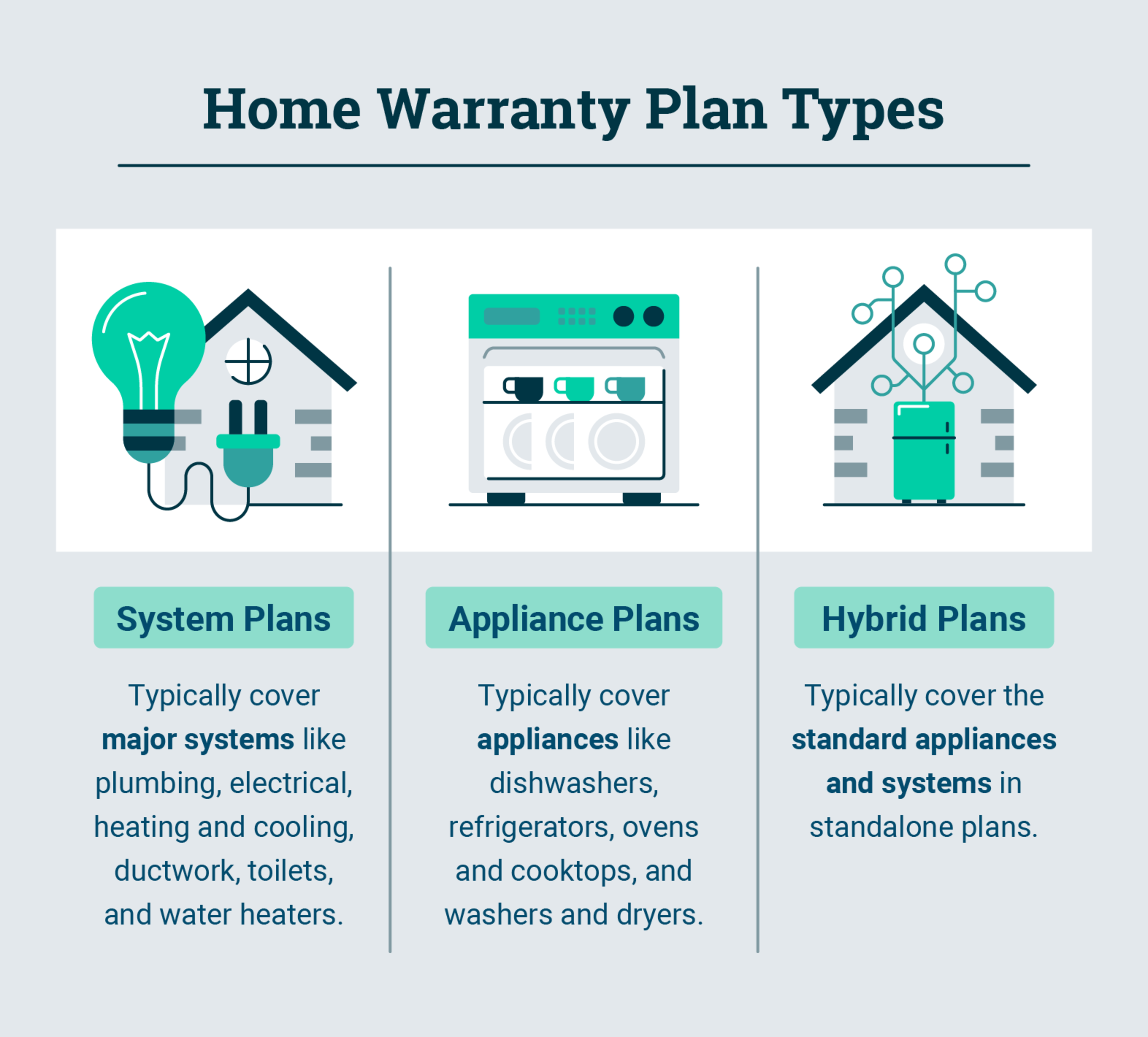
Home Warranty Plans
Home warranty plans cover home systems and appliances. They often include heating systems as part of the plan.
These plans work like a service contract. You pay a yearly fee, and the company helps with repair costs.
- Usually cover normal wear and tear
- May include furnace, heat pumps, and boilers
- Require a service call fee for each repair
Separate Equipment Coverage
Some insurance companies offer extra coverage for heating equipment. This is separate from standard homeowners insurance.
This coverage can protect against breakdowns and mechanical failures. It helps pay for parts and labor.
- Covers equipment failures not caused by accidents
- Often added as a rider or endorsement
- May have limits on coverage amounts
Credit: www.expertise.com
Frequently Asked Questions
Does Homeowners Insurance Cover Heating System Breakdowns?
Homeowners insurance usually does not cover heating system breakdowns from wear and tear. Coverage applies mainly to sudden damage from covered perils like fire or vandalism.
Are Heating System Repairs Included In Home Insurance Policies?
Heating system repairs caused by neglect or normal use are generally excluded. Insurance may cover repairs if damage results from a covered event such as storm damage.
What Heating System Damages Are Covered By Homeowners Insurance?
Insurance covers heating system damage from sudden incidents like fire, lightning, or theft. It typically excludes damages from maintenance issues or gradual deterioration.
Should I Add Extra Coverage For Heating Systems?
You can buy a home warranty or equipment breakdown coverage for heating systems. This adds protection beyond standard homeowners insurance for mechanical failures and repairs.
Conclusion
Homeowners insurance may cover some heating system issues, but not all. Damage from fire or sudden events often qualifies for coverage. Wear and tear or poor maintenance usually does not. Check your policy details to understand what is included. Consider adding extra coverage if needed for full protection.
Regular maintenance helps avoid costly repairs. Knowing your insurance limits brings peace of mind. Stay informed and keep your home safe and warm.