
Have you ever wondered if jerky needs to be kept in the fridge? You probably grab a pack from your pantry or take it on the go without a second thought.
But what if storing it the wrong way changes its taste or safety? Knowing the right way to store jerky can save you from unexpected spoilage and keep your snack fresh longer. Keep reading to discover simple tips that will help you enjoy your jerky every time without worry.
Jerky Shelf Life Basics
Jerky is a popular snack known for its long shelf life. Understanding its shelf life helps keep it safe and tasty. Proper storage is key to maintaining quality. Shelf life depends on many factors, including moisture, packaging, and type of jerky.
Factors Affecting Shelf Life
- Moisture content: Lower moisture means longer shelf life.
- Packaging: Vacuum-sealed packs last longer than open bags.
- Preservatives: Added salt or curing agents extend freshness.
- Storage temperature: Cooler places slow down spoilage.
- Exposure to air: Oxygen can cause jerky to go bad faster.
Types Of Jerky And Storage Needs
Different jerky types require different storage methods. Dry jerky with low moisture can stay safe without refrigeration for weeks. Fresh or moist jerky needs cooler storage to prevent spoilage.
| Type of Jerky | Storage Condition | Approximate Shelf Life |
|---|---|---|
| Dry, vacuum-sealed jerky | Room temperature, sealed | 1 to 2 months |
| Dry, opened jerky | Cool, dry place | 1 to 2 weeks |
| Fresh or moist jerky | Refrigerated | 1 to 2 weeks |
| Homemade jerky | Refrigerated or frozen | 1 week to 3 months |

Credit: beefjerky.com
Room Temperature Storage
Jerky can often be stored at room temperature, but certain conditions must be met. Understanding how to store it properly helps keep it safe and tasty. Room temperature storage is convenient for snacks and travel. Yet, it demands attention to packaging and shelf life.
When It’s Safe To Skip Refrigeration
Jerky is dry and low in moisture, which slows bacteria growth. Properly dried jerky can last days or weeks without refrigeration. Look for jerky that is vacuum-sealed or packed with preservatives. Homemade jerky may need refrigeration sooner. Always check the “best by” date on store-bought packs. If jerky feels moist or sticky, refrigeration is safer.
Proper Packaging For Room Storage
Good packaging keeps jerky fresh and prevents mold. Vacuum-sealed bags remove air, stopping spoilage. Resealable plastic bags work if sealed tightly after opening. Store jerky in a cool, dark place away from sunlight. Use airtight containers for opened packs to keep moisture out. Label packages with the date you opened them.
Refrigeration Benefits
Refrigerating jerky offers clear benefits that help keep it safe and tasty. Keeping jerky cool slows down processes that harm its quality. This simple step can make a big difference in how long jerky stays good to eat.
Extending Freshness And Flavor
Refrigeration helps maintain jerky’s fresh taste for longer periods. Cold storage slows the breakdown of oils and fats in the meat. This means jerky keeps its original flavor and texture. It also prevents jerky from becoming dry or tough over time.
Avoiding Mold And Spoilage
Moisture and warmth can cause mold growth on jerky. Refrigeration reduces these risks by keeping jerky in a cool, dry environment. It also limits bacteria growth that leads to spoilage. This makes jerky safer to eat and extends its shelf life significantly.
Freezing Jerky
Freezing jerky is a smart option if you want to extend its shelf life beyond typical storage methods. While jerky is known for its long-lasting quality at room temperature, freezing can preserve its flavor and texture for months. However, handling frozen jerky properly is key to keeping it tasting fresh and enjoyable.
Best Practices For Freezing
Before freezing, make sure your jerky is completely dry and cooled. Excess moisture can cause ice crystals to form, which harms the texture. Use airtight packaging like vacuum-sealed bags or heavy-duty freezer bags to prevent freezer burn and odor absorption.
Label the package with the date to track storage time. Ideally, consume frozen jerky within 6 months for the best taste. Avoid refreezing jerky once it has thawed, as this can degrade quality quickly.
Thawing Without Quality Loss
Thaw jerky slowly in the refrigerator to maintain its texture and flavor. Rapid thawing at room temperature can make the jerky dry out or become tough. If you need it faster, unwrap the jerky and let it sit at room temperature for a short time, but keep an eye on it.
After thawing, keep the jerky sealed until ready to eat. This helps retain moisture balance and prevents it from becoming overly dry. Have you ever noticed a difference in taste when jerky is thawed too quickly? Taking your time can make a big difference in your snack experience.
Signs Jerky Has Gone Bad
Jerky is a popular snack because of its long shelf life. But jerky can still go bad. Knowing the signs helps avoid eating spoiled jerky. Watch closely for changes in appearance, smell, and texture. These clues show if the jerky is no longer safe to eat.
Visual And Smell Indicators
Look at the jerky’s color. Fresh jerky usually has a dark brown or reddish tone. If you see mold, white spots, or greenish patches, discard it. These are clear signs of spoilage.
Smell the jerky carefully. A sour, rancid, or off smell means the jerky has gone bad. Fresh jerky has a smoky or meaty scent. Any strange odor means bacteria or mold may be present.
Texture Changes To Watch For
Jerky should be firm and slightly chewy. If it feels sticky or slimy, do not eat it. A sticky texture means moisture has entered and bacteria may have grown.
Dry jerky may become too hard or brittle over time. While this is not always spoilage, extreme dryness can affect taste and quality. Trust your senses and avoid jerky that feels unpleasant.
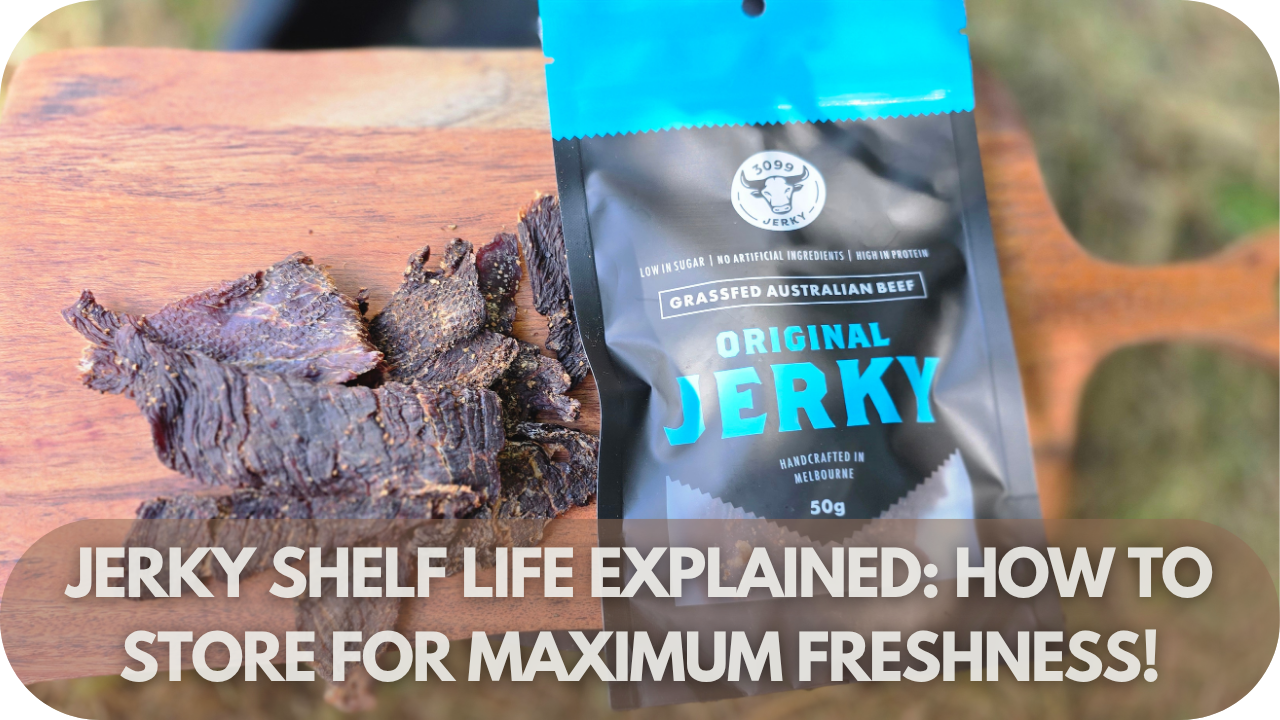
Credit: 3099jerky.com
Storage Tips For Homemade Jerky
Proper storage is key to keeping homemade jerky fresh and tasty. Without the right care, jerky can lose flavor or spoil quickly. Understanding how to store jerky safely helps maintain its quality and extends its shelf life.
Keep jerky dry and cool. Moisture invites bacteria and mold. Air exposure can cause jerky to become tough or stale. Storing jerky correctly preserves its texture and taste.
Drying Techniques For Longevity
Drying jerky well is the first step to long storage. Remove as much moisture as possible during drying to prevent spoilage. Use a low temperature for a longer time to dry evenly.
- Use a dehydrator or oven set between 140°F and 160°F.
- Cut meat into thin, uniform strips for even drying.
- Dry until jerky bends without breaking and feels dry to touch.
- Allow jerky to cool fully before packaging.
Safe Storage Containers
Choose containers that protect jerky from air and moisture. Airtight containers keep jerky fresh longer. Vacuum sealing is ideal for removing air.
- Use resealable plastic bags or glass jars with tight lids.
- Vacuum-sealed bags prevent oxidation and moisture build-up.
- Store containers in a cool, dark place away from heat.
- Label containers with the date to track freshness.
Travel And Outdoor Storage
Traveling or spending time outdoors often means juggling limited space and unpredictable conditions. Jerky is a popular snack for these moments because it’s lightweight and packed with protein. But does jerky need special storage when you’re on the move? Understanding how to store it properly can keep it fresh and tasty throughout your adventure.
Keeping Jerky Safe On The Go
Jerky doesn’t always need refrigeration, especially if it’s vacuum-sealed and unopened. However, once opened, it’s important to protect it from air and contaminants. Carry your jerky in airtight containers or resealable bags to maintain freshness.
Think about your last hiking trip—did your jerky stay chewy and flavorful by the end? If you left it in a loosely closed bag, chances are it lost some texture. Keeping it sealed prevents exposure to bacteria and insects, which is crucial outdoors.
Avoiding Heat And Moisture Damage
Heat and moisture are jerky’s worst enemies. High temperatures can cause oils in the meat to spoil faster, while moisture encourages mold growth. Store jerky in a cool, dry spot—inside your backpack but away from water bottles or damp compartments.
If you’re camping in a hot climate, consider using insulated pouches or placing your jerky in shaded areas. Avoid leaving it in direct sunlight, like on the dashboard of your car or on a picnic table. Have you ever noticed how jerky gets sticky after a day in the sun? That’s the heat breaking it down.

Credit: 3099jerky.com
Frequently Asked Questions
Does Jerky Need Refrigeration After Opening?
Jerky typically does not need refrigeration after opening if stored properly. However, keeping it in a cool, dry place extends its freshness. If you live in a humid climate, refrigerating can help maintain its quality and prevent spoilage. Always check packaging instructions for specific storage recommendations.
How Long Can Jerky Sit Out?
Jerky can sit out for a few days if stored in an airtight container. However, exposure to air and moisture can lead to spoilage. To ensure the best taste and texture, consume within one week after opening. Always check for signs of mold or off-smells before eating.
Can Jerky Spoil If Not Refrigerated?
Yes, jerky can spoil if not stored correctly. While it’s shelf-stable, humidity and air exposure can cause spoilage over time. Always store jerky in a sealed container to prevent moisture. Check for mold or an unpleasant odor as signs of spoilage.
Is Homemade Jerky Shelf-stable?
Homemade jerky can be shelf-stable if prepared and stored properly. Use a dehydrator and ensure it’s fully dried. Store in airtight containers in a cool, dry place. Adding curing salt can increase shelf life. However, for safety, refrigerate if unsure about drying completeness.
Conclusion
Jerky can stay fresh without refrigeration if stored right. Keep it in a cool, dry place away from sunlight. Once opened, sealing it tightly helps keep moisture and air out. For longer storage, refrigeration is best to keep jerky safe and tasty.
Always check the package instructions for specific storage advice. Proper storage lets you enjoy jerky anytime without worry. Simple steps make a big difference in taste and safety. Enjoy your jerky snack with confidence and ease.