Have you ever wondered if your microwave-safe dishes can go straight into the oven? It’s a common question that might have crossed your mind while preparing meals.
Understanding the difference between “microwave safe” and “oven safe” is crucial for keeping your kitchenware in good shape and ensuring your meals turn out just right. We’ll dive into what these labels really mean, so you can confidently make the right choice every time.
Stick around to discover the potential pitfalls and surprises that could be hiding in your kitchen, and learn how to protect your favorite dishes from unexpected damage. Your culinary creations deserve the best, and this guide will help you achieve just that.
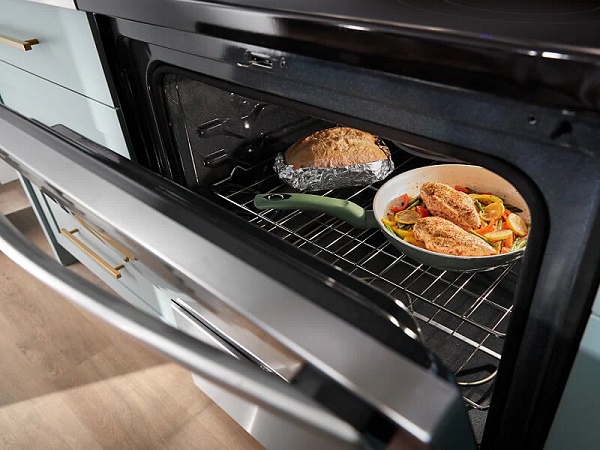
Credit: www.sumkoka.com
Microwave Safe Basics
Understanding the term “microwave safe” is key to using kitchenware correctly. It means the item can withstand microwave heat without damage. These items won’t melt, spark, or release harmful chemicals during microwaving.
Knowing what materials are safe helps avoid accidents and keeps food healthy. Not every container labeled microwave safe works in an oven. The two heat sources are very different.
Materials That Work
- Glass and ceramic are usually microwave safe. They handle heat well but check for oven safety separately.
- Some plastics work in microwaves. Look for containers marked microwave safe to avoid melting.
- Paper products like towels and plates often work but may burn in ovens.
- Metal is never microwave safe. It can cause sparks and fire.
Common Microwave Safe Labels
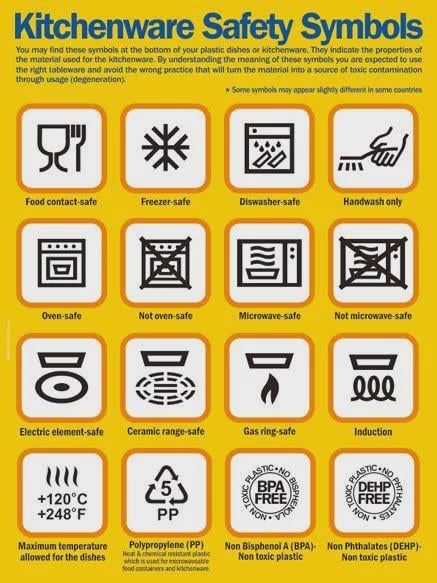
- A symbol with wavy lines means microwave safe.
- Labels often say “Microwave Safe” on the bottom or packaging.
- Some containers show a microwave icon with heat waves.
- Look for notes about temperature limits or oven use to avoid confusion.
Oven Safe Essentials
Understanding what makes a dish or container oven safe is crucial before you place anything inside your oven. Oven safe essentials revolve around materials and their ability to withstand high temperatures without damage or releasing harmful substances. Knowing the basics helps you avoid costly mistakes and keeps your food safe and tasty.
Heat Resistance Levels
Different materials can handle different heat levels. Some can tolerate temperatures above 500°F, while others start breaking down or warping at much lower heat.
Think about your last experience heating a plastic container in the oven. Did it melt or deform? That’s a clear sign it wasn’t oven safe. Oven safe items usually have labels indicating a specific temperature limit.
Here’s a quick way to check if your dish might be oven safe:
- Look for an oven-safe symbol or text on the bottom or packaging.
- Check the manufacturer’s guidelines online if you’re unsure.
- Never assume microwave safe equals oven safe — these are different heat environments.
Typical Oven Safe Materials
Materials commonly known to be oven safe include:
- Glass:Tempered glass like Pyrex is designed for oven use but avoid sudden temperature changes.
- Ceramic and Stoneware:These can handle high heat but watch for cracks or chips that reduce safety.
- Metal:Stainless steel, cast iron, and aluminum are typically oven safe and durable.
Plastic and some types of non-stick coatings usually cannot handle oven temperatures. Have you ever tried putting a plastic container in the oven? It doesn’t end well.
Knowing your materials prevents accidents and helps you cook smarter. What’s the most surprising thing you’ve learned about your kitchenware’s heat limits?
Differences Between Microwave And Oven Safety
Understanding the differences between microwave safe and oven safe is vital for kitchen safety. Both appliances use heat differently, affecting how materials react. Knowing these distinctions helps prevent accidents and protects your cookware.
Temperature Variations
Microwaves heat food by using electromagnetic waves. These waves excite water molecules, heating food quickly and evenly. The temperature inside a microwave rarely goes above 212°F (100°C), the boiling point of water.
Ovens use dry heat and can reach much higher temperatures, often between 300°F to 500°F (150°C to 260°C). This high heat can cause some materials to melt, warp, or release harmful chemicals.
Material Limitations
Microwave-safe items are designed to withstand low to moderate heat. They usually avoid metals and certain plastics that can spark or melt. Common microwave-safe materials include glass, ceramic, and specific plastics labeled as microwave safe.
Oven-safe materials must handle higher and longer heat exposure. Metals, glass, and some ceramics are safe in ovens, but many plastics will melt or catch fire. Labels for oven-safe items are essential to check before use.

Credit: www.tataneu.com
Risks Of Using Microwave Safe Items In Oven
Using items labeled as microwave safe in an oven can lead to unexpected and dangerous problems. These items are designed to handle microwave heat, which is very different from the intense, dry heat of an oven. Ignoring these differences can cause damage to your cookware and put your safety at risk.
Melting And Warping
Microwave safe containers are often made from plastics or materials that can tolerate microwave radiation but not high oven temperatures. Putting them in an oven can cause these items to melt or warp, ruining their shape and function.
Have you ever noticed your plastic container bend or lose its form after a hot meal? That’s a clear sign it’s not oven safe. This damage isn’t just ugly; it can make the container unsafe to use again.
Fire Hazards
Ovens reach much higher temperatures than microwaves, and some microwave safe materials can catch fire or release toxic fumes when overheated. This is especially true for plastics and certain coatings that are not designed for oven use.
Think about the risk: a small flame inside your oven can quickly turn into a serious fire. Isn’t it better to use cookware that clearly states it is oven safe to avoid this danger?
How To Identify Oven Safe Cookware
Knowing if cookware is oven safe is key to cooking safely and well. Oven safe cookware can handle high heat without damage. This section guides you on how to identify such cookware before use.
Labeling And Symbols
Look for clear labels on the cookware. Many products state “oven safe” on their base or packaging. Some use symbols like an oven icon or temperature limits.
- Oven icon means safe for oven use.
- Temperature numbers show max heat the cookware can handle.
- Absence of oven symbols means avoid using it in the oven.
Labels help avoid accidents and protect your cookware from damage.
Manufacturer Instructions
Check the user manual or product details from the maker. These instructions explain safe temperature ranges and usage tips. They may also list materials safe for oven use.
- Read instructions carefully to confirm oven safety.
- Follow temperature limits strictly.
- Some materials like glass or ceramic may have special care rules.
Following manufacturer advice ensures long life and safe cooking with your cookware.
Tips For Safe Microwave And Oven Use
Using your microwave and oven safely requires more than just knowing if a dish is labeled microwave safe. Each appliance works differently, and using the wrong cookware or making common mistakes can lead to accidents or ruined meals. Here are some practical tips to help you use both appliances confidently and safely.
Avoiding Common Mistakes
One of the biggest mistakes is assuming microwave safe means oven safe. Microwaves heat food differently, often using radiation that some materials can handle but ovens cannot. Using plastic containers in the oven, even if microwave safe, can cause melting or toxic fumes.
Another common error is overheating food or containers. Microwaves can heat unevenly, so stirring your food during cooking helps avoid hot spots that could cause burns or explosions. In ovens, always preheat and avoid sudden temperature changes that can crack glass or ceramic dishes.
Have you ever put a metal container in the microwave? It’s tempting but dangerous—it can spark and damage your appliance. Always check your cookware before using it in either appliance to prevent mishaps.
Proper Cookware Selection
Choosing the right cookware is key for safe microwave and oven use. Glass, ceramic, and certain plastics labeled specifically for oven use are usually safe choices. But remember, not all glass or ceramics are oven proof, so look for manufacturer instructions or symbols.
Microwave safe containers are often made of plastic or glass that won’t melt or release chemicals. However, these same containers might not withstand the high, dry heat of an oven. For ovens, use cookware designed for high temperatures like metal pans, silicone bakeware, or oven-safe glass.
| Cookware Type | Microwave Safe | Oven Safe |
|---|---|---|
| Plastic (Microwave Safe) | Yes | No (usually melts) |
| Glass (Oven-Safe) | Yes | Yes |
| Ceramic (Oven-Safe) | Yes | Yes (if labeled) |
| Metal | No | Yes |
Next time you grab a container, ask yourself: Is this cookware truly made for both appliances? Taking a moment to check can save frustration and keep your kitchen safe.

Credit: www.paiinternational.in
Frequently Asked Questions
Is Microwave Safe The Same As Oven Safe?
No, microwave safe means the item can withstand microwave heat. Oven safe means it can handle higher, dry heat from an oven. Always check labels before using cookware in either appliance.
Can Microwave Safe Containers Go In The Oven?
Not always. Microwave safe containers may melt or crack in an oven. Oven temperatures are higher and require heat-resistant materials. Use only containers labeled oven safe for baking.
Why Are Microwave Safe And Oven Safe Different?
Microwaves use electromagnetic waves to heat food quickly. Ovens use dry, consistent heat at higher temperatures. Materials suitable for microwaves may not tolerate oven heat, causing damage or safety hazards.
How To Identify If Cookware Is Oven Safe?
Look for labels or symbols indicating oven safe status. Check manufacturer instructions for maximum temperature limits. When in doubt, avoid placing cookware in the oven to prevent damage.
Conclusion
Microwave safe does not always mean oven safe. Materials can handle microwaves but not high oven heat. Always check the label before using any dish in the oven. Using the wrong container can cause damage or harm. Choosing the right cookware keeps food safe and cooking easy.
Remember, safety comes first in the kitchen. Stay careful and follow instructions to avoid accidents. This small step helps protect your dishes and your health. Keep these tips in mind for better cooking results.