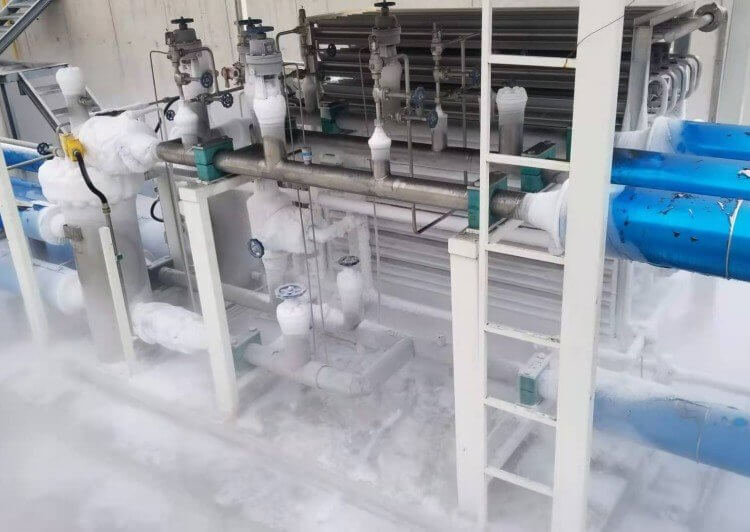
Have you ever wondered if natural gas can freeze? Maybe you’ve asked yourself this question on a chilly winter night or during a power outage.
Understanding how natural gas behaves in different temperatures isn’t just for scientists or engineers—it’s something that affects your daily life, too. Whether you’re heating your home or concerned about energy reliability, knowing if and how natural gas can freeze can help you make informed decisions.
Stick around as we uncover the science behind natural gas and its surprising ability to withstand the cold. This information could change the way you think about energy, comfort, and safety in your own home.

Credit: bensdeals.com
Natural Gas Basics
Understanding the basics of natural gas is essential before diving into the question of whether it can freeze. Natural gas plays a vital role in daily life and industry, but many people don’t realize what it really consists of or how it’s used. Getting to know its composition and common applications will help you grasp why freezing is such a rare concern.
Composition Of Natural Gas
Natural gas is mostly made up of methane, a simple molecule with one carbon atom and four hydrogen atoms. Methane typically makes up about 70-90% of natural gas, but the exact mix can vary depending on the source.
Besides methane, you’ll find small amounts of other gases like:
- Ethane
- Propane
- Butane
- Carbon dioxide
- Trace amounts of nitrogen and hydrogen sulfide
This composition affects how natural gas behaves under different conditions, including temperature changes.
Common Uses
Natural gas powers many aspects of your life, often without you noticing. It heats homes, cooks food, and fuels vehicles in some areas.
In industry, it’s a key ingredient for producing electricity and manufacturing chemicals. Even power plants rely on natural gas because it burns cleaner than coal or oil.
Have you ever wondered what would happen if natural gas froze during transport or use? Knowing where and how it’s used can help you understand why this is a critical question for safety and efficiency.
Freezing Point Of Natural Gas
Understanding the freezing point of natural gas is essential if you work with or rely on this energy source. Natural gas doesn’t freeze like water, but it can solidify under specific conditions. Knowing these conditions helps prevent pipeline blockages and ensures safe storage and transport.
Temperature Requirements
Natural gas mainly consists of methane, which freezes at around -182°C (-295.6°F). This temperature is far colder than typical environmental conditions on Earth. However, when natural gas contains heavier hydrocarbons, the freezing point can be higher.
In real-world scenarios, natural gas rarely freezes because it must reach extremely low temperatures to solidify. Yet, if the temperature drops enough, components like propane and butane can form solids or liquids, causing flow issues. Have you ever wondered how pipelines stay clear during winter in cold regions? It’s because these freezing temperatures are usually avoided or controlled.
Role Of Pressure
Pressure significantly affects natural gas’s freezing point. Increasing pressure tends to raise the freezing point slightly, allowing some components to solidify at higher temperatures. This means natural gas can freeze under less extreme cold if the pressure is very high.
For example, in deep underground pipelines, high pressure combined with low temperatures could trigger solid formation. This is why engineers carefully monitor both temperature and pressure to keep natural gas flowing smoothly. Have you considered how pressure control might prevent costly blockages in your gas systems?
Conditions Leading To Freezing
Understanding the conditions that cause natural gas to freeze helps you prevent disruptions in your gas supply. Natural gas itself doesn’t freeze like water, but under certain conditions, components within the gas can form solids or blockages. These blockages can mimic freezing and create serious flow problems.
Extreme Cold Environments
Natural gas pipelines exposed to extremely low temperatures can experience issues similar to freezing. When the temperature drops far below freezing, moisture and heavier hydrocarbons in the gas can condense and solidify. This solidification can clog pipelines and valves, interrupting gas flow.
Have you ever wondered why gas supply sometimes falters during harsh winters? It’s often due to these physical changes inside the pipeline caused by cold weather. Protecting your system with proper insulation and heating elements can keep the gas flowing smoothly.
Gas Hydrate Formation
Gas hydrates are icy crystals that form when water and natural gas combine under high pressure and low temperature. These hydrates can create blockages similar to ice plugs inside pipelines. Even a small amount of water in the gas can trigger this problem.
Imagine a tiny crystal growing inside your pipeline, slowly choking the flow—this is what gas hydrates do. Managing water content and controlling pressure and temperature are key steps to prevent hydrate formation and keep your gas supply reliable.
Effects Of Freezing On Pipelines
Freezing temperatures can have a surprising impact on natural gas pipelines. While natural gas itself doesn’t freeze under typical conditions, the moisture and other substances within the pipeline can cause problems when temperatures drop. Understanding these effects can help you better manage and maintain your gas systems during cold weather.
Blockages And Flow Issues
When moisture inside pipelines freezes, it creates ice blockages that restrict the flow of natural gas. These blockages can reduce pressure and slow down delivery, causing interruptions in service. If you’ve ever experienced a sudden drop in gas supply during winter, ice buildup might be the culprit.
Besides ice, hydrate formation—a solid, ice-like compound—can also occur, further complicating flow. These blockages are tricky because they don’t always appear immediately and can cause damage over time. Have you checked your pipeline’s moisture levels before the cold season hits?
Safety Concerns
Frozen blockages don’t just affect flow; they can create dangerous pressure buildups inside pipelines. Excessive pressure may lead to leaks or even ruptures, posing risks to nearby people and property. Ensuring your pipeline has proper pressure relief systems is critical to prevent accidents.
Regular inspections and maintenance become especially important in freezing conditions. Ignoring the risks can lead to costly repairs and safety hazards that are easily avoidable. How prepared are you to handle the cold’s impact on your gas pipeline safety?
Prevention Techniques
Keeping natural gas flowing smoothly during cold weather is crucial. Freezing can cause blockages and disrupt supply, but you have several ways to prevent this. Understanding these techniques helps you protect pipelines and maintain safety effectively.
Pipeline Insulation
Insulating your gas pipelines is one of the simplest yet most effective ways to prevent freezing. Insulation materials like foam or fiberglass wrap help keep the gas temperature above freezing, especially in exposed areas.
Think about how much heat your home loses without proper insulation. The same idea applies to pipelines. Adding insulation reduces heat loss and keeps the gas flowing freely.
Use Of Additives
Adding certain chemicals to natural gas can lower its freezing point. These additives prevent ice formation inside pipes and valves, making blockages much less likely.
This technique is common in extremely cold climates. Have you ever considered how altering the gas composition can save you from costly repairs and downtime?
Heating Methods
Sometimes, insulation alone isn’t enough. Using external heating methods like heat tracing cables can keep pipelines warm during harsh conditions.
These cables run along the pipeline and provide consistent heat. You can even control them with thermostats to save energy while preventing freeze-ups.

Credit: bensdeals.com
Real-life Incidents
Natural gas freezing is rare but can cause serious problems. Some real-life events show how cold weather affects natural gas systems. These incidents reveal challenges and solutions in managing gas flow during freezing temperatures.
Case Studies
- In 2014, Texas faced a severe winter storm that disrupted natural gas supplies. Frozen pipelines and equipment caused shortages and blackouts.
- A 2019 incident in Canada showed how ice buildup in gas pipelines reduced flow. This led to temporary shutdowns and repairs.
- In Alaska, extreme cold caused natural gas liquids to freeze in processing plants, slowing production and increasing costs.
- Some European countries experienced frozen gas meters during cold snaps, disrupting household heating for many days.
Lessons Learned
- Insulation and heating systems are crucial to prevent freezing in pipelines and equipment.
- Regular maintenance helps spot and fix weak points before winter arrives.
- Using additives can lower the freezing point of natural gas liquids.
- Emergency plans and backup supplies reduce the impact of cold-related gas shortages.
- Monitoring temperature and pressure helps operators react quickly to freezing risks.
Future Challenges
The future of natural gas faces several challenges that could affect its stability and use. These challenges stem from environmental concerns and the need for innovation. Understanding these issues helps prepare for changes in energy sources and their impact on daily life.
Climate Impact
Natural gas is cleaner than coal but still releases carbon dioxide. This contributes to global warming. Governments and companies must reduce emissions to meet climate goals. Methane leaks during extraction and transport also harm the environment. Reducing these leaks is crucial for a greener future.
Technological Advancements
New technologies aim to make natural gas safer and more efficient. Innovations improve pipeline insulation to prevent freezing. Sensors now detect leaks faster than before. Advances in storage help maintain gas quality in cold conditions. These improvements support a stable energy supply despite harsh weather.

Credit: bensdeals.com
Frequently Asked Questions
Does Natural Gas Freeze In Cold Weather?
Natural gas does not freeze under normal cold weather. It remains gaseous at typical outdoor temperatures. Extremely low temperatures may affect pipelines but not freeze the gas itself.
At What Temperature Does Natural Gas Freeze?
Natural gas freezes below -260°F (-162°C). This temperature is much colder than natural outdoor conditions. Thus, natural gas remains in gas form in most environments.
Can Natural Gas Pipelines Freeze In Winter?
Pipelines rarely freeze but can experience hydrate formation. Hydrates are ice-like solids blocking flow, caused by water in gas under pressure and cold. Proper pipeline management prevents freezing issues.
How To Prevent Natural Gas Freezing Problems?
Prevent freezing by removing water from gas and using pipeline heaters. Insulation and pressure control also help avoid hydrate formation and ensure smooth gas flow.
Conclusion
Natural gas rarely freezes because it stays in gas form at low temperatures. It moves easily through pipelines without solidifying. Cold weather can cause problems, but freezing is uncommon. People should still take care to protect pipes in winter. Knowing this helps you stay safe and prepared.
Natural gas works well even in cold conditions. Keep your home warm and your gas flowing smoothly. Simple steps can prevent most issues with natural gas. Understanding this clears up common worries about freezing.