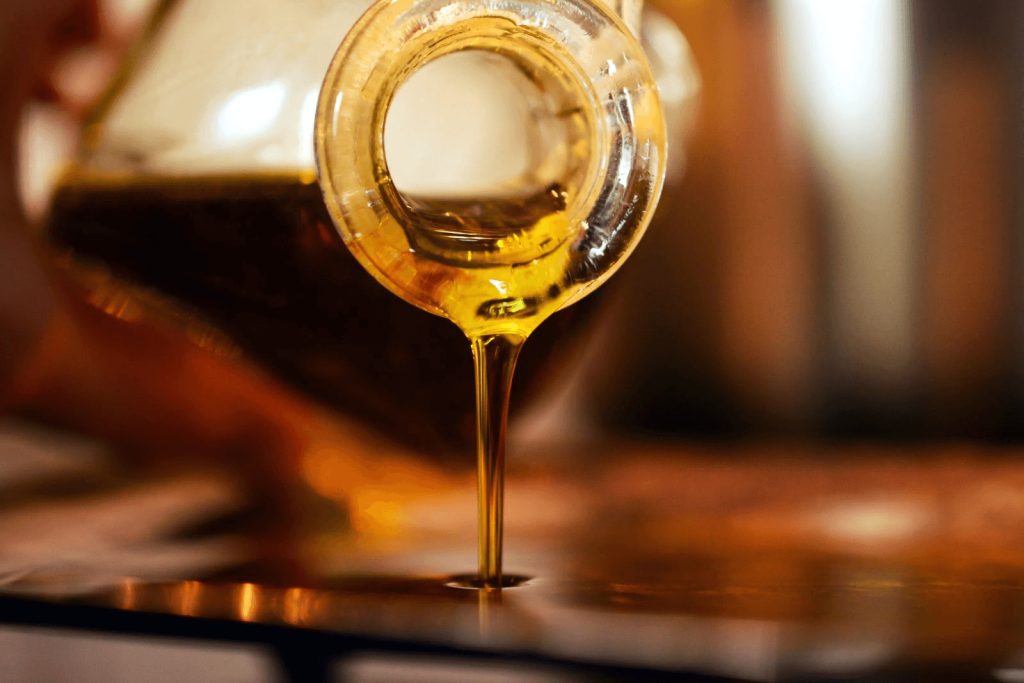
Have you ever noticed that strange transformation when you put your olive oil in the refrigerator? You open the fridge, reach for your trusty bottle, and there it is—thick and cloudy instead of smooth and clear.
It’s a phenomenon that leaves many of us scratching our heads. Does olive oil solidify in the refrigerator? And if so, why does it happen, and is it something you should be worried about? Understanding the science behind this change can save you from unnecessary concern and maybe even prevent a few cooking mishaps.
Plus, knowing how to store your olive oil properly can make a big difference in preserving its flavor and health benefits. So, if you’ve ever wondered whether you’re storing your olive oil the right way, you’re not alone. Stick around as we dive into the intriguing world of olive oil storage and uncover the secrets behind its chilly transformation.
Olive Oil Basics
Understanding the basics of olive oil helps you grasp why it behaves differently in the fridge compared to other oils. Olive oil is not just a cooking ingredient; it has distinct qualities depending on its type and composition. Knowing these details can help you decide the best way to store and use it in your kitchen.
Types Of Olive Oil
Olive oil comes in several varieties, each with unique flavors and uses. The main types include:
- Extra Virgin Olive Oil:Made from pure, cold-pressed olives, it has the strongest flavor and highest antioxidants.
- Virgin Olive Oil:Also from cold-pressed olives but with slightly higher acidity and milder taste.
- Refined Olive Oil:Processed to remove impurities, it has a lighter flavor and color but fewer nutrients.
- Pure or Regular Olive Oil:A blend of refined and virgin oils, commonly used for cooking due to its moderate flavor.
Choosing the right type affects not only taste but also how the oil reacts to temperature changes.
Composition And Properties
Olive oil is mainly made up of fats, but the type of fat matters. It contains mostly monounsaturated fats, which are liquid at room temperature but can solidify when chilled.
The key components include:
| Component | Role |
|---|---|
| Monounsaturated fats | Provide heart-healthy benefits and influence solidification |
| Polyunsaturated fats | Help maintain fluidity but less stable under heat |
| Saturated fats | Solid at cooler temperatures, contribute to thickening |
| Antioxidants and vitamins | Boost health benefits and flavor |
Have you noticed your olive oil turning cloudy or thick after refrigeration? This happens because saturated fats start to crystallize first, making the oil appear solid. Knowing this can reassure you that solidification doesn’t mean your oil is spoiled.

Credit: www.reddit.com
How Temperature Affects Olive Oil
Temperature plays a key role in changing olive oil’s form and feel. It affects how olive oil behaves in your kitchen and storage. Understanding this helps you store olive oil properly and know what to expect when you chill it.
Freezing Point Vs. Solidifying Point
Olive oil does not freeze like water. It solidifies at a higher temperature than water’s freezing point. The solidifying point is where oil starts turning thick and cloudy. This happens around 39°F (4°C), which is above its freezing point.
Freezing point refers to when a liquid becomes solid ice. Olive oil’s freezing point is much lower and rarely reached in home refrigerators. Solidifying means the oil thickens but does not become hard ice.
Why Olive Oil Changes Texture In Cold
Olive oil contains different fats and compounds. Some fats solidify faster at low temperatures. These fats crystallize and cause the oil to look cloudy or lumpy. This change is normal and does not affect the oil’s quality.
Cold temperature slows down the oil’s flow. The oil feels thicker and less runny. When warmed to room temperature, the oil returns to its normal clear liquid state.
Does Olive Oil Solidify In The Fridge?
Many people wonder if olive oil solidifies in the fridge. The answer is yes, but it depends on several factors. Understanding how olive oil reacts to cold helps you know what to expect when storing it.
Typical Refrigerator Temperatures
Most refrigerators keep temperatures between 35°F and 40°F (1.7°C to 4.4°C). At these temperatures, olive oil often becomes cloudy or thickens. This happens because olive oil contains fats that start to solidify when cold. The colder the fridge, the more likely the oil will change texture.
Signs Of Solidification
You can tell olive oil is solidifying if you see these signs:
- The oil turns cloudy or milky.
- It becomes thicker and less runny.
- Small solid chunks or crystals appear.
These changes do not mean the oil is bad. It will return to liquid form once warmed.
Factors Influencing Solidification
Several things affect if and how olive oil solidifies:
- Oil type:Extra virgin olive oil solidifies faster than refined oil.
- Fat content:Oils with more saturated fats solidify more easily.
- Storage time:Longer time in the fridge increases solidification.
- Temperature fluctuations:Frequent changes can cause partial solidification.
Is Solidified Olive Oil Safe To Use?
Olive oil can solidify in the refrigerator due to its natural fats. This change in texture often raises questions about its safety. Understanding whether solidified olive oil is safe helps avoid unnecessary waste and ensures proper use.
Impact On Quality And Flavor
Solidifying does not harm the olive oil’s quality or nutrition. The oil remains safe to consume after cooling. Flavor changes are minimal and usually not noticeable. Once returned to room temperature, the oil regains its original taste. Solidification only affects texture, not the oil’s freshness or health benefits.
How To Restore Liquid Form
To bring olive oil back to liquid, leave it at room temperature. Avoid direct heat to prevent damage to flavor. The oil will slowly melt within a few hours. Stir gently to speed the process if needed. Never use a microwave or high heat to thaw olive oil.
Storage Tips For Olive Oil
Proper storage of olive oil is key to keeping its flavor fresh and its texture consistent. You might have noticed your olive oil solidifies in the fridge, but that’s just a natural reaction to cold. Let’s look at how you can store olive oil to avoid unwanted changes and keep it tasting great for longer.
Ideal Storage Conditions
Keep your olive oil in a cool, dark place away from direct sunlight. A pantry or cupboard works well because heat and light cause the oil to degrade faster.
Room temperature between 57°F and 70°F (14°C to 21°C) is best. If it gets too cold, like in the fridge, olive oil can turn cloudy or solidify, but this won’t harm it.
Use dark glass bottles or stainless steel containers to protect the oil from light. Plastic containers might let in air and light, which speeds up spoilage.
Avoiding Unwanted Changes
Seal your olive oil tightly after every use to prevent exposure to air. Oxygen causes oxidation, which ruins the flavor and nutritional quality.
Don’t store olive oil near your stove or other heat sources. Heat accelerates the breakdown of its healthy fats and antioxidants.
If your olive oil solidifies in the fridge, simply bring it back to room temperature before using. Have you ever tasted olive oil right after refrigeration? You might find the texture different but the taste remains intact once warmed.
By paying attention to where and how you store your olive oil, you’ll keep it fresh and flavorful for all your cooking adventures.

Credit: www.cibodargento.com
Common Myths About Olive Oil And Cold
Many people believe olive oil should never go into the fridge. Some say it will spoil or lose flavor. Others think it will become hard and unusable. These common myths cause confusion about how to store olive oil properly. Knowing the truth helps keep olive oil fresh and tasty.
Debunking Misconceptions
Olive oil does solidify in the fridge, but this is normal. Cold temperatures cause the oil to become cloudy or thick. This happens because olive oil contains healthy fats that harden when cold. The oil will return to liquid form once back at room temperature.
Another myth is that olive oil stored in the fridge loses its health benefits. This is false. Cold does not damage the antioxidants or nutrients in olive oil. The quality remains intact despite chilling.
Scientific Facts Vs. Myths
- Olive oil solidifies at about 39°F (4°C). This is a natural physical change.
- Cold does not cause spoilage. Spoilage happens from light, air, or heat exposure.
- Refrigeration can extend olive oil’s shelf life by slowing oxidation.
- Flavor and aroma stay stable when olive oil is stored properly in cold conditions.
Understanding these facts helps avoid unnecessary worries. Storing olive oil in the fridge is safe and sometimes beneficial.

Credit: www.myfearlesskitchen.com
Frequently Asked Questions
Does Olive Oil Solidify When Refrigerated?
Yes, olive oil can solidify in the refrigerator. Cold temperatures cause its fats to crystallize, turning it cloudy and thick.
How Long Does Olive Oil Take To Solidify?
Olive oil may start solidifying within a few hours in the fridge. Full solidification depends on temperature and oil type.
Is Solid Olive Oil Safe To Use?
Yes, solidified olive oil is safe to use. It returns to liquid at room temperature without losing quality or taste.
Why Does Olive Oil Turn Cloudy In The Fridge?
Olive oil turns cloudy due to fat crystallization caused by cold. This is a natural process and does not affect oil quality.
Conclusion
Olive oil can solidify in the refrigerator because of cold temperatures. This change does not mean the oil is bad or spoiled. The solid form melts back quickly at room temperature. Storing olive oil in a cool, dark place keeps its flavor best.
Understanding this helps you use olive oil without worry. Enjoy its health benefits and taste anytime you want. Simple steps keep your olive oil fresh and ready to use.