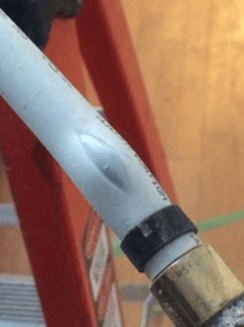
When the cold weather sets in, one of your biggest concerns might be whether the PEX pipes in your home will freeze and burst. It’s a worry that can keep you up at night, especially if you’ve heard horror stories of water damage and costly repairs.
You might be wondering: Are your PEX pipes really at risk, and what can you do to protect them? Understanding how PEX pipes behave in freezing temperatures is crucial for your peace of mind and the safety of your home.
We’ll explore the facts about PEX pipes, reveal the truth about their performance in cold weather, and offer practical tips to keep your plumbing safe during winter. Stay with us as we unveil vital information that could save you time, stress, and money.
Pex Pipe Basics
Pex pipe has become a popular choice for plumbing and heating systems. It offers flexibility and durability that traditional pipes often lack. Understanding the basics of Pex pipe helps answer common questions about its use and performance.
Material Properties
Pex pipe is made from cross-linked polyethylene. This material makes the pipe flexible and resistant to cracking. It handles high and low temperatures well. Pex does not corrode or rust like metal pipes. It also resists chemical damage and scaling. These features make Pex a reliable option for many water systems.
Common Uses
- Residential water supply lines
- Radiant floor heating systems
- Hydronic heating systems
- Snow melting systems for driveways
- Replacement for copper and PVC pipes
Pex pipe’s flexibility helps with easy installation around corners and tight spaces. It reduces the need for fittings and joints, lowering leak risks. This pipe suits both new construction and remodeling projects.

Credit: www.reddit.com
How Freezing Affects Pex Pipes
Understanding how freezing impacts PEX pipes is crucial if you want to protect your plumbing during cold weather. Unlike traditional pipes, PEX behaves differently when exposed to freezing temperatures. Knowing these differences helps you prevent damage and costly repairs.
Expansion And Contraction
PEX pipes have a unique ability to expand when water inside them freezes. This expansion reduces the risk of bursting compared to rigid pipes like copper or PVC. However, repeated freezing and thawing can cause stress in the pipe material, which might lead to small leaks over time.
Think about a time when you left a garden hose out overnight during winter. The hose stretched but didn’t break. PEX works on a similar principle, but it’s designed for indoor plumbing, so it’s more durable. Still, it’s smart to insulate your pipes to minimize the freeze-thaw cycle.
Resistance To Freezing
PEX pipes are more resistant to freezing damage than many other pipe types. Their flexibility allows them to handle ice formation better without cracking. But resistance doesn’t mean immunity—if water inside freezes solid and expands enough, even PEX can fail.
You might ask, “Can I just leave my PEX pipes unprotected in winter?” The answer is no. While PEX reduces the risk, protecting pipes with insulation or heat tape is still necessary. It’s a simple step that can save you from unexpected plumbing headaches.
Factors That Cause Pex Pipes To Burst
PEX pipes are known for their flexibility and durability, but they are not completely immune to bursting. Understanding what causes these pipes to burst can help you take the right precautions and avoid costly repairs. Several factors contribute to the risk of PEX pipe damage, and being aware of them can protect your plumbing system.
Water Pressure Build-up
PEX pipes can handle typical household water pressure, but excessive pressure can cause them to burst. Pressure can build up when water flow is suddenly stopped, such as when a valve closes quickly or a fixture shuts off abruptly. This sudden pressure spike, known as water hammer, can strain the pipe walls beyond their limit.
Have you ever heard a loud banging noise in your pipes? That’s water hammer in action. To protect your PEX pipes, consider installing water hammer arrestors or pressure regulators. These devices help absorb pressure surges and reduce the risk of pipe failure.
Extreme Cold Conditions
PEX pipes are more resistant to freezing than metal pipes, but they can still burst if water inside them freezes. When water freezes, it expands and creates pressure inside the pipe. If this pressure exceeds the pipe’s elasticity, it will burst.
Cold snaps in unheated areas like basements, crawl spaces, or outdoor plumbing are especially risky. You might think your PEX pipes won’t freeze, but if temperatures drop below freezing for extended periods, they are vulnerable. Insulating pipes and keeping water moving by dripping faucets can reduce the chance of freezing.

Credit: www.reddit.com
Preventing Pex Pipe Freezing
Preventing Pex pipe from freezing is essential to avoid costly repairs. Frozen pipes can burst and cause water damage. Taking steps to protect your pipes helps maintain your home’s plumbing system. Simple actions can keep your Pex pipes safe during cold weather.
Insulation Techniques
Insulating Pex pipes reduces the risk of freezing. Use foam pipe sleeves or rubber insulation to cover exposed pipes. Focus on pipes in unheated areas like basements, attics, and crawl spaces. Seal gaps where cold air can reach pipes.
- Wrap pipes with insulation sleeves or heat tape
- Use weather-resistant materials for outdoor pipes
- Check insulation regularly for damage or wear
Proper Installation Tips
Proper installation helps prevent pipe freezing. Avoid placing pipes near exterior walls without insulation. Install pipes in warmer areas inside the home. Allow space for pipe expansion and contraction.
- Keep pipes away from cold drafts and vents
- Use Pex tubing designed for cold climates
- Secure pipes firmly to reduce movement and stress
What To Do If Pex Pipe Freezes
Discovering that your PEX pipe has frozen can be stressful. Acting quickly and correctly can prevent serious damage. Knowing what to do helps you avoid costly repairs and keeps your plumbing safe during cold snaps.
Safe Thawing Methods
Start by locating the frozen section of the pipe. Use a hairdryer or a heat lamp to gently warm the area. Keep the heat moving—don’t focus it in one spot to avoid damaging the pipe.
If you don’t have these tools, wrapping the pipe in warm towels soaked in hot water can also work. Avoid using open flames or high-heat devices like blowtorches; they can melt or weaken the PEX material. Patience is key—slow, even warming is safest.
Opening nearby faucets lets water flow as the ice melts. This helps relieve pressure and speeds up thawing. Have you ever considered how a little running water can save you from a burst pipe disaster?
Signs Of Damage
After thawing, check your PEX pipe carefully. Look for bulges, cracks, or wet spots that weren’t there before. These are warning signs your pipe might have burst or be close to failing.
Also, listen for dripping sounds or check your water meter for unexpected usage. Even a small leak can cause big problems if left unnoticed. If you spot damage, shut off your water supply immediately and call a professional plumber.
Comparing Pex To Other Pipes In Cold Weather
Pex pipes have become a popular choice for plumbing, especially in cold climates. Comparing them to traditional pipes like copper and PVC shows clear differences. These differences matter for homes facing freezing temperatures. Understanding how each pipe handles cold helps in making smart choices for plumbing systems.
Durability
Pex pipes are flexible and can expand slightly if water freezes inside. This reduces the chance of bursting. Copper pipes are rigid and can crack under freezing pressure. PVC pipes are brittle in cold weather and may break more easily.
Pex resists corrosion and scaling better than metal pipes. Copper can corrode over time, especially if water is acidic. PVC does not corrode but can become brittle in freezing temperatures. Pex’s flexibility and resistance to damage make it durable in cold weather.
Cost And Maintenance
Pex pipes are usually cheaper to buy and install than copper. Installation is faster because Pex is flexible and requires fewer fittings. Copper pipes cost more due to material price and labor.
Maintenance for Pex is low. It rarely leaks if installed correctly. Copper may need repairs from corrosion or joint leaks. PVC needs careful handling to avoid cracks in freezing weather.
Pex’s cost-effectiveness and low maintenance make it a practical choice for cold climates. Copper and PVC may require higher upfront and ongoing expenses.

Credit: garynsmith.net
Frequently Asked Questions
Can Pex Pipes Freeze In Cold Weather?
Yes, PEX pipes can freeze if exposed to extreme cold. However, they are more flexible than metal pipes, reducing the risk of bursting.
How Resistant Is Pex Pipe To Bursting?
PEX pipes are highly resistant to bursting due to their flexibility. They can expand slightly if water freezes inside, unlike rigid pipes.
What Causes Pex Pipes To Burst When Frozen?
PEX pipes may burst if water freezes rapidly and pressure builds up. Insufficient insulation and extreme cold increase this risk.
How Can I Prevent Pex Pipe Freezing?
Insulate PEX pipes and keep them in heated areas. Seal leaks and allow faucets to drip during freezing weather for protection.
Conclusion
Pex pipes can freeze but rarely burst like metal pipes. Their flexibility helps them expand when water freezes inside. Still, extreme cold may cause damage if pipes stay frozen too long. Insulating pipes and keeping water flowing slightly reduces freezing risks.
Knowing how pex behaves in winter helps protect your home. Stay prepared and check pipes before cold weather arrives. Small steps prevent costly repairs later. Safe pipes mean peace of mind all winter long.