Have you ever wondered if plants need food just like you do? It’s a simple question, but the answer might surprise you.
You see, understanding how plants get their energy can change the way you care for your garden or houseplants. If you want to know what really fuels your green friends and how you can help them thrive, keep reading. This article will clear up the mystery and give you easy tips to keep your plants healthy and happy.
Credit: medium.com
How Plants Get Nutrients
Plants need nutrients to grow and stay healthy. They get these nutrients from different sources around them. Understanding how plants get food helps us care for them better.
Plants use sunlight, soil, and water to gather the nutrients they need. Each source plays a special role in plant nutrition.
Photosynthesis And Energy
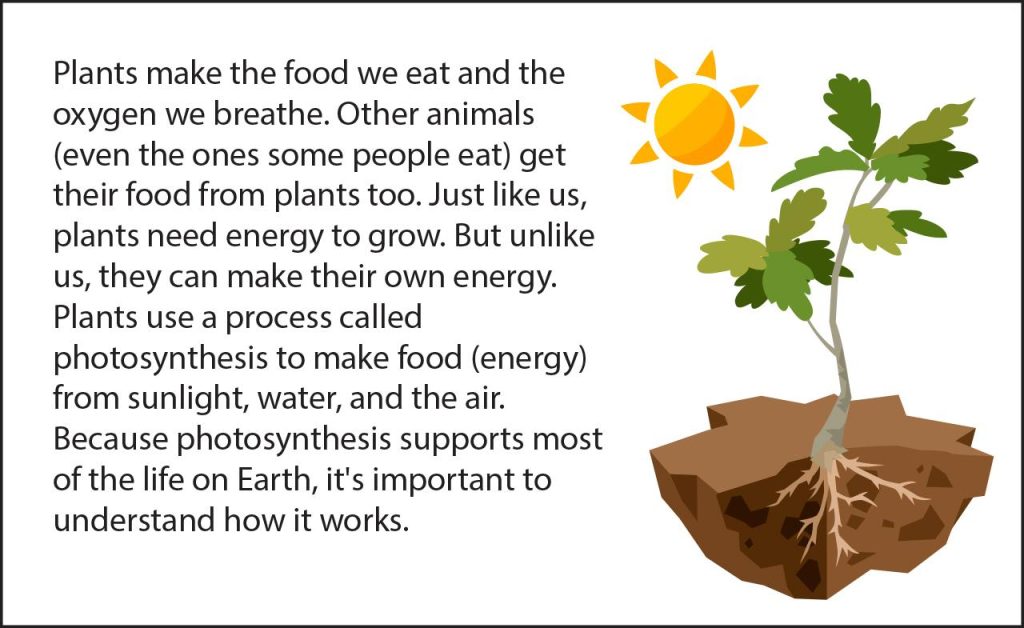
Plants make their own food through photosynthesis. They use sunlight, carbon dioxide, and water to create energy in the form of sugar. This process happens in the leaves.
The energy from photosynthesis helps plants grow and do other functions. Without sunlight, plants cannot make food or survive.
Soil Nutrients And Minerals
Soil provides important nutrients and minerals. Plants absorb these through their roots. These nutrients help build strong stems, leaves, and flowers.
- Nitrogen helps plants grow leaves.
- Phosphorus supports root and flower development.
- Potassium strengthens overall plant health.
- Calcium and magnesium improve cell walls and photosynthesis.
Water’s Role In Nutrition
Water carries nutrients from the soil to the plant roots. It also keeps plants hydrated and cool. Without enough water, plants cannot absorb nutrients well.
| Water Function | Why It Matters |
| Transport nutrients | Moves minerals from soil to roots |
| Hydration | Keeps plant cells full and healthy |
| Temperature control | Prevents overheating in hot weather |
Key Nutrients For Plant Growth
Plants, like humans, need food to grow. They do not eat food like we do, but absorb nutrients from the soil. These nutrients are essential for their health and development.
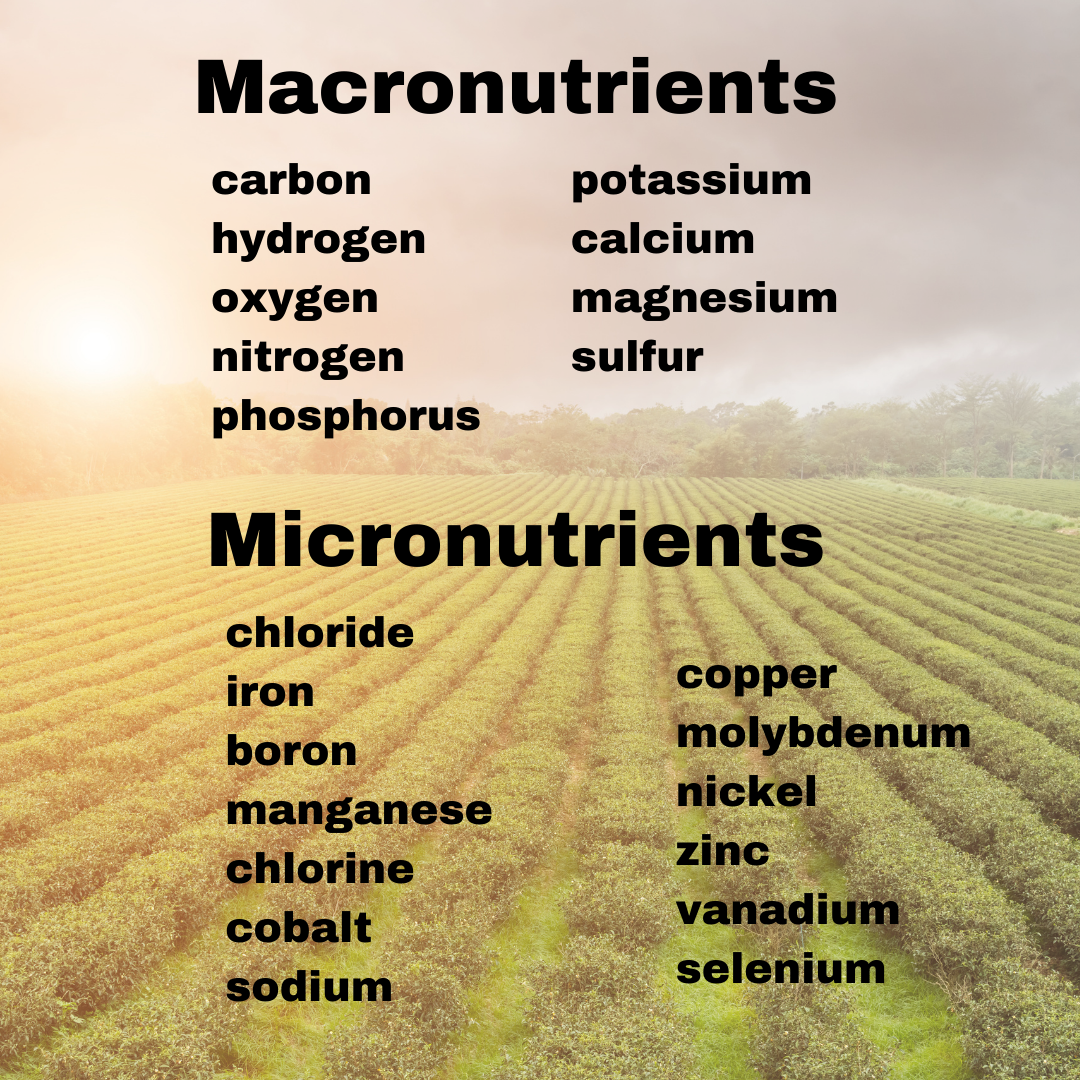
Nutrients are divided into two main categories: macronutrients and micronutrients. Both are vital for plants, but they are needed in different amounts.
Macronutrients: Nitrogen, Phosphorus, Potassium
Macronutrients are nutrients that plants need in large amounts. Nitrogen, phosphorus, and potassium are the most important macronutrients.
Nitrogen
Nitrogen helps plants grow leaves. It is a major part of chlorophyll, which plants use to make food from sunlight.
- Promotes leaf growth
- Essential for photosynthesis
- Gives plants their green color
Phosphorus
Phosphorus is important for root development. It helps plants store and use energy efficiently.
- Supports strong root systems
- Improves flower and fruit production
- Helps plants store energy
Potassium
Potassium helps plants with water regulation. It strengthens the plant’s ability to resist diseases.
- Regulates water in plants
- Enhances disease resistance
- Improves overall plant health
Micronutrients And Trace Elements
Plants also need micronutrients, but in much smaller amounts. These include iron, zinc, and copper. They help with many plant functions.
Even though they are needed in small amounts, micronutrients are crucial. They help with growth, enzyme function, and chlorophyll production.
| Micronutrient | Function |
| Iron | Chlorophyll production |
| Zinc | Growth regulation |
| Copper | Enzyme function |
Soil Quality And Fertilizers
Plants need food to grow healthy and strong. The soil plays a big role in providing nutrients. Good soil quality helps plants absorb water and minerals.
Fertilizers add extra nutrients to the soil. They help plants get the food they need when soil lacks important elements.
Types Of Fertilizers
There are many kinds of fertilizers. Some come from natural sources. Others are made in factories. Each type gives different nutrients to plants.
- Nitrogen fertilizers help leaves grow green and thick.
- Phosphorus fertilizers support root and flower development.
- Potassium fertilizers improve plant health and disease resistance.
- Micronutrient fertilizers add small amounts of minerals like iron and zinc.
Organic Vs Synthetic Options
Organic fertilizers come from plants and animals. They improve soil health over time. Synthetic fertilizers are made with chemicals. They provide nutrients fast but may harm soil in the long run.
| Type | Source | Effect on Soil | Speed of Nutrient Release |
| Organic | Compost, manure, bone meal | Improves soil structure and microbes | Slow |
| Synthetic | Chemicals, minerals | May reduce soil life over time | Fast |
When And How To Fertilize
Fertilize plants during active growth. Avoid adding too much fertilizer. It can burn roots and harm plants. Use the right amount for the plant type and soil condition.
- Test your soil to know nutrient levels.
- Choose fertilizer based on soil test results.
- Apply fertilizer evenly around the plant base.
- Water the soil after fertilizing to help nutrients soak in.
- Repeat fertilizing as needed during the growing season.

Credit: karstennursery.com
Common Nutrient Deficiencies
Plants need food to grow healthy and strong. They get nutrients from soil and water. Sometimes, soil lacks essential nutrients. This causes nutrient deficiencies in plants.
Recognizing nutrient deficiencies helps keep plants healthy. Early signs show how to fix problems fast. Let’s look at common signs and ways to correct deficiencies.
Signs And Symptoms
Nutrient deficiencies show in leaves, stems, and roots. Different nutrients cause different signs. Here are common symptoms to watch for:
- Nitrogen Deficiency:Yellowing leaves, slow growth.
- Phosphorus Deficiency:Dark green or purple leaves, poor root growth.
- Potassium Deficiency:Leaf edges turn brown, spots on leaves.
- Iron Deficiency:Yellow leaves with green veins.
- Magnesium Deficiency:Yellowing between leaf veins.
- Calcium Deficiency:Deformed new leaves, weak stems.
Correcting Deficiencies
Fixing nutrient problems needs the right treatment. Use fertilizers or soil additives to add missing nutrients. Proper watering helps nutrients reach roots.
| Nutrient | Correction Method | Notes |
| Nitrogen | Apply nitrogen-rich fertilizer (e.g., urea, compost) | Use in early growth stages |
| Phosphorus | Add bone meal or phosphate fertilizer | Best added before planting |
| Potassium | Use potash or potassium sulfate | Apply evenly to soil surface |
| Iron | Spray iron chelates on leaves | Works fast for leaf yellowing |
| Magnesium | Add Epsom salts to soil or water | Helps green leaves return |
| Calcium | Use gypsum or lime | Improves cell strength |
Environmental Factors Affecting Nutrition
Plants need food to grow and stay healthy. Their nutrition depends on many things in the environment.
Soil, water, and light all change how well plants get their food. These factors affect plant growth and health.
Soil Ph Impact
Soil pH shows how acidic or alkaline the soil is. It affects how plants absorb nutrients.
If the soil is too acidic or too alkaline, plants cannot take in important minerals well.
- Ideal soil pH is usually between 6 and 7
- Low pH (acidic) can block nutrients like phosphorus
- High pH (alkaline) can reduce iron and zinc uptake
- Adjusting soil pH helps plants get the food they need
Watering Practices
Water helps plants absorb nutrients from the soil. Good watering is key for plant nutrition.
Too little water stops nutrient flow. Too much water can wash nutrients away.
- Water evenly to keep soil moist but not soggy
- Overwatering causes root problems and nutrient loss
- Underwatering makes it hard for plants to get food
Light Exposure
Light powers photosynthesis, which helps plants make their own food.
Without enough light, plants cannot produce energy or use nutrients well.
- Full sun helps most plants grow strong and healthy
- Shade reduces photosynthesis and slows growth
- Choose light levels based on plant type and needs

Credit: www.youtube.com
Tips For Healthy Plant Feeding
Plants need food to grow strong and healthy. Feeding them the right way helps them thrive.
Using good methods for feeding plants can prevent problems and improve growth.
Balancing Nutrients
Plants need a mix of nutrients like nitrogen, phosphorus, and potassium. Too much or too little can harm them.
| Nutrient | Role | Signs of Deficiency |
| Nitrogen | Helps leaves grow | Yellow leaves |
| Phosphorus | Supports roots and flowers | Poor root growth |
| Potassium | Strengthens stems | Weak stems |
Natural Feeding Techniques
Using natural foods helps plants stay healthy without chemicals. Compost and mulch add good nutrients.
- Use compost from kitchen scraps
- Apply mulch to keep soil moist
- Grow plants that add nitrogen to soil
- Feed with natural liquid fertilizers like seaweed tea
Avoiding Overfeeding
Giving plants too much food causes harm. It can burn roots and stop growth.
Follow this simple guide to avoid overfeeding:
- Check the fertilizer label for amounts.
- Feed plants less often in cooler months.
- Water plants well after feeding.
- Observe plants for signs of stress.
- Stop feeding if leaves turn brown or wilt.
Frequently Asked Questions
Do Plants Need Food To Survive?
Yes, plants need food to survive. They produce food through photosynthesis using sunlight, water, and carbon dioxide. This food provides energy for growth and development.
How Do Plants Make Their Own Food?
Plants make their own food via photosynthesis. They convert sunlight, water, and carbon dioxide into glucose and oxygen. This glucose acts as their primary energy source.
Can Plants Survive Without Soil Nutrients?
Plants can survive without soil nutrients temporarily. However, nutrients like nitrogen and phosphorus are vital for healthy growth and development. Deficiency weakens plants over time.
What Role Does Sunlight Play In Plant Food?
Sunlight is essential for photosynthesis, the process plants use to make food. Without sunlight, plants cannot produce glucose, impacting their energy and growth.
Conclusion
Plants do need food, but not like animals do. They make their own food using sunlight, water, and air. This process is called photosynthesis. Plants also get nutrients from the soil, which helps them grow strong. Without sunlight or nutrients, plants cannot survive well.
Understanding how plants get food helps us care for them better. Healthy plants mean a healthy environment for all. So, feeding plants right is key to their life. Simple, natural, and vital.