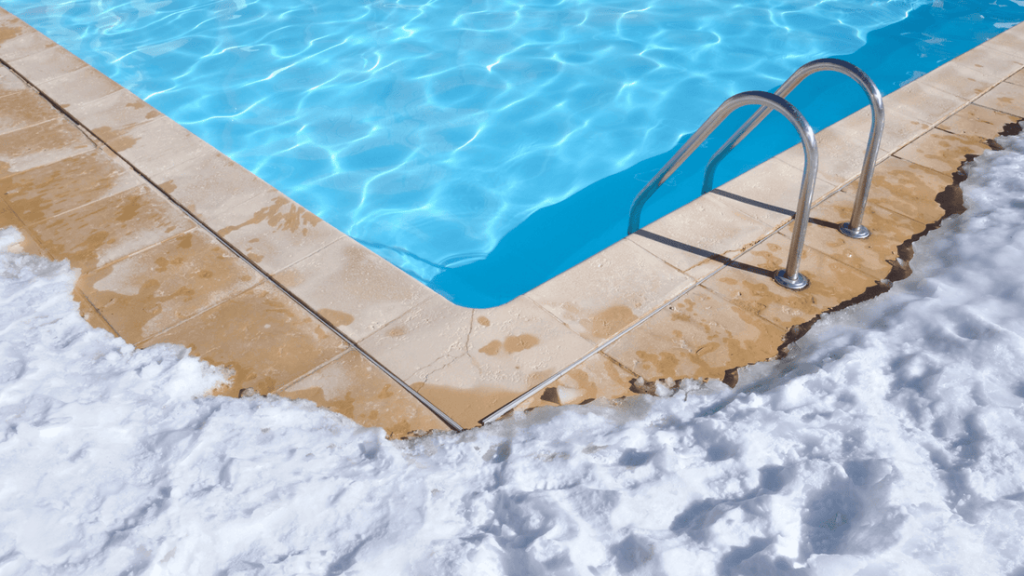
When the chill of winter sets in, you might wonder about the fate of your pool. Does pool water freeze in winter?
This question is more than just a curiosity; it’s a concern for many pool owners like you. Imagine the peace of mind knowing your pool is protected from winter’s icy grip, or the surprise of discovering unexpected damage when spring arrives.
Understanding how your pool behaves in freezing temperatures can save you time, money, and headaches. Dive into this article to uncover the science behind freezing pool water and discover practical tips to keep your pool safe all winter long. Your pool’s winter survival depends on it.
Pool Water And Freezing Temperatures
Pool water reacts to cold weather in ways that affect its temperature and state. Understanding how water freezes and what influences pool temperature helps pool owners protect their pools during winter. This knowledge prevents damage and keeps pools safe.
How Water Freezes
Water freezes at 32°F (0°C). At this temperature, water molecules slow down and form solid ice. Ice is less dense than water, so it floats on the surface.
Freezing starts at the surface because it is exposed to cold air. Deeper water stays liquid longer due to insulation from surrounding water.
Factors Affecting Pool Water Temperature
- Air Temperature:Lower air temperature cools the pool water faster.
- Wind:Wind increases evaporation, which cools the water more.
- Pool Depth:Shallow pools freeze faster than deep pools.
- Pool Cover:Covers trap heat and slow down freezing.
- Water Circulation:Moving water resists freezing better than still water.
Credit: spspoolcare.com
Signs Pool Water Is Freezing
Pool water freezing is a concern during cold winter months. Recognizing signs early helps protect your pool and equipment. Frozen water can cause damage if not addressed quickly. Below are key indicators to watch for.
Visual Indicators
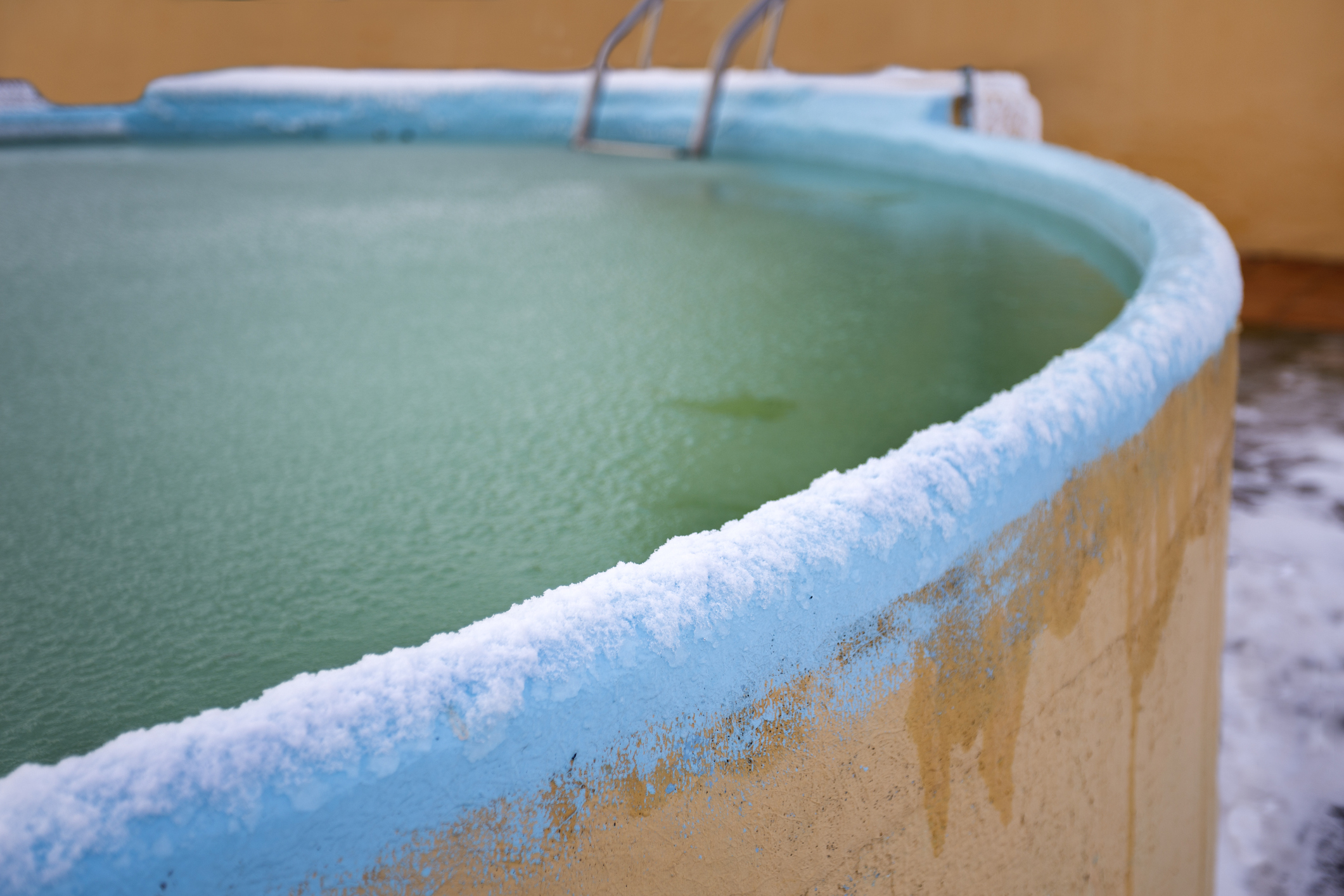
Ice on the water surface is the clearest sign. You might see a thin layer of ice or thick sheets. Small cracks or bubbles trapped in ice show freezing has started. Frost on pool walls or steps also hints at low temperatures. Water may appear cloudy or dull as freezing begins. Watch for floating debris stuck in ice. These signs mean pool water is freezing.
Effects On Pool Equipment
Freezing water expands and can harm pool parts. Pumps and filters may stop working properly. Pipes might crack or burst from ice pressure. Valves can freeze shut or break. The pool heater may fail or run inefficiently. Damage to equipment can cause costly repairs. Early detection helps prevent equipment failure.
Risks Of Frozen Pool Water
Frozen pool water can cause serious problems during winter. Water expands as it freezes, putting pressure on pool parts. This pressure can lead to cracks and breaks. Understanding these risks helps protect your pool and avoid costly repairs.
Damage To Pool Structure
Ice can crack the pool walls and floor. Pools made from concrete, vinyl, or fiberglass are all at risk. Cracks let water leak out, causing more damage. The freeze-thaw cycle makes small cracks bigger over time. This damage can weaken the entire pool structure.
Impact On Plumbing And Filters
Frozen water inside pipes can cause them to burst. Plumbing lines are narrow, so ice blocks create high pressure. Broken pipes lead to leaks and expensive repairs. Filters and pumps may also freeze, damaging internal parts. Protecting plumbing helps maintain the pool’s function and safety.
Credit: www.familyhandyman.com
Preventing Pool Water From Freezing
Preventing pool water from freezing is essential if you want to protect your investment and avoid costly repairs. Freezing water expands and can crack your pool walls, plumbing, and equipment. Taking proactive steps ensures your pool stays safe throughout the cold months.
Using Pool Covers
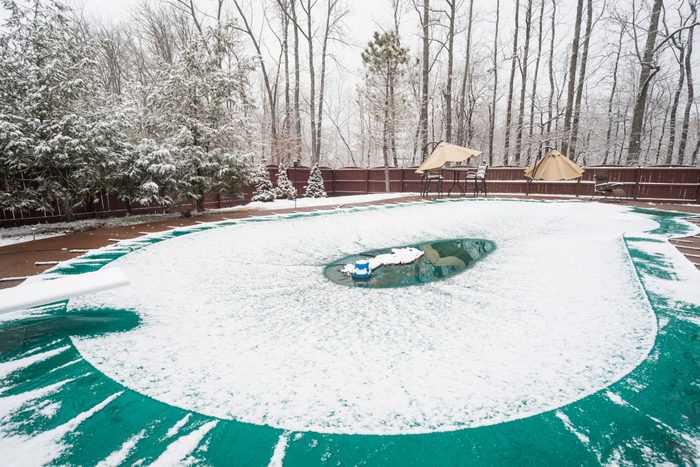
A good pool cover acts as a barrier against cold air and debris. It helps retain heat and minimizes evaporation, which can cause water temperature to drop faster. I’ve noticed that investing in a heavy-duty winter cover saved me from having to fix cracks after a harsh winter.
Choose a cover designed for winter conditions and make sure it fits securely. Some covers even come with insulation features that add extra protection. Don’t forget to regularly clear off snow and ice to prevent excess weight on the cover.
Maintaining Water Circulation
Water movement prevents ice crystals from forming on the surface. Running your pool pump for several hours a day keeps water flowing and reduces the chance of freezing. You might be surprised how just a few extra hours of circulation can make a big difference.
If you have a fountain or waterfall feature, keep it running during cold snaps. This adds extra movement and helps maintain a more consistent temperature. Consider setting your pump timer to run during the coldest parts of the night when freezing risk is highest.
Adding Antifreeze Solutions
Special pool antifreeze can lower the freezing point of water in your plumbing lines. It’s a practical option, especially if you have outdoor pipes that are exposed to freezing temperatures. Be careful to use antifreeze made specifically for pools, as automotive antifreeze is toxic and unsafe.
Adding antifreeze to your skimmer and return lines before winter sets in can prevent costly pipe bursts. Many pool owners overlook this, but it’s a small step that can save you from a big headache. Have you checked your pool’s plumbing for vulnerable spots yet?
Winterizing Your Pool
Winterizing your pool is essential to protect it during cold months. Proper care prevents damage caused by freezing water. Taking the right steps ensures your pool stays in good shape for the next season. Preparation saves money and effort later.
Draining And Cleaning
Remove leaves, dirt, and debris from the pool. Clean the walls and floor thoroughly. Lower the water level below the skimmer to avoid freezing damage. Drain water from pumps, filters, and pipes. This prevents cracks caused by ice expansion.
Protecting Pool Accessories
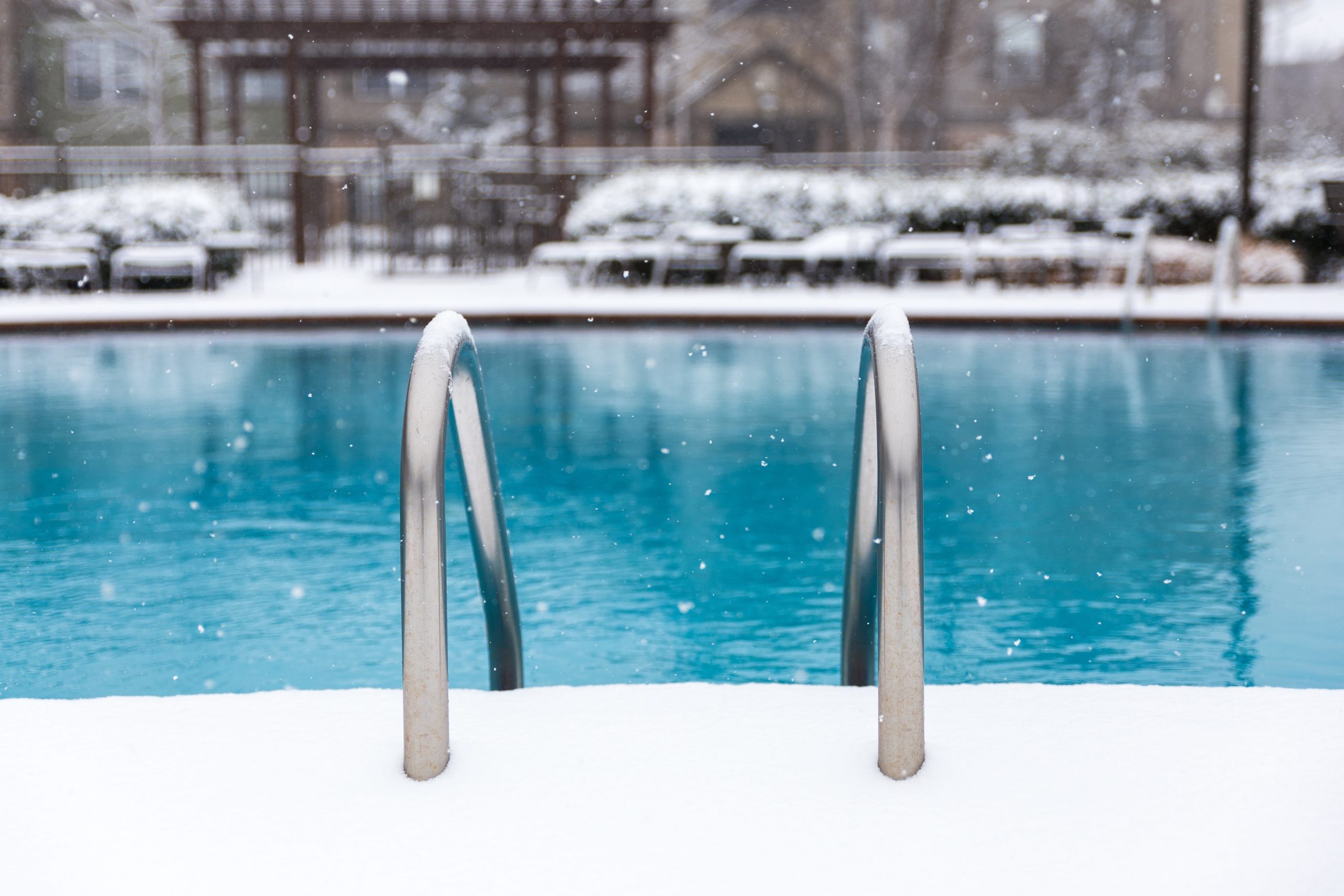
Take out ladders, diving boards, and other removable parts. Store accessories in a dry, safe place to avoid rust or damage. Cover the pool with a winter pool cover to keep dirt out. Secure the cover tightly to prevent it from blowing away.
Scheduling Professional Maintenance
Hire a pool expert to inspect your equipment before winter. Professionals check pumps, heaters, and filters for any issues. They can add antifreeze to plumbing if needed. Expert care ensures your pool stays safe during freezing weather.
Credit: www.lathampool.com
Pool Types And Freezing Risks
Different pool types face freezing risks differently in winter. Understanding these risks helps protect your pool from damage. The type of pool impacts how likely it is to freeze and what precautions to take.
Inground Pools
Inground pools are built into the ground. They usually have deeper water and stronger walls. This design helps reduce freezing risks. Still, water near the surface can freeze if temperatures drop very low. Proper winterizing is important to avoid cracks and damage.
Above Ground Pools
Above ground pools are more exposed to cold air. Their walls and liners are thinner than inground pools. This makes them more vulnerable to freezing. Ice can damage the pool walls or cause leaks. Draining some water and using a pool cover can help protect them.
Hot Tubs And Spas
Hot tubs and spas often have heaters to keep water warm. This reduces freezing risks during winter. If heaters stop working, water can freeze quickly. Draining the water or maintaining heat is crucial. This prevents damage to pipes and pumps.
Dealing With Frozen Pool Water
Frozen pool water can cause serious problems for your pool structure and equipment. Handling this situation quickly and carefully helps prevent costly damage. Knowing how to thaw the ice and repair any freeze damage is essential for pool owners in cold climates.
Thawing Safely
Start by removing snow from the pool surface. This reduces pressure on the ice layer. Use warm water to gently melt the ice, but never pour boiling water directly. Avoid using sharp tools to chip away ice; this can damage the pool lining. A pool heater or warm towels can help speed up thawing. Keep an eye on water levels as ice melts to avoid overflow or low levels. Slowly restoring water temperature reduces stress on pool materials.
Repairing Freeze Damage
Inspect the pool walls and equipment for cracks or leaks. Small cracks may be sealed with waterproof patch kits. Check pipes and pumps for signs of bursting or damage. Replace damaged parts promptly to avoid further issues. Clean and balance the pool water chemicals after repairs. Schedule a professional inspection if damage looks severe. Early repairs protect your pool’s lifespan and save money.
Frequently Asked Questions
Does Pool Water Freeze In Cold Winter?
Yes, pool water can freeze when temperatures drop below 32°F (0°C). Ice forms on the surface, potentially damaging pool equipment and structure.
How To Prevent Pool Water From Freezing?
Use a pool cover, maintain water circulation, and add antifreeze in pipes. These steps help protect your pool during winter.
What Damage Does Frozen Pool Water Cause?
Frozen water can crack pool walls, pipes, and filters. Ice expansion creates pressure, leading to costly repairs if not prevented.
Can Saltwater Pools Freeze In Winter?
Saltwater pools freeze slower due to salt’s lower freezing point. However, they can still freeze in very cold temperatures.
Conclusion
Pool water can freeze during winter if temperatures drop below freezing. This depends on your location and pool conditions. Taking simple steps can protect your pool from damage. Covering the pool and maintaining proper water levels help a lot. Knowing how and why freezing happens keeps your pool safe.
Stay prepared to enjoy your pool again when warm weather returns. Winter pool care is easier than many think. Keep an eye on weather forecasts for the best results. Your pool will thank you for the extra attention.