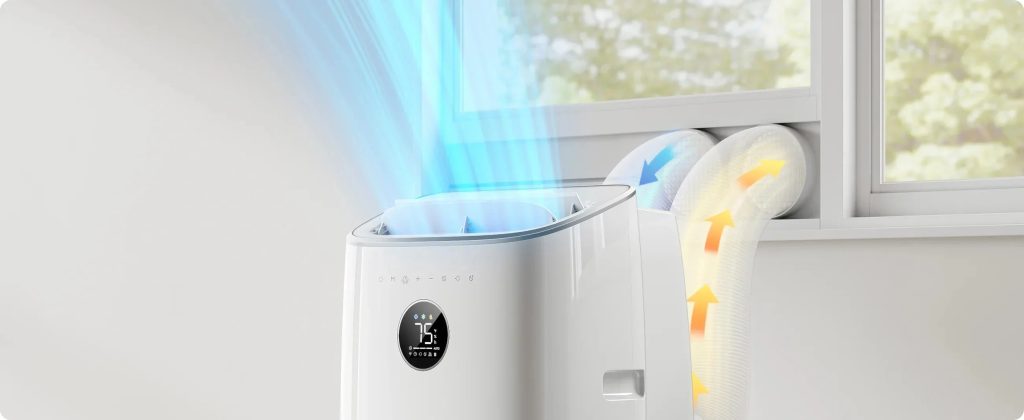
Are you wondering if your portable air conditioner needs to be vented outside? You’re not alone.
Many people buy these handy devices thinking they’re simple to use, only to find out there’s more to it. The way you set up your unit can make a big difference in how well it cools your space—and even how much energy you use.
You’ll discover why venting matters, what happens if you don’t do it right, and easy steps to get it done correctly. Keep reading to make sure you get the most out of your portable air conditioner.

Credit: www.reddit.com
How Portable Air Conditioners Work
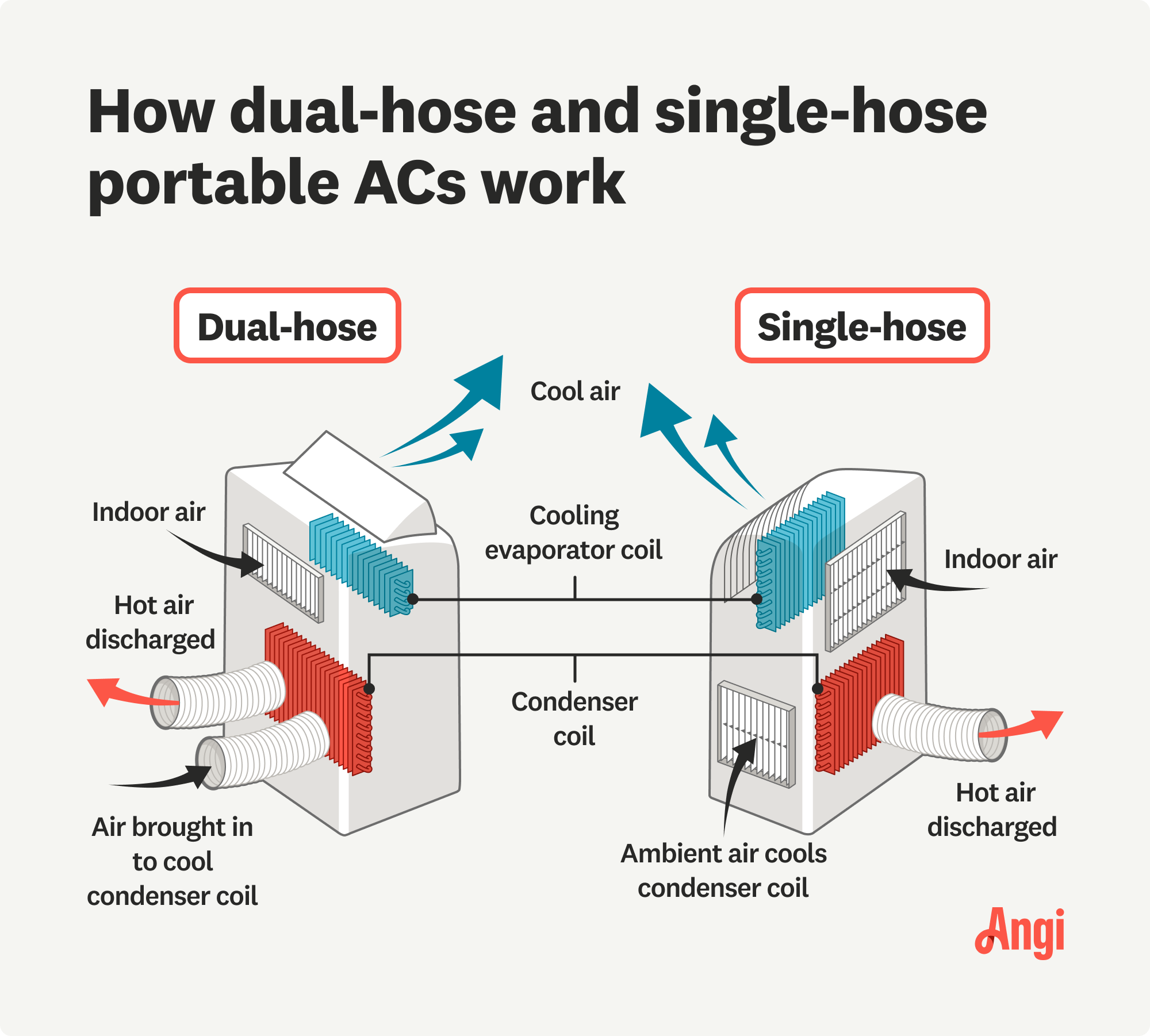
Portable air conditioners work by moving heat from inside a room to the outside. The cooling mechanismuses a compressor, refrigerant, and fans to lower the air temperature.
The unit takes warm air from the room and passes it over cold coils filled with refrigerant. This cools the air, which is then blown back into the room.
At the same time, heat from the air is absorbed by the refrigerant. This heat must be pushed outsideto keep the room cool.
The heat exhaust process uses a flexible hose to vent hot air outdoors. Without this vent, the heat stays inside and makes the room warmer.
Credit: www.angi.com
Importance Of Venting
Ventingis key for portable air conditioners to work well. The exhaust hosemoves hot air from inside to outside. Without this, the room stays warm. The air conditioner tries to cool, but the hot air stays inside.
Not venting causes many problems:
- Room temperature does not drop much.
- Moisture builds up, causing damp and mold.
- Unit works harder, using more electricity.
- Shorter lifespan for the air conditioner.
Proper venting through the exhaust hose helps keep the room cool and dry. It also saves energy and protects the machine.
Common Venting Methods
Portable air conditionersneed to release hot air outside. This keeps the room cool and stops heat build-up. There are several ways to vent the hot air.
- Window Venting Options: Use a window kit to fit the exhaust hose. This lets hot air flow outside through the window. Kits come for sliding or sash windows.
- Through the Wall Venting: Cut a hole in the wall for the exhaust hose. This is a more permanent solution. It keeps the room neat and free from window gaps.
- Using Sliding Door Kits: Special kits fit sliding glass doors. They block the gap while letting the hose vent air outside. Good for homes without easy window access.
Alternatives To Traditional Venting
Evaporative portable ACscool air by adding moisture. They do not need to be vented outside. These units work best in dry climates because they increase humidity. They use less energy than traditional ACs and are lightweight. However, they may not cool as much as vented models.
Ventless cooling solutionsuse special technology to cool air without vents. Some use water or ice to lower temperature. They are easy to move and do not require window installation. These units are good for small spaces but may not cool large rooms well.
Installation Tips For Venting
Portable air conditioners must be vented outside to work well. The hot air leaves your room through the vent. Sealing gaps around the vent hose keeps warm air out and cool air in.
Use weather stripping or foam tape to fill gaps. This stops air leaks and helps save energy. A tight seal also stops bugs and dust from entering your home.
Selecting the right vent kit is key. Some kits fit windows, others fit sliding doors. Choose one that matches your window type and size. A good vent kit is easy to install and removes hot air efficiently.
- Check vent kit size before buying
- Pick kits with adjustable lengths
- Look for durable materials like plastic or metal
- Ensure the kit includes all needed parts
Energy Efficiency And Venting
Venting a portable air conditioner outsideis crucial for better energy efficiency. The unit removes hot air from the room. Without venting, the hot air stays inside, making the room warmer.
This causes the air conditioner to work harder. More energy is used, and cooling performance drops. Proper venting lets the unit cool the room faster and use less power.
- Venting reduces energy waste by removing hot air.
- It improves cooling speed and comfort.
- Helps lower electricity bills.
Safety Considerations
Portable air conditionersrelease hot air during cooling. This hot air must be vented outsideto avoid heat build-up inside the room. Without venting, the room becomes warmer and the unit works harder. This wastes energy and reduces cooling efficiency.
Proper hose maintenance is key. The hose should be free of kinks and leaks. A damaged hose can let hot air back inside. Make sure the hose is securely connected to both the unit and the window vent. Check regularly for blockages or dirt that can reduce airflow.
- Keep the hose straight and avoid sharp bends.
- Use window kits designed for your air conditioner model.
- Seal gaps around the window vent to stop air leaks.

Credit: www.zdnet.com
Frequently Asked Questions
Does A Portable Air Conditioner Need Venting Outside?
Yes, portable air conditioners must be vented outside. The vent removes hot air and moisture, improving cooling efficiency and preventing heat buildup indoors.
Can Portable Ac Work Without An Exhaust Hose?
No, without an exhaust hose, hot air stays inside. This reduces cooling performance and raises room temperature, making the unit ineffective.
How To Vent A Portable Air Conditioner Properly?
Use the included exhaust hose to vent through a window or wall. Secure the hose to prevent air leaks and ensure efficient heat removal.
What Happens If Portable Ac Isn’t Vented Outside?
If not vented outside, heat accumulates indoors. This causes poor cooling, higher energy use, and potential damage to the unit over time.
Conclusion
Deciding if a portable air conditioner needs venting is crucial. Venting helps remove hot air. It makes the room cooler and more comfortable. Some models require venting, while others don’t. Check your specific model’s instructions. Proper installation enhances efficiency. Without venting, units might not work well.
You could face higher energy bills. Always consider your room’s layout and needs. Venting through a window is common. Some use doors or ceilings. Choose what fits your space best. Understanding venting improves your cooling experience. It ensures your air conditioner performs at its best.