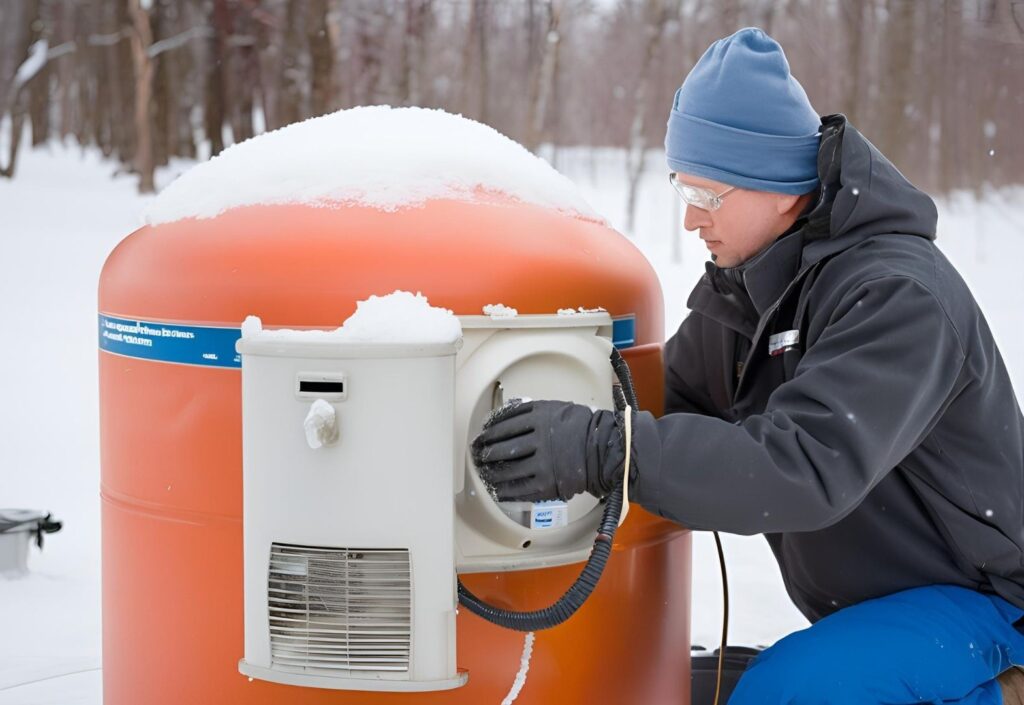
Have you ever wondered if propane, the essential fuel powering your grill, heater, or RV, can actually freeze in cold weather? You’re not alone.
As temperatures plummet, the last thing you want is your propane supply to leave you in the cold, literally. Understanding how propane behaves in frigid conditions is crucial, especially if you rely on it for warmth and cooking. Imagine preparing for a cozy night in, only to find out your propane tank isn’t working as expected.
That’s a frustration you don’t need. We’ll dive into the science behind propane’s behavior in winter temperatures, dispelling common myths and arming you with practical tips to ensure your propane keeps working, no matter how low the mercury drops. Stay with us, and you’ll feel confident handling propane, even in the chilliest weather.
Credit: www.townsendtotalenergy.com
Propane Basics
Understanding propane starts with its basic properties and uses. Propane is a common fuel source, especially in colder regions. Knowing what propane is made of and how it is used helps explain its behavior in cold weather.
This knowledge lays the foundation for answering if propane freezes during cold spells.
What Is Propane Made Of
Propane is a hydrocarbon gas. It belongs to the alkane family. Its chemical formula is C3H8. Propane is found in natural gas and crude oil. It is separated during refining processes. The gas is stored as a liquid under pressure. This makes it easy to transport and use. Propane burns cleanly, producing heat and light. It is colorless and odorless in pure form. An odorant is added for safety to detect leaks.
Common Uses Of Propane
Propane is versatile and widely used. It fuels heating systems in homes. Many use it for cooking in grills and stoves. Propane powers water heaters and fireplaces. It is popular for outdoor activities like camping. Farmers use propane to dry crops. It also fuels forklifts and other equipment. Propane is a reliable energy source during power outages. Its portability makes it useful in remote areas.
Freezing Point Of Propane
Propane is a popular fuel used for heating, cooking, and powering engines. Its behavior in cold weather matters to many users. Understanding the freezing point of propane helps avoid issues during winter months. This section covers key facts about propane’s freezing temperature and compares it with other fuels.
Temperature Where Propane Solidifies
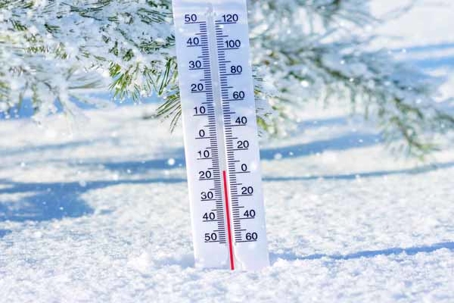
Propane turns solid at an extremely low temperature. Its freezing point is about -187.7°C (-305.9°F). This temperature is far below typical winter weather. Propane remains liquid and usable even in very cold conditions. It rarely freezes under natural weather conditions on Earth.
Comparison With Other Fuels
| Fuel | Freezing Point |
|---|---|
| Propane | -187.7°C (-305.9°F) |
| Butane | -138.3°C (-216.9°F) |
| Diesel | -10°C to -20°C (14°F to -4°F) |
| Gasoline | -60°C to -50°C (-76°F to -58°F) |
Propane freezes at a much lower temperature than other common fuels. Diesel and gasoline freeze at temperatures closer to winter conditions. This makes propane a reliable choice for cold climates. It remains liquid and ready to use while other fuels may thicken or gel.
Behavior Of Propane In Cold Weather
Propane behaves differently in cold weather compared to other fuels. It stays in a gaseous state even at low temperatures. This makes propane a reliable fuel during winter months. Understanding how propane reacts to cold can help users manage it safely and efficiently.
Effects Of Low Temperatures On Propane
Propane has a boiling point of about -44°F (-42°C). This means it remains a gas above this temperature. In cold weather, propane pressure drops inside the tank. Lower pressure can reduce fuel flow to appliances. Propane does not freeze like water or other liquids. Instead, it becomes less vaporized, which affects its use.
How Propane Tanks Respond To Cold
Propane tanks are designed to handle cold temperatures. Tanks may feel colder but do not freeze. The liquid propane inside slowly vaporizes to maintain pressure. In very cold weather, vaporization slows down. This can make propane supply weaker. Using larger tanks or keeping tanks warmer helps maintain pressure. Proper tank care ensures propane works well in cold conditions.
Misconceptions About Propane Freezing
Many people worry that propane will freeze in cold weather, but this is a common misunderstanding. The idea of propane freezing often causes unnecessary concern, especially for those who rely on it for heating during winter. Let’s clear up some of these misconceptions and understand what really happens to propane when temperatures drop.
Common Myths Debunked
One popular myth is that propane freezes at the same temperature as water—32°F (0°C). In reality, propane’s freezing point is much lower, around -306°F (-188°C). This means propane won’t freeze in any natural outdoor condition on Earth.
Another false belief is that propane tanks can burst or become unusable in cold weather. Propane tanks are designed to handle extreme temperatures safely. The liquid propane inside actually vaporizes to maintain pressure, allowing it to work even in freezing conditions.
- Propane does not freeze at typical winter temperatures.
- Pressure inside the tank adjusts as propane changes state between liquid and gas.
- Frost on tanks is usually condensation, not frozen propane.
Why Propane Rarely Freezes Outdoors
Think about your own experience with propane heaters or grills in winter. You’ve probably noticed they still work fine even on the coldest days. This happens because propane’s physical properties keep it in a usable state.
Propane is stored as a liquid under pressure inside the tank. When the pressure lowers, the liquid evaporates into gas, which is what fuels your appliance. This phase change requires energy and helps keep the propane from freezing.
Have you ever seen frost on a propane tank? That frost forms because the propane inside is cooling the tank surface as it vaporizes. It might look like freezing, but the propane inside remains liquid and gas, ready to use.
Safety Tips For Using Propane In Winter
Using propane safely during winter is crucial for home heating and cooking. Cold weather brings unique challenges that can affect propane tanks and equipment. Following key safety tips helps avoid hazards and ensures steady fuel supply. Proper handling and storage reduce risks and improve propane performance in freezing temperatures.
Proper Storage Practices
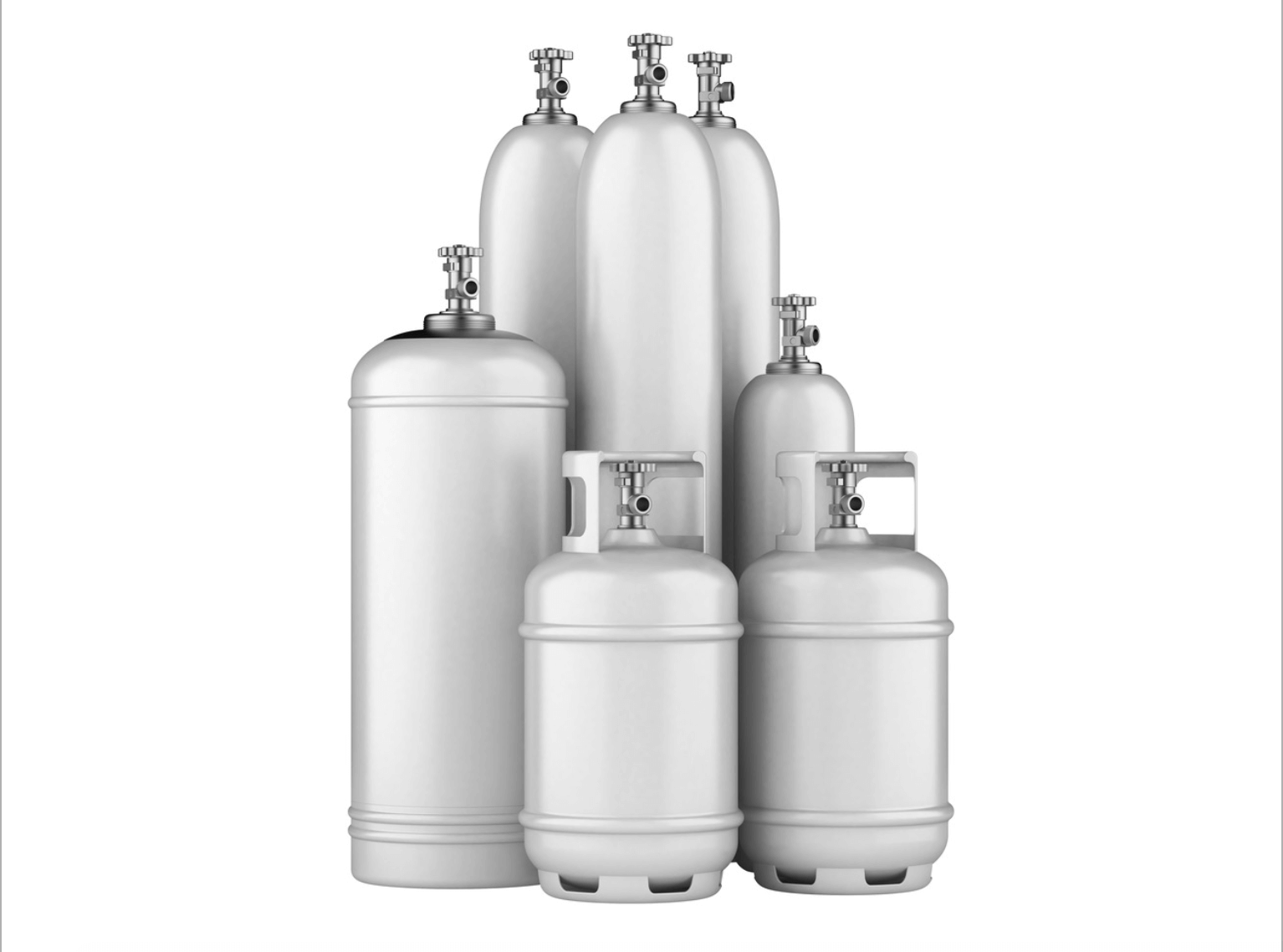
- Store propane tanks outdoors in a well-ventilated area.
- Keep tanks upright to prevent leaks and maintain pressure.
- Protect tanks from snow, ice, and heavy winds using covers or shelters.
- Do not store propane tanks inside basements or enclosed spaces.
- Inspect tanks regularly for rust, dents, or damage.
- Keep tanks away from open flames and heat sources.
Preventing Issues In Cold Conditions
- Check propane levels frequently; cold can reduce pressure.
- Use propane appliances designed for cold weather use.
- Insulate pipes and hoses to avoid freezing or cracking.
- Open tank valves slowly to prevent pressure surges.
- Schedule regular maintenance on propane systems before winter starts.
- Keep emergency supplies and detectors working in case of leaks.
Credit: bryansfuel.on.ca
Troubleshooting Propane Problems In Cold
Cold weather can create unexpected challenges for propane users. When temperatures drop, propane may not behave as you expect, leading to flow problems that disrupt your heating or cooking. Knowing how to spot and fix these issues quickly can save you discomfort and keep your appliances running smoothly.
Signs Of Propane Flow Issues
You might notice your heater or stove isn’t producing enough heat. Flames could appear weak, yellow, or flickering instead of steady and blue. Another sign is your propane tank gauge dropping rapidly or freezing up.
Sometimes, the appliance may shut off suddenly or fail to ignite. If you detect a strange odor near the tank or lines, it could indicate a leak caused by cold-related pressure changes. These signs mean it’s time to check your system before the cold gets worse.
Solutions To Keep Propane Flowing
- Keep the tank warm:Place blankets or insulated covers around your propane tank, but ensure good ventilation to prevent buildup of gas.
- Use a propane tank heater:Electric heaters designed for tanks can maintain temperature and pressure during extreme cold.
- Check and clear regulators:Ice or debris can block regulators; gently thaw or clean them to restore proper flow.
- Maintain proper tank size:Larger tanks hold more propane and are less likely to freeze in cold temperatures.
- Store tanks in a sheltered area:Position tanks away from wind and direct exposure to cold for better temperature control.
Have you experienced propane issues during a cold snap? Taking these simple steps can prevent surprises and keep your propane flowing when you need it most. What adjustments can you make today to avoid freezing problems tomorrow?

Credit: www.gasbottleswimbledon.com
Frequently Asked Questions
Does Propane Freeze In Extremely Cold Temperatures?
Propane does not freeze under normal cold weather conditions. It freezes only at -306°F (-188°C), much colder than typical winter temperatures.
How Does Cold Weather Affect Propane Tanks?
Cold weather can lower propane pressure, causing tanks to perform less efficiently. Proper insulation helps maintain pressure and usability.
Can Propane Lines Freeze In Winter?
Propane itself doesn’t freeze easily, but moisture in lines can freeze. This can block flow, so regular maintenance is essential.
What Is The Freezing Point Of Propane Gas?
Propane freezes at around -306°F (-188°C), which is far colder than normal outdoor winter weather. It remains liquid in usual cold climates.
Conclusion
Propane does not freeze in cold weather like water does. It stays liquid even in very low temperatures. This makes propane a reliable fuel for heating and cooking during winter. Still, proper storage and handling are important to keep it safe and effective.
Knowing how propane behaves helps you avoid problems in cold climates. Use propane confidently, even when it gets very cold outside.