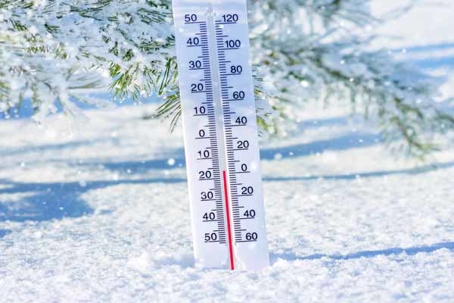
Have you ever wondered if propane can freeze? If you rely on propane for heating or cooking, this question might have crossed your mind, especially during those chilly winter months.
Understanding how propane behaves in cold weather can be crucial for ensuring your comfort and safety. Imagine the inconvenience of a freezing winter day, only to find out your propane isn’t working as expected. By the end of this article, you’ll know whether you need to worry about propane freezing and how to keep everything running smoothly, even when the temperature drops.
Let’s dive into the fascinating world of propane and cold weather, and put your mind at ease.
Propane Basics
Understanding the basics of propane is key if you want to know whether propane can freeze. Propane is more than just a common fuel source; its unique properties influence how it behaves under different temperatures. Let’s break down what makes propane special and how you encounter it daily.
Chemical Properties
Propane is a hydrocarbon with the chemical formula C3H8. It belongs to the alkane family, meaning it consists of carbon and hydrogen atoms connected by single bonds.
At normal atmospheric pressure, propane turns into a gas at temperatures above -42°C (-44°F). This extremely low boiling point means propane stays in gas form in most outdoor conditions.
Because of its low freezing point, propane does not freeze under typical environmental temperatures. Even in very cold winters, your propane supply remains liquid or gas, ready to use.
Common Uses
Propane powers many things you use every day, from heating your home to fueling your barbecue grill. Its portability and efficiency make it a favorite for camping stoves and outdoor heaters.
Businesses use propane for forklifts, agricultural equipment, and even as a backup power source. Have you ever wondered how propane tanks keep working smoothly in freezing weather? Its chemical properties ensure reliable performance.
Knowing where and how you use propane can help you appreciate why freezing is rarely a concern. This reliability makes propane a smart choice for many heating and energy needs.
Credit: westairgases.com
Freezing Point Of Propane
Understanding the freezing point of propane is crucial, especially if you rely on it for heating or cooking in cold climates. Unlike water, propane behaves differently under low temperatures, and knowing its exact freezing point can help you avoid unexpected issues. Let’s break down what happens to propane as temperatures drop and how it compares to other common fuels.
Temperature Thresholds
Propane freezes at around -306°F (-188°C). This temperature is far below what you would typically encounter outdoors, even in the coldest winters. So, in everyday use, propane doesn’t actually freeze.
This means that if you’re using propane in your grill, heater, or any appliance, you don’t need to worry about it turning solid in cold weather. It remains in a gaseous or liquid state under normal conditions, ensuring reliable performance.
Comparison With Other Fuels
How does propane’s freezing point stack up against other fuels? Here’s a quick comparison:
| Fuel | Freezing Point |
|---|---|
| Propane | -306°F (-188°C) |
| Butane | -138°F (-94°C) |
| Natural Gas (Methane) | -297°F (-183°C) |
| Diesel | Varies, around 15°F (-9°C) (cloud point) |
Notice how propane has one of the lowest freezing points among these fuels. That’s why it’s preferred in colder regions over butane, which solidifies much sooner. Diesel, on the other hand, can gel at relatively mild cold temperatures, which can cause practical problems for vehicle owners.
Have you ever faced fuel-related issues in cold weather? Knowing propane’s freezing point might change how you plan your fuel storage or heating setup.
How Propane Behaves In Cold
Understanding how propane behaves in cold conditions is essential, especially if you rely on it for heating or cooking in winter. Propane doesn’t freeze like water, but it does undergo important physical changes that affect its use and storage. Knowing these changes helps you avoid unexpected problems during chilly weather.
Physical Changes At Low Temperatures
Propane’s freezing point is around -305°F (-188°C), which is far colder than most natural environments you’ll encounter. This means propane rarely freezes under normal outdoor conditions. However, as temperatures drop, propane contracts and becomes denser, which can affect pressure inside tanks.
Lower temperatures also reduce propane vapor pressure, making it harder for the gas to vaporize. This is important because propane burns as a gas, not a liquid. If vapor pressure drops too low, your appliances might struggle to ignite or maintain a steady flame.
Effect On Storage And Transportation
Cold weather impacts how propane is stored and moved. Tanks are designed to handle pressure changes, but extremely low temperatures can cause the pressure to fall below optimal levels. This can lead to inefficient fuel delivery or the need to warm tanks before use.
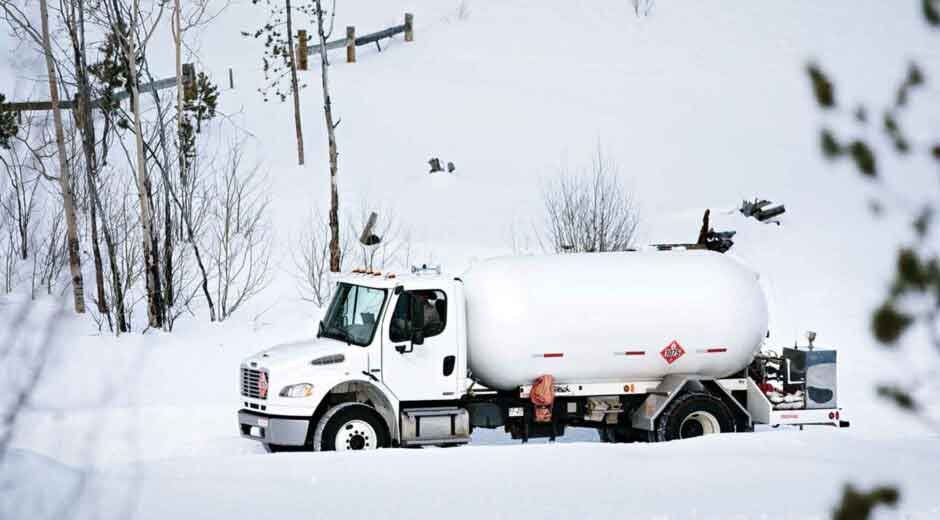
During transportation, propane tanks should be protected from freezing temperatures to maintain proper pressure. Insulating blankets or heated storage areas are practical options. Have you checked your propane tank’s condition before winter? Taking simple steps can prevent fuel delivery problems when you need propane most.
Preventing Propane Freezing Issues
Preventing propane freezing issues is essential to keep your heating or cooking devices working smoothly during cold weather. While propane itself freezes at extremely low temperatures, problems often arise from moisture or impurities in the tank or lines. Taking a few simple precautions can save you time, money, and frustration.
Storage Tips
Store your propane tank in a cool, dry place that is well-ventilated but protected from harsh weather. Avoid leaving tanks directly on icy ground or in areas where water can collect and freeze around the valve. Elevating your tank slightly on a wooden platform or concrete block can prevent moisture buildup and reduce freezing risks.
Check your tank regularly for signs of rust or damage, as these can allow moisture inside. Always keep the tank upright to ensure proper pressure and reduce the chance of liquid propane leaking and freezing in the lines. Have you noticed any frost buildup on your tank during winter? That’s a clue to inspect your storage setup.
Safety Measures
Never try to thaw a frozen propane line with an open flame or excessive heat. Instead, use warm water or a heating pad to gently warm the affected area, avoiding damage to seals or components. Be sure to wear protective gloves and eye protection when handling propane equipment in cold weather.
Keep your propane system well-maintained by scheduling regular inspections and replacing worn parts promptly. Installing a pressure regulator designed for cold weather can also help maintain steady flow and prevent freezing. How often do you check your propane system before the cold season? Making this a routine can prevent unexpected interruptions.
Signs Of Propane Freezing
Knowing the signs of propane freezing helps prevent issues with your heating or cooking systems. Propane can freeze under extremely cold conditions, which may cause problems in its flow and performance. Spotting these signs early ensures safety and keeps your propane appliances working smoothly.
Common Symptoms
- Flame burns weak or flickers frequently.
- Appliance fails to heat or work properly.
- Pressure gauge shows low or unstable readings.
- Hissing or unusual noises from propane tank or lines.
- Frost or ice forms on the propane tank or regulator.
- Gas flow feels restricted or stops suddenly.
Troubleshooting
- Check if the propane tank is exposed to extreme cold.
- Move the tank to a warmer area or shield it from wind.
- Inspect the regulator and lines for ice or frost buildup.
- Allow the tank to warm slowly to restore gas flow.
- Use a propane tank heater if freezing is common in your area.
- Contact a professional if problems persist or worsen.
Credit: greenecodream.com
Myths About Propane And Freezing
Many people believe propane can freeze in cold weather. This idea causes worry about propane use during winter. Let’s clear up the confusion and explain what really happens to propane in freezing temperatures.
Common Misconceptions
- Propane freezes like water at low temperatures.
- Propane tanks can crack or burst from freezing.
- Frozen propane stops gas flow completely.
- Using propane in winter is unsafe because of freezing.
These ideas often come from seeing frost or ice on propane tanks. The frost happens because propane cools the tank surface, not because propane inside freezes.
Scientific Facts
- Propane freezes at -306°F (-188°C), far colder than natural conditions.
- Normal winter temperatures do not reach propane’s freezing point.
- Propane stays liquid in tanks at typical cold temperatures.
- Frost on tanks is condensation from moisture in the air.
- Properly maintained tanks and regulators prevent flow problems.
Propane’s properties make it safe to use in cold climates. Freezing is not a concern under normal winter weather. Understanding these facts helps reduce unnecessary worry about propane and freezing.

Credit: www.adamsgas.co.uk
Frequently Asked Questions
Does Propane Freeze In Cold Temperatures?
No, propane does not freeze easily. It liquefies at -44°F (-42°C), so it remains liquid in most cold climates.
What Is The Freezing Point Of Propane?
Propane’s freezing point is around -306°F (-188°C). This temperature is far colder than typical weather conditions.
Can Propane Tanks Burst If Frozen?
Propane tanks are designed to handle pressure changes. Freezing is unlikely, so tanks usually do not burst from cold.
How Does Cold Weather Affect Propane Usage?
Cold weather can reduce propane pressure. This may affect appliance performance but propane itself does not freeze.
Conclusion
Propane does not freeze under normal conditions. It stays in liquid form even in very cold weather. This makes it reliable for heating and cooking. Knowing this helps you use propane safely and efficiently. Always store propane tanks properly to avoid issues.
Understanding propane’s properties keeps you prepared for winter. Safe use means fewer problems and better performance. Propane remains a good energy choice, no matter the temperature.