Have you ever wondered if your air conditioner or refrigerator can just run out of refrigerant? If your cooling system suddenly stops working like it used to, you might be asking yourself this very question.
Understanding whether refrigerant runs out and what that means for your comfort and wallet is important. You’ll discover the truth behind refrigerant levels, why leaks happen, and what you can do to keep your system running smoothly. Keep reading—you’ll want to know these facts before your next cooling emergency strikes.
How Refrigerant Works
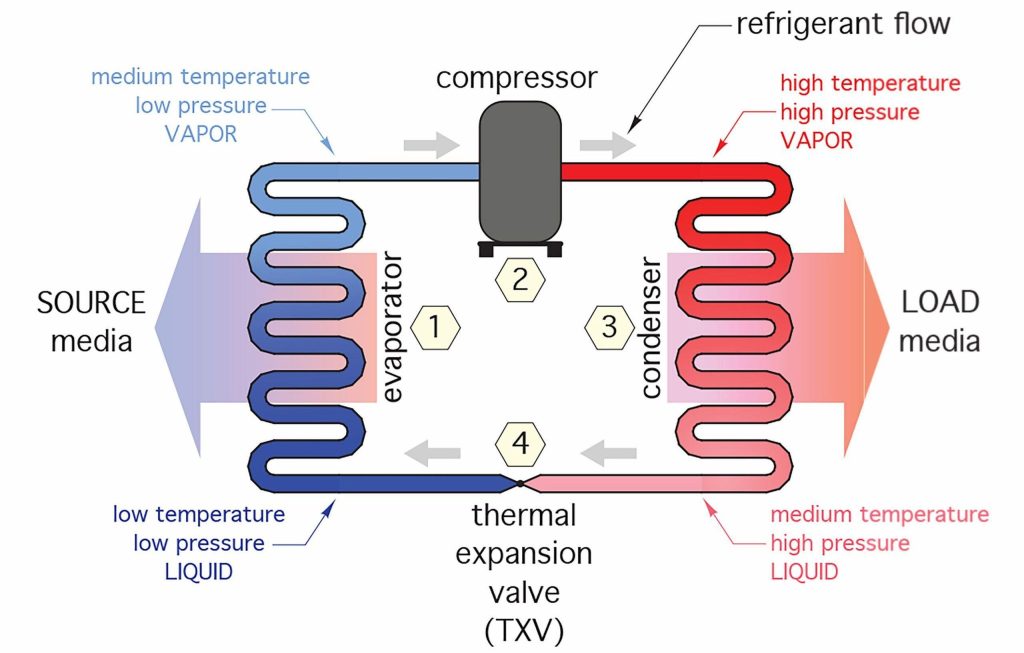
Refrigerant plays a key role in cooling systems like air conditioners and refrigerators. It moves heat from one place to another. This process keeps your room or food cool.
Refrigerant changes from liquid to gas and back. This change helps absorb and release heat. The system keeps the refrigerant moving to maintain the cooling effect.
How Refrigerant Absorbs Heat
The refrigerant starts as a cold liquid inside the evaporator coil. It absorbs heat from the air or inside space. This heat causes the refrigerant to evaporate into gas.
As the refrigerant evaporates, it pulls heat away. This makes the air or space cooler.
How Refrigerant Releases Heat
After absorbing heat, the refrigerant turns into a warm gas. It moves to the condenser coil outside. Here, it releases the heat into the outside air.
The refrigerant cools down and changes back into liquid form. This prepares it to start the cycle again.
The Role Of Pressure In Refrigerant Cycle
- High pressure helps refrigerant release heat in the condenser.
- Low pressure allows refrigerant to absorb heat in the evaporator.
- Pressure changes cause refrigerant to change states between liquid and gas.
This pressure control is key to keeping the cooling cycle efficient.

Credit: www.reddit.com
Can Refrigerant Run Out
Can refrigerant actually run out in your air conditioning or refrigeration system? Many people wonder if this vital substance just disappears over time or if it’s something that needs regular topping up. Understanding how refrigerant works and what causes its levels to drop can help you avoid unexpected system failures and costly repairs.
How Refrigerant Functions In Your System
Refrigerant circulates within a closed loop inside your AC or fridge. It absorbs heat from inside your space and releases it outside. Because it’s sealed, it shouldn’t run out under normal conditions.
Think of refrigerant as the lifeblood of your cooling system. Without it, your unit can’t transfer heat effectively. So if your system feels less cold, the issue might be with the refrigerant.
Why Refrigerant Levels Drop
Since refrigerant is in a sealed system, it doesn’t evaporate like water. However, leaks can cause it to escape over time. These leaks often happen at joints, valves, or due to wear and tear in pipes.
Have you noticed your AC running longer but not cooling as well? That could indicate a slow leak. Catching leaks early saves money and prevents damage to the compressor.
Can You Add Refrigerant Yourself?
Adding refrigerant isn’t as simple as topping up oil in a car. It requires special tools and knowledge to measure proper levels and avoid overcharging. Plus, handling refrigerants often requires certification due to environmental regulations.
If you try to add refrigerant without fixing leaks, you’re only masking the problem. It’s best to hire a professional who can locate leaks, repair them, and refill the refrigerant correctly.
Signs Your Refrigerant Might Be Low
- Warm air blowing from vents despite running the AC.
- Increased energy bills without change in usage.
- Hissing or bubbling noises near the unit.
- Ice buildup on coils or refrigerant lines.
Pay close attention to these symptoms. They often point to refrigerant issues and should prompt a timely inspection.
Common Signs Of Low Refrigerant
Low refrigerant levels affect your air conditioner’s performance. Recognizing common signs helps catch issues early. Spot these symptoms to avoid bigger problems.
Reduced Cooling Efficiency
Your air conditioner may blow warm or less cold air. Cooling takes longer than usual. Rooms stay hotter despite running the unit. This happens because refrigerant is low and cannot absorb heat well.
Ice Formation On Coils
Look for frost or ice on the evaporator coils. Ice buildup blocks airflow and reduces cooling. It forms when refrigerant is too low to keep coils cold properly. This can damage the system if ignored.
Hissing Or Bubbling Sounds
Unusual noises like hissing or bubbling near the unit are warning signs. These sounds may come from refrigerant leaks. Leaks cause the refrigerant to escape, lowering its level inside.
Increased Energy Bills
Higher electricity bills can mean your AC is working harder. Low refrigerant makes the system less efficient. It runs longer to cool your home, using more energy. This leads to unnecessary expense.

Credit: thefurnaceoutlet.com
Main Causes Of Refrigerant Loss
Refrigerant is essential for your air conditioner or refrigerator to work properly. But have you ever wondered why it sometimes seems like your system is losing its cooling power? The main reason often comes down to refrigerant loss. Understanding what causes this loss can help you spot issues early and avoid costly repairs.
Leaks In The System
Leaks are the most common cause of refrigerant loss. Even a tiny hole or crack can let refrigerant escape over time. You might notice your cooling isn’t as strong, or your energy bills rise unexpectedly.
Leaks often happen in joints, coils, or connections. If you hear hissing sounds or see oil stains on your unit, these are clues that refrigerant might be leaking. Regular inspections can catch these leaks before they cause major problems.
Improper Installation
Did you know that incorrect installation can cause refrigerant to run out faster? If the system isn’t sealed properly or the wrong amount of refrigerant is added, it can lead to early loss. This can leave you frustrated with poor cooling performance.
Always hire experienced technicians for installation. They know how to handle refrigerant safely and ensure the system is airtight. Skipping this step can cost you more in the long run.
Wear And Tear Over Time
Even well-maintained systems lose refrigerant slowly as they age. Pipes and seals naturally wear down, creating tiny leaks that build up over years. It’s like your system is aging and losing its efficiency bit by bit.
Think about the last time you serviced your AC. If it’s been a while, your system might already be losing refrigerant without obvious signs. Regular maintenance helps you spot these problems early and keep your system running smoothly.
Dangers Of Low Refrigerant Levels
Low refrigerant levels can cause serious problems for your cooling system. It is not just about less cold air. The system works harder, causing damage and higher costs. Knowing the dangers helps you protect your home and save money.
Reduced Cooling Efficiency
Low refrigerant means the system cannot cool air properly. It takes longer to reach the desired temperature. This wastes energy and raises your electricity bills. Your home will feel uncomfortable during hot days.
Increased Wear And Tear
The cooling system must work harder with less refrigerant. This extra effort causes parts to wear out faster. Components like the compressor can break down early. Repair costs can be high and inconvenient.
Potential Compressor Failure
The compressor relies on refrigerant to stay cool. Low refrigerant causes it to overheat. Overheating leads to serious damage or full failure. Replacing a compressor is expensive and time-consuming.
Environmental Harm
Leaking refrigerant can escape into the atmosphere. Some refrigerants harm the environment and contribute to global warming. Fixing leaks quickly helps protect the planet and comply with laws.
Signs Of Low Refrigerant
- Warm air from vents
- Longer cooling cycles
- Hissing or bubbling sounds
- Ice buildup on coils
- Higher energy bills
Credit: airchillac.com
How Experts Diagnose Refrigerant Issues
Diagnosing refrigerant issues requires a careful and methodical approach. Experts rely on specific techniques to pinpoint leaks and verify system integrity. Understanding these methods can help you better communicate with technicians and spot potential problems early.
Leak Detection Methods
Technicians often use electronic leak detectors that sense refrigerant gases in the air. These devices can quickly identify even small leaks without dismantling your system. Sometimes, they apply a special fluorescent dye to the refrigerant, which glows under UV light, making leaks visible.
Have you ever wondered why your AC suddenly loses cooling power? A tiny leak might be the culprit, and these tools help catch it before it causes major damage.
Pressure Testing
Pressure testing involves checking the system’s ability to hold refrigerant without dropping pressure. Experts pressurize the system with nitrogen and monitor if the pressure remains stable over time. A pressure drop usually signals a leak.
This test is crucial because refrigerant itself is often colorless and odorless, making leaks hard to detect without proper tools. It’s like giving your AC a health check-up to ensure it’s sealed tight.
Visual Inspections
Visual inspections are the first step in diagnosing refrigerant problems. Technicians look for signs such as oily residue, corrosion, or damaged components where refrigerant might escape. Sometimes, condensation patterns or frost buildup can hint at underlying issues.
Paying attention to these visible clues can save you money by catching problems early. Next time you notice unusual spots or moisture around your unit, ask your technician to take a closer look.
Effective Solutions For Refrigerant Problems
Refrigerant can leak or run out over time, causing cooling issues. Checking for leaks and refilling properly keeps systems working well. Regular maintenance helps avoid refrigerant problems and saves energy.
Dealing with refrigerant problems can be a real headache. Whether it’s a leaking system or low levels, these issues can compromise the efficiency of your cooling appliances. However, there are effective solutions to tackle these problems head-on and keep your air conditioning system running smoothly.Sealing Leaks
Leaks are one of the most common refrigerant problems. Identifying and sealing them promptly can save you from bigger issues down the road. Professionals often use leak detectors to pinpoint the exact source, ensuring a thorough fix. Utilizing a sealant can be a temporary fix, but it’s crucial to address the root cause. Did you know that small leaks can add up to significant refrigerant loss over time? By sealing even minor leaks, you can maintain system efficiency and lower energy costs.Recharging Refrigerant
Recharging your refrigerant is a straightforward way to restore your system’s cooling power. It involves adding the right type and amount of refrigerant to your system. Make sure you consult your appliance manual or a professional to ensure correct handling. Have you ever noticed your AC blowing warm air? This could be a sign that it’s time for a recharge. Recharging can significantly improve cooling performance, making your home comfortable again.Regular Maintenance Tips
Routine maintenance is your best ally against refrigerant problems. Regular check-ups can identify potential issues before they escalate. Simple tasks like cleaning coils and checking for leaks can extend your system’s lifespan. Keeping a maintenance schedule can prevent unexpected breakdowns. Have you scheduled your next service appointment? Regular inspections can help you avoid costly repairs and maintain optimal efficiency.Preventing Future Refrigerant Loss
Preventing future refrigerant loss is key to keeping your cooling system efficient. Regular care and proper handling protect the system and save money. Small efforts lead to big benefits in system performance and lifespan.
Routine Inspections
Check your system often for leaks or damage. Look for oily spots or frost on pipes. Early detection stops refrigerant from escaping. Keep track of pressure levels and listen for unusual sounds. Regular inspections keep problems small and easy to fix.
Using Quality Equipment
Choose parts made with strong materials and good design. Cheap or low-quality equipment may leak or break faster. Use fittings and seals that fit perfectly. Proper tools and parts reduce the chance of refrigerant loss. Quality equipment supports long-term system health.
Professional Servicing
Hire trained technicians to service your system. Experts find hidden leaks and fix them properly. They use the right tools and follow safety rules. Professional servicing ensures correct refrigerant levels and system balance. Trust professionals to keep your system running smoothly.
Frequently Asked Questions
Does Refrigerant In Ac Units Run Out Completely?
Refrigerant does not run out like fuel. It circulates in a closed system. Leaks cause refrigerant loss, needing repairs and recharge.
How Often Should Refrigerant Be Refilled In Hvac?
Refrigerant should not need regular refilling if no leaks exist. If levels drop, a professional should inspect and recharge it.
What Causes Refrigerant To Leak From Air Conditioners?
Leaks occur due to corrosion, wear, or physical damage to coils or pipes. Regular maintenance helps detect leaks early.
Can Low Refrigerant Levels Damage My Ac System?
Yes, low refrigerant reduces cooling efficiency and can cause compressor damage. Prompt repair prevents costly system failures.
Conclusion
Refrigerant does not just run out like fuel in a car. It can leak over time through small cracks or loose connections. Regular checks help find leaks early and keep your system working well. Fixing leaks and refilling refrigerant keeps air conditioners cool and efficient.
Paying attention to signs like weak cooling or strange noises can save money and avoid bigger problems. Taking care of your system helps it last longer and work better every day. Simple steps make a big difference in keeping your home comfortable.