
Have you ever wondered what happens to Seljalandsfoss, one of Iceland’s most famous waterfalls, when winter arrives? Does it keep flowing with its usual roar, or does it freeze into a magical icy wonder?
If you’re planning a trip or just curious about this natural marvel, understanding how Seljalandsfoss changes in the cold months can give you a whole new perspective. Keep reading to discover the stunning winter transformation of this waterfall and why it might just be the perfect time for your visit.
Credit: www.walkmyworld.com
Seljalandsfoss Waterfall Facts
Seljalandsfoss is one of Iceland’s most iconic waterfalls, known for its unique path that lets you walk behind the cascading water. Understanding some key facts about this natural wonder will help you appreciate its beauty, especially when you wonder if Seljalandsfoss freezes in winter. Let’s dive into what makes this waterfall special and why it attracts visitors year-round.
Location And Features
Seljalandsfoss is located along the South Coast of Iceland, near the Ring Road, making it easily accessible for travelers. The waterfall drops about 60 meters (197 feet) from a former sea cliff, creating a stunning vertical curtain of water.
One of its standout features is the footpath that allows you to walk behind the waterfall, offering a rare perspective. Have you ever imagined standing behind a waterfall, feeling the spray on your face? This experience is what sets Seljalandsfoss apart from many other waterfalls.
- Height: Approximately 60 meters (197 feet)
- Accessible walking path behind the waterfall
- Located on the Seljalands River, fed by melting glaciers
- Part of the larger Seljalandsfoss waterfall system, including nearby Gljúfrabúi
Year-round Appeal
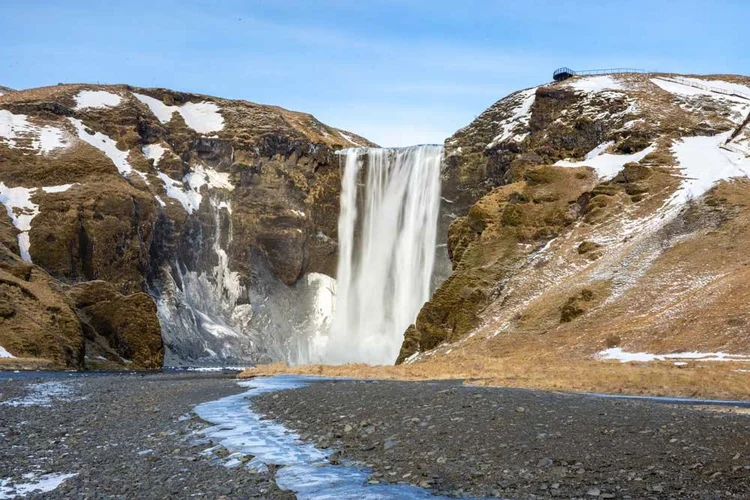
Seljalandsfoss is stunning in every season, but its winter transformation is especially fascinating. While the waterfall doesn’t fully freeze solid, parts of the cascading water and surrounding cliffs often develop thick ice formations.
Walking behind the waterfall in winter lets you witness icicles hanging around you, creating a magical icy curtain. Have you considered how the slippery paths might add an adventurous twist to your visit?
During summer, the waterfall is vibrant and surrounded by lush greenery. In winter, the icy landscape adds a dramatic contrast to the flowing water. This seasonal change keeps visitors coming back, eager to see how nature reshapes the scene.
- Winter: Partial freezing with stunning ice formations
- Summer: Lush surroundings and full water flow
- Accessible year-round, but prepare for icy paths in winter
- Popular spot for photography in all seasons
Winter Climate In Iceland
Iceland’s winter climate shapes the landscape with cold temperatures and frequent snow. The weather varies across the country but usually stays below freezing in many areas. The climate affects waterfalls like Seljalandsfoss, creating stunning icy scenes. Visitors should understand the winter weather to plan their trips well.
Temperature Trends
Winter temperatures in Iceland often range from -1°C to -10°C (30°F to 14°F). Coastal areas near the ocean stay slightly warmer because of the Gulf Stream. Inland regions experience colder nights and stronger frosts. Daylight is short, with only a few hours of weak sunlight. These cold temperatures make freezing conditions around waterfalls very common.
Snow And Ice Conditions
Snow covers much of Iceland in winter, especially from November to March. Ice forms on rocks, paths, and around waterfalls like Seljalandsfoss. The waterfall’s spray freezes, creating beautiful icicles and icy walls. Walking near the waterfall can be slippery, so extra care is needed. Snow also softens the landscape, making it look magical but challenging to explore.
Freezing Patterns Of Seljalandsfoss
Seljalandsfoss is one of Iceland’s most famous waterfalls, known for its stunning beauty year-round. In winter, the waterfall shows a unique transformation as freezing temperatures affect its flow. The freezing patterns here are fascinating and vary depending on weather conditions. The waterfall does not freeze completely but often displays partial ice formations that create a magical scene.
Partial Freezing Phenomenon
Seljalandsfoss rarely freezes solid. Instead, ice forms along the edges and parts of the cliff. Water continues to flow underneath the ice layers, creating a mix of movement and stillness. Icicles hang from the rocks, and frozen spray covers nearby surfaces. This partial freeze makes the waterfall look like a frozen curtain with water running behind it.
Factors Affecting Ice Formation
- Temperature: Consistent cold below 0°C helps ice build up.
- Water Volume: Higher flow reduces freezing chances.
- Wind: Strong winds increase ice formation by cooling the spray.
- Sunlight: Limited sun exposure helps ice last longer.
- Humidity: Moist air can speed up freezing near the waterfall.

Credit: guidetoiceland.is
Visual Changes In Winter
Winter transforms Seljalandsfoss into a magical scene. The waterfall’s usual flow changes, creating stunning icy visuals. Visitors witness nature’s art as water and cold combine. These visual changes add a unique charm to this famous Icelandic spot.
Icy Curtain Effect
Seljalandsfoss often develops a layer of ice over its falling water. This creates an icy curtain that glistens under sunlight. The water continues to flow beneath the ice, making the scene dynamic. Ice forms intricate patterns, sparkling like glass. This effect makes the waterfall look like a frozen veil.
Frozen Surroundings
The area around Seljalandsfoss also changes with the cold. Rocks and plants near the waterfall get coated in frost and ice. Pathways may become slippery with ice crystals. Snow often blankets the ground, adding to the winter wonderland feel. The frozen surroundings enhance the beauty and mood of the place.
Safety Tips For Winter Visitors
Visiting Seljalandsfoss in winter offers a magical experience, but the icy conditions demand extra caution. Your safety depends on how well you prepare and navigate the frozen landscape. Let’s look at some important tips to keep your visit enjoyable and accident-free.
Navigating Slippery Paths
The paths around Seljalandsfoss can become dangerously slippery due to ice and packed snow. Watch your step carefully, especially near the waterfall’s base where mist can freeze into slick surfaces.
Don’t rush—take slow, deliberate steps to maintain balance. Using trekking poles can add stability, making it easier to handle uneven or icy ground. Have you ever underestimated a slippery patch and regretted it? Here, patience and focus pay off.
Recommended Gear
Wearing the right gear is crucial for your safety and comfort. Waterproof boots with good grip are a must to prevent slips and keep your feet dry.
Consider adding crampons or ice cleats to your footwear—they make a noticeable difference on icy trails. Layer your clothing to stay warm but flexible enough to move freely. Don’t forget gloves and a hat; cold hands and heads can distract you and increase risk.
Capturing Seljalandsfoss In Ice
Seljalandsfoss transforms into a magical ice spectacle during winter. The waterfall’s spray freezes, creating stunning ice formations that captivate all visitors. Capturing this icy beauty requires careful planning and the right techniques. Photographers can create breathtaking images that showcase the frozen wonder in its full glory.
Best Photo Angles
Photograph Seljalandsfoss from various angles to highlight the ice’s texture. The front view shows the frozen water cascading down the cliff. The path behind the waterfall offers a unique perspective, with icicles framing the scene.
- Shoot from the base to capture the full height and ice layers.
- Use the path behind the fall for a dramatic silhouette effect.
- Try side angles to reveal sparkling ice formations in the sunlight.
Optimal Time For Photography
Lighting plays a key role in capturing icy Seljalandsfoss. Early morning offers soft light that enhances ice details. Late afternoon brings warm tones that contrast with cold ice. Overcast days reduce glare and bring out subtle colors in the ice.
- Visit just after sunrise or before sunset for ideal lighting.
- Cloudy days help avoid harsh shadows on the ice.
- Check weather conditions to anticipate fresh ice formations after cold nights.
Nearby Winter Attractions
Seljalandsfoss is not the only winter wonder in the area. The region offers many attractions that showcase Iceland’s icy beauty. Visitors can enjoy stunning frozen waterfalls and explore trails perfect for winter hiking.
Other Frozen Waterfalls
Nearby waterfalls also freeze into magical ice sculptures. Gljúfrabúi, hidden behind a narrow canyon, becomes a sparkling ice cave. Skógafoss turns into a giant wall of ice, creating a dramatic sight. These waterfalls offer unique photo opportunities and peaceful winter views.
Winter Hiking Trails
Several trails near Seljalandsfoss open for winter hiking. Paths around the waterfall are safe and well-marked. More challenging hikes lead to volcanic landscapes and glaciers. Warm clothes and good boots are necessary for all hikers. The crisp air and snow-covered scenery make every step memorable.

Credit: www.camperrentaliceland.com
Frequently Asked Questions
Does Seljalandsfoss Completely Freeze In Winter?
Seljalandsfoss rarely completely freezes due to constant water flow. However, parts of the waterfall and surrounding areas may develop stunning ice formations during cold spells.
Can Visitors Walk Behind The Waterfall In Winter?
Walking behind Seljalandsfoss in winter is possible but risky. Ice and slippery paths require caution and proper footwear for safe access.
How Cold Does It Get Near Seljalandsfoss In Winter?
Winter temperatures near Seljalandsfoss often drop below freezing, ranging between -5°C to -15°C (23°F to 5°F). Dress warmly for outdoor visits.
Are There Any Safety Concerns Visiting Seljalandsfoss In Winter?
Yes, icy surfaces increase slipping risks. Visitors should wear crampons or sturdy boots and avoid unsafe areas for a secure experience.
Conclusion
Seljalandsfoss in winter captivates with its icy beauty. Yes, it does freeze. The waterfall transforms into a magical ice wonderland. Visitors can walk behind it, experiencing nature’s chill. It’s a sight that draws photographers and nature lovers alike. Remember to dress warmly for this icy adventure.
Winter in Iceland is cold, but rewarding. This stunning waterfall is a must-see, even in the coldest months. Its icy charm is unforgettable. Plan your visit, and experience winter’s magic. Seljalandsfoss awaits, frozen and magnificent.